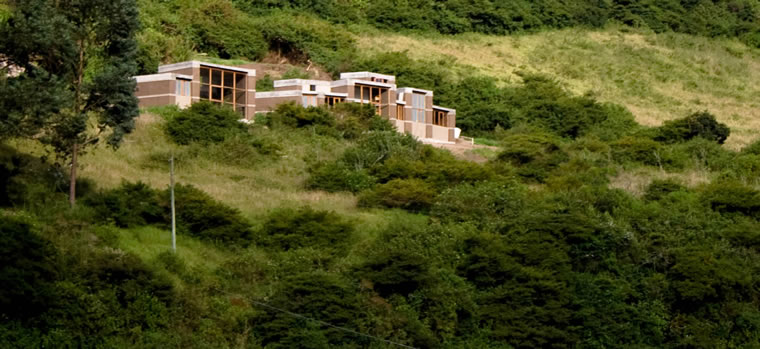
Casa Entre Muros: A House Between Walls

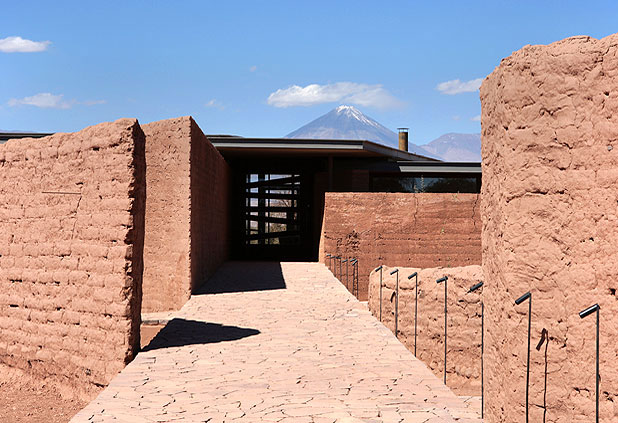
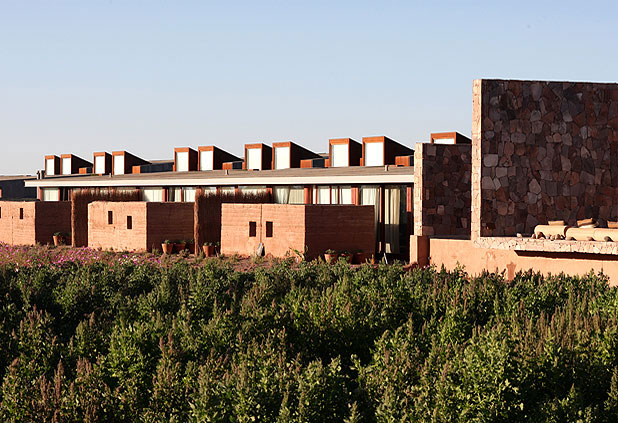
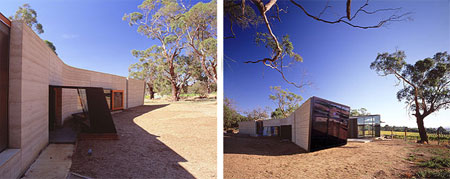
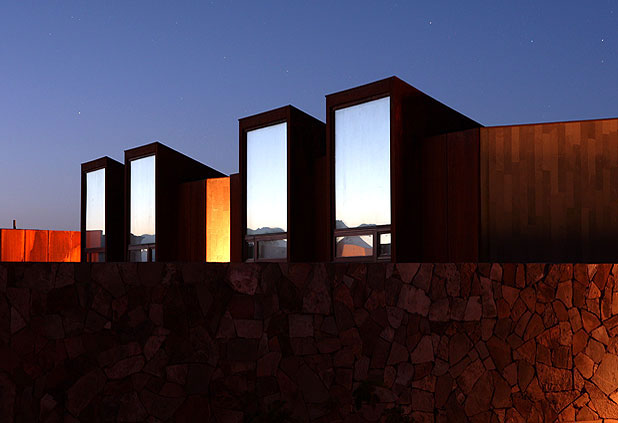
The Casa Entre Muros, built in Tumbaco, Quito, Ecuador and designed by al bordE Arquitectos (David Barragán and Pascual Gangotena), was generated from the starting point: “There is always another way of doing things and another way for living”. Far from the pollution of the city, the house is set in the hillside of the Ilaló volcano in a indomitable land. It’s limited by two streams opened to the landscape of the valley. A cut in the sloping land helps to generate a platform for the project and also to get enough raw material to build the massive party walls.

The waving form as a result of this cut in the land, defines the position and order of every wall. The succession of rammed earth walls and the different heights of the roof caused the division of the house even for the activity or the user. To avoid the domino effect, the party walls break their parallelism solving the structure and strengthening the character of each space within. A long corridor is used as an element that isolates the project from their immediate neighbours and reinforces the autonomy of every space.

This architecture aims to highlight the nature of the material elements that compose it, promoting the aesthetic, formal, functional and structural qualities as well as the maximum respect of the environment.
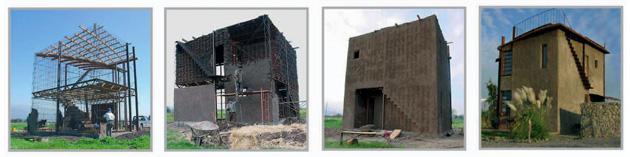
Tecnobarro and Quincha Metálica

Usualmente, cuando se habla de construcción con tierra cruda, se piensa inmediatamente en la construcción con “adobe”, sin embargo ambos términos no son sinónimos: el adobe es una de las tantas técnicas de construcción con tierra. Entre algunas de ellas destacan las tradicionales y más utilizadas en nuestro país, como lo son el tapial y la quincha, y otras técnicas mixtas nuevas, como el denominado tecnobarro y la quincha metálica.

Proyecto Hornero

Proyecto Hornero es un grupo interdisciplinario que aborda la construcción con materiales naturales y el manejo sustentable de energía. Surgió en mayo del 2002 como iniciativa de un grupo de estudiantes de Agronomía y Arquitectura de la Universidad de la República (UdelaR), respondiendo a la situación generada por el tornado que destruyó infraestructuras de la zona granjera del sur de Uruguay. [ Blog ]

Earth Architecture and Wine

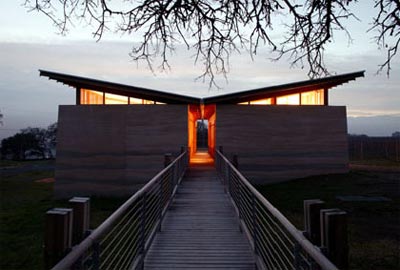
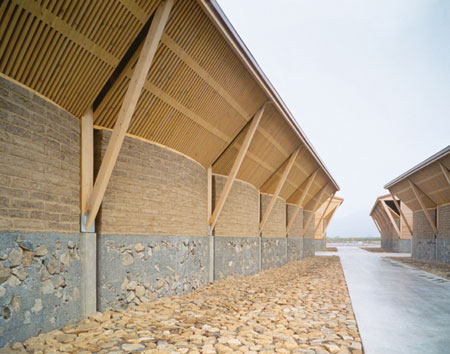
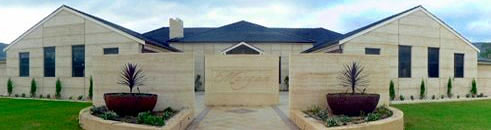
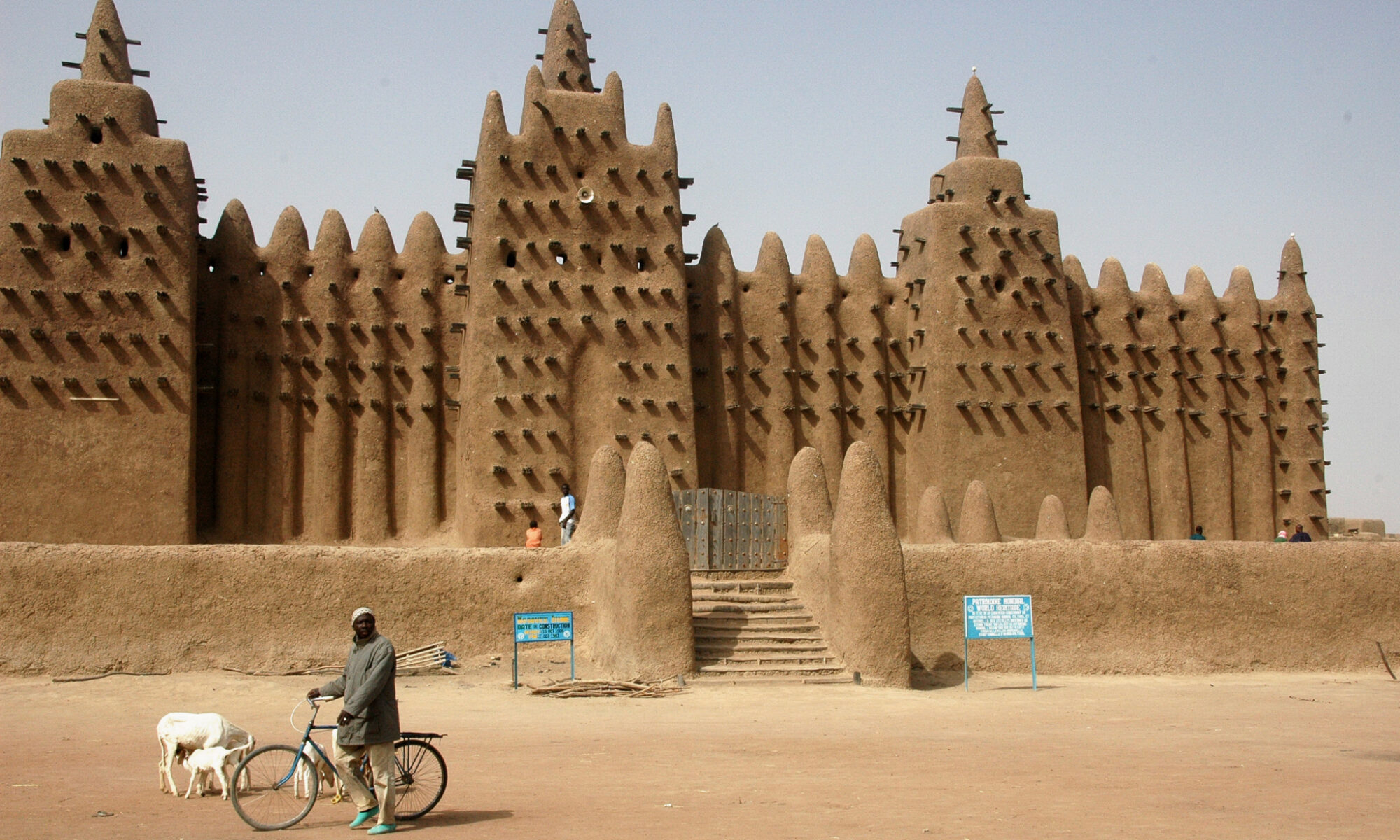
Many wineries and residences among vineyards employ earth in the construction of buildings. Often, the same earth to grow grapes is ideal for use as a building material.


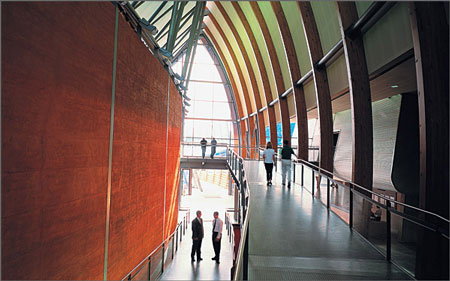
National Wine Centre


Vineyard Residence


Residence at Meteor Vineyards


Bodega en Los Robles


Margan Tasting Room and Restaurant

The list goes on and on: [ Fetzer Winery Administration Building | Moorooduc Estate | Texas Hills Vineyard | Adinfern Estate | Wing Canyon Vineyard | Home Hill Winery ]

4,000 Year Old Temple Unearthed in Peru

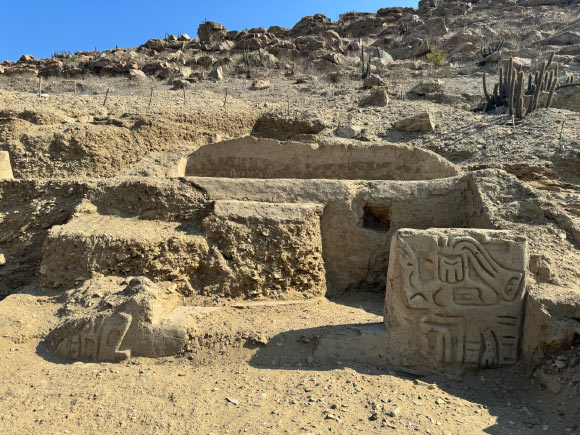
A 4,000-year-old ceremonial temple and associated performance space was recently uncovered at the archaeological site of La Otra Banda in the Zaña Valley, located in the Lambayeque region of northern Peru. The excavation, conducted in 2024 and led by archaeologist Luis Muro Ynoñán of the Field Museum and the Pontifical Catholic University of Peru, revealed the remains of a complex constructed primarily from mud and clay, buried beneath layers of sand.

The structure dates to approximately 2000–3000 BCE and is considered one of the earliest known examples of monumental religious architecture in the Andean region. It significantly predates later civilizations such as the Moche, Nazca, and Inca, including Machu Picchu by roughly 3,500 years.

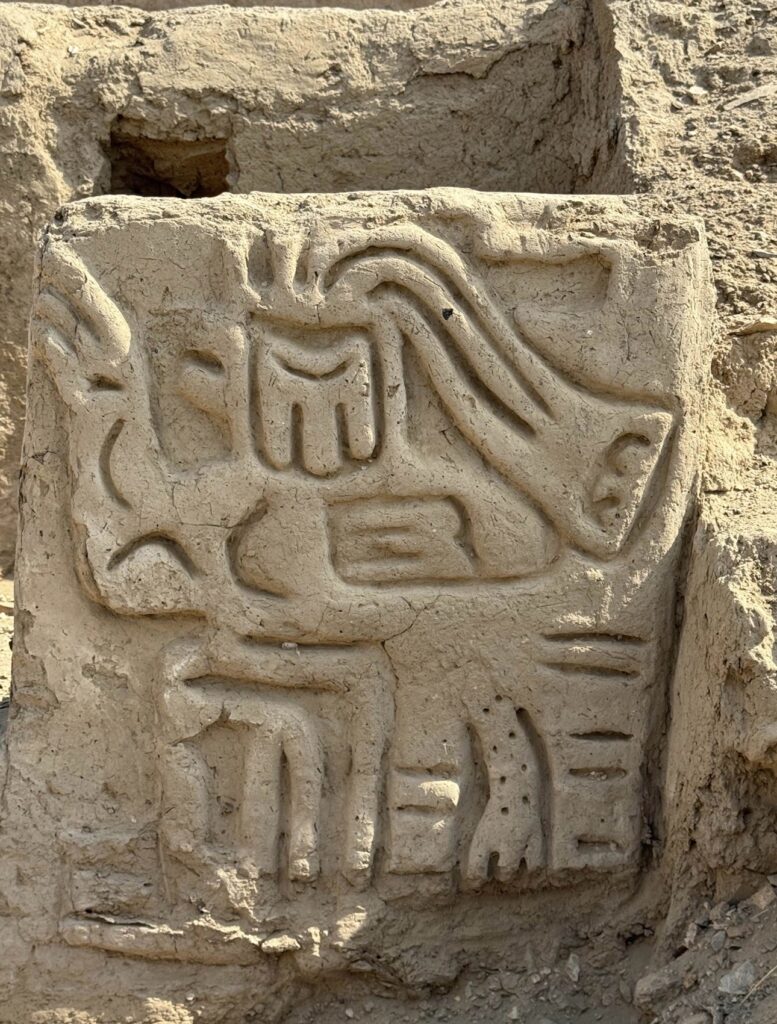
Excavations revealed enclosed temple spaces alongside a small theater-like area featuring a stage platform and staircase, suggesting that the site was used for ritual performances, possibly for a restricted audience. Decorative elements include high-relief carvings of mythological figures, notably anthropomorphic beings with human bodies and bird-like features, which provide evidence of early symbolic and cosmological systems.

Archaeologists also discovered the skeletal remains of three individuals within the temple, one of whom appears to have been buried with offerings, indicating ritual funerary practices associated with the site.

This discovery offers important insight into the emergence of organized religion in the Andes, suggesting that complex belief systems and ceremonial architectures were already developing in the region during the Initial Period. It highlights the role of architecture as a medium for ritual, performance, and social organization in early human societies.

https://scitechdaily.com/far-older-than-machu-picchu-scientists-discover-stunning-ancient-temple-in-peru/

The Peru Earthquake


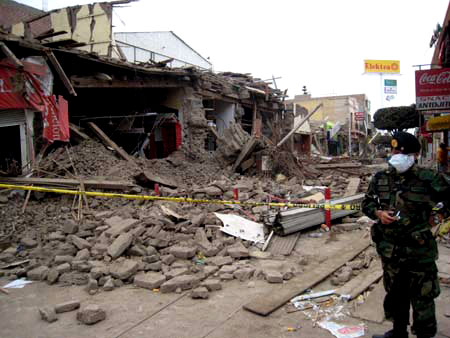
photo by Marcial Blondet

On Wednesday evening an 8.0 earthquake struck central Peru, devastating the Ica region of the Andean country. The official death toll from this unfolding disaster currently stands at 502 [as of 16 Aug — Ed.]; around four hundred of these were residents of Pisco, a city of over 100,000 near the epicenter of the main quake. Pisco is reported to have lost 80 percent of its homes.

Peru’s La Republic reported that Palomino had cautioned and warned homeowners not to rebuild their homes on their own despite the fact that they may have no other choice after so much neglect. Despite this, citizens in Pisco, Peru are informally building adobe houses as a way of recovering after the earthquake.

Dr. Marcial Blondet, a professor of at the Pontificia Universidad Catolica de Peru, an expert on seismic design for earthen buildings has written Earthquake-Resistant Construction of Adobe Buildings: A Tutorial as well as a number of important text on the performance of mud brick in earthquake zones, particularly in Peru. More resources about earthen architecture in seismic zones and the Peru earthquake can be found at the Earthquake Engineering Research Institute website.

Earth Architecture in Uruguay

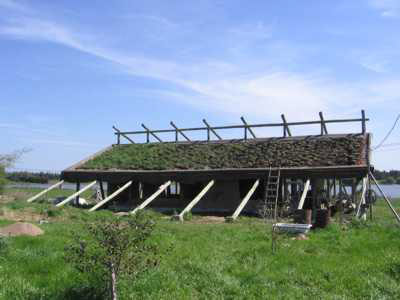
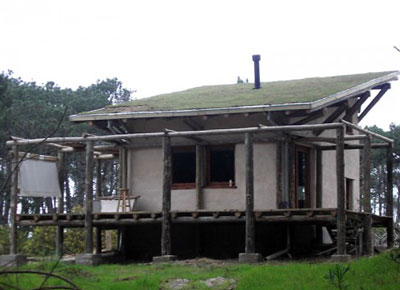
Uruguayan architect Andrés Nogués documents the design and construction of a unique log/mud brick house, la Casa de Adobes en La Juanita (above), as well as providing thoughtful essays on the subject of earthen architecture and links to various earth related sites on his blog, Arquitectura de Tierra en Uruguay. [Spanish Language website]

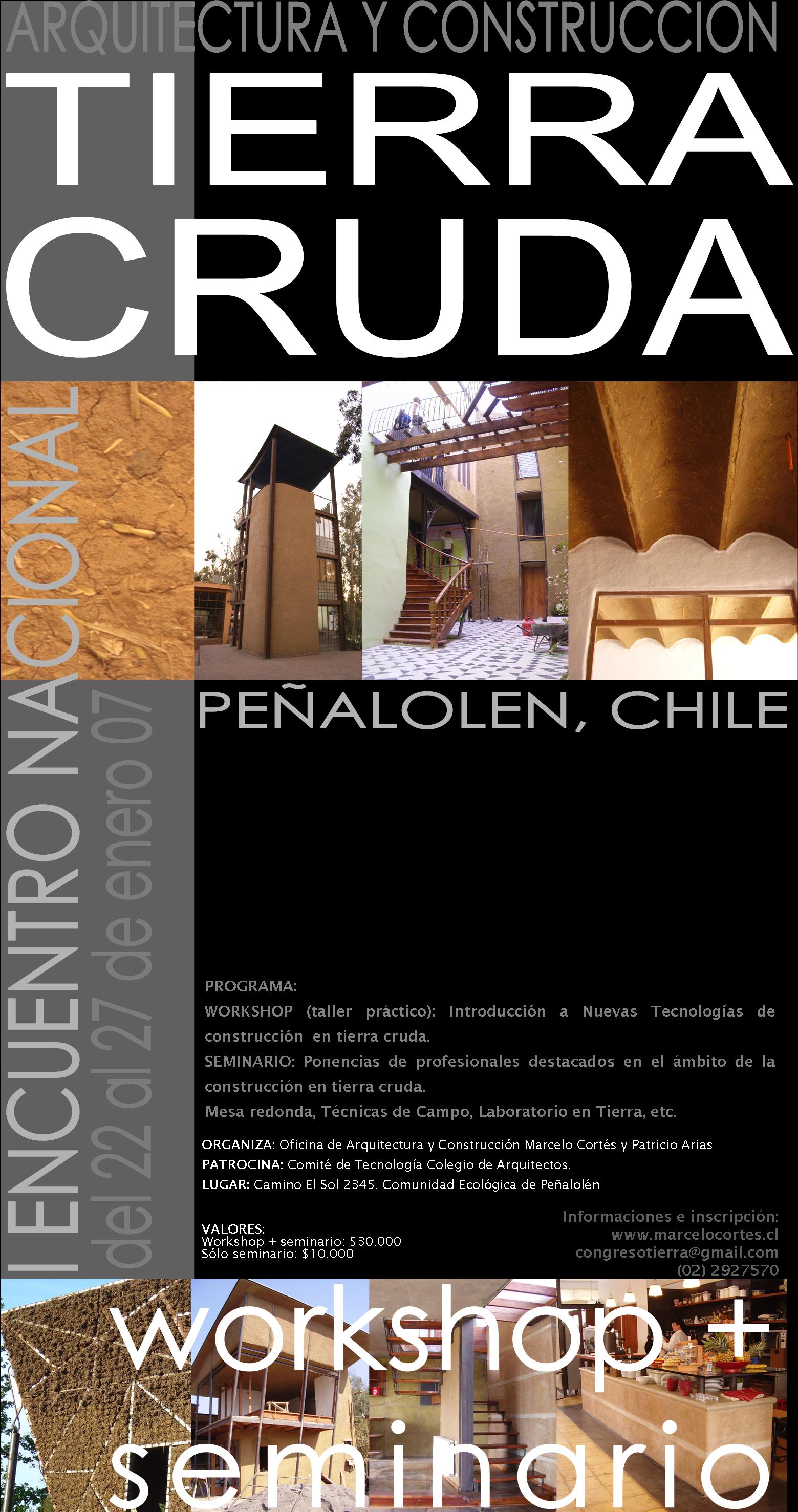
Seminario y Workshop: Arquitectura y Construcción en Tierra Cruda

ARQUITECTURA Y CONSTRUCCIÓN EN TIERRA CRUDA
22 al 27 de Enero. Comunidad Ecológica de Peñalolén, Santiago, Chile.

ORGANIZA: Oficina de Arquitectura y Construcción, Marcelo Cortés y Patricio Arias.
PATROCINA: Comité de Tecnología del Colegio de Arquitectos de Chile.

PRESENTACIÓN

El Encuentro Nacional de Arquitectura y Construcción en Tierra Cruda, nace con la idea de reunir en un mismo espacio, tanto a profesionales de la construcción con tierra cruda, como a personas provenientes de distintas disciplinas, interesadas en aprender y compartir experiencias, sobre las técnicas y posibilidades que entrega este material, en el campo de la construcción.

El objetivo del encuentro, es profundizar sobre las nuevas tecnologías constructivas empleadas actualmente en la construcción en tierra – las cuales se gestan a partir de reinterpretaciones de las técnicas tradicionales-, a la vez que abrir un diálogo sobre las ventajas que posibilita este material, como sobre las problemáticas que enfrentan en nuestro país, las construcciones patrimoniales construidas en tierra cruda.

[ descarga afiche ] Continue reading “Seminario y Workshop: Arquitectura y Construcción en Tierra Cruda”