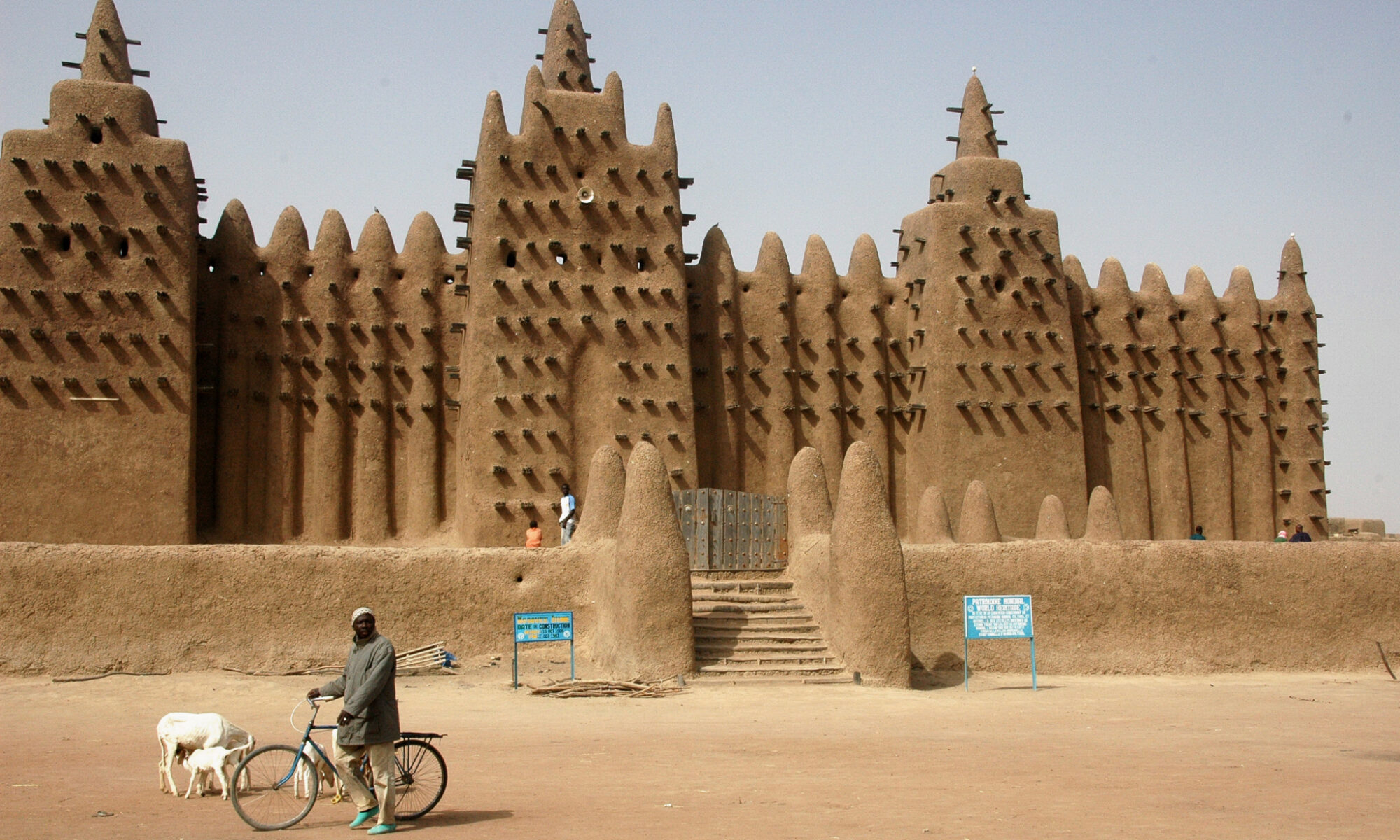
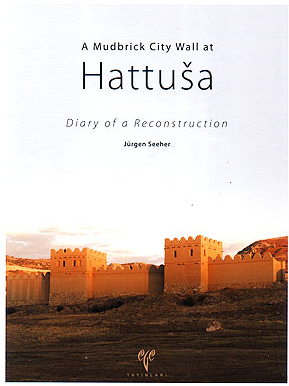
A Mudbrick City Wall at Hattuša

Situated in Central Anatolia, Hattuša remained the capital city of the Hittites from 1650/1600 to around 1200 BC. Here, as recently as 2003 to 2005, the German Archaeological Institute has rebuilt one stretch of the mudbrick city wall. The scope of this project in experimental archaeology has been to recreate a part of the wall using the same materials the Hittites had at hand when they built their original walls so long ago. Each step necessary for the construction was fully documented so as to enable us to assess not only the amount of building materials required but also the manpower and time the Hittites must have invested in the various tasks of construction.

This volume presents the results gleaned from this documentation. From the production of the first mudbrick to the dedication of the finished structure, each and every undertaking has been described in detail and is presented here accompanied by 573 illustrations.

For more information visit:

German Institute of Archaeology (In english, german and turkish)

Hattuscha-webpage (in English, German and Turkish)

This book is published also in German and Turkish:

Die Lehmziegel-Stadtmauer von Hattusa
Bericht über eine Rekonstruktion
ISBN 978-975-807-194-7

Hattusa Kerpic Kent Suru
Bir Rekonstrüksiyon Çal??mas?
ISBN 978-975-807-193-9
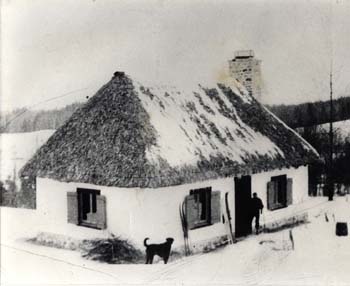
Ontario Rammed Earth House

The unusual “Mud House” house was constructed in King City, Ontario in 1937 by Blair Burrows, a remarkable woman architect from Toronto, using only local materials and without cutting down any trees. She built the house entirely by hand, of pisé de terre (rammed earth). Original features include the two-foot thick, rot-free walls and a monumental hearth.

Save the Heritage of Hassan Fathy

Save the Heritage of Hassan Fathy is an International Association based in Geneva (Switzerland), founded in February 2008 to safeguard the heritage of the Egyptian architect, Hassan Fathy.
His works constitute a patrimony of outstanding value which belongs to the cultural world heritage. The Association’s objectives are the following:

  • Raising the awareness of the public opinion about the importance of the work of the Egyptian architect
  • Providing a platform of exchanges between the concerned Institutions (public and private) and Universities
  • Promoting protection and conservation projects to safeguard this outstanding heritage

New Orleans Marine Hospital 1867 was Rammed Earth


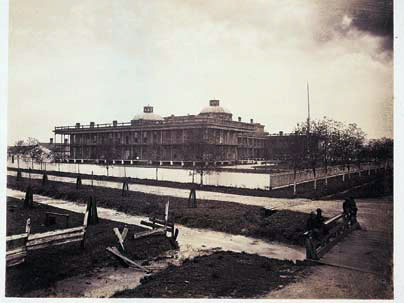
The all-iron Marine Hospital, innovative in its day, yet doomed by construction costs. Photo / Theodore Lilienthal

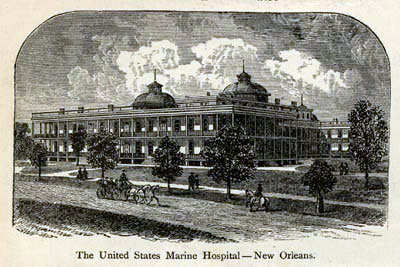
A new book of essays, New Orleans 1867: Photographs by Theodore Lilienthal, on rediscovered photographs of New Orleans in 1867, written by the curator of architecture and design at the MIT Museum, shows how the city tried to rebuild its economy and retrieve its prestige in the aftermath of war. One of the photographs is of a vast, domed building under construction at the edge of the city turned out to be the Marine Hospital, New Orleans’ version of Boston’s Big Dig. The iron building, insulated with rammed earth, was thought to be lighter and therefore better suited to swampy local conditions, as well as fireproof. The proposal was innovative but the technology was costly, a sinkhole of federal money. Never completed, eventually demolished, the hospital was one of the most advanced buildings of its time, but it has been forgotten today.

World’s Oldest Mural is on a Mud Brick Wall

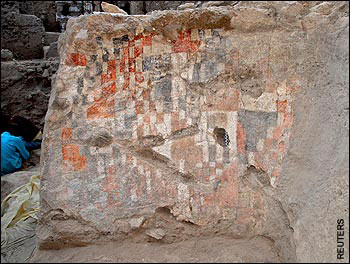
French archaeologists have discovered an 11,000-year-old work of art in northern Syria which is the oldest known wall painting, even though it looks like a work by a modernist. Rectangles dominate the ancient painting, which formed part of an adobe circular wall of a large mud brick house with a wooden roof. The dating makes the designs at least 1500 years older than wall paintings at Çatalhöyük, the famous 9500-year-old Turkish village, among one of the first towns.