
DeRoche Projects was founded in 2022 by Glen DeRoche after a decade-long stint at Adjaye Associates. After leaving Adjaye Associates and completing his M.Arch at The Bartlett School of Architecture, Glen relocated to Ghana where he began working with Jurgen Benson-Strohmayer. Now building his own practice, De Roche’s work places an emphasis on heritage, sustainable construction, and community. With a background in photography it comes as no surprise that his practice now works between Architecture and Art- with photography still being a large part of his creative process.


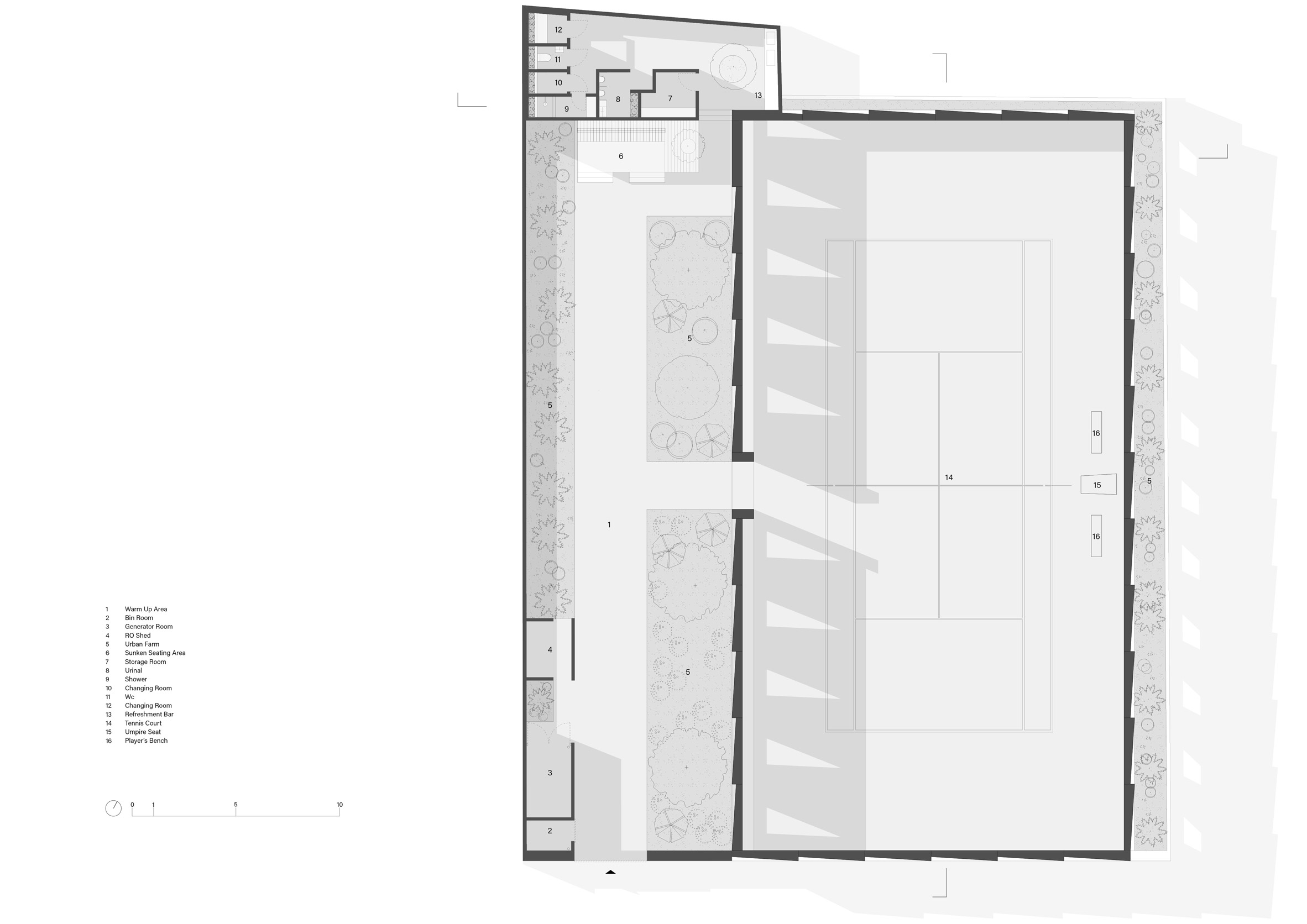
Four- meter rammed earth walls surround the Backyard Community Club’s tennis court in Accra, Ghana. The Backyard Community Club meets a need for public space in, utilizing a site strategy that DeRoche Projects calls “deliberately open-ended, where lines between sport, gathering, learning, and rest are blurred.” The court is bordered on one side by a garden of edible and medicinal plants along with restrooms and changing rooms. The remaining sides are bordered by either concrete or rammed earth walls that meet the surrounding neighborhood. 2

This project is the first instance of precast rammed earth modules in Ghana. Each module was designed with a perforation and taper, this design creates triangular fenestrations across the whole wall. 3

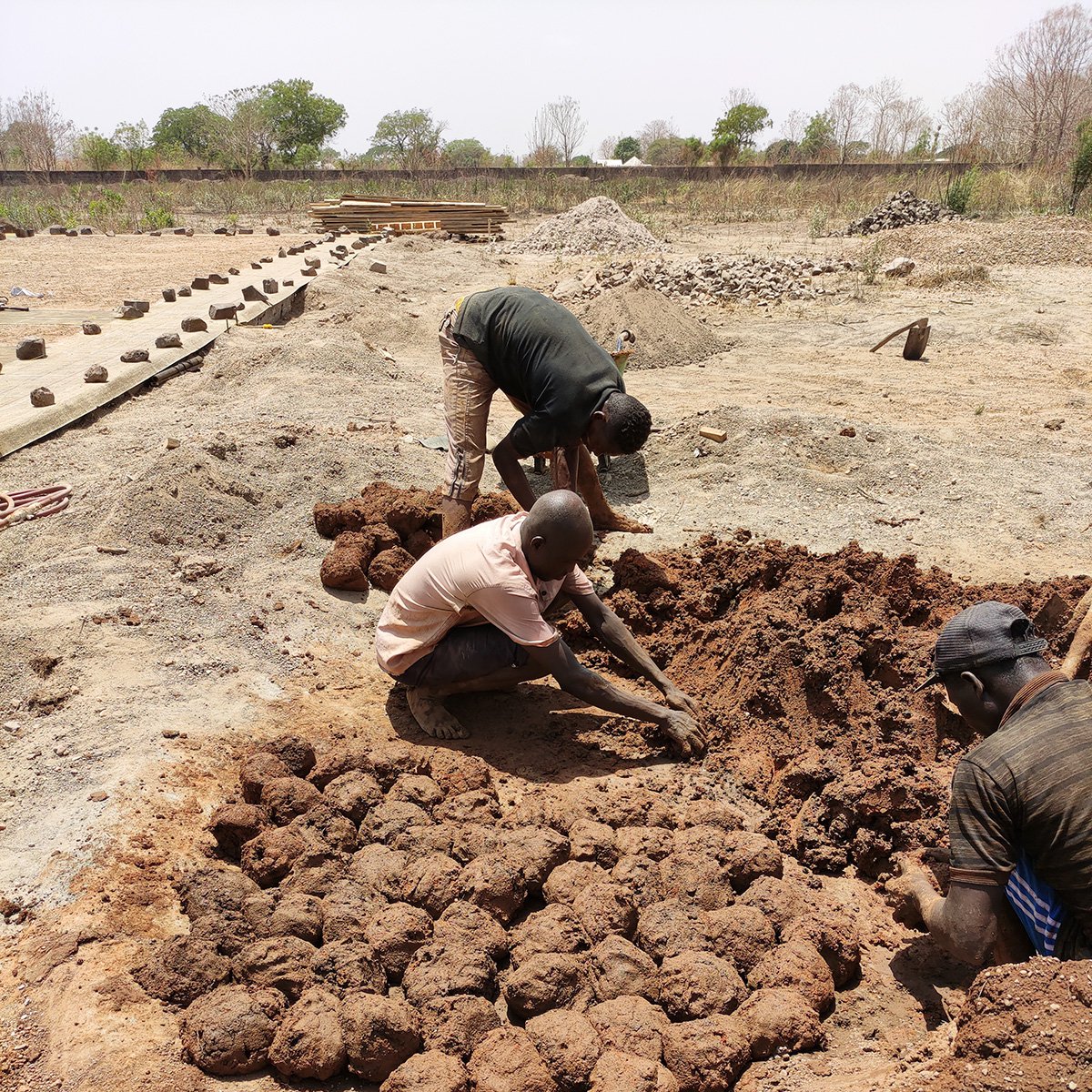
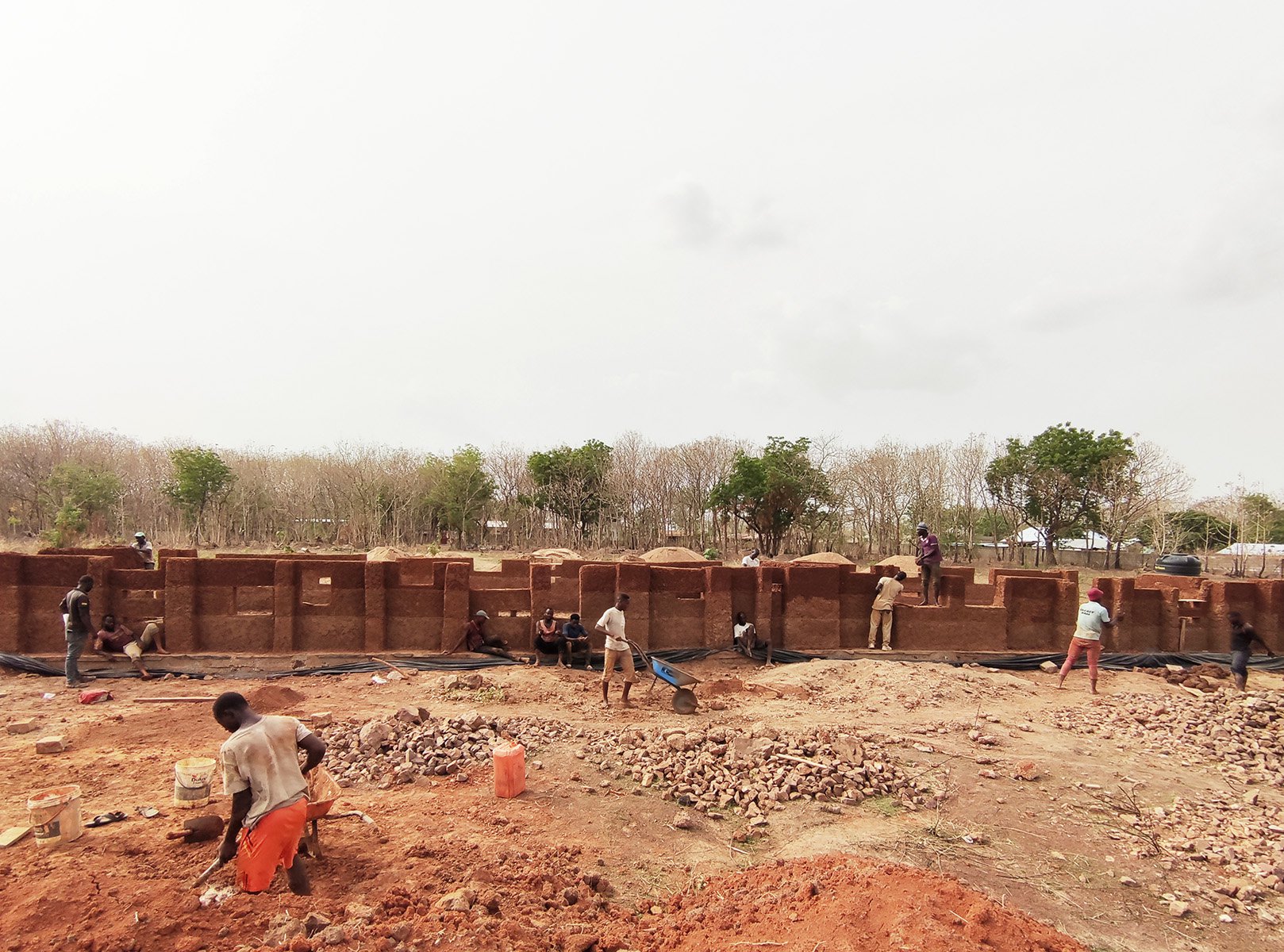
DeRoche’s use of rammed earth walls pulls from a long history of earth building in Ghana. Indigenous peoples in this area typically used wattle and daub as well as the Atakpame method- a way of building with earth creating monolithic earth walls that provided thermal mass to cool interiors. 4 DeRoche also has a personal connection to rammed earth walls, saying in an interview with PINUP, “I see texture as a way of deepening the sensorial qualities of architecture. It allows for depth, richness, and this poetic dance between light and shadow, which create emotive and surreal ways of making and experiencing space.” This is exemplified by the rammed earth modules in this project which cast deep shadows across the tennis court or garden depending on the time of day.

Sources:
- Harvey-Ideozu, Angel. “An Architecture of One’s Own with Glenn DeRoche.” PIN–UP Magazine, PIN–UP Magazine, www.pinupmagazine.org/articles/glenn-deroche-interview
- Dezeen. “DeRoche Projects Encloses Accra Tennis Court with Rammed-Earth Walls.” Dezeen, 17 Nov. 2025, www.dezeen.com/2025/11/17/deroche-projects-backyard-community-club-accra/
- DeRoche Projects. DeRoche Projects, derocheprojects.com/.
- Souza, Eduardo. “Colors Of the Earth: Ghana’s Incredible, Rammed Earth Walls.” ArchDaily, 18 Nov. 2021, www.archdaily.com/914736/colors-of-the-earth-the-incredible-designs-of-rammed-earth-walls-in-ghana
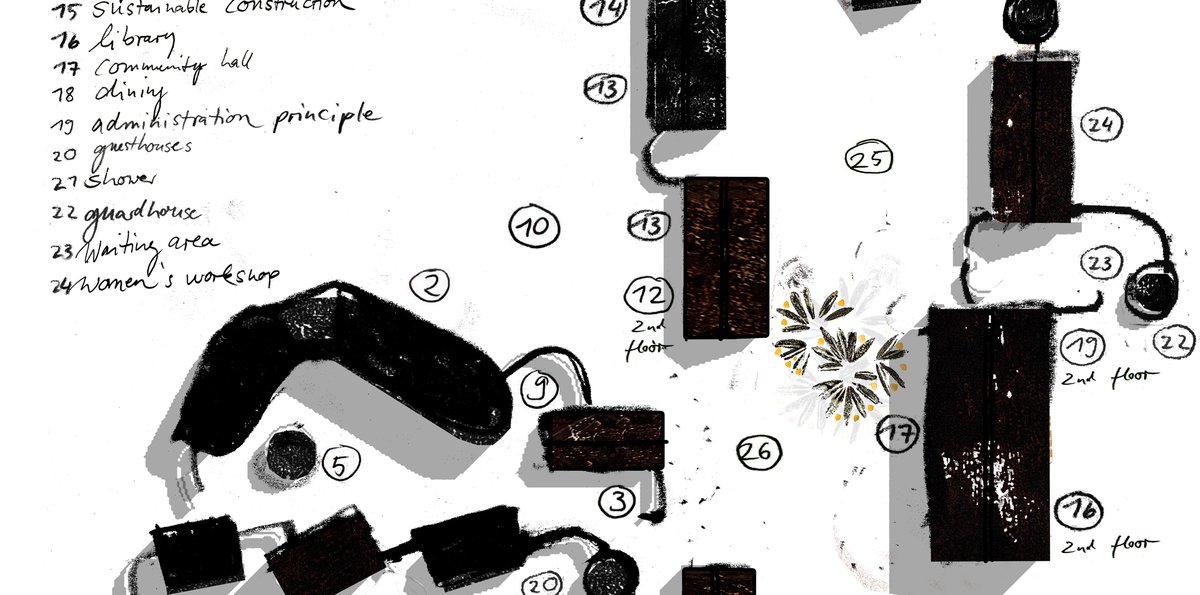
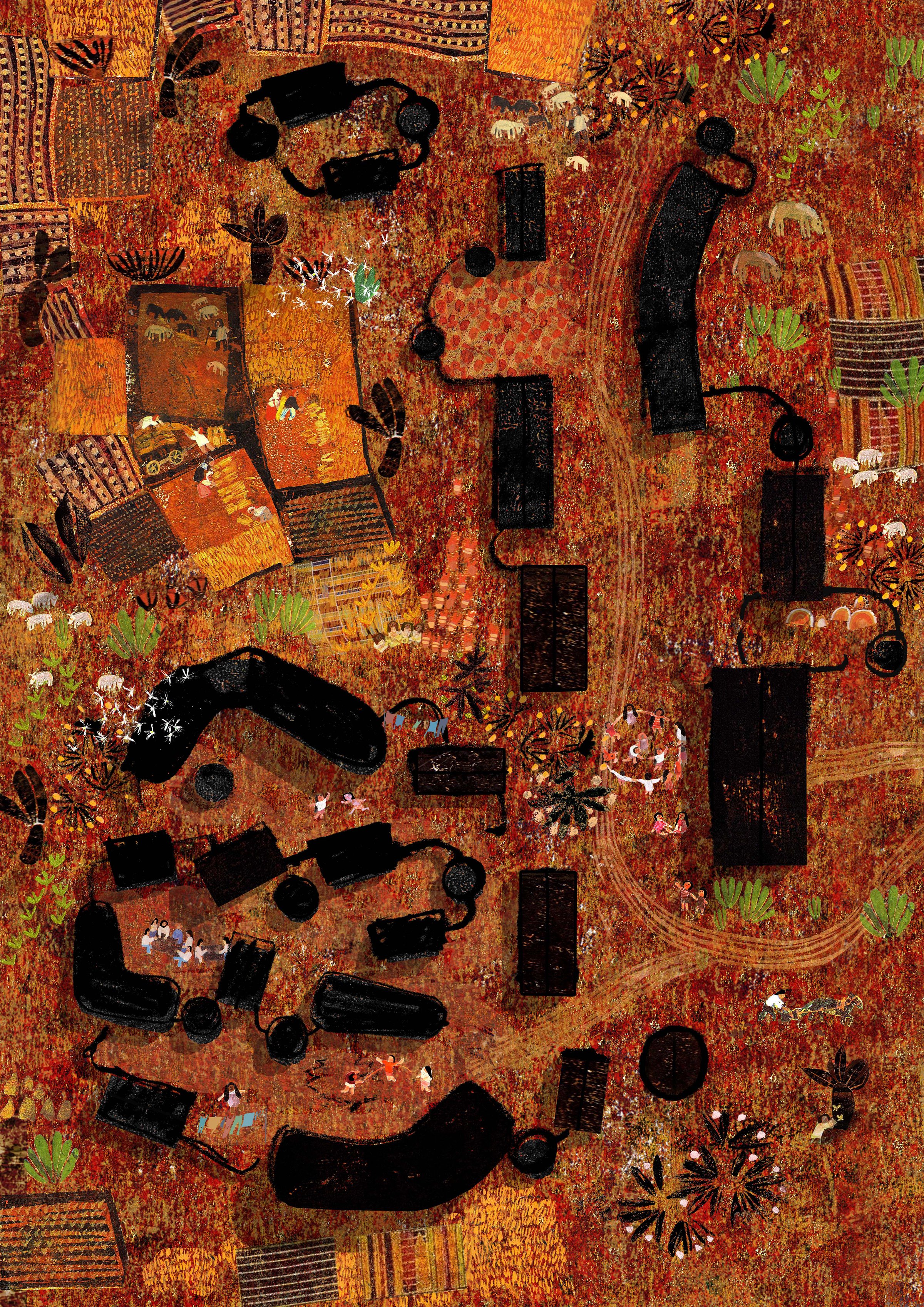
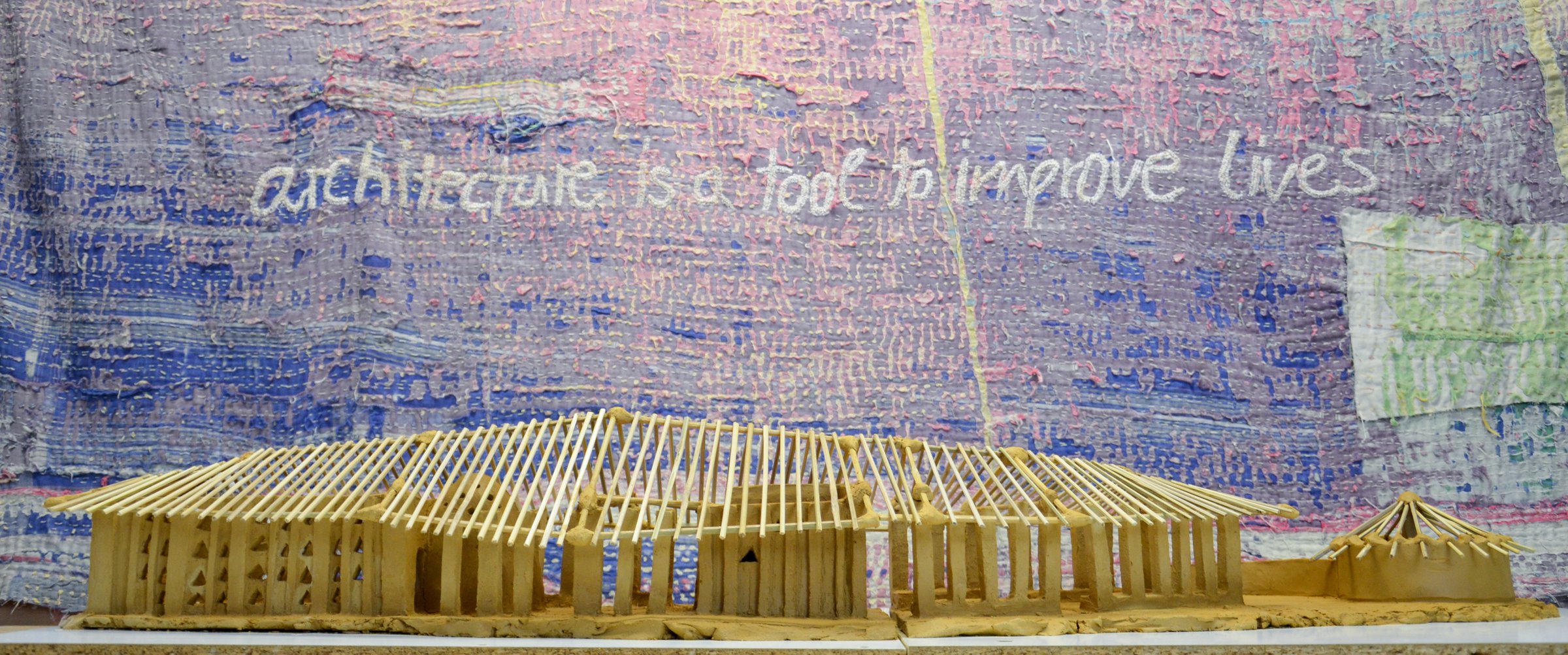 The Earth Campus in Tatale, Ghana, is a vocational training center designed to promote sustainable development through education and practical skill-building in one of Ghana’s rural regions, close to the Togo border. The project focuses on providing young people with the skills needed to support their families and counteract rural exodus. It is operated by the Salesians with the Don Bosco mission, which aims to empower the local community through sustainable techniques and education.