Proto-architectural Regenerative Material Models
Reimagining Architecture Through Earth, Fiber, and Recipe-Based Making
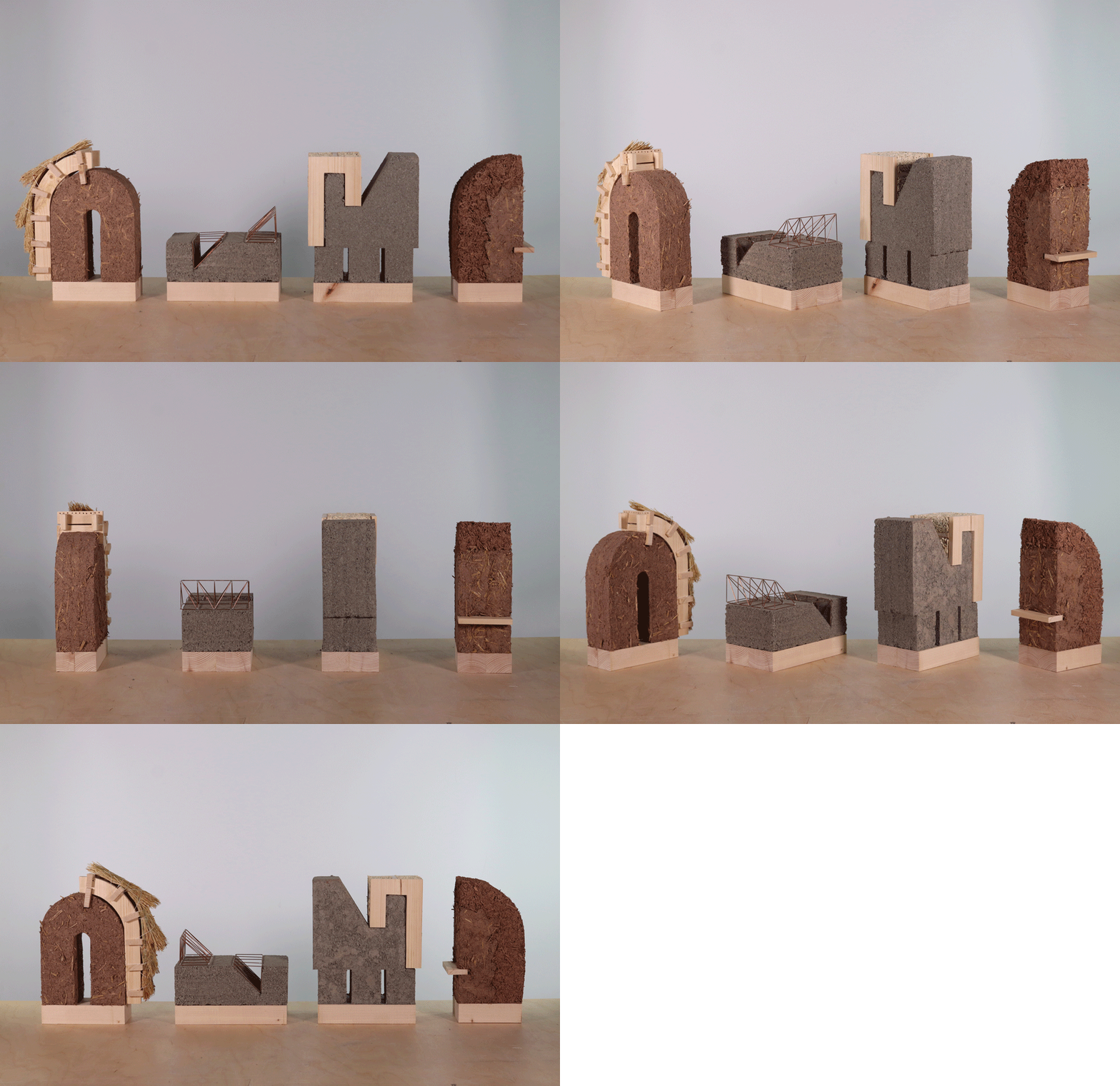
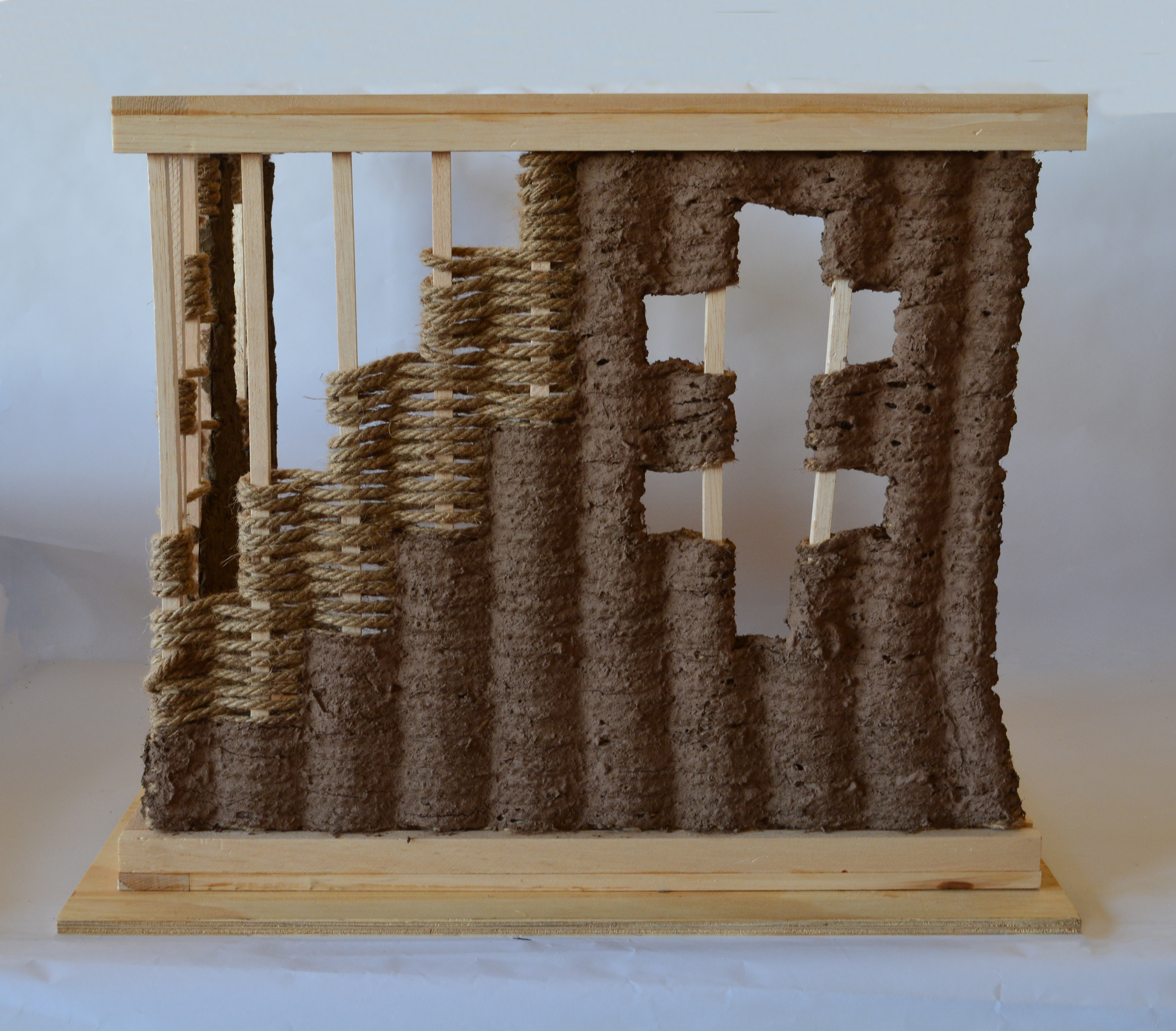
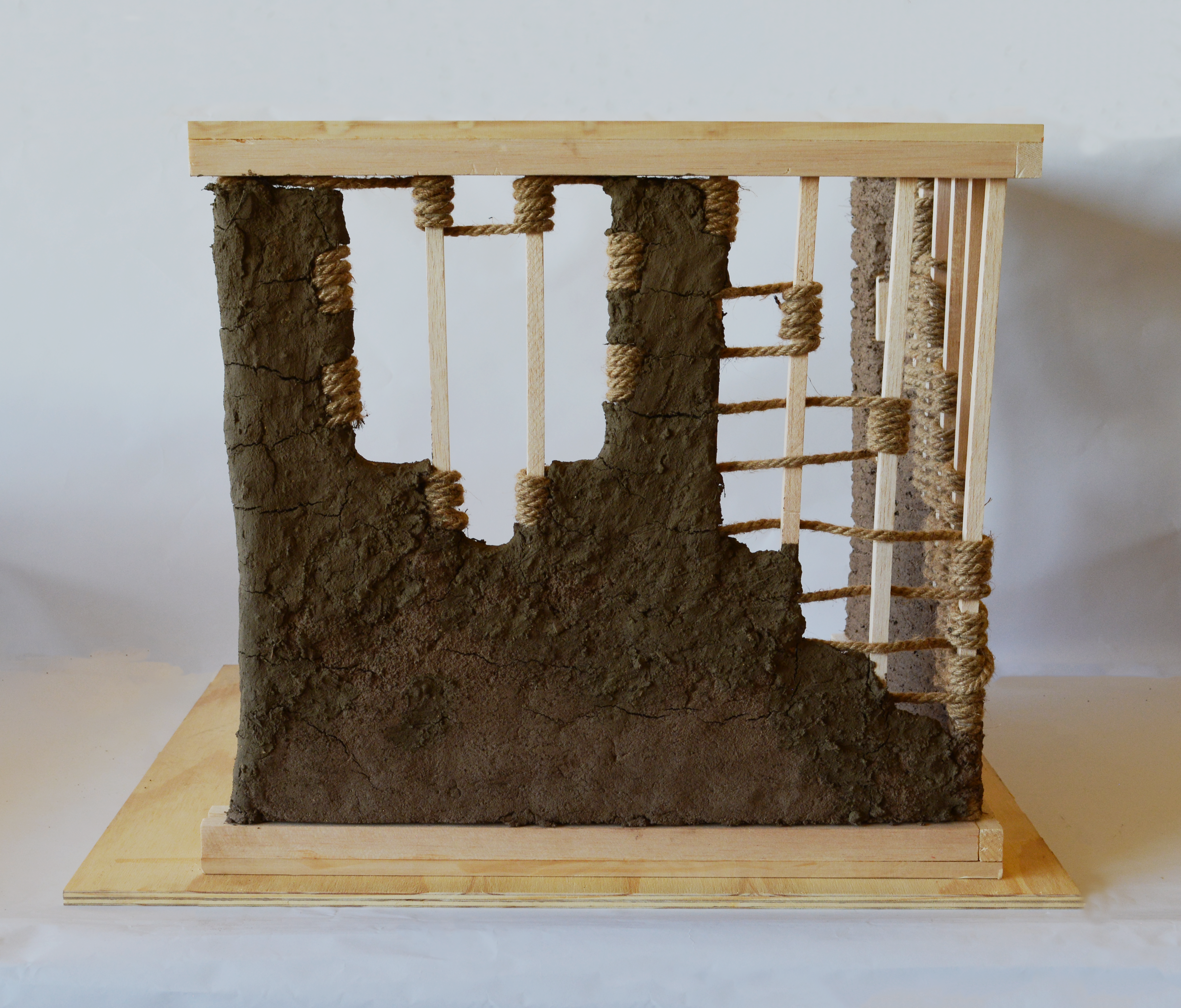
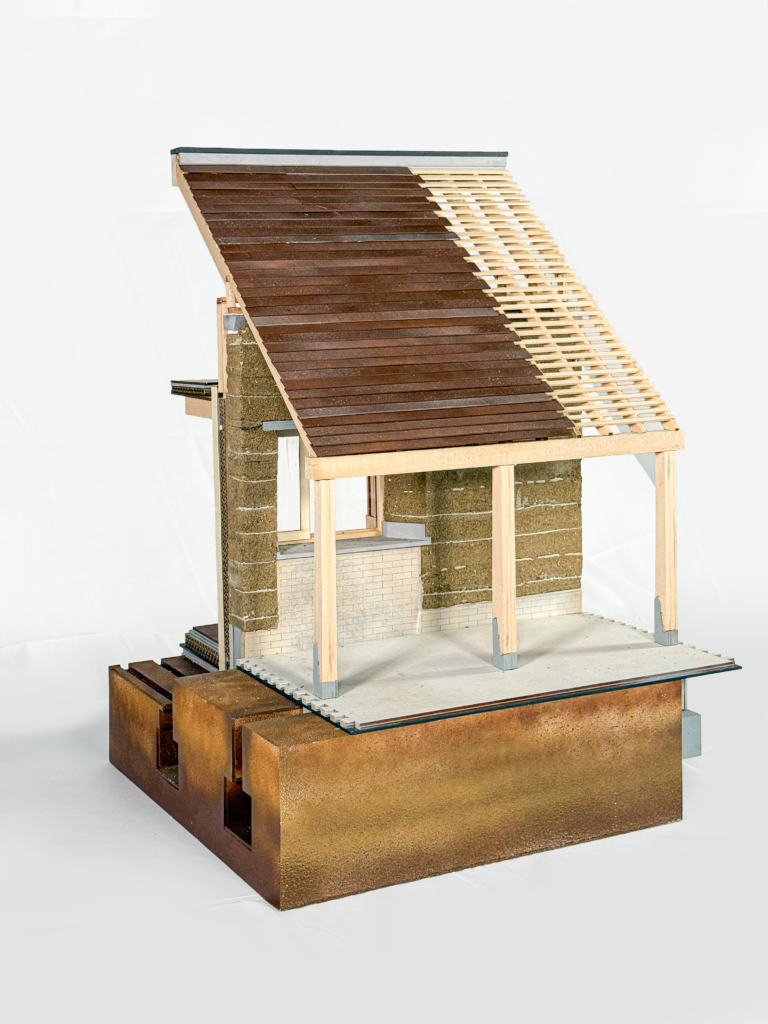
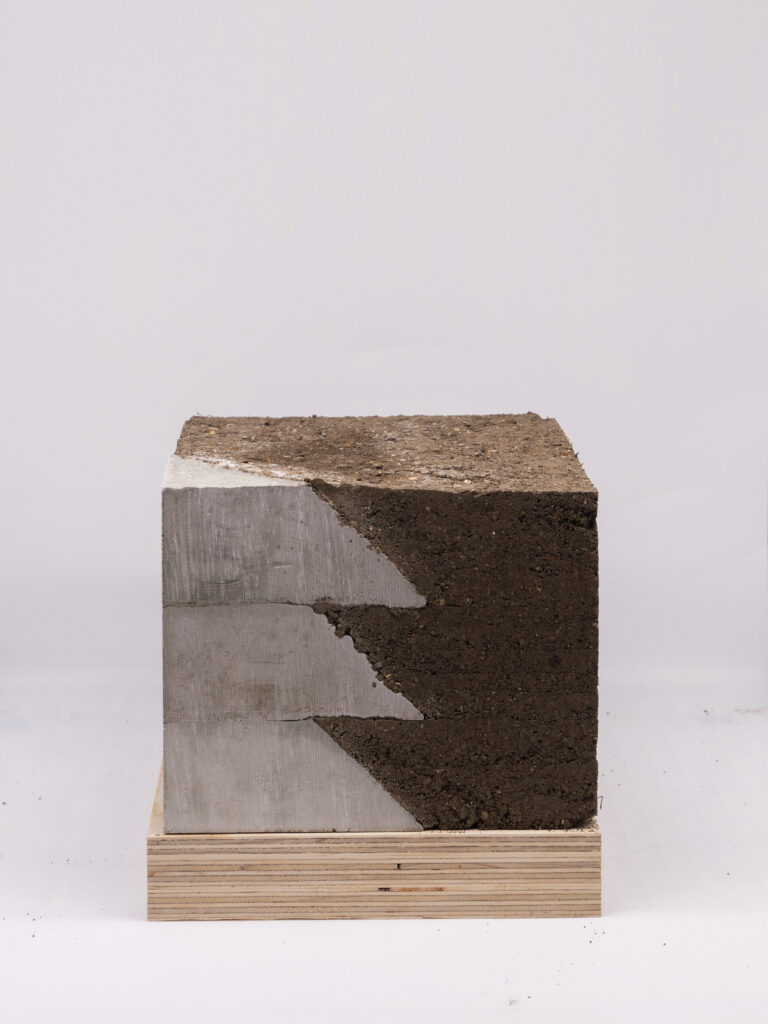
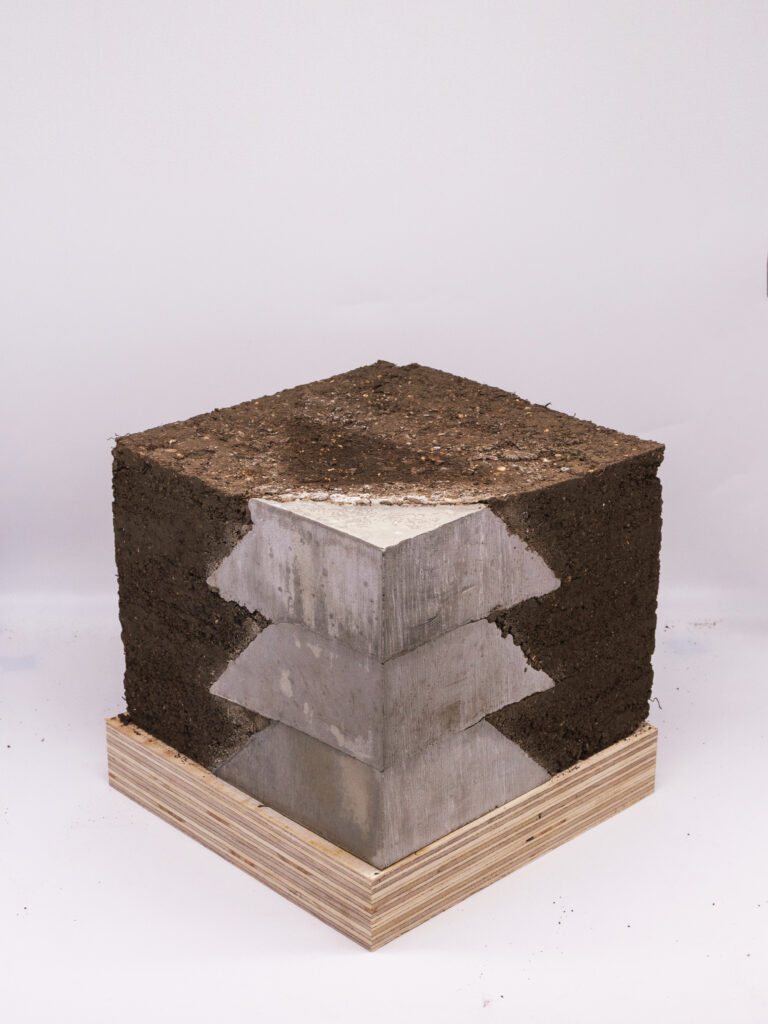
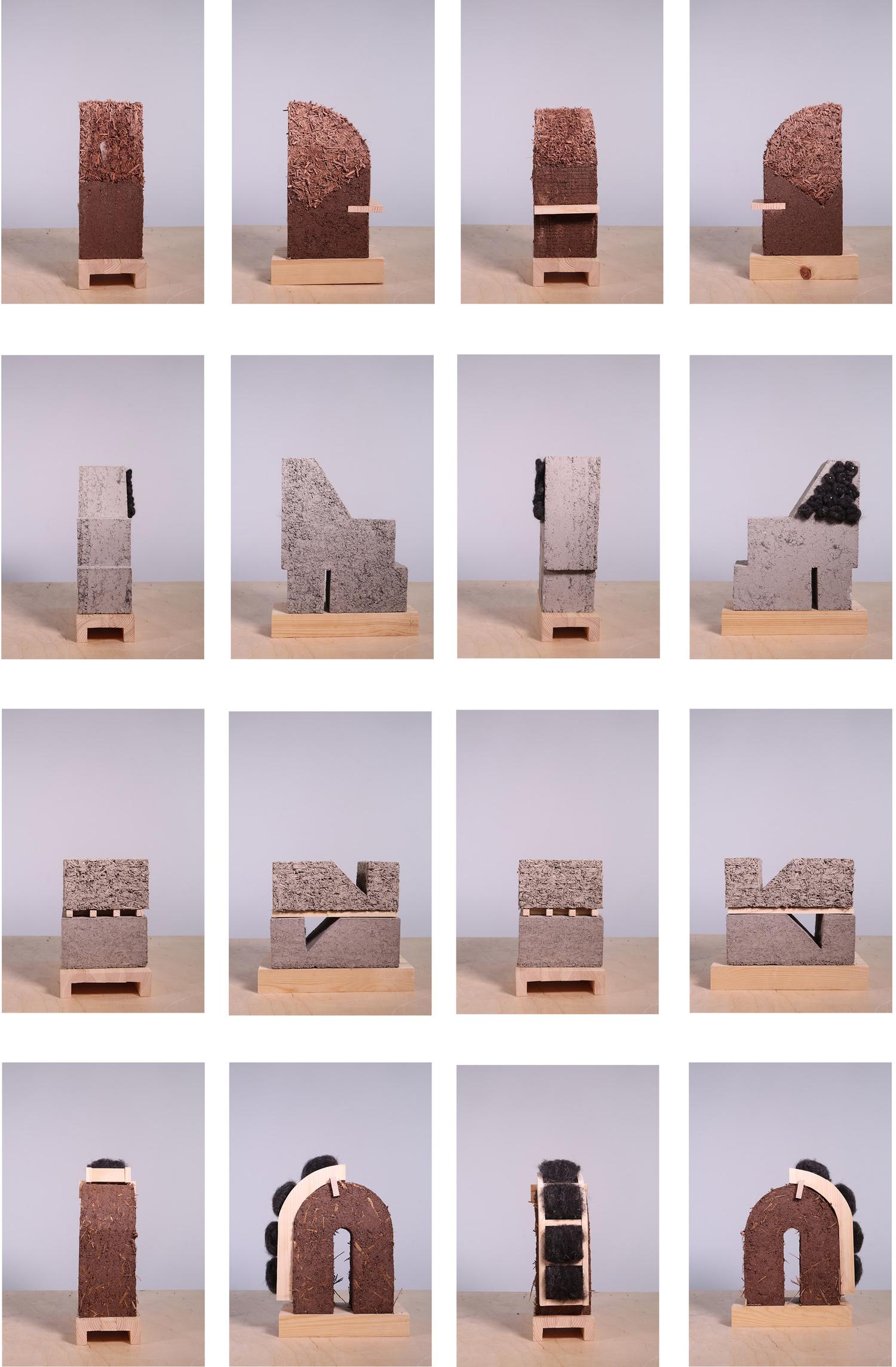
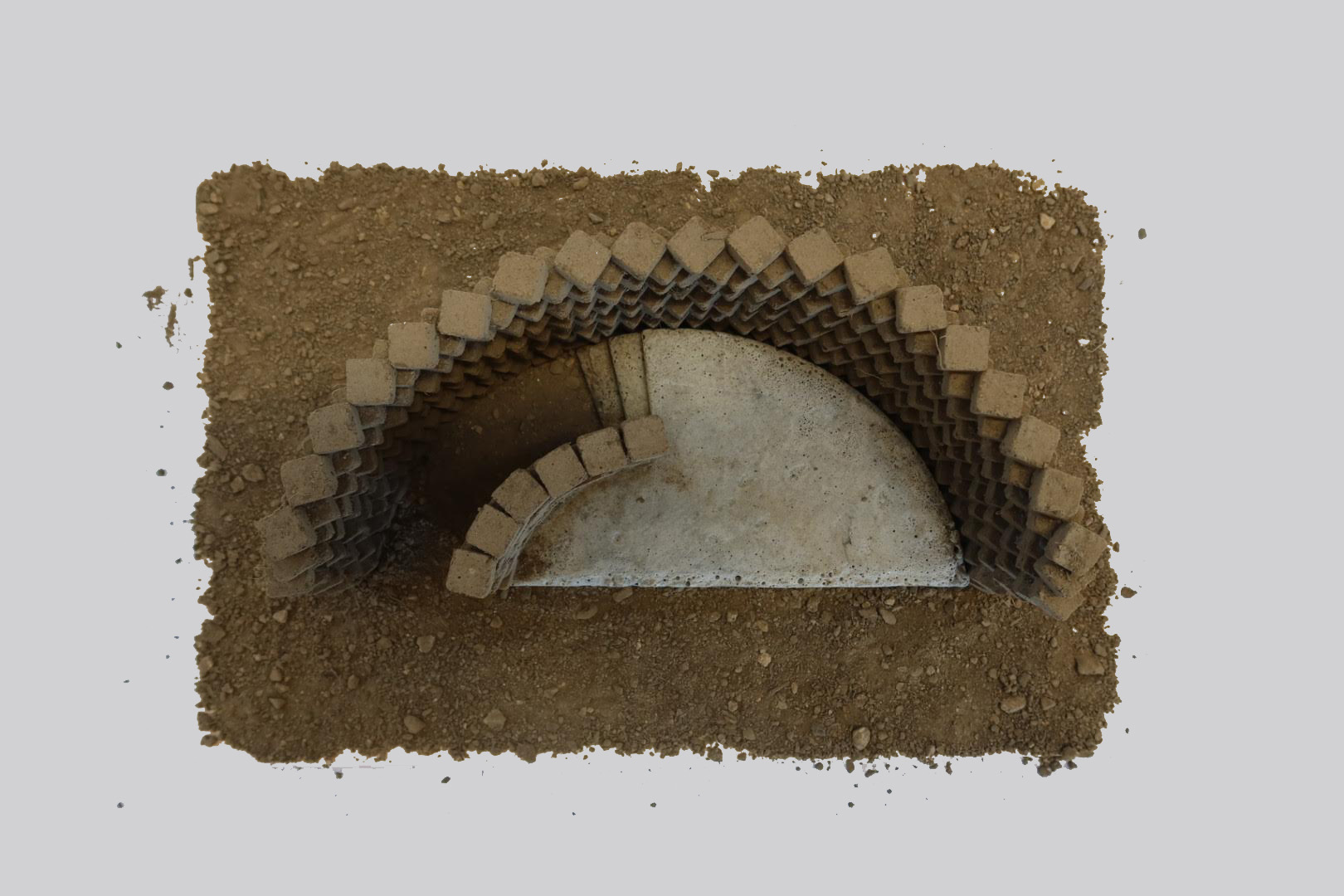
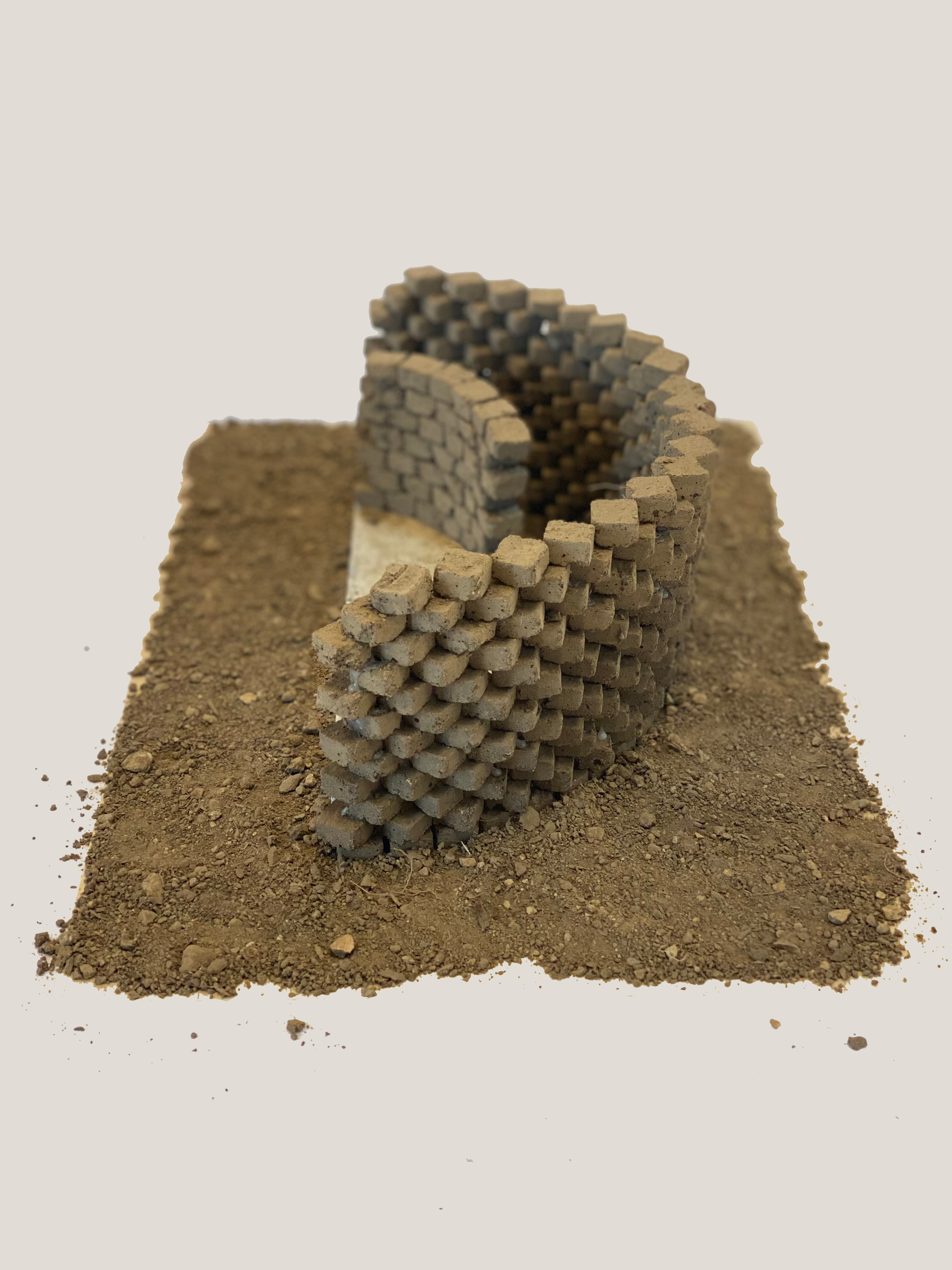
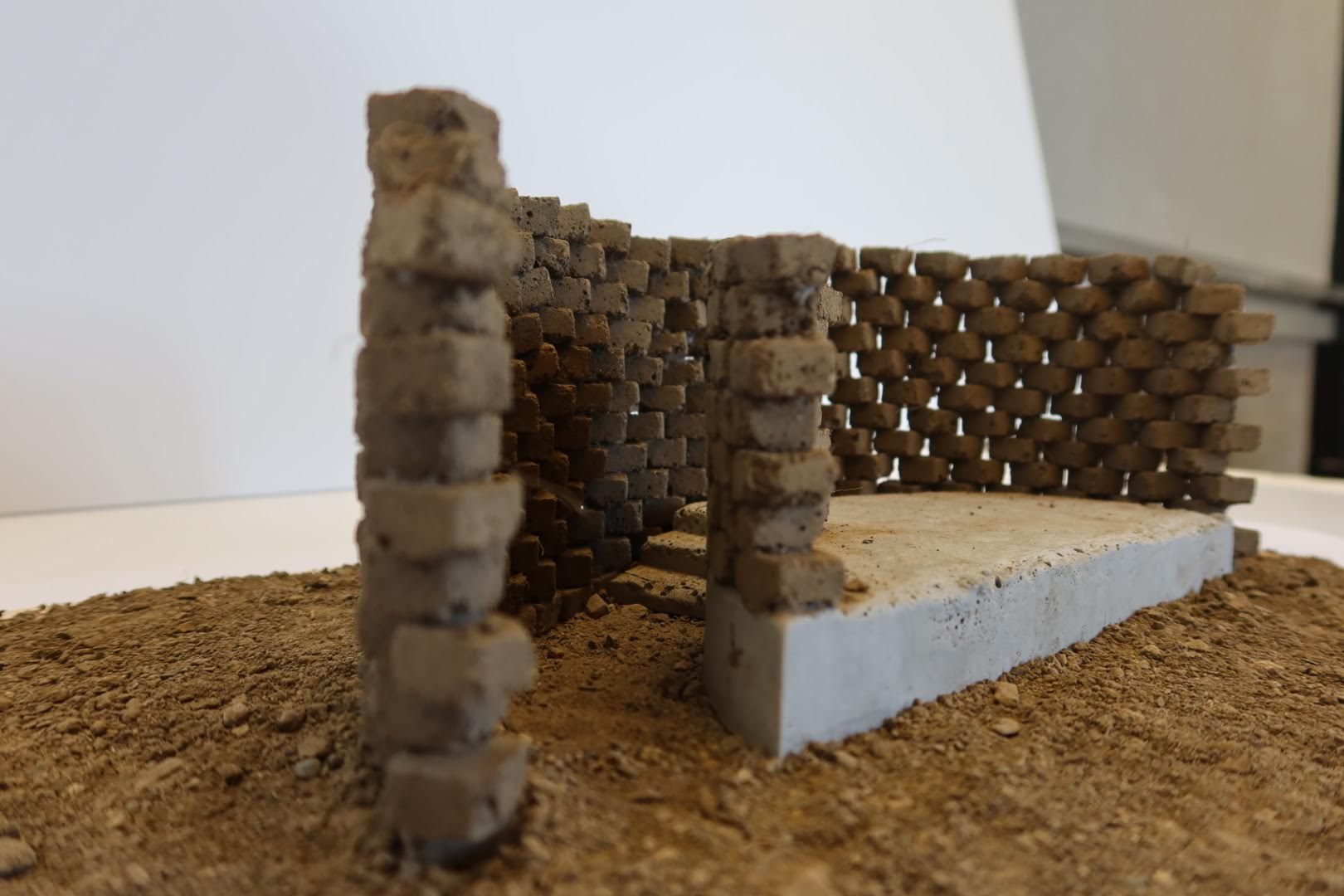
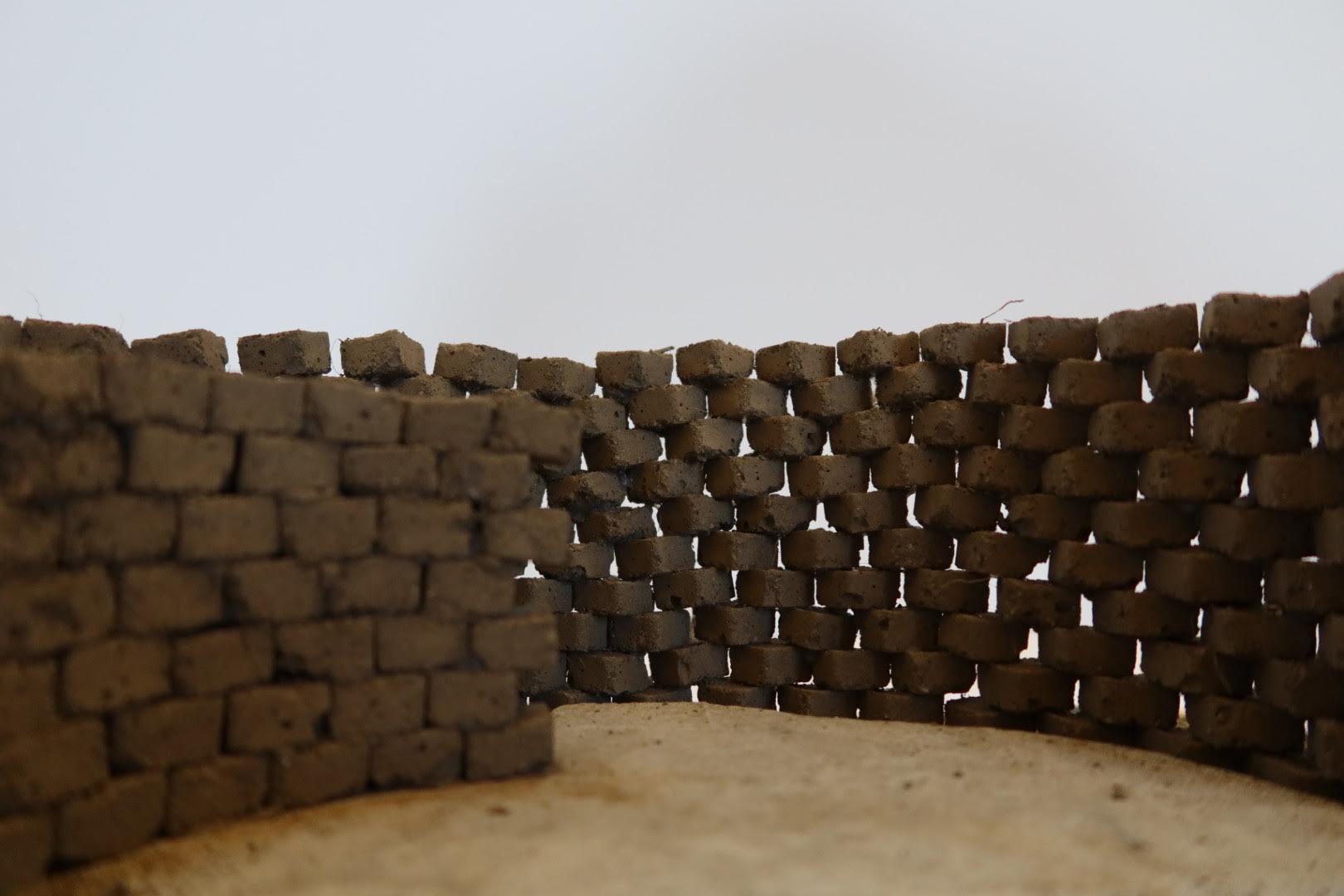
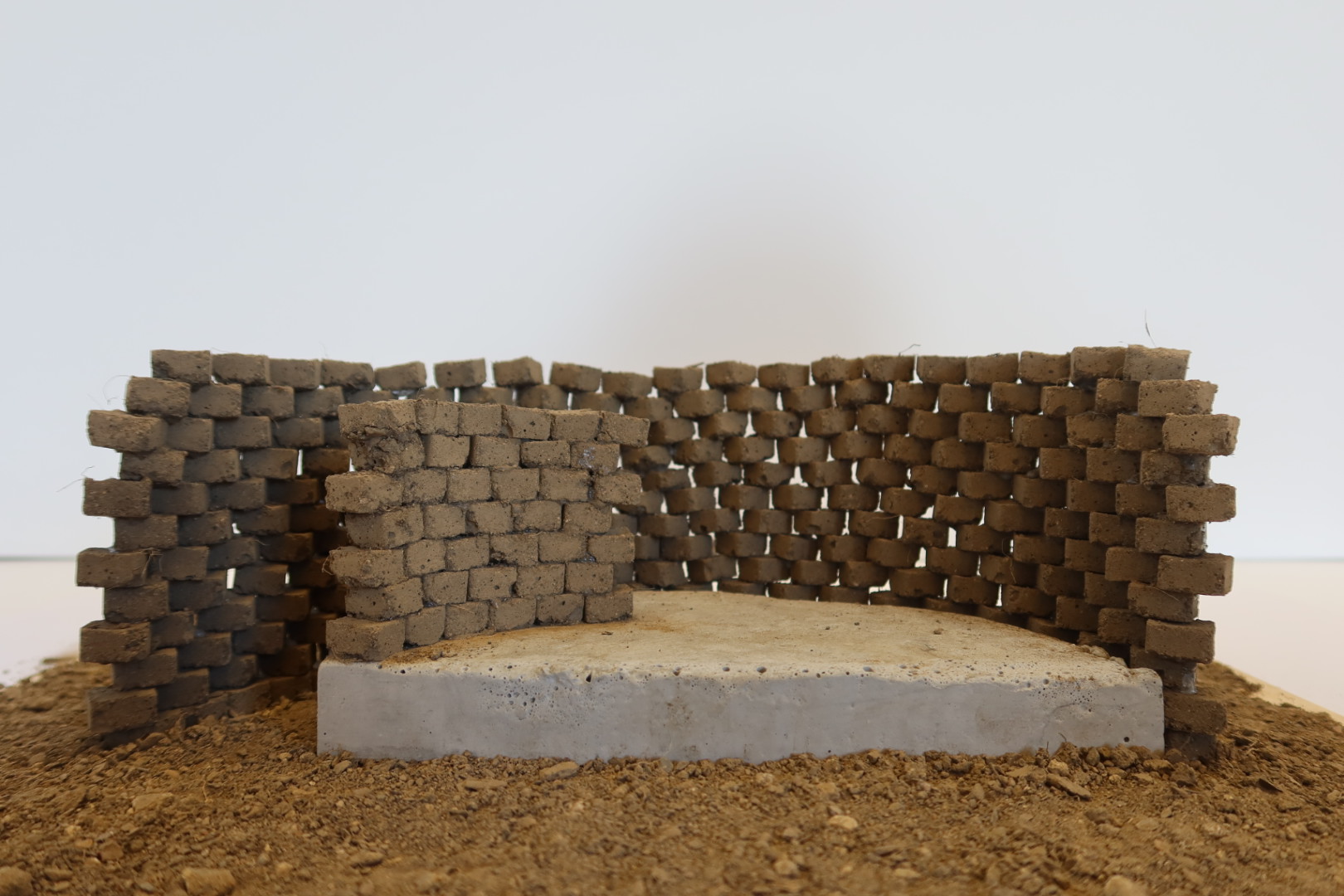
Completed during a Visiting Research Fellowship at University of Edinburgh (2024–2025), Proto-architectural Regenerative Material Models explores a speculative territory between architecture and sculpture. These works resist conventional expectations of scale, program, and durability, instead positioning themselves as material inquiries, asking not what buildings are, but what they could become.
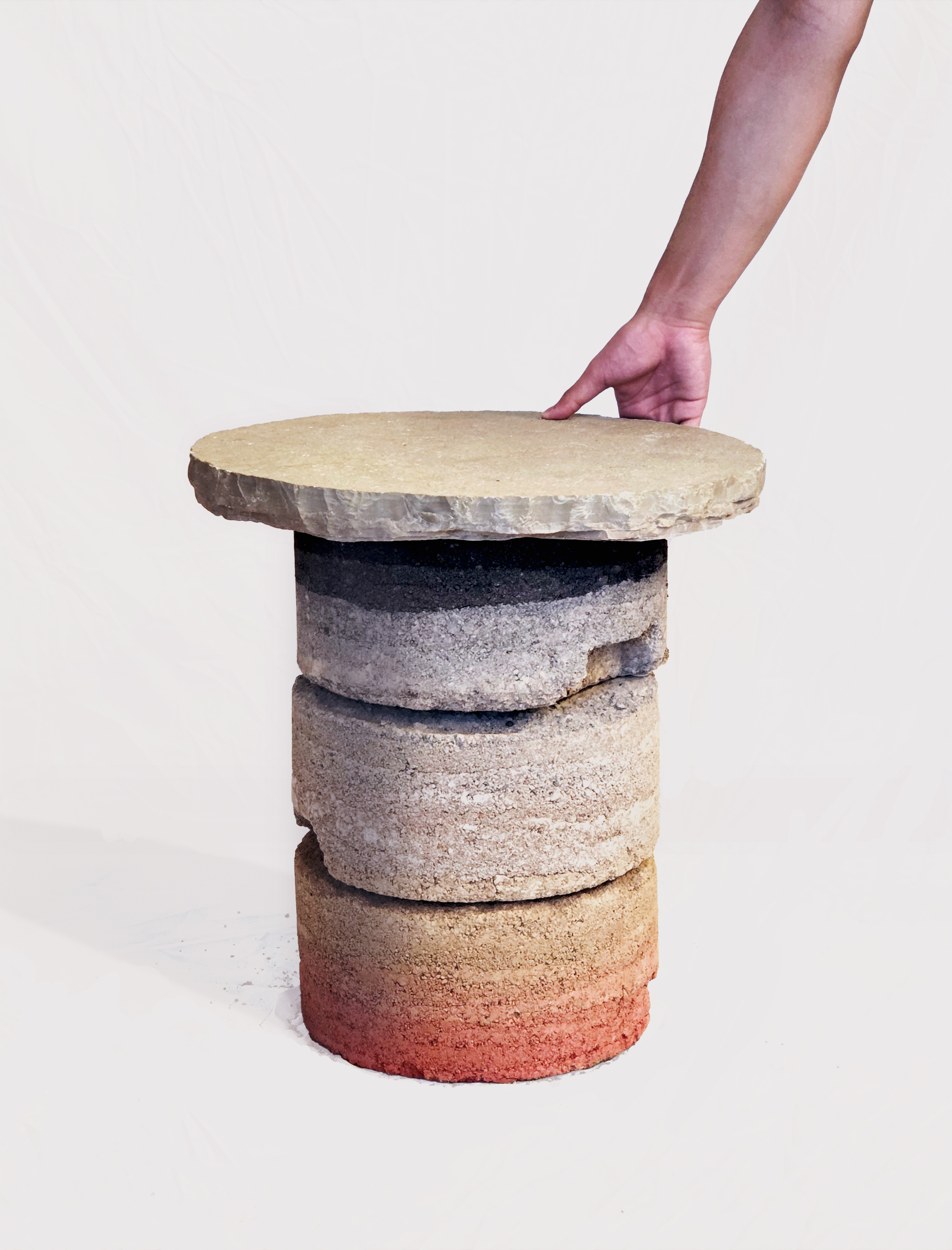
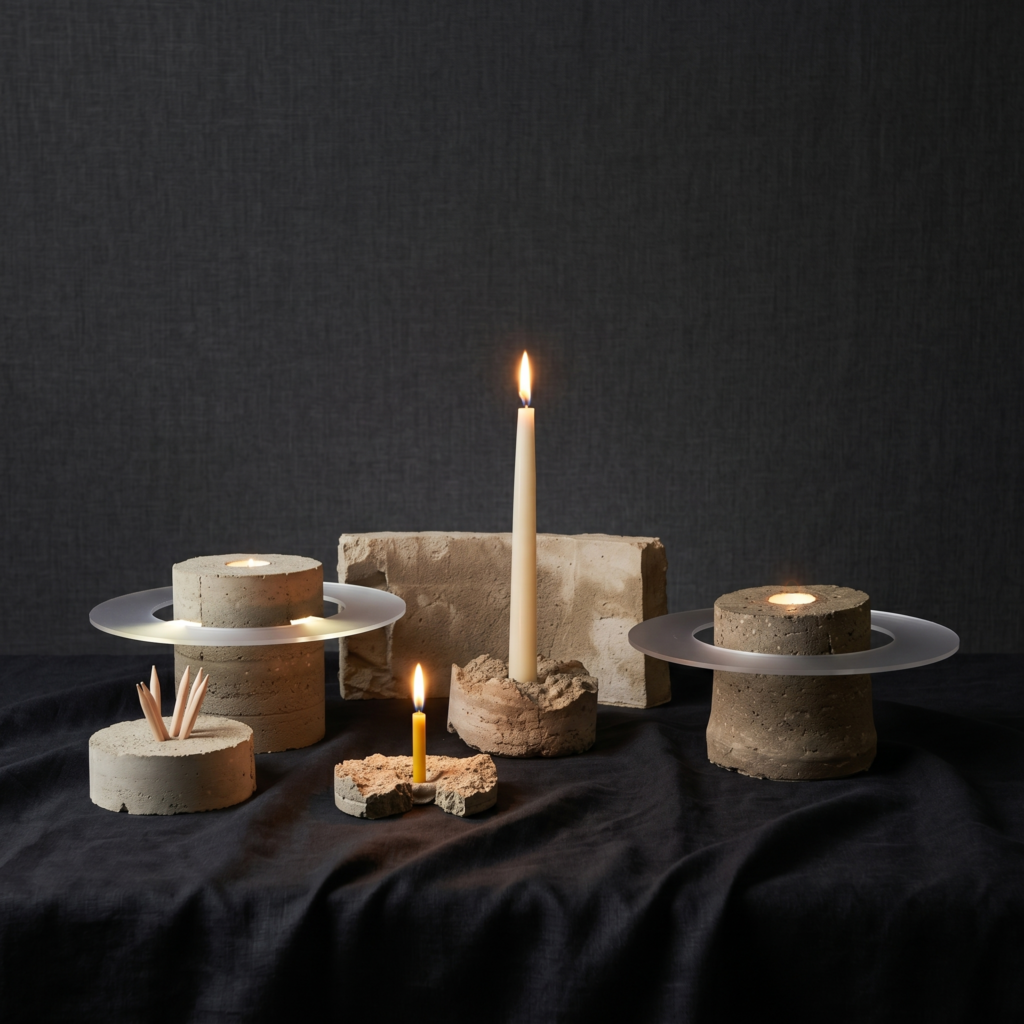
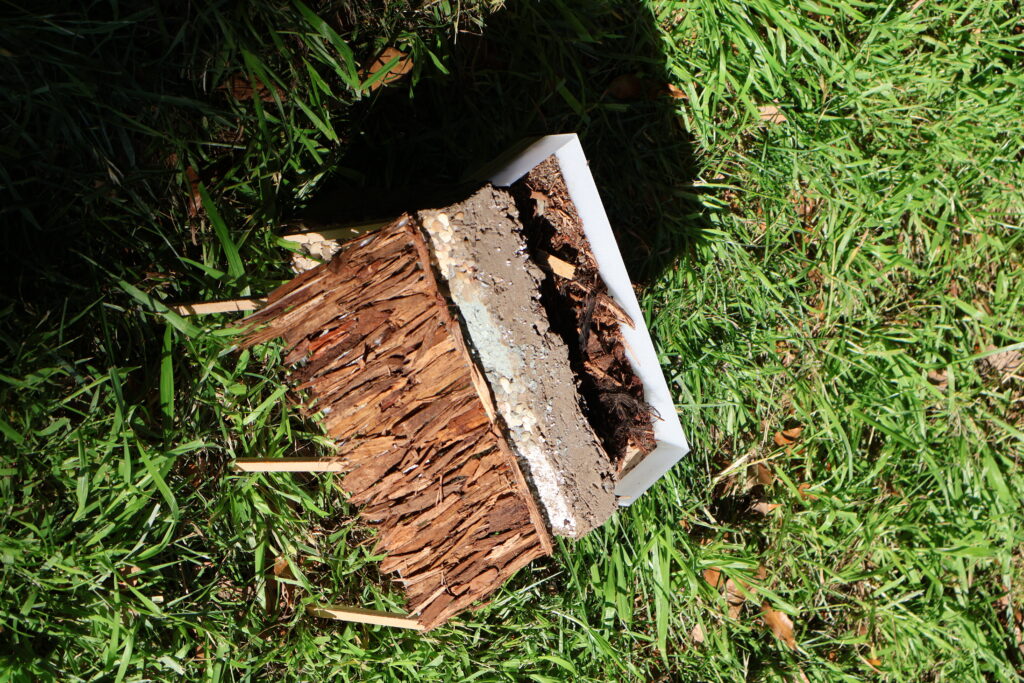
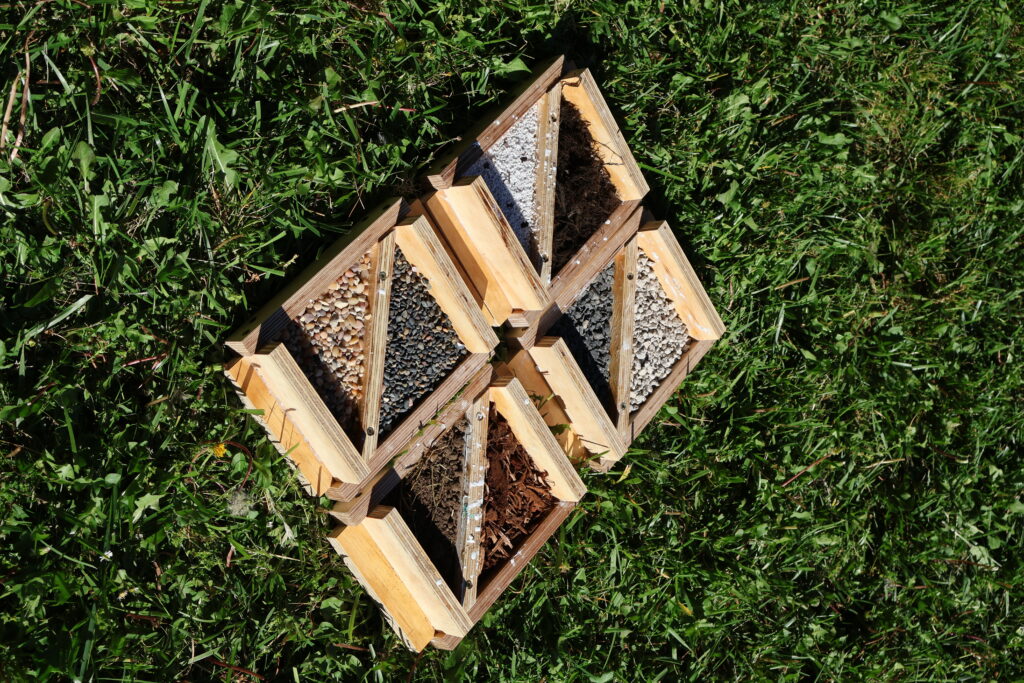
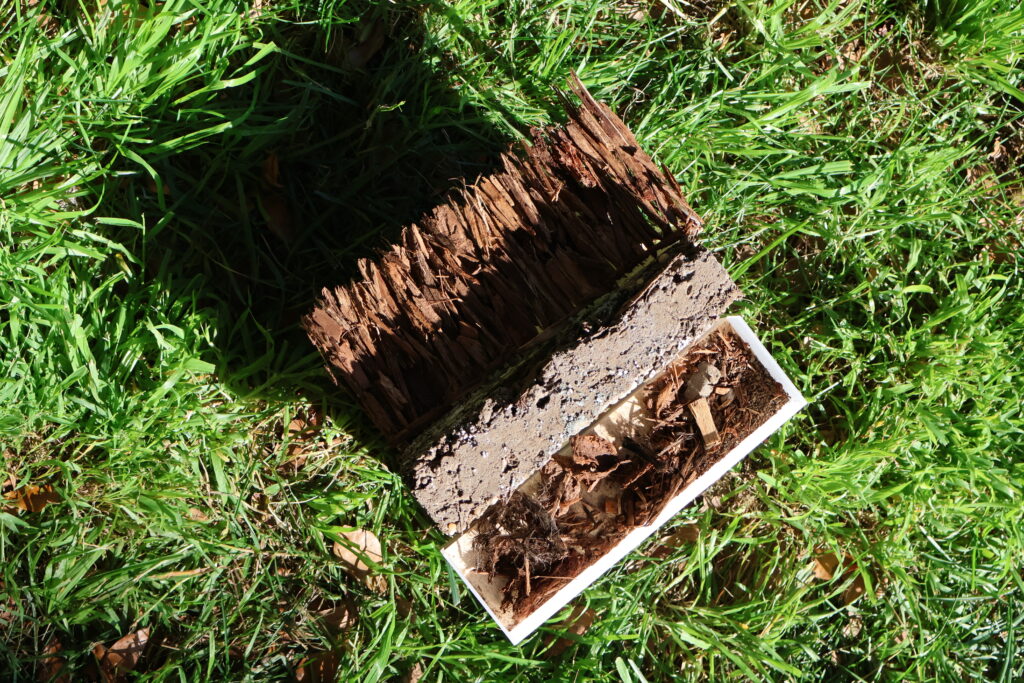
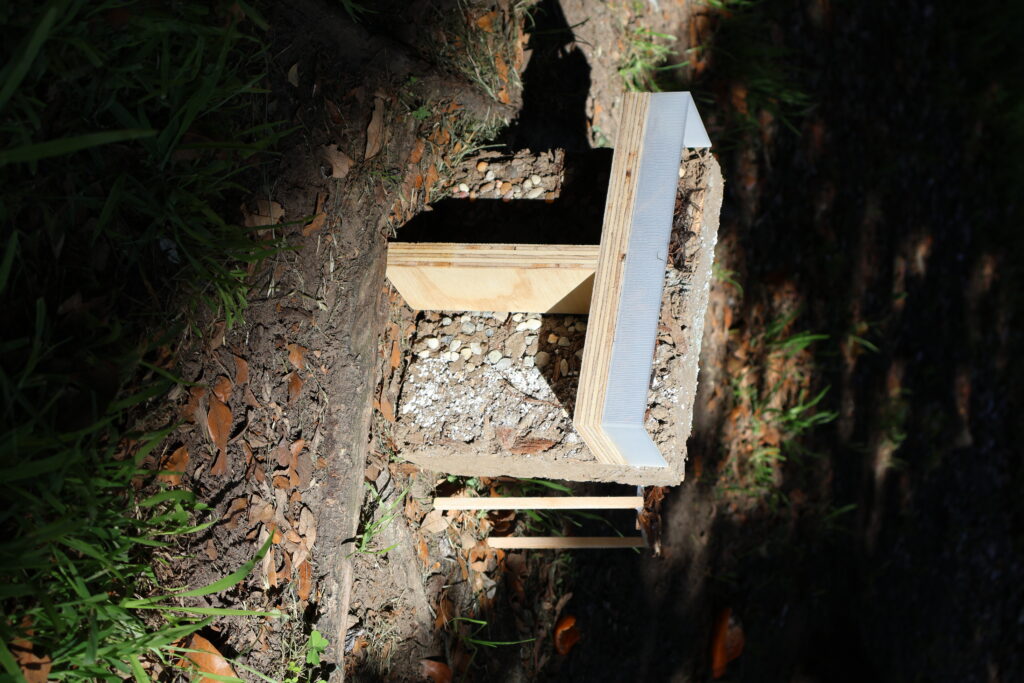
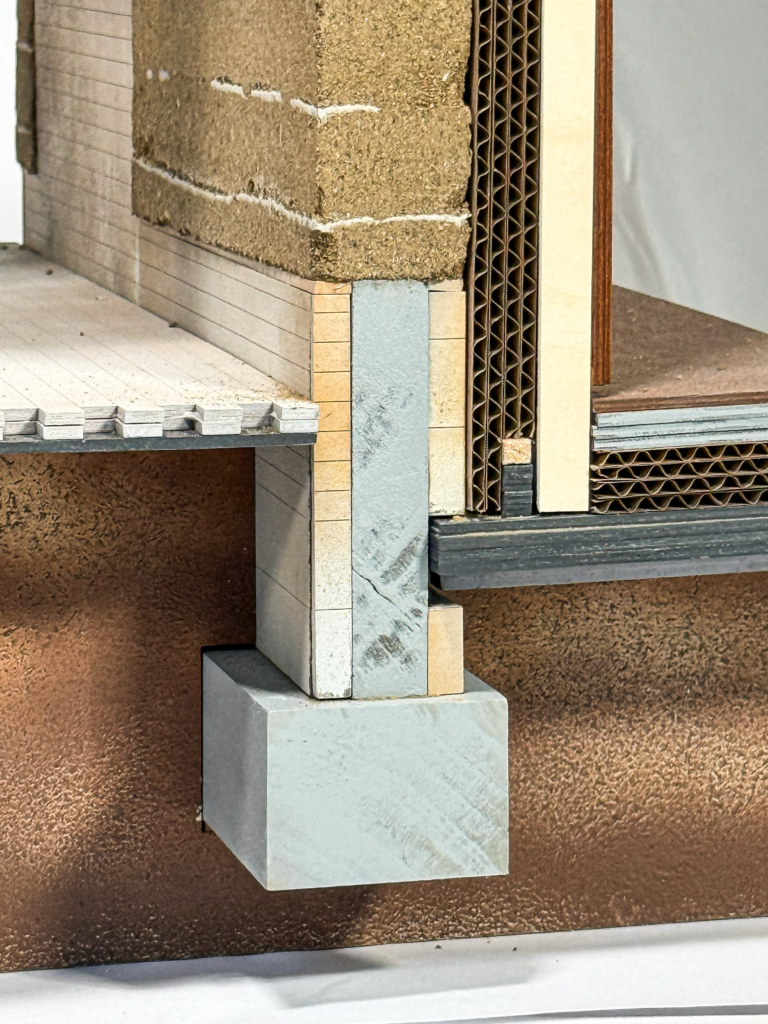
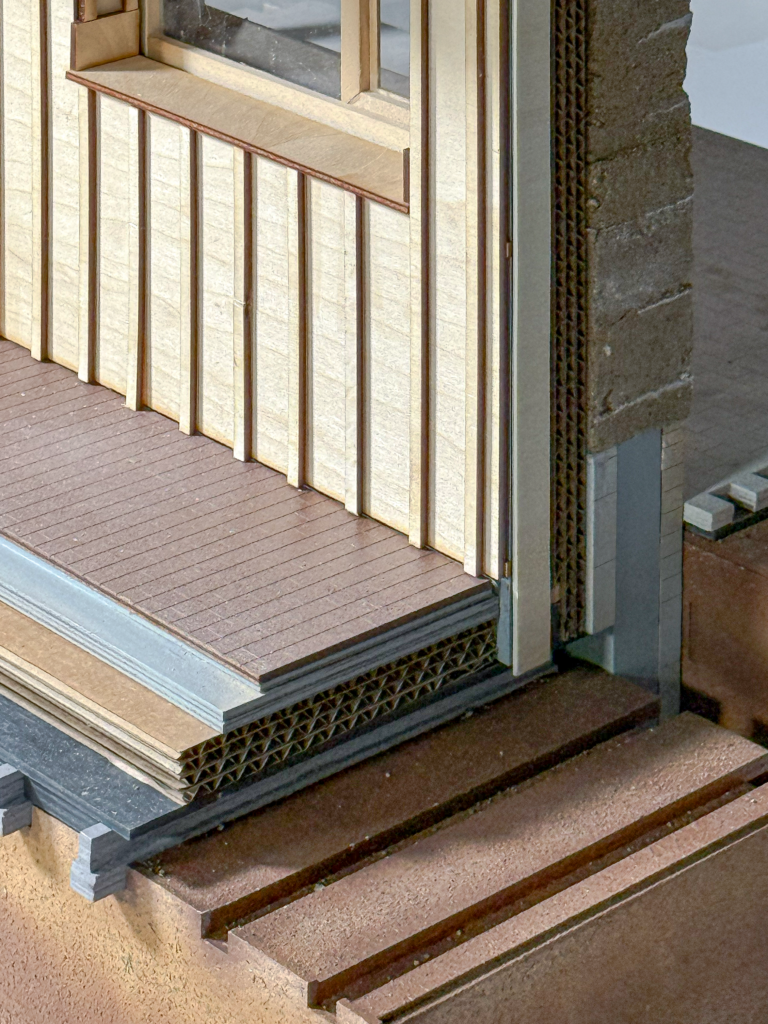
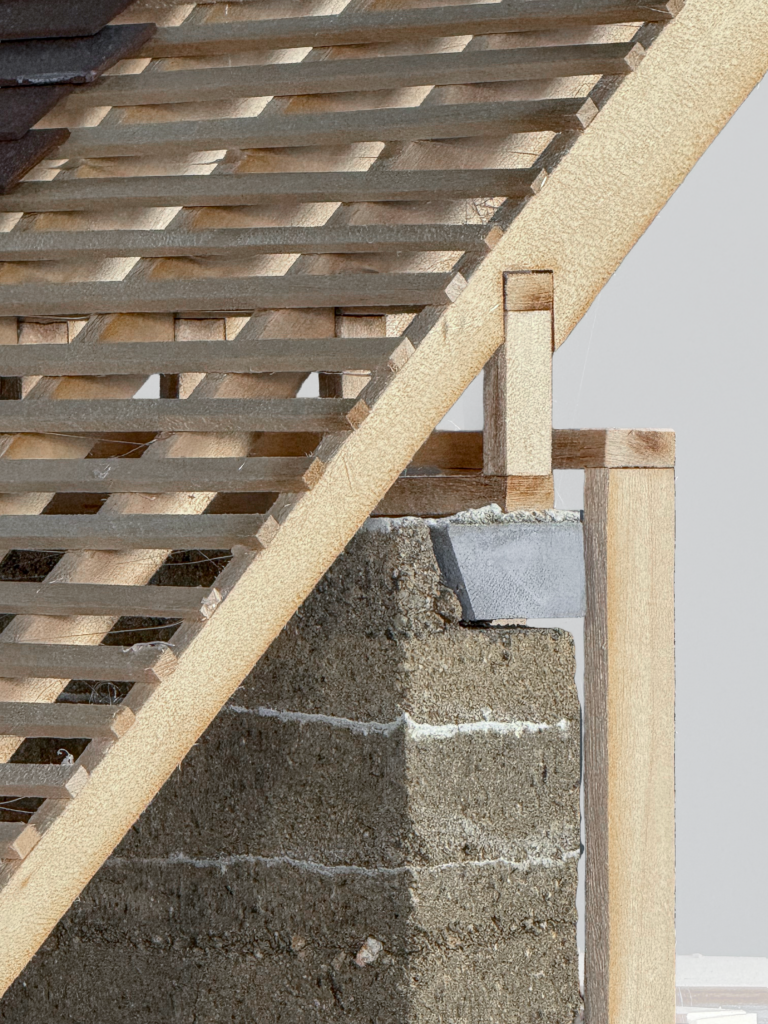
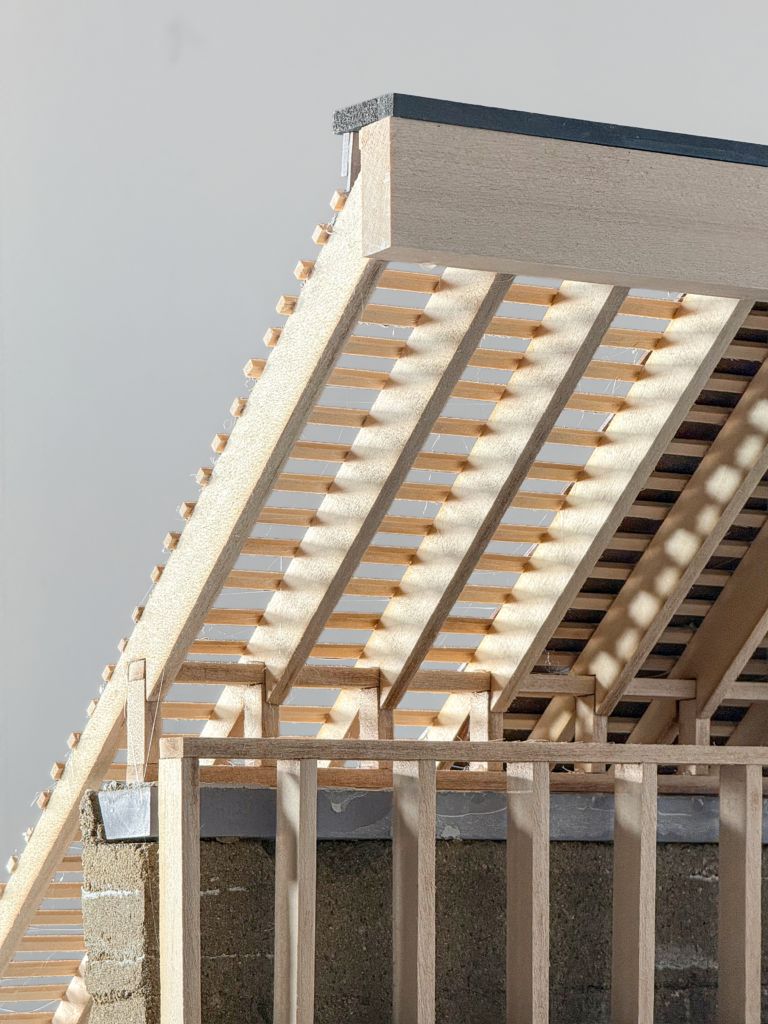
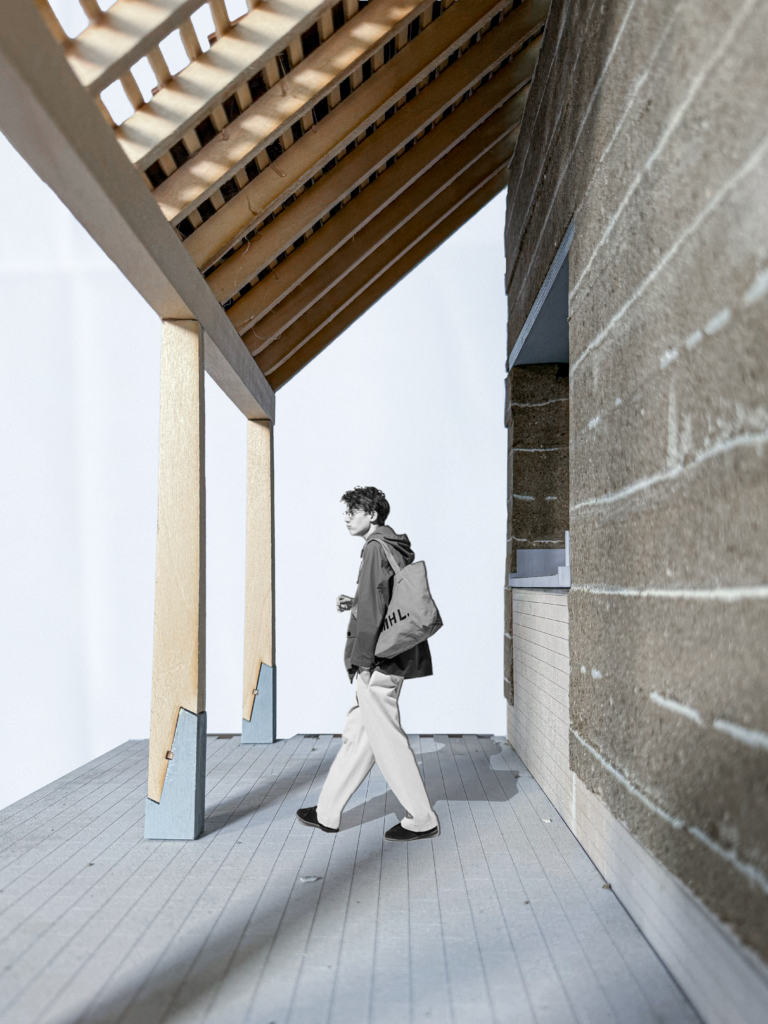
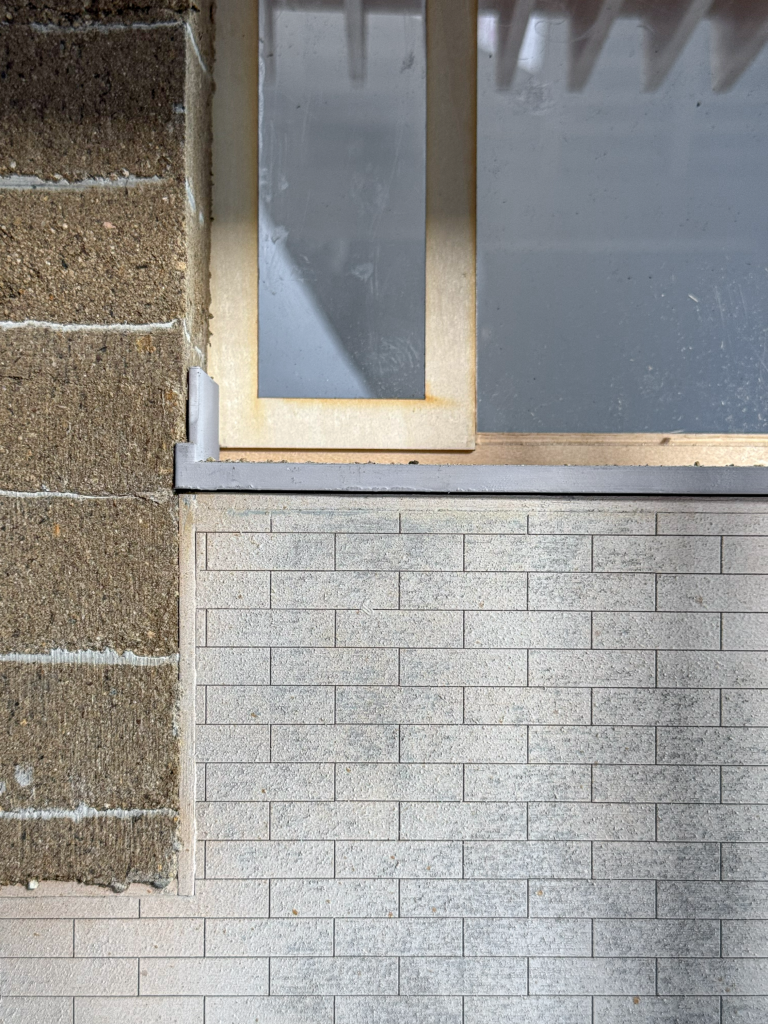
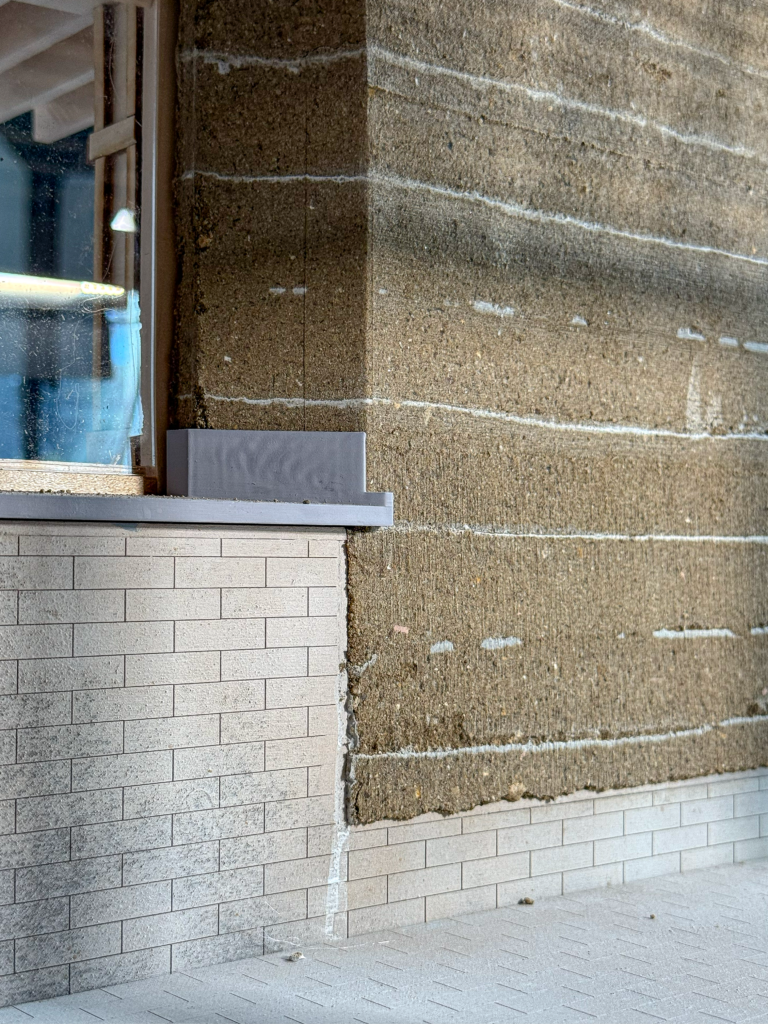
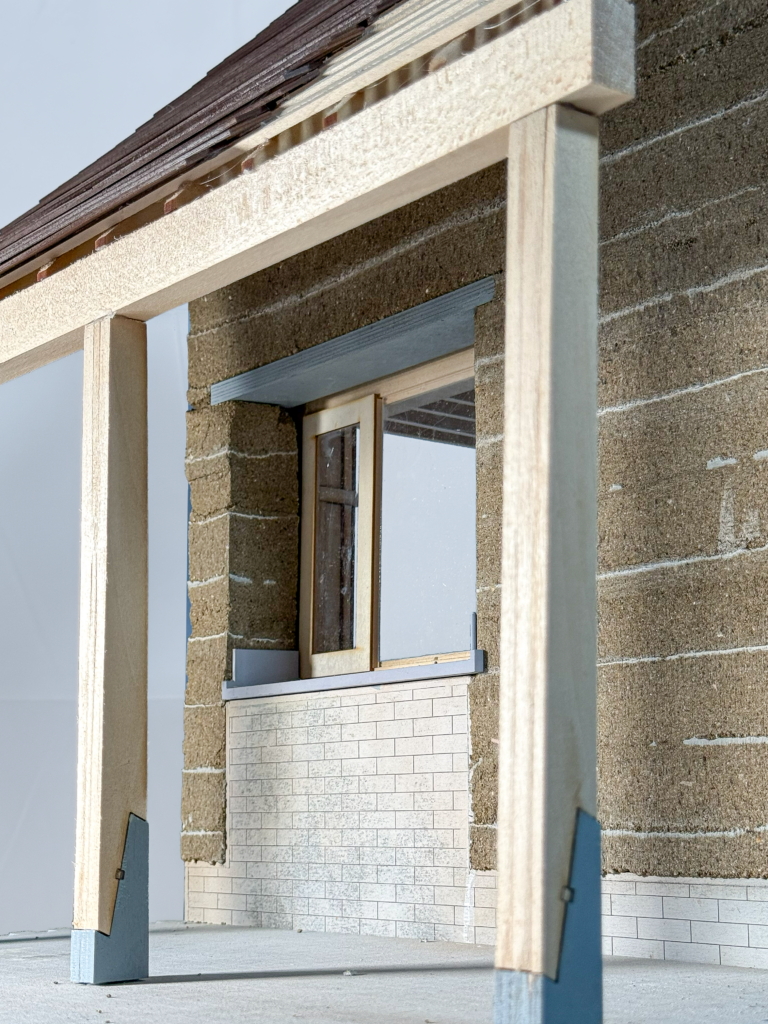
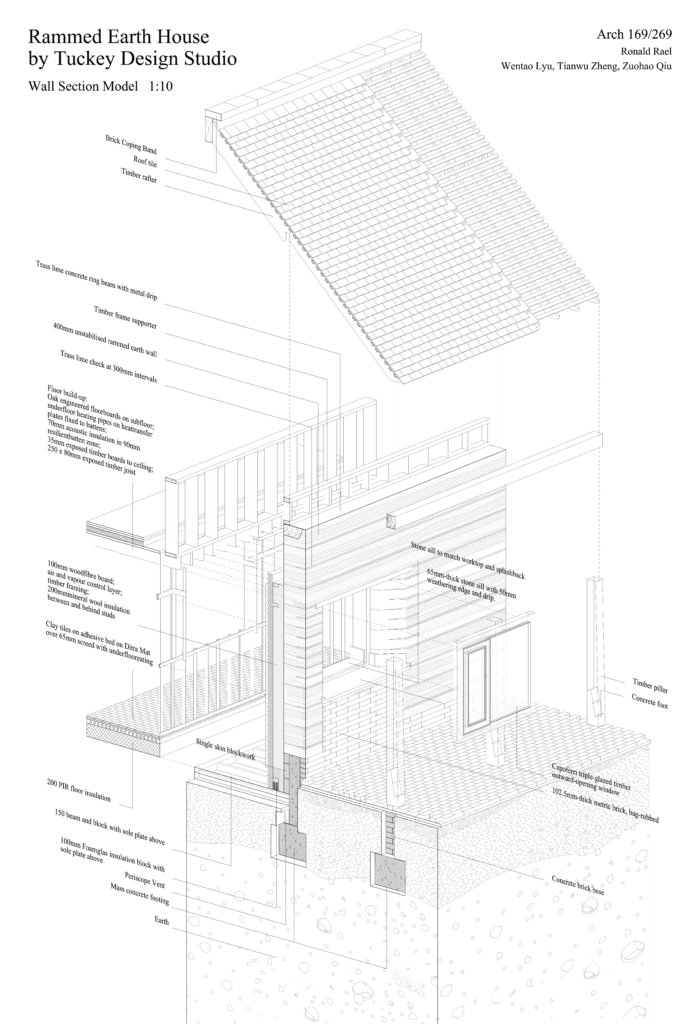
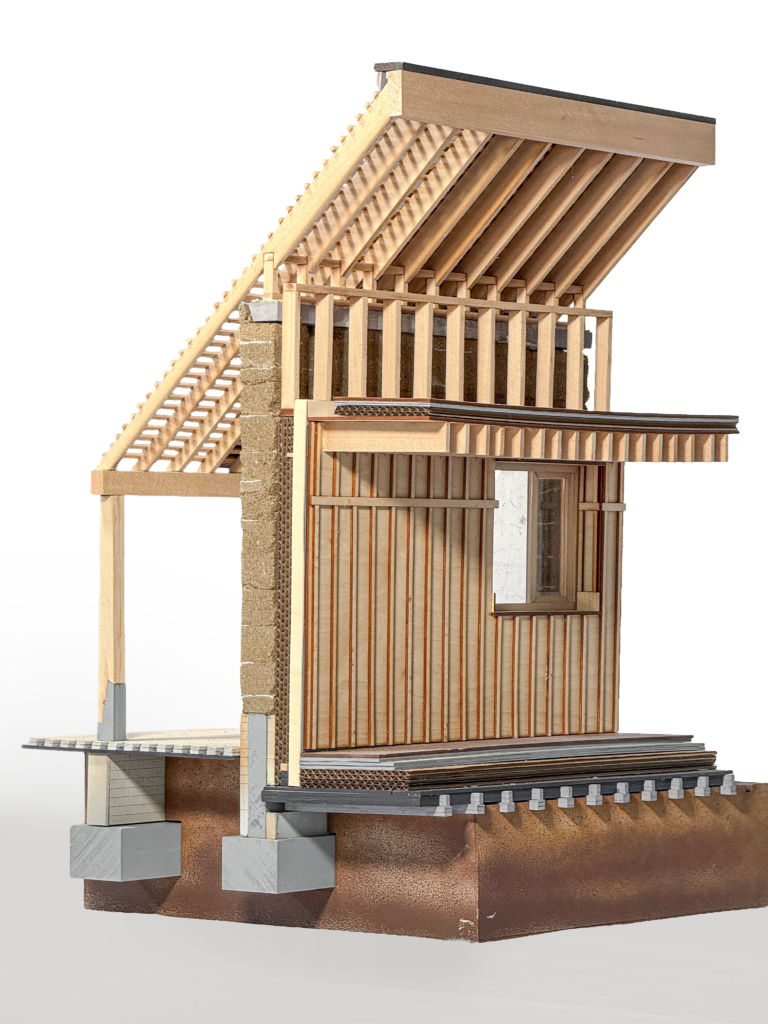
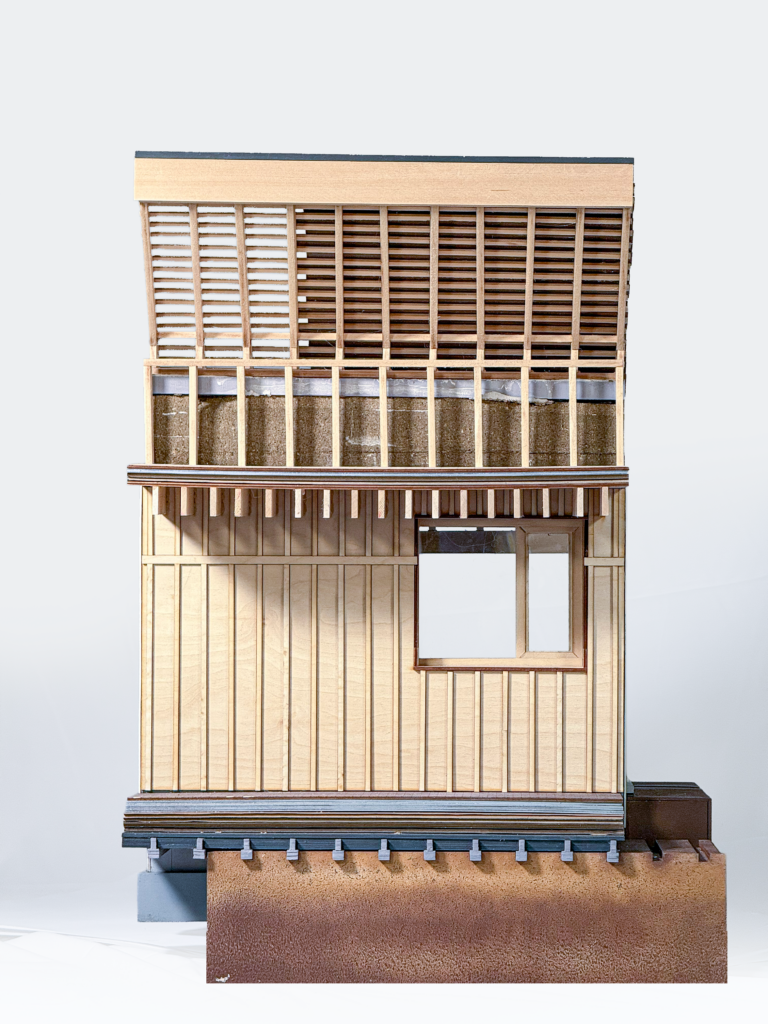
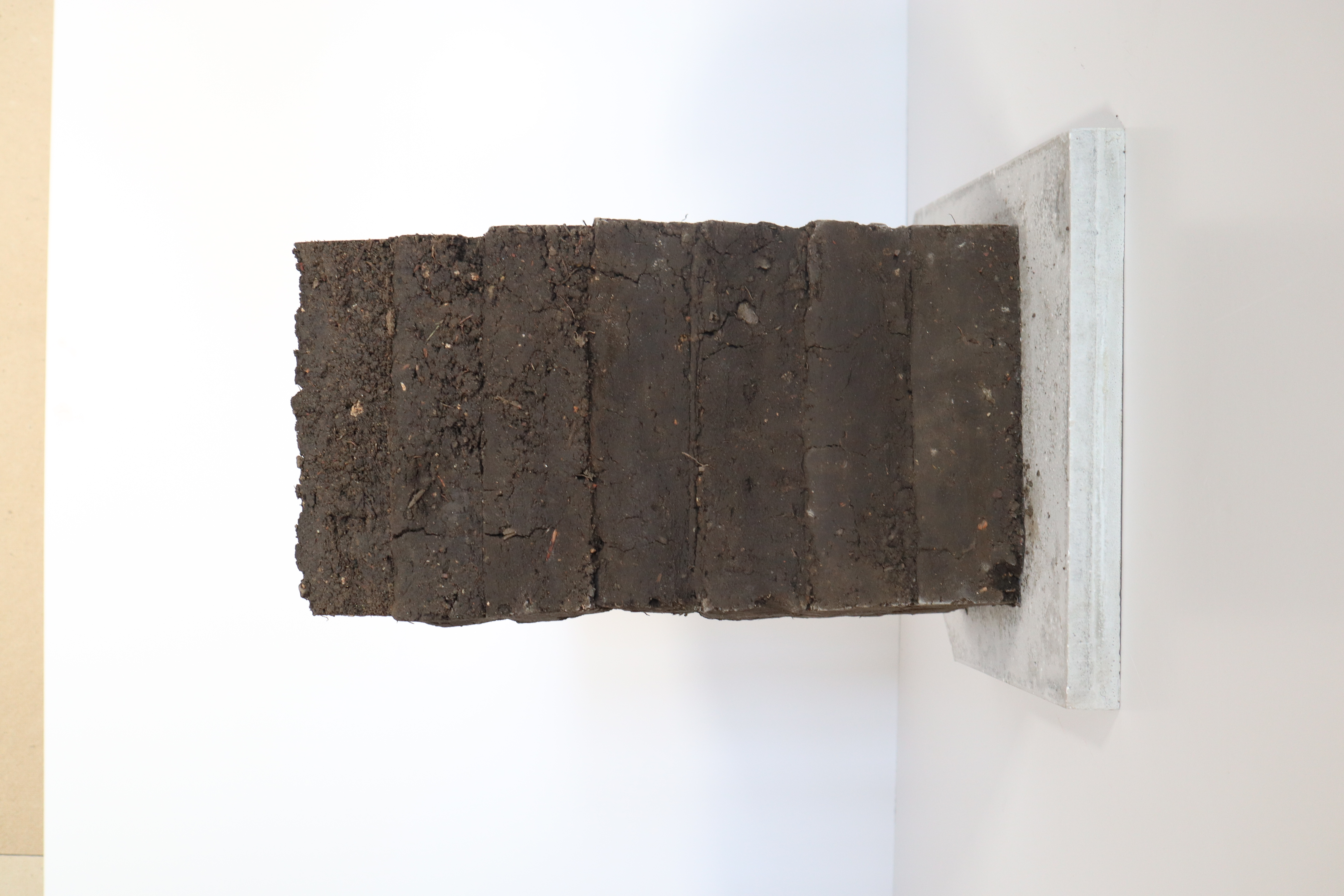
Freed from structural obligation and weathering performance, the objects foreground a central question: what if regenerative materials were recombined in new ways? Each piece operates as a tactile hypothesis, testing the expressive and constructive potential of earth-based systems when paired with other natural materials such as hempcrete, timber, and thatch.
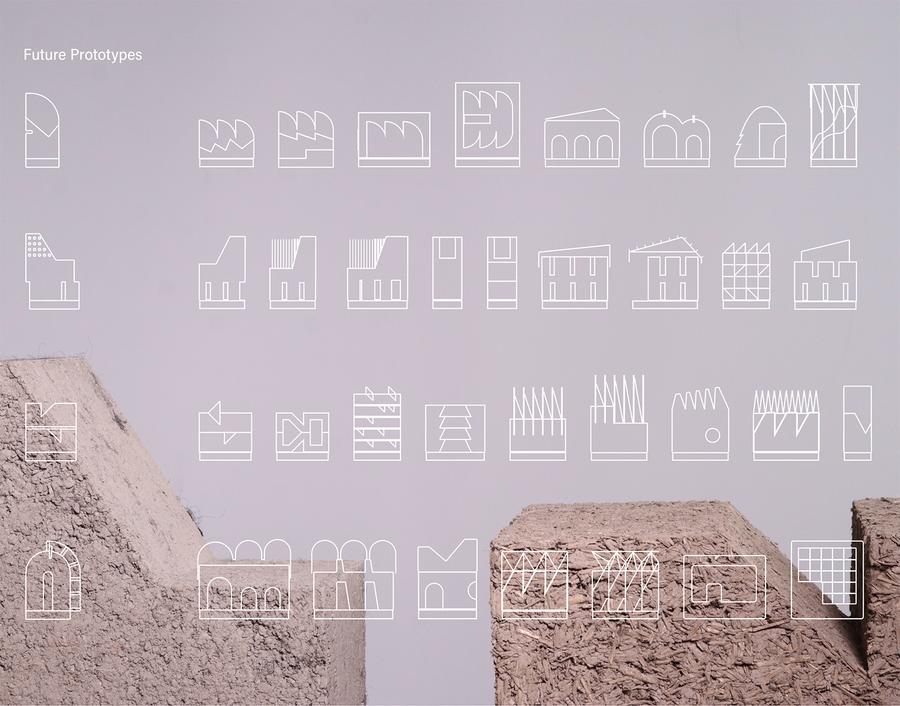
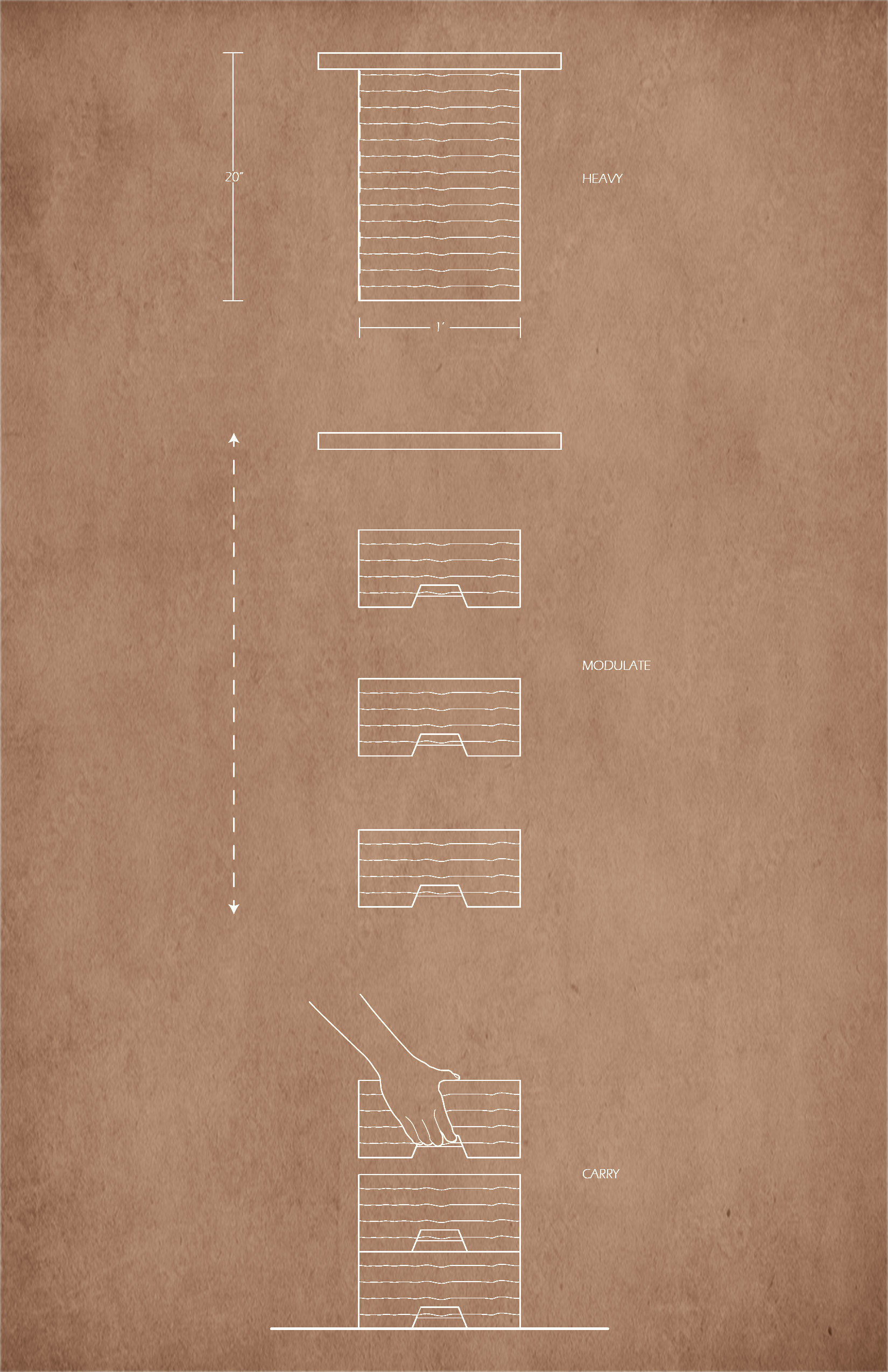
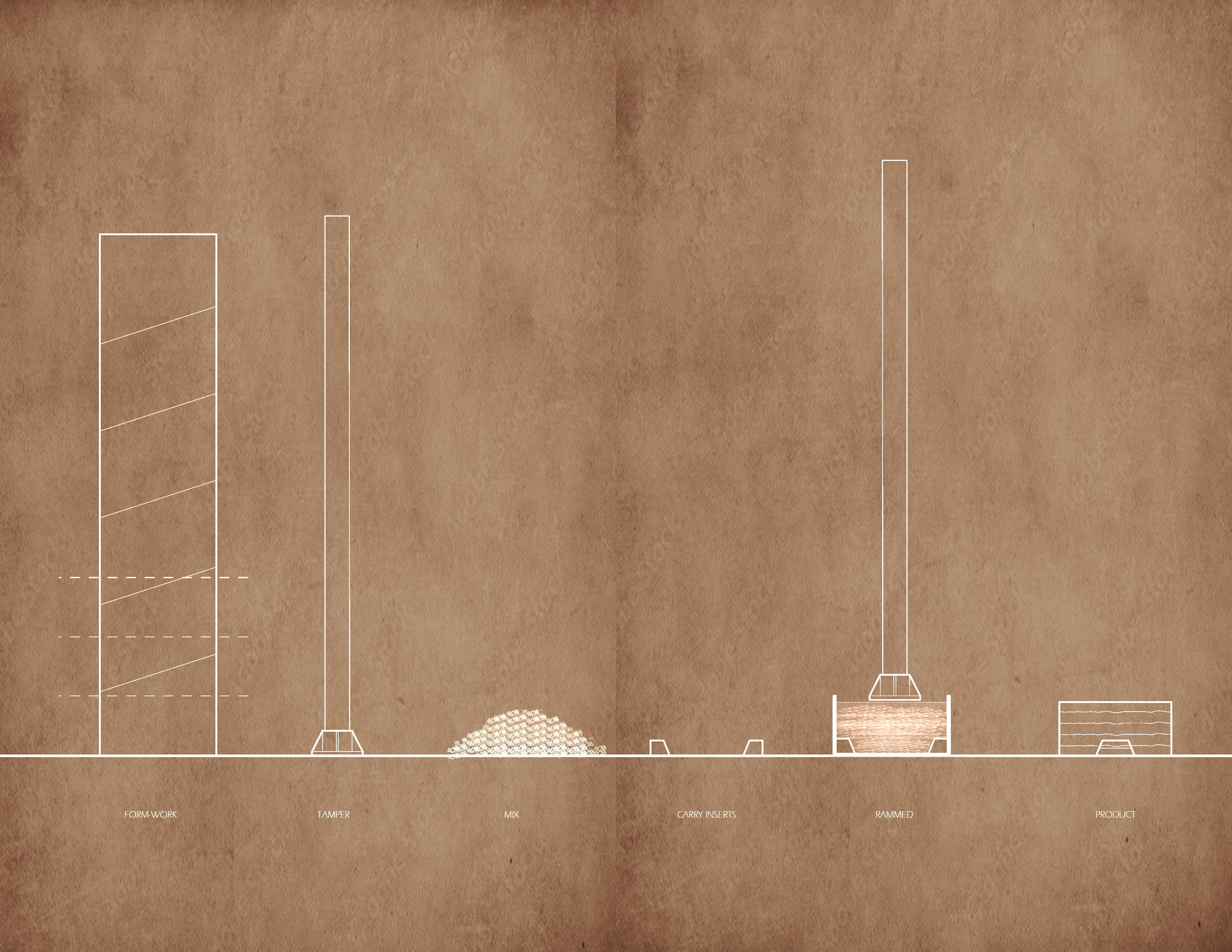
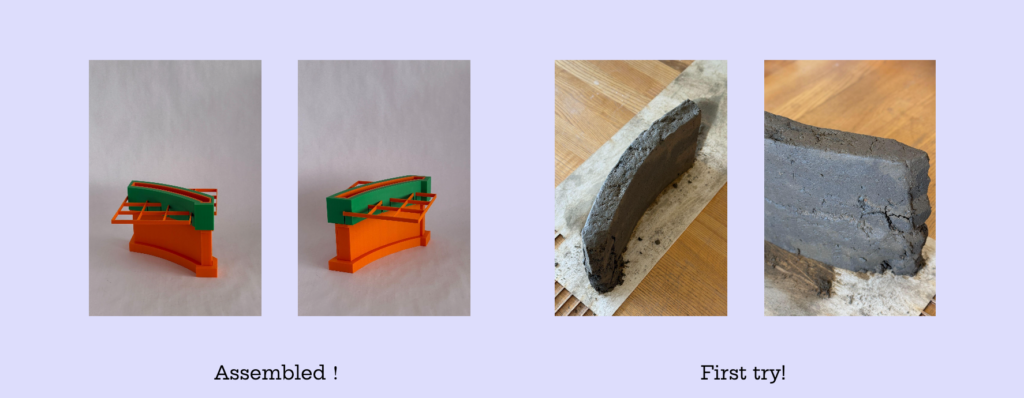
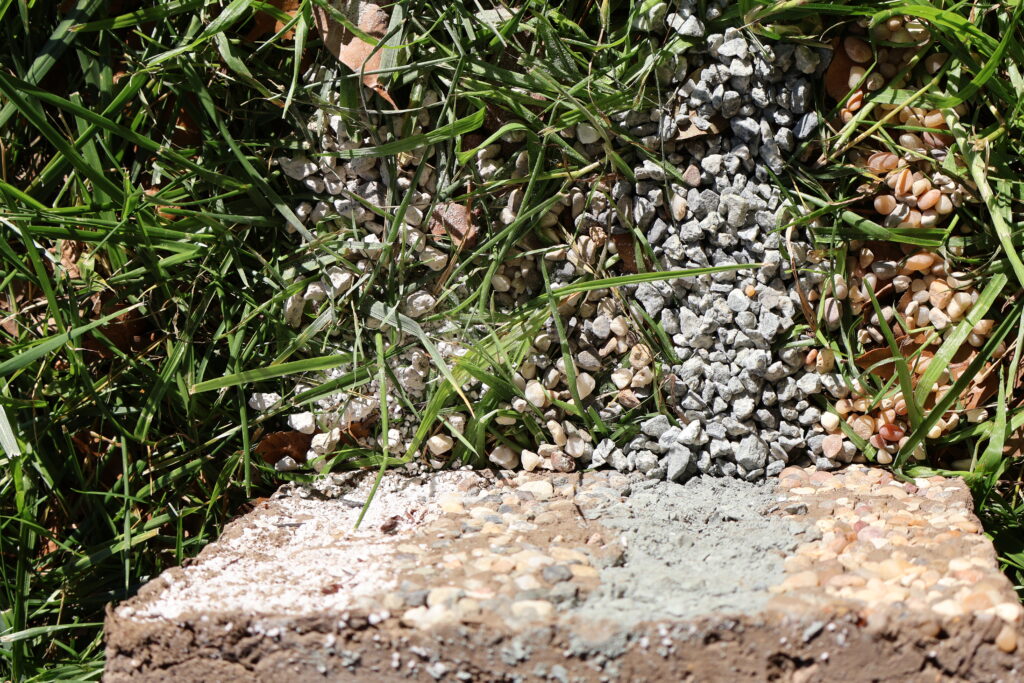
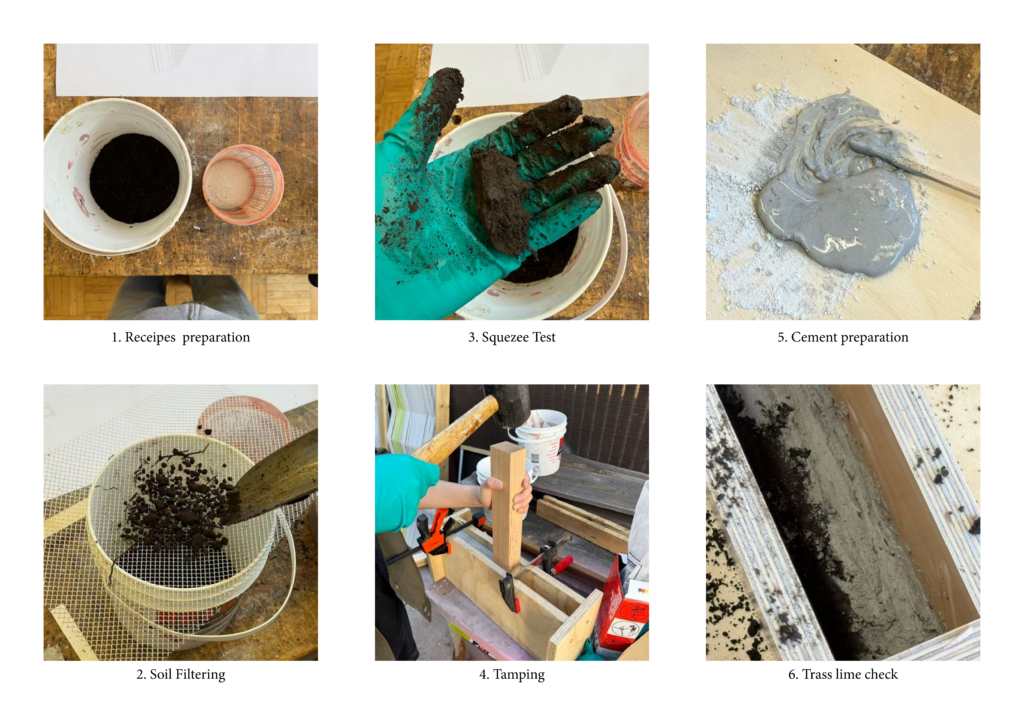
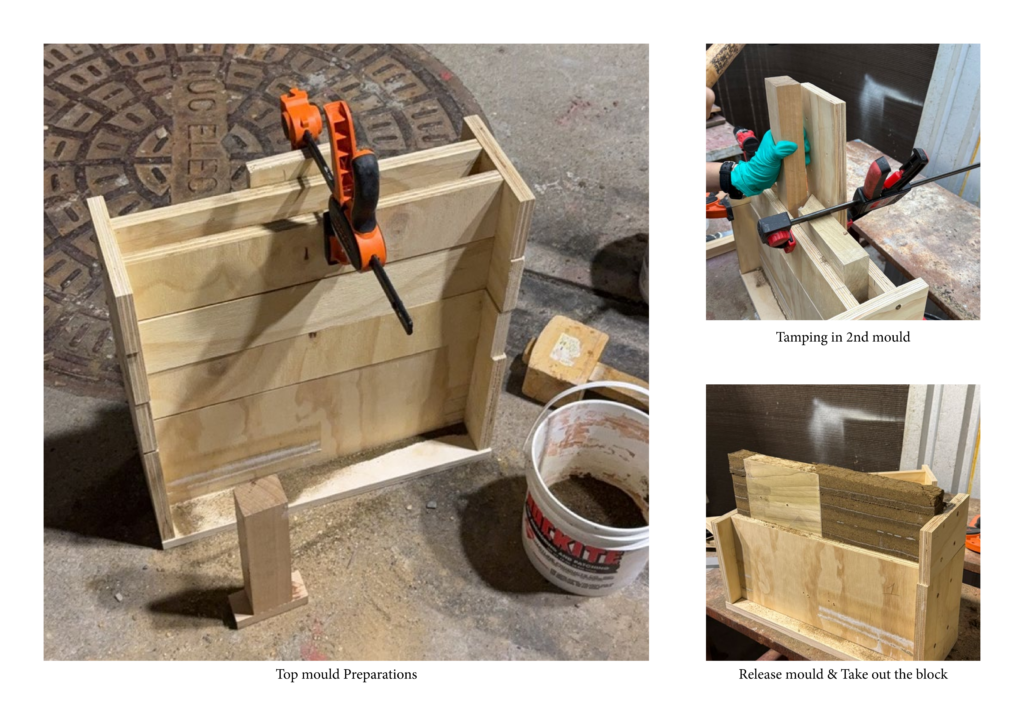
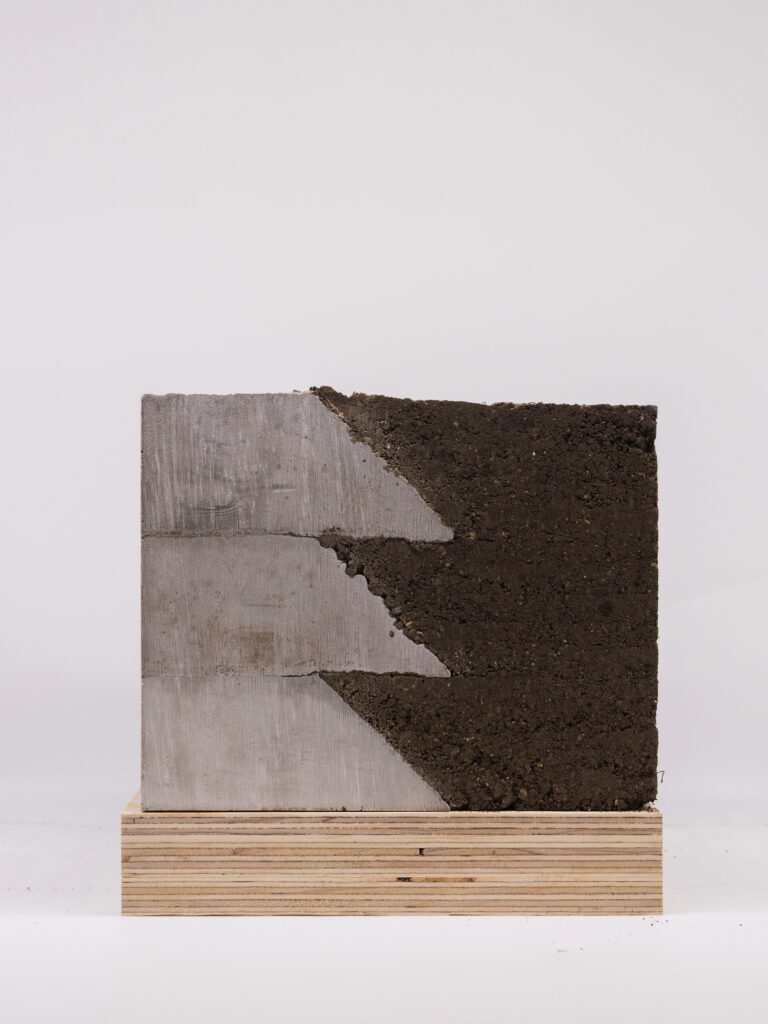
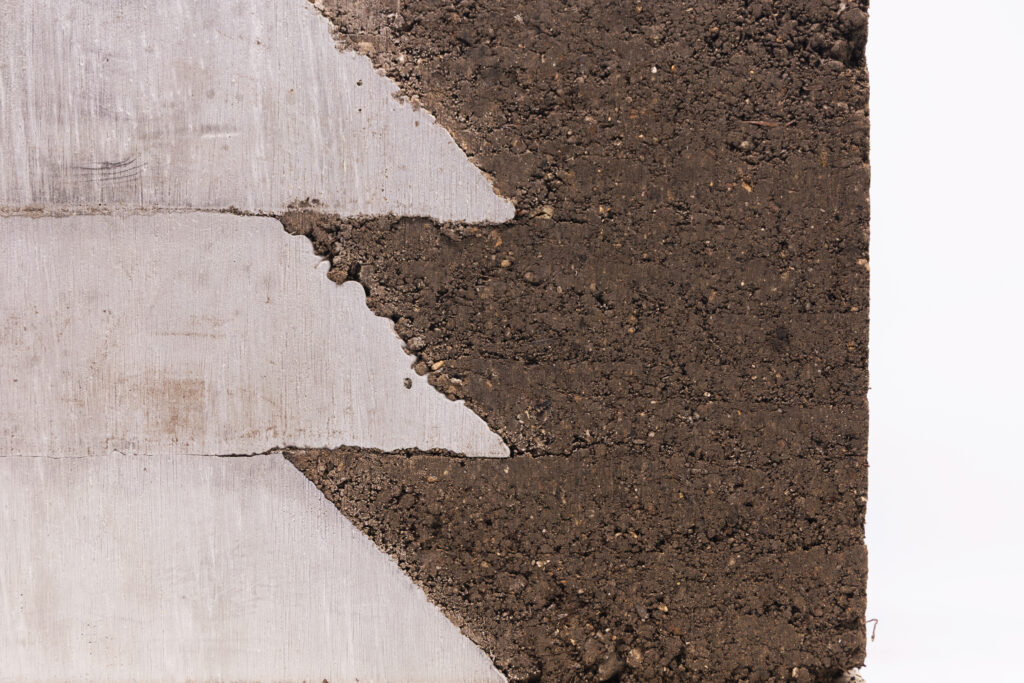
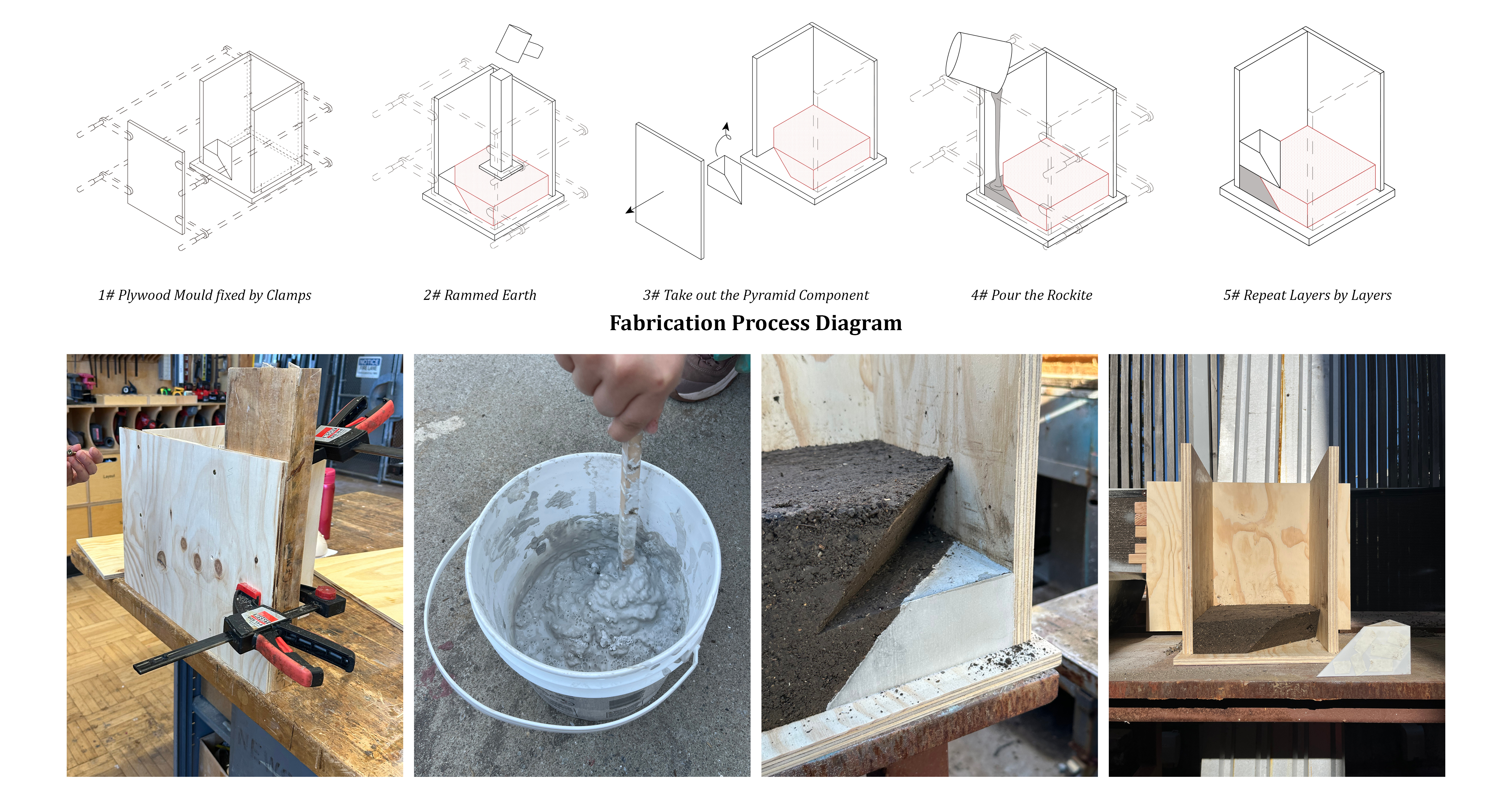
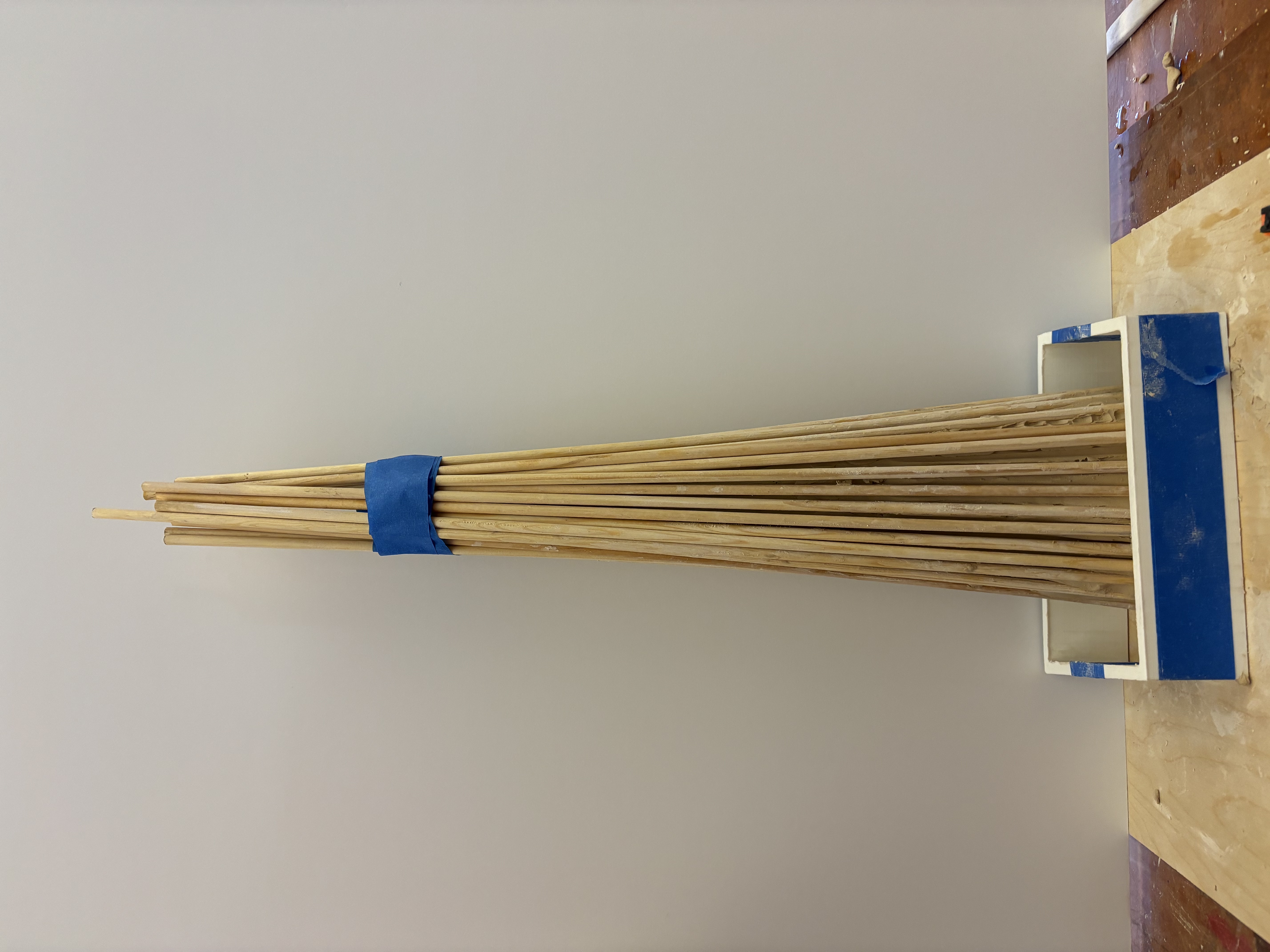
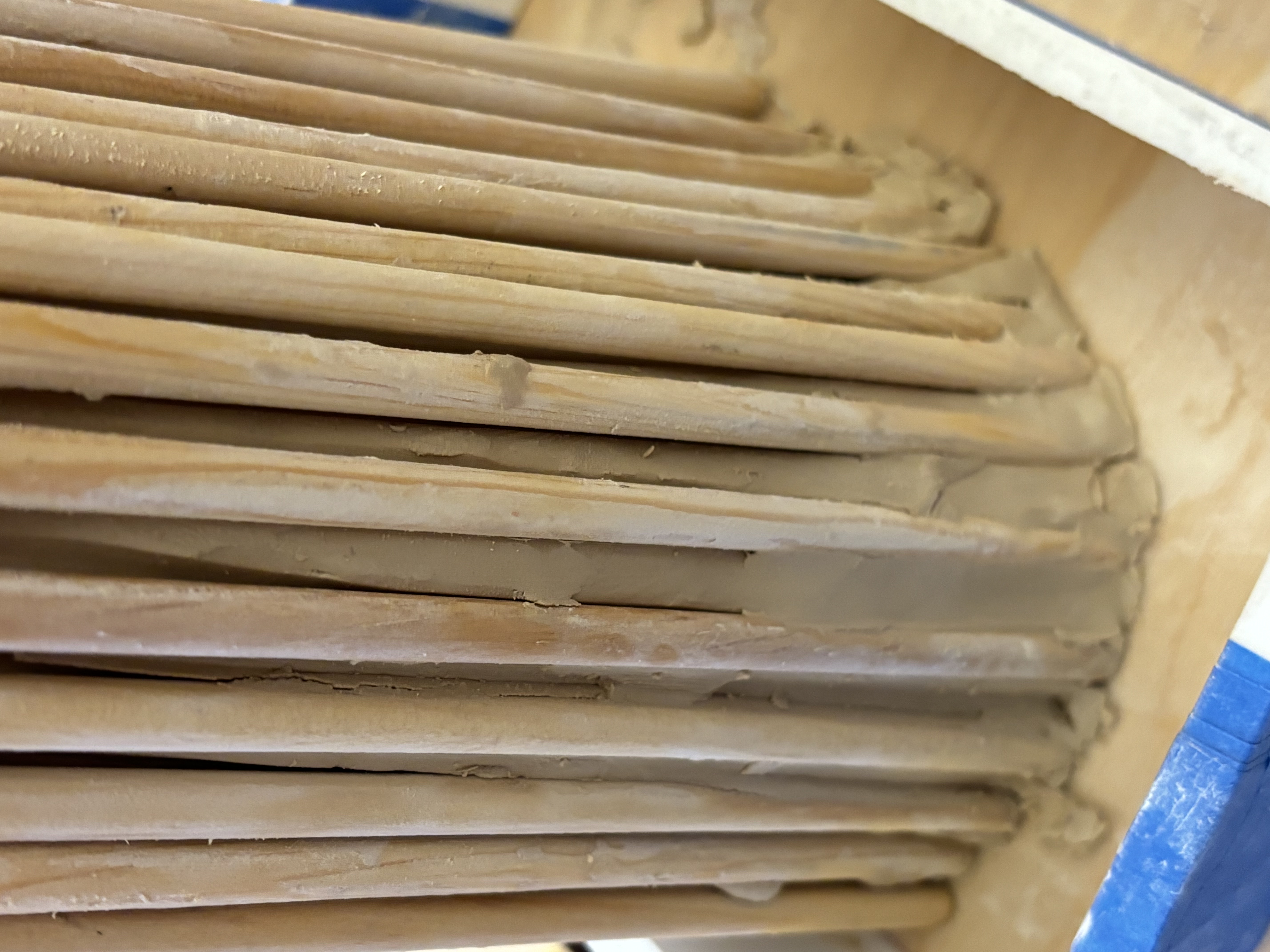
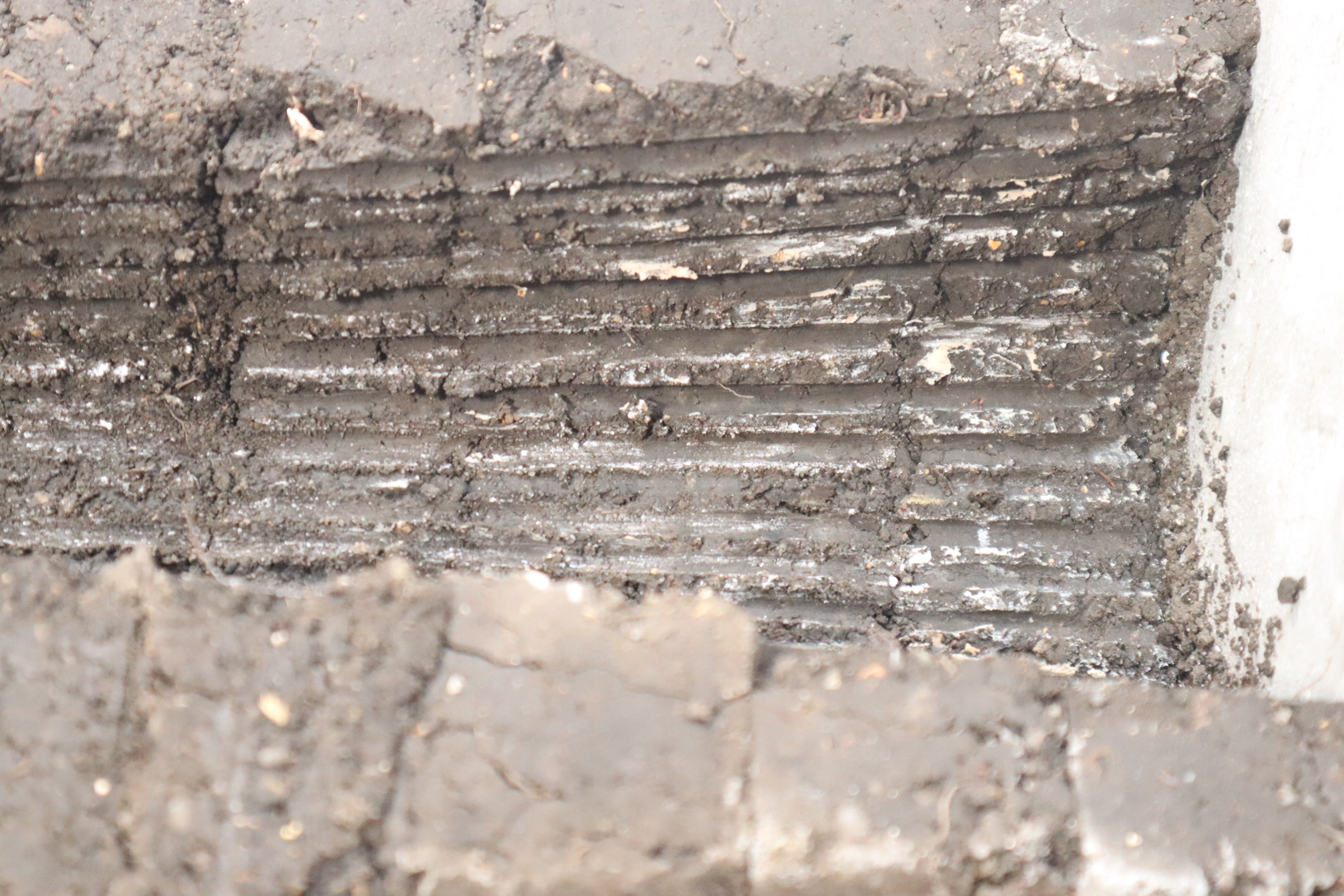
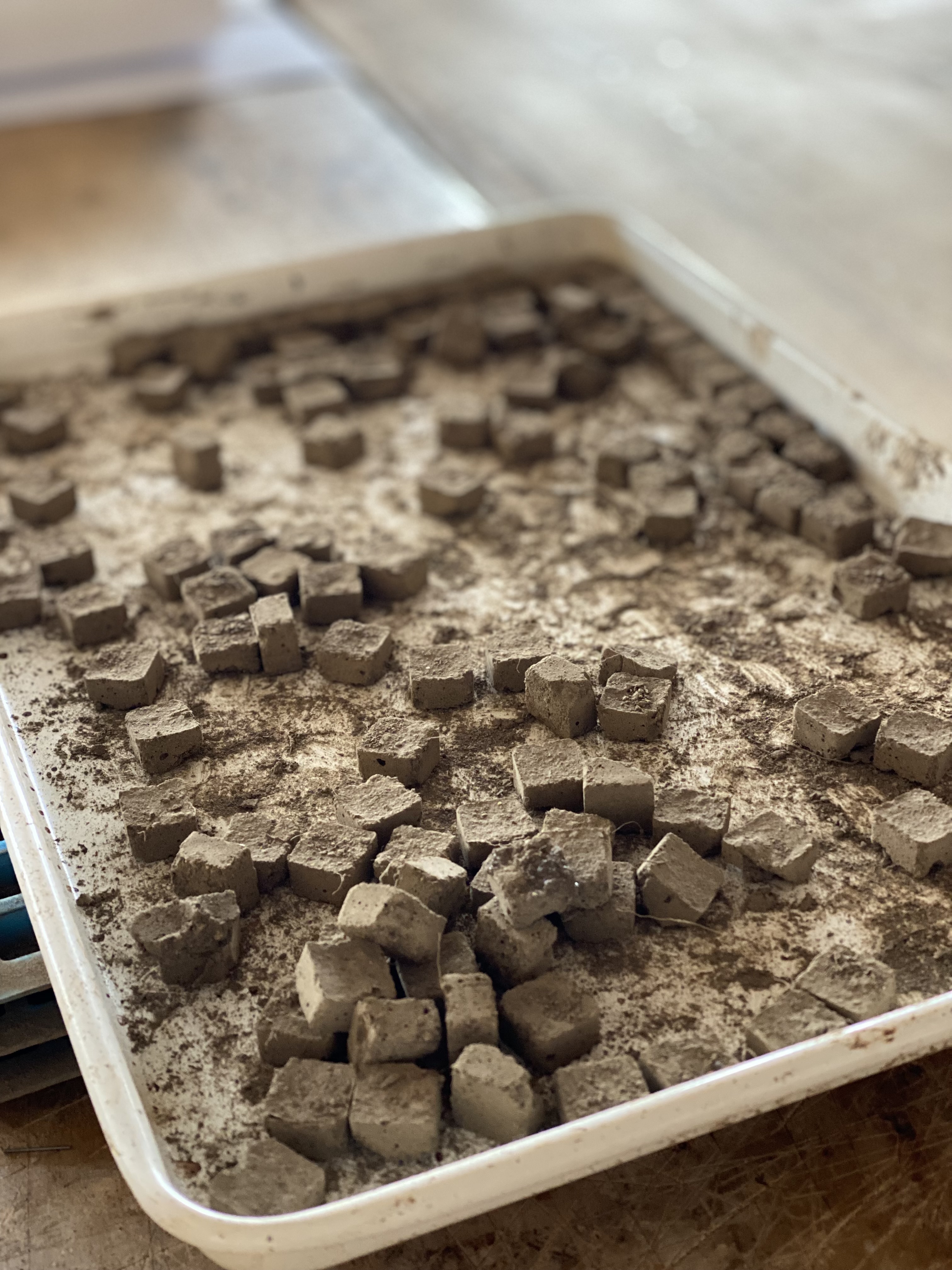
The models are constructed using traditional recipes derived from vernacular earth and fiber building practices. Materials are hand-mixed and compacted into custom wooden formwork, emphasizing labor, tactility, and process over industrial precision. Across the series, assemblies include combinations such as clay-rich mass earth with straw, engineered soil composites, and hybrid systems integrating hempcrete within timber frames.
Built from modest, heterogeneous, and locally sourced materials, the work repositions natural construction systems as both viable and desirable. In doing so, it challenges the dominance of high-carbon, industrialized materials that rely on globalized supply chains, proposing instead a materially circular and sensorially rich alternative.
Archi-fringe Reciprocities Exhibition
George Brown & Sons Engineering, Edinburgh, 2025
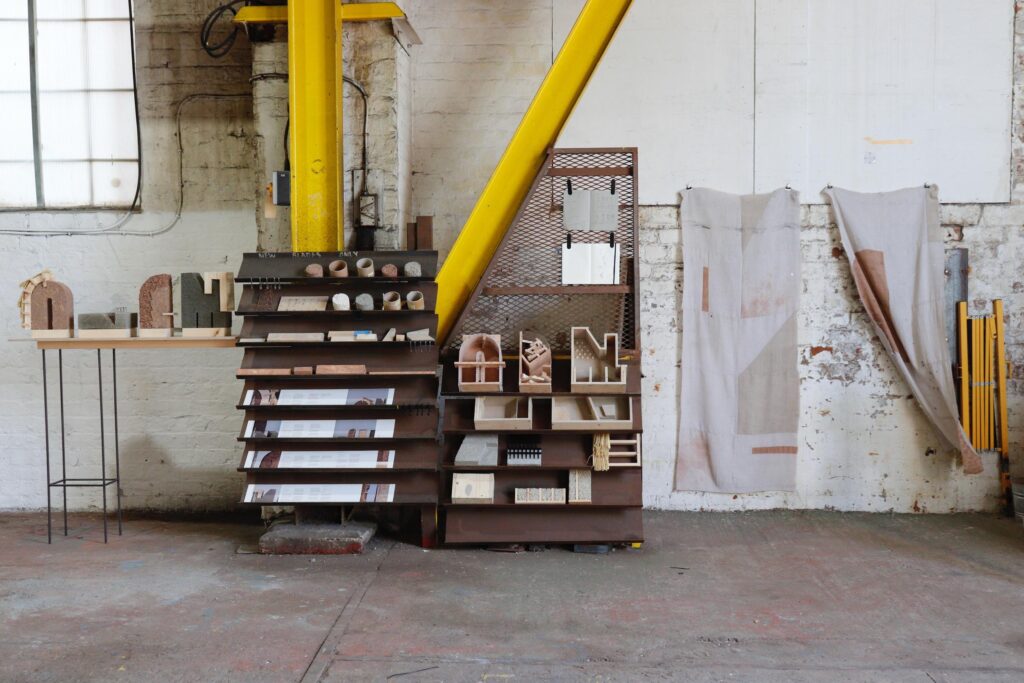
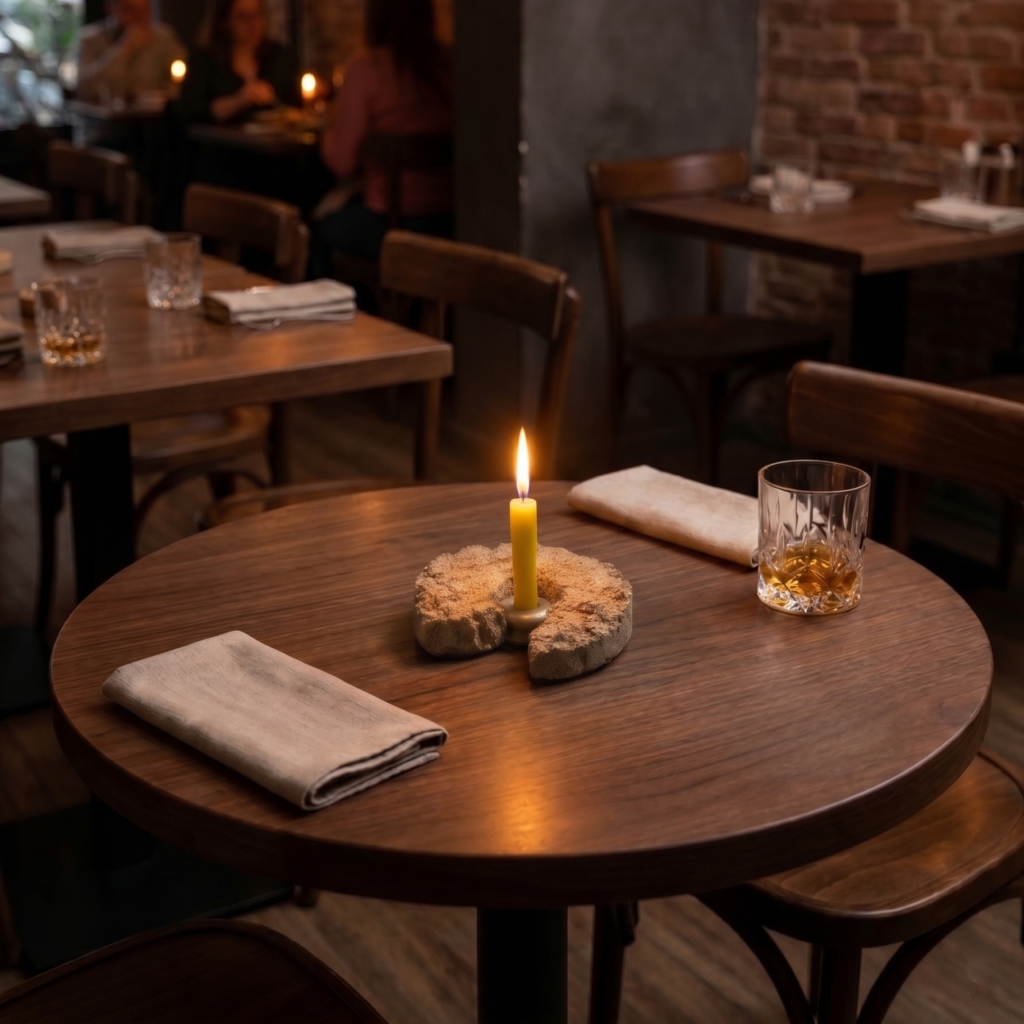
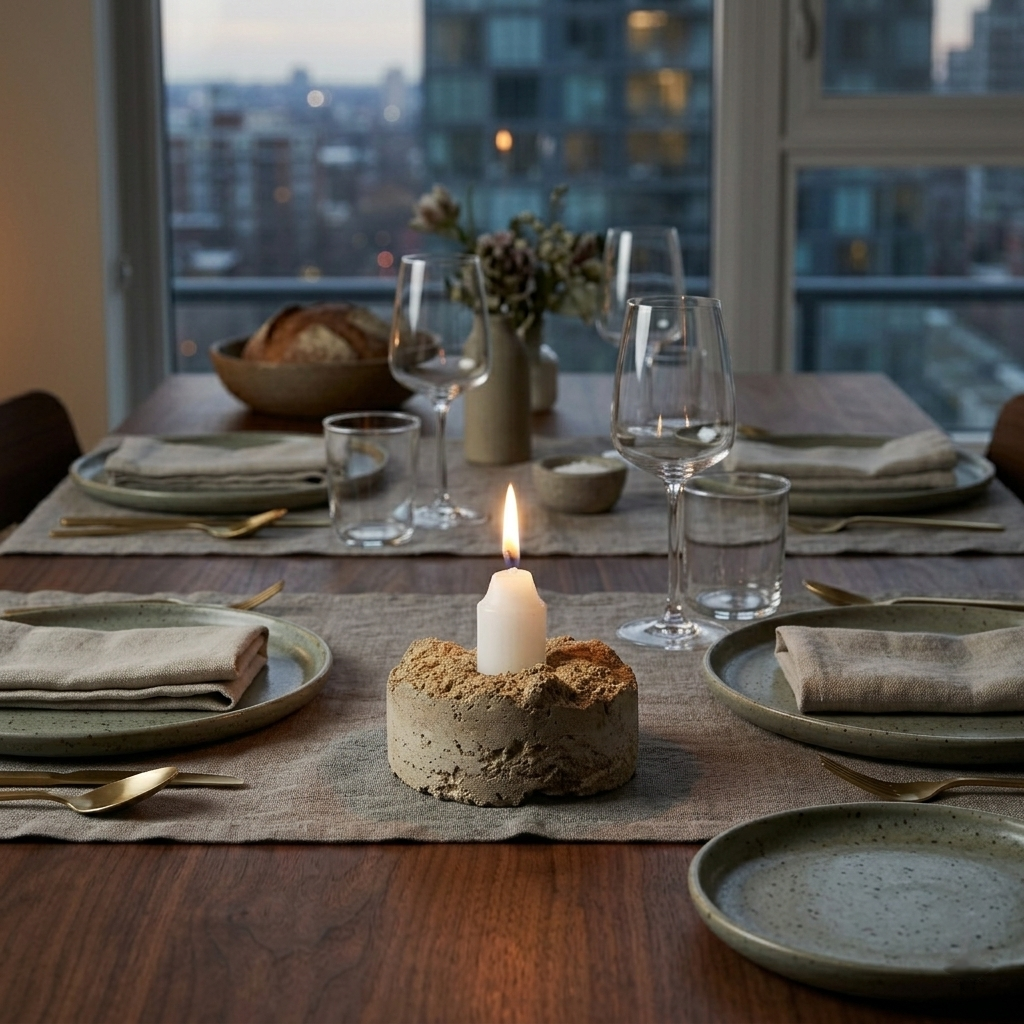
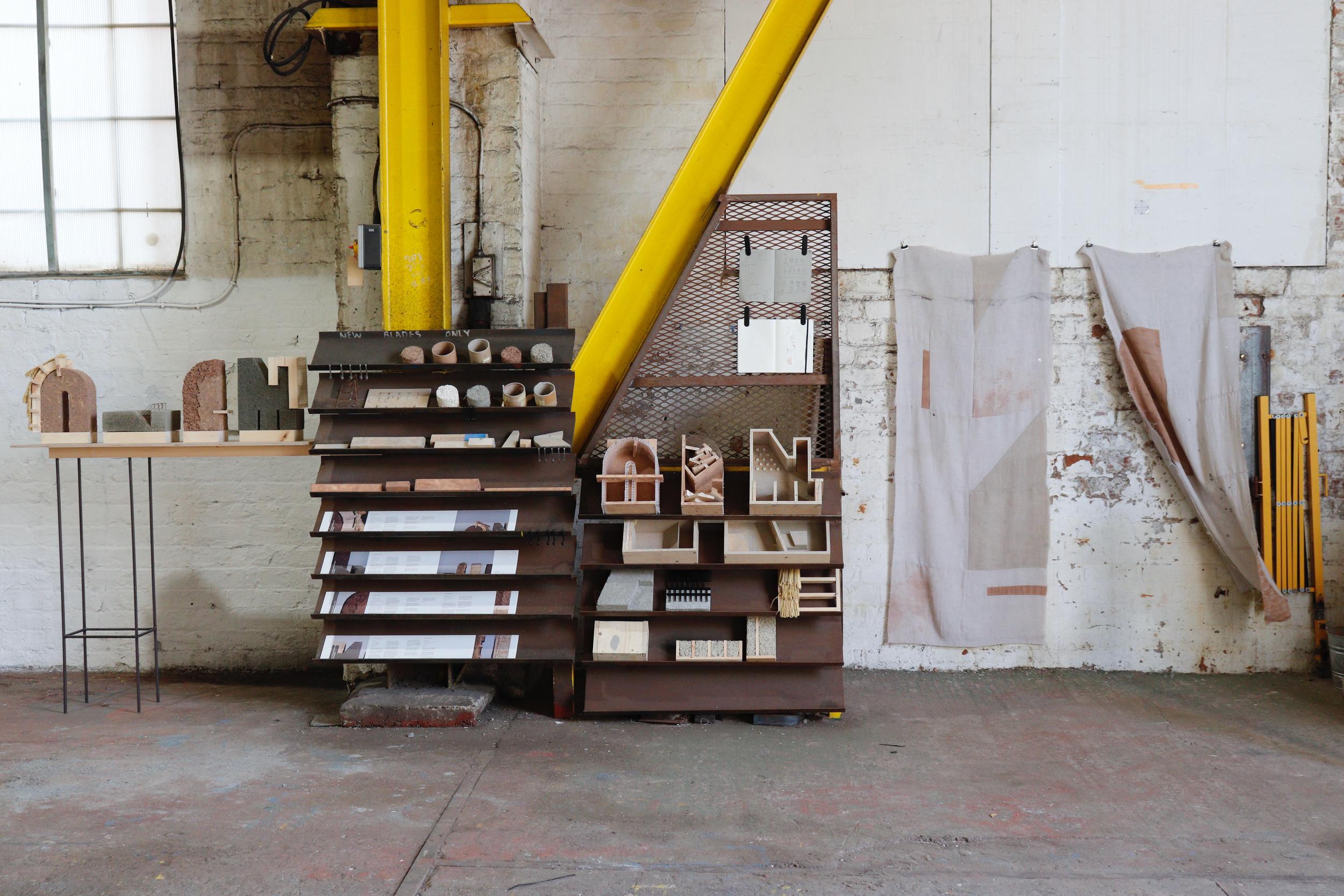
Expanding on the research, the Archi-fringe Reciprocities Exhibition frames earth construction through the lens of culinary practice. Here, building becomes analogous to cooking: a process of combining ingredients, adjusting mixtures, and refining techniques.
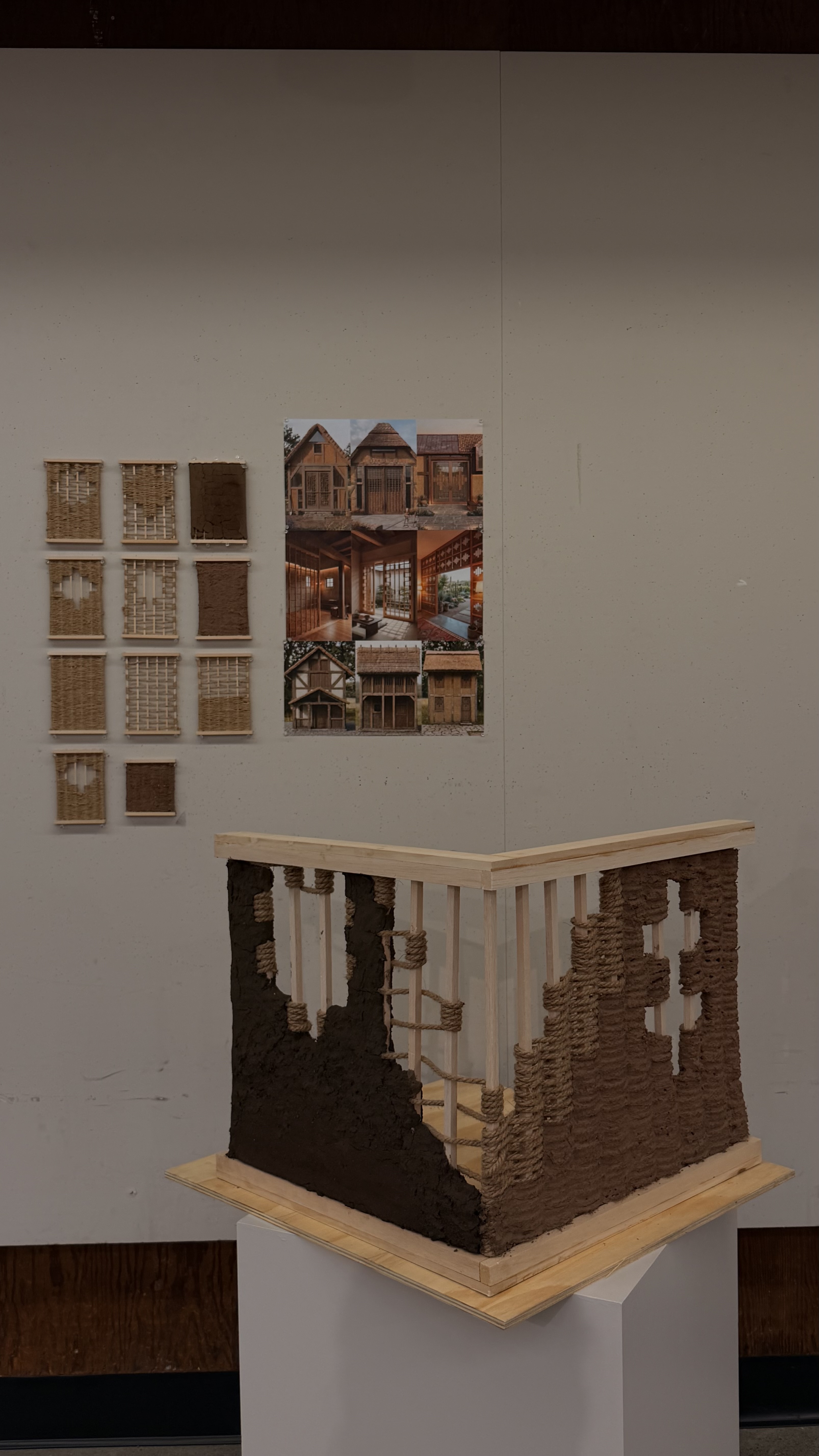
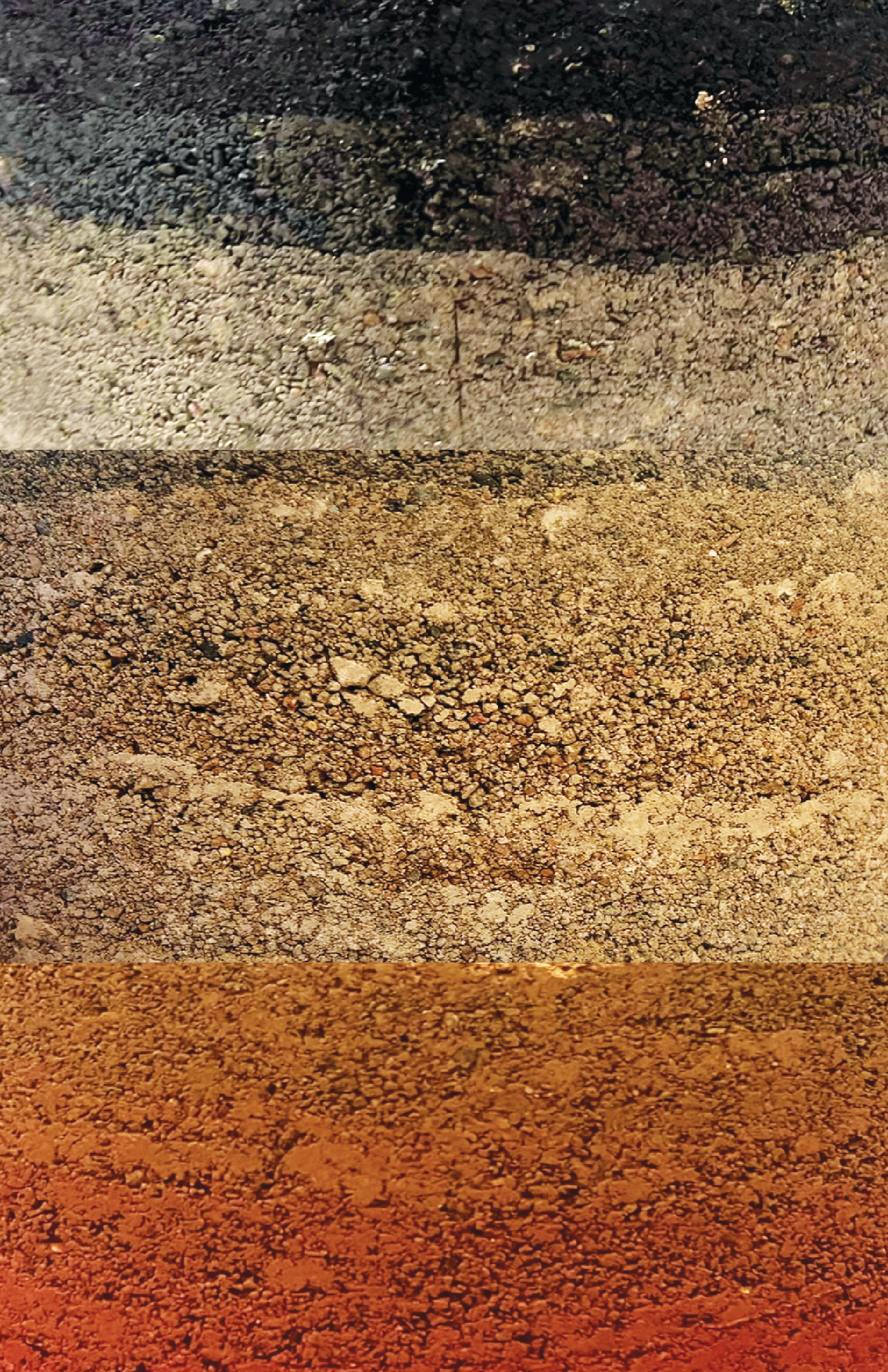
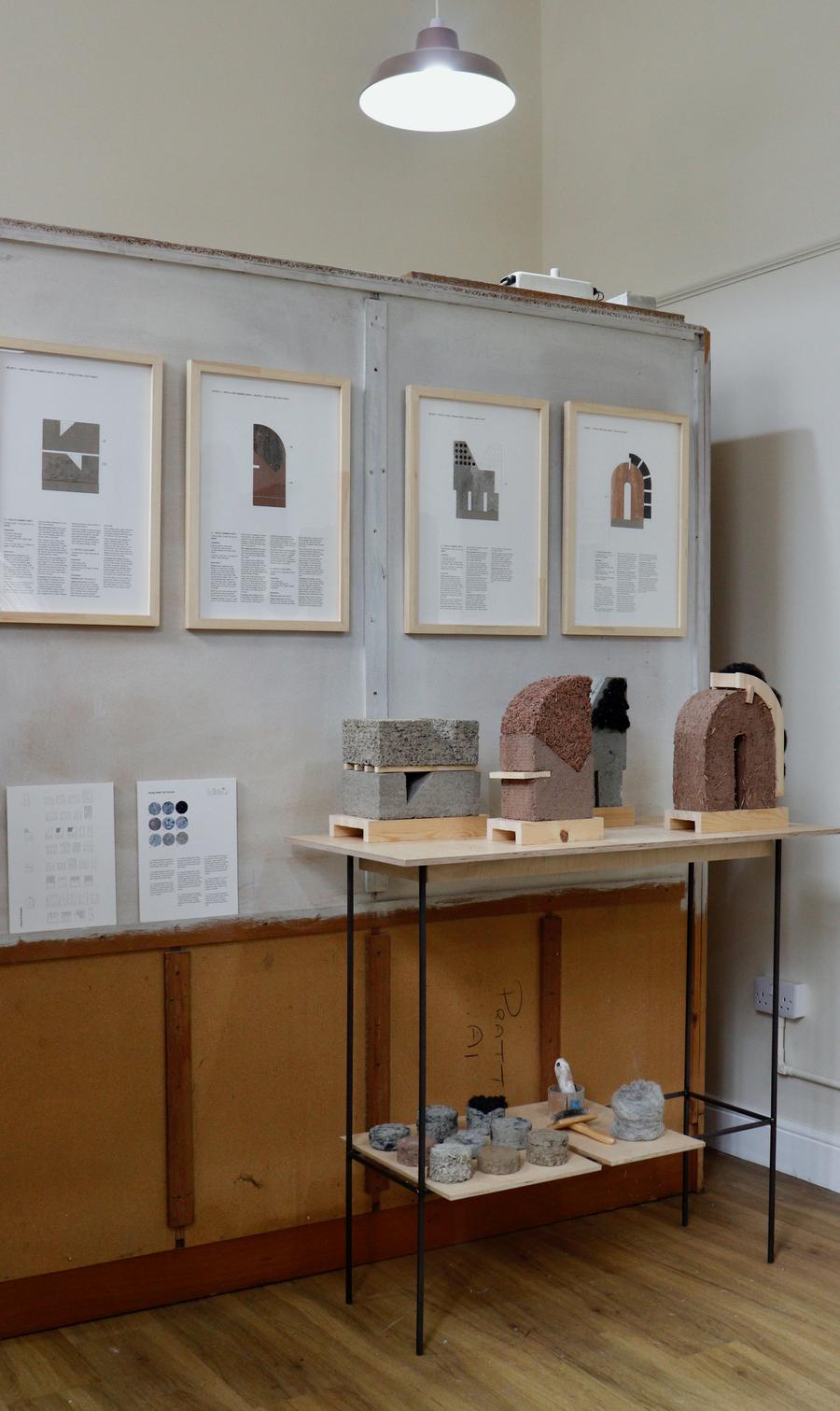
The exhibition presents four proto-architectural models alongside their corresponding “recipes,” detailing ingredient ratios and preparation methods for mass earth, light earth, and rammed earth systems. Rather than isolating final objects, the exhibition foregrounds process—displaying formwork, templates, tamping tools, and even drop cloths repurposed as tapestries. A continuous “how-to” video further demystifies the act of making.
Installed within a former steelworks along Edinburgh’s canal, the exhibition integrates seamlessly into its industrial context. Notably, when two models were damaged in transit, they were simply reconstituted on site—crushed, rehydrated, and re-tamped—demonstrating the inherently circular lifecycle of earth materials.
Woolly Walls, Forgotten Fleece
A Scottish Touring Exhibition (2025–2027)
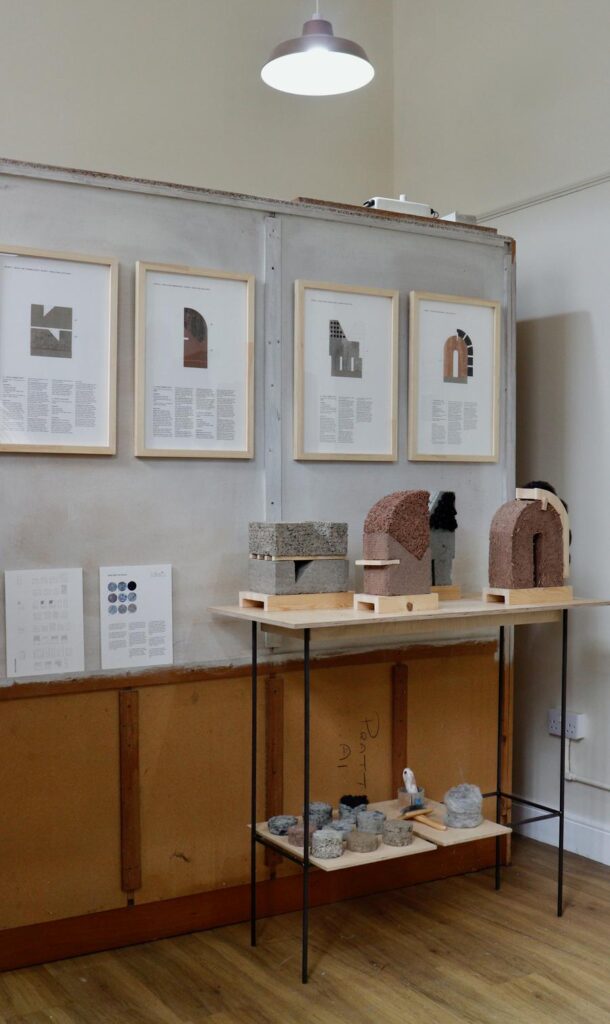
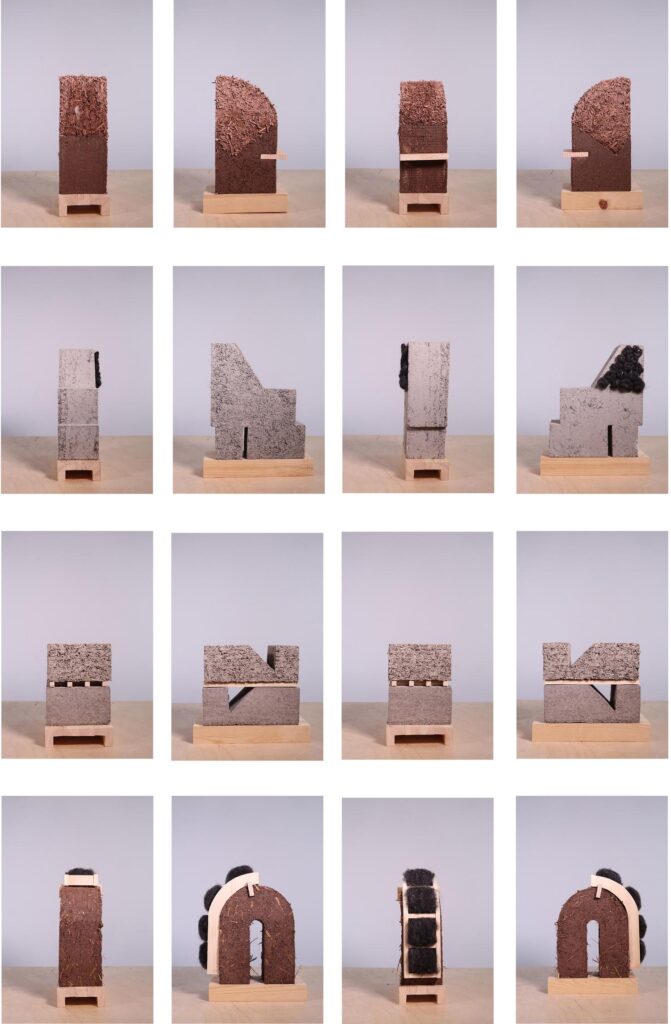
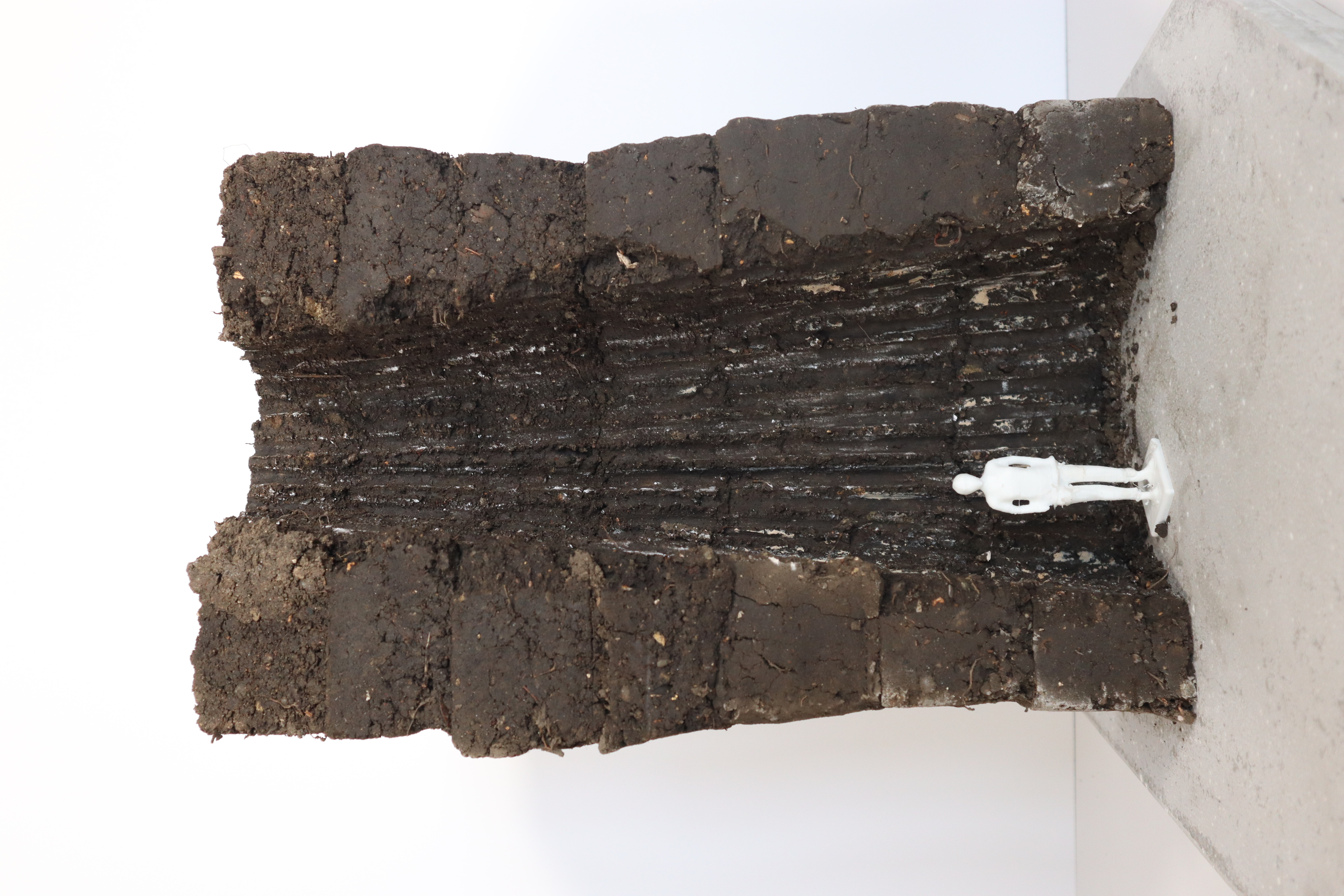
The research continues through Woolly Walls, Forgotten Fleece, a traveling exhibition that revisits Scotland’s largely forgotten tradition of fiber-reinforced earth construction. These architectural-sculptural objects are composed of earth, clay, stone dust, hemp shiv, and sheep’s wool—reinterpreting the historic mudwall or cob technique.
In this contemporary adaptation, carded wool fleece functions as a stabilizing agent, introducing tensile strength while producing a distinctive soft, tactile surface. The resulting textures invite touch, challenging the visual dominance of architectural representation and reintroducing haptic engagement as a core spatial quality.
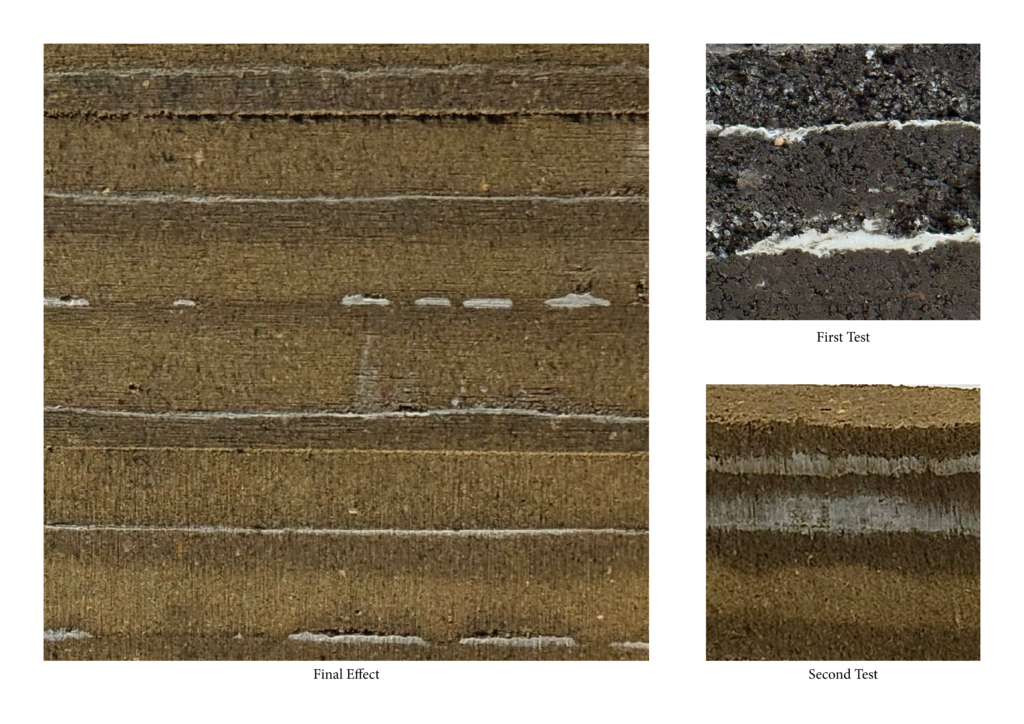
Each piece is fabricated through an intensive manual process: freshly shorn wool is washed, carded, and combined with earth-based mixtures before being tamped into custom formwork. The exhibition presents a range of “recipes,” each generating variations in color, density, and texture, accompanied by collaged material studies.
While not scaled building models in a conventional sense, the works suggest alternative futures for construction—ones grounded in locality, circularity, and material intelligence. As the exhibition travels across Scotland—from Langholm to Dundee, Dumfries to Thurso—it reactivates regional craft knowledge while proposing new directions for regenerative design.
Funding & Research Context
This body of work is supported by the SSHRC Innovative Initiative Grant: Earthworks: Architecture’s Regenerative Material Models. Development of the earth–wool mixtures was conducted during an open residency at Cove Park in Argyll and Bute, Scotland.
Source:
1.Proto-architectural Regenerative Models — **Studio Moffitt**
2.Archifringe — **Studio Moffitt**
3.Woolly Walls — **Studio Moffitt**
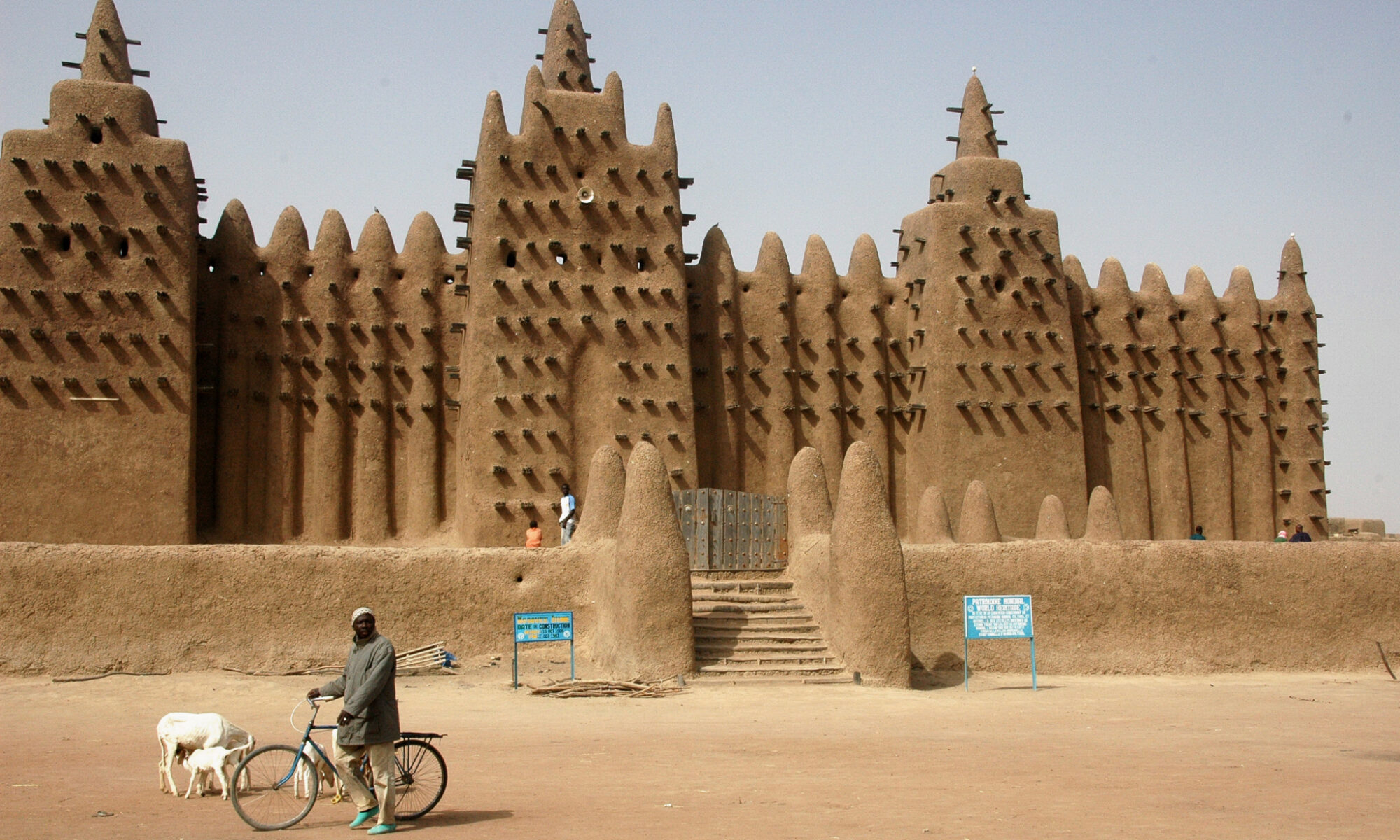
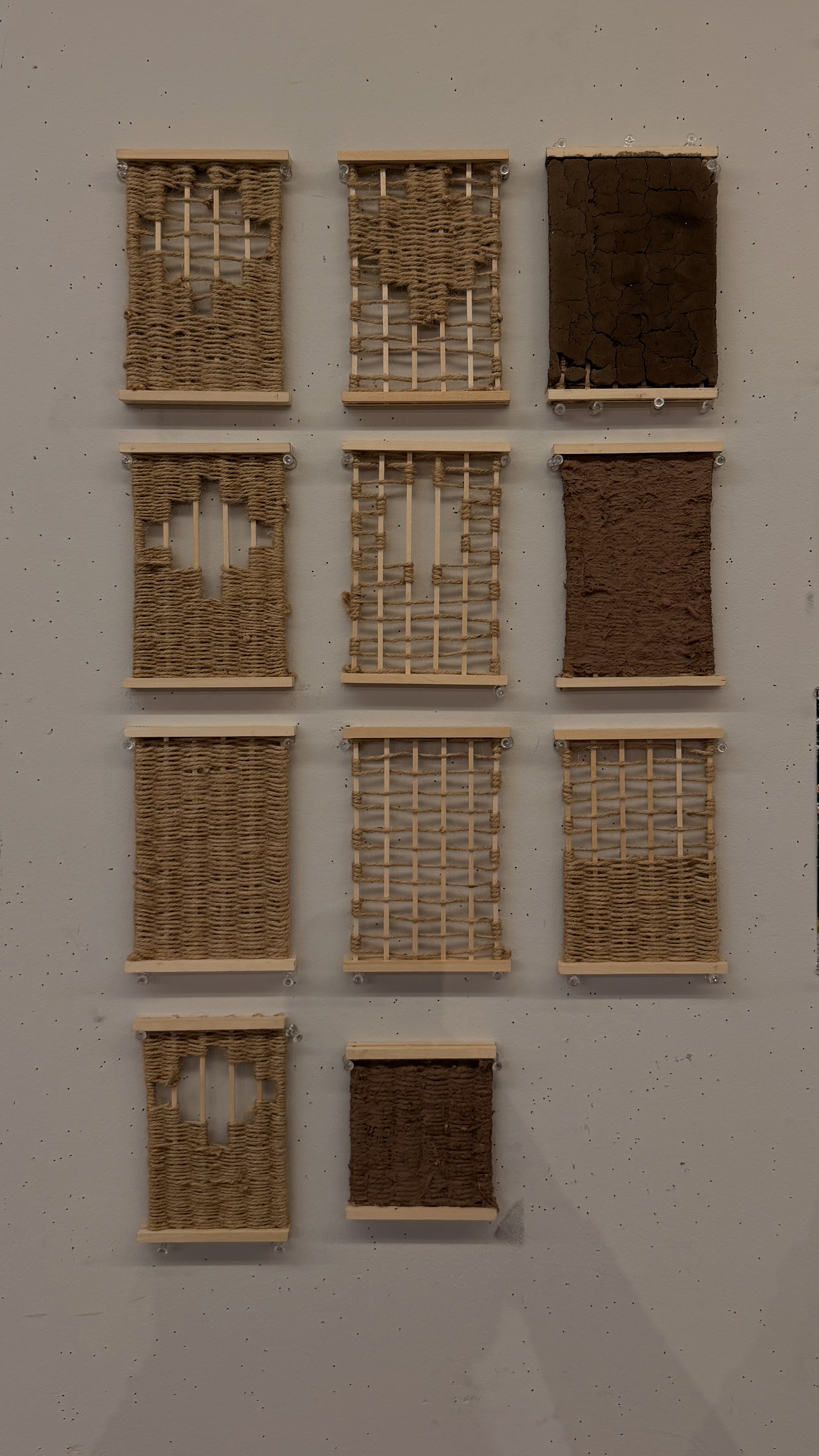
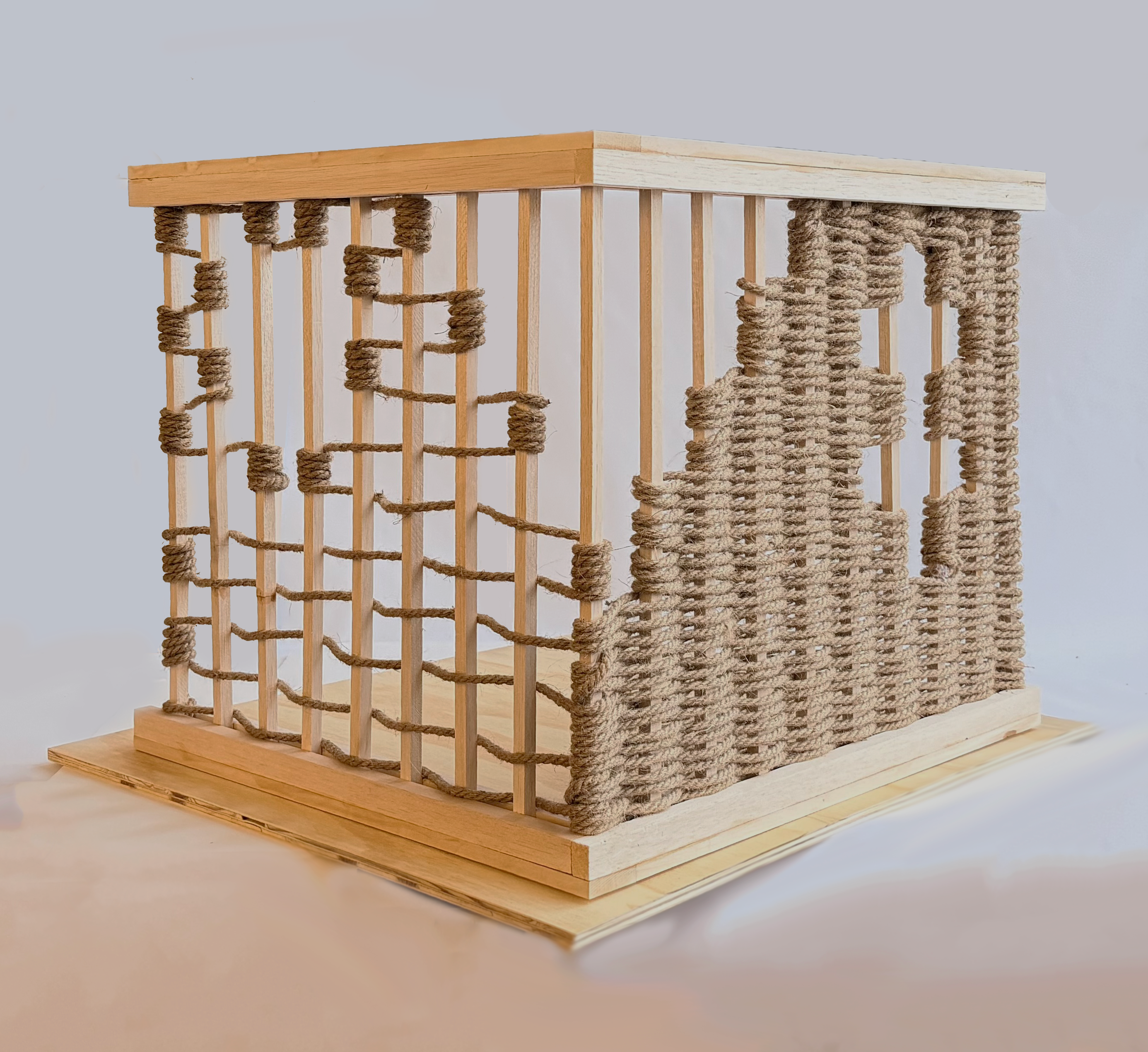
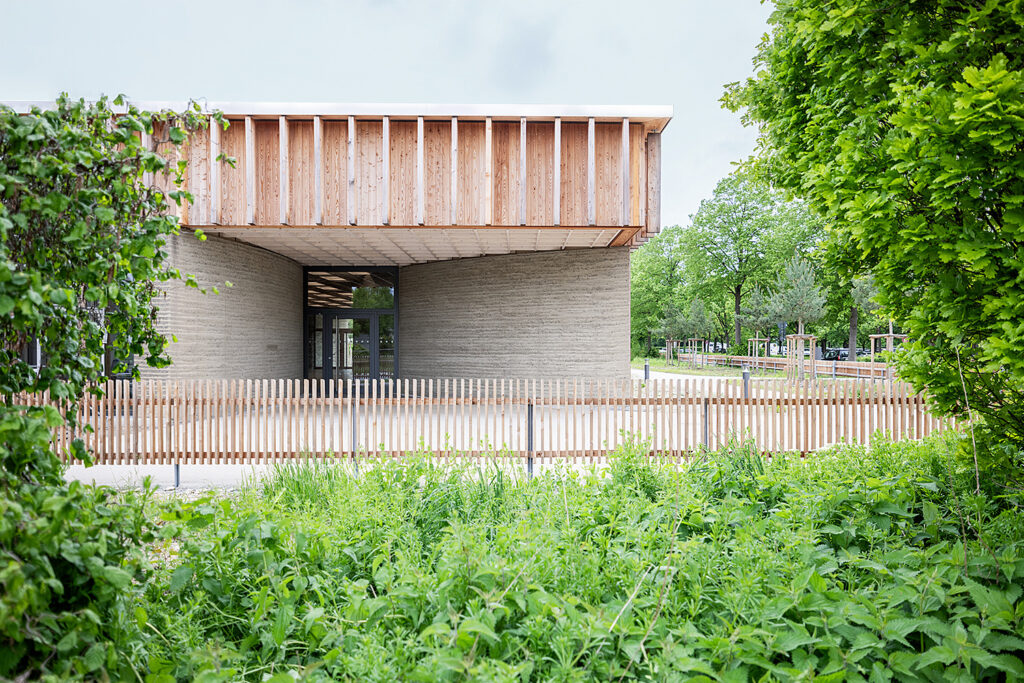
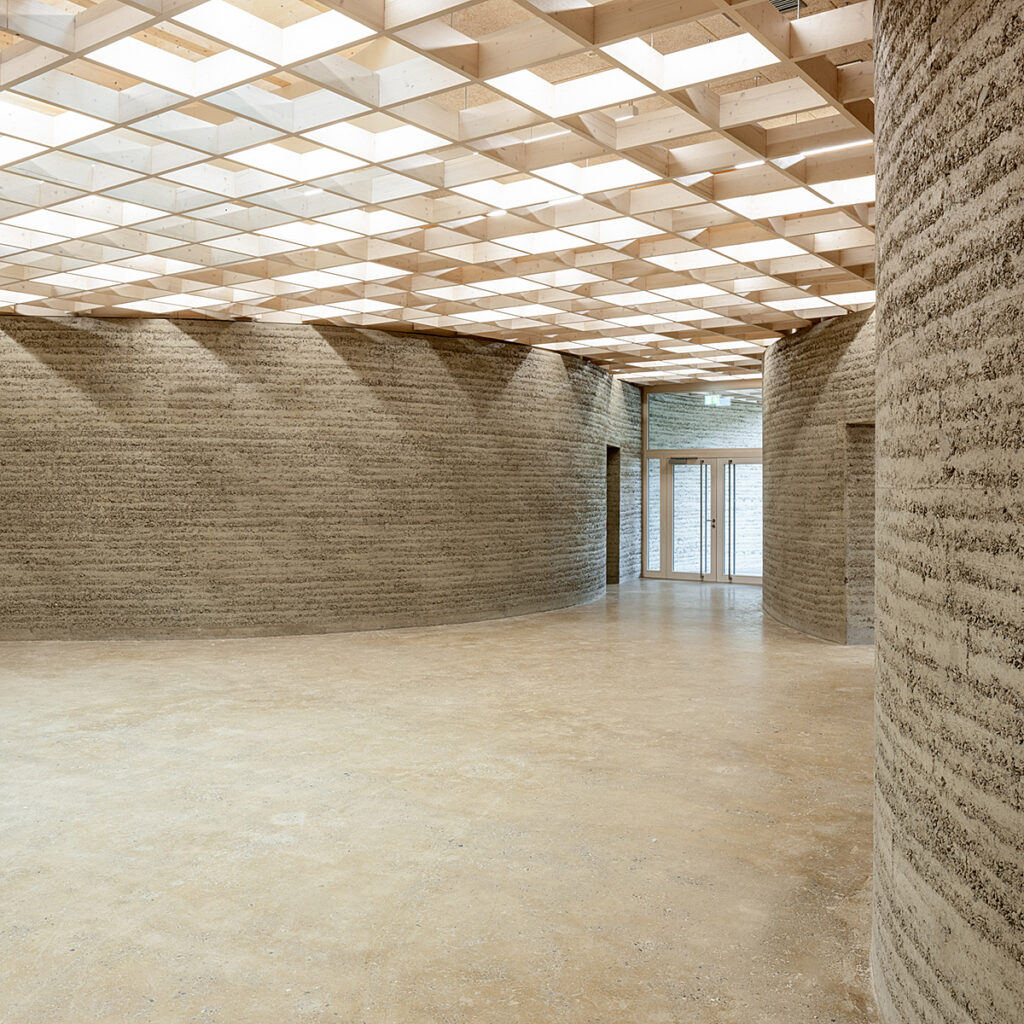




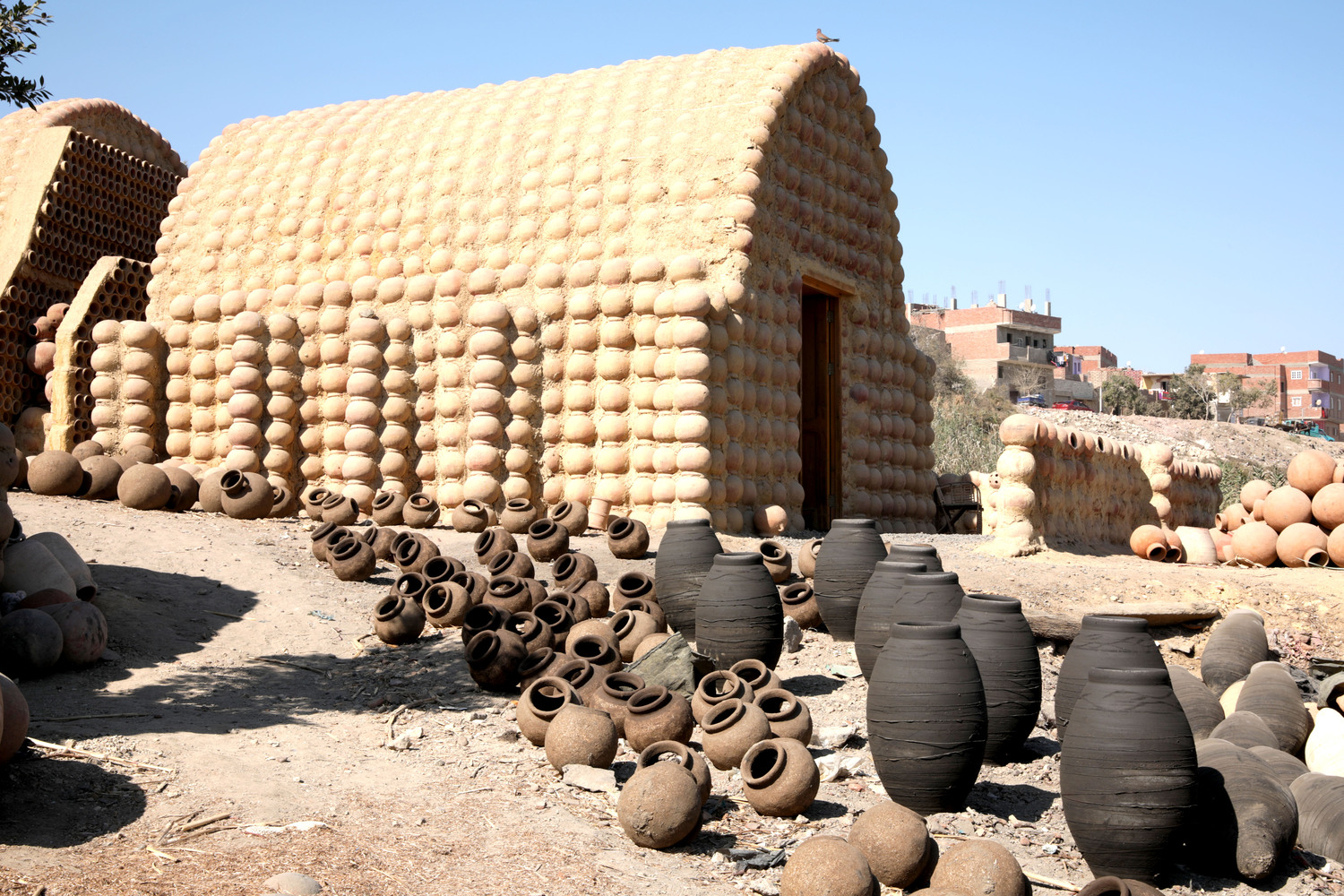
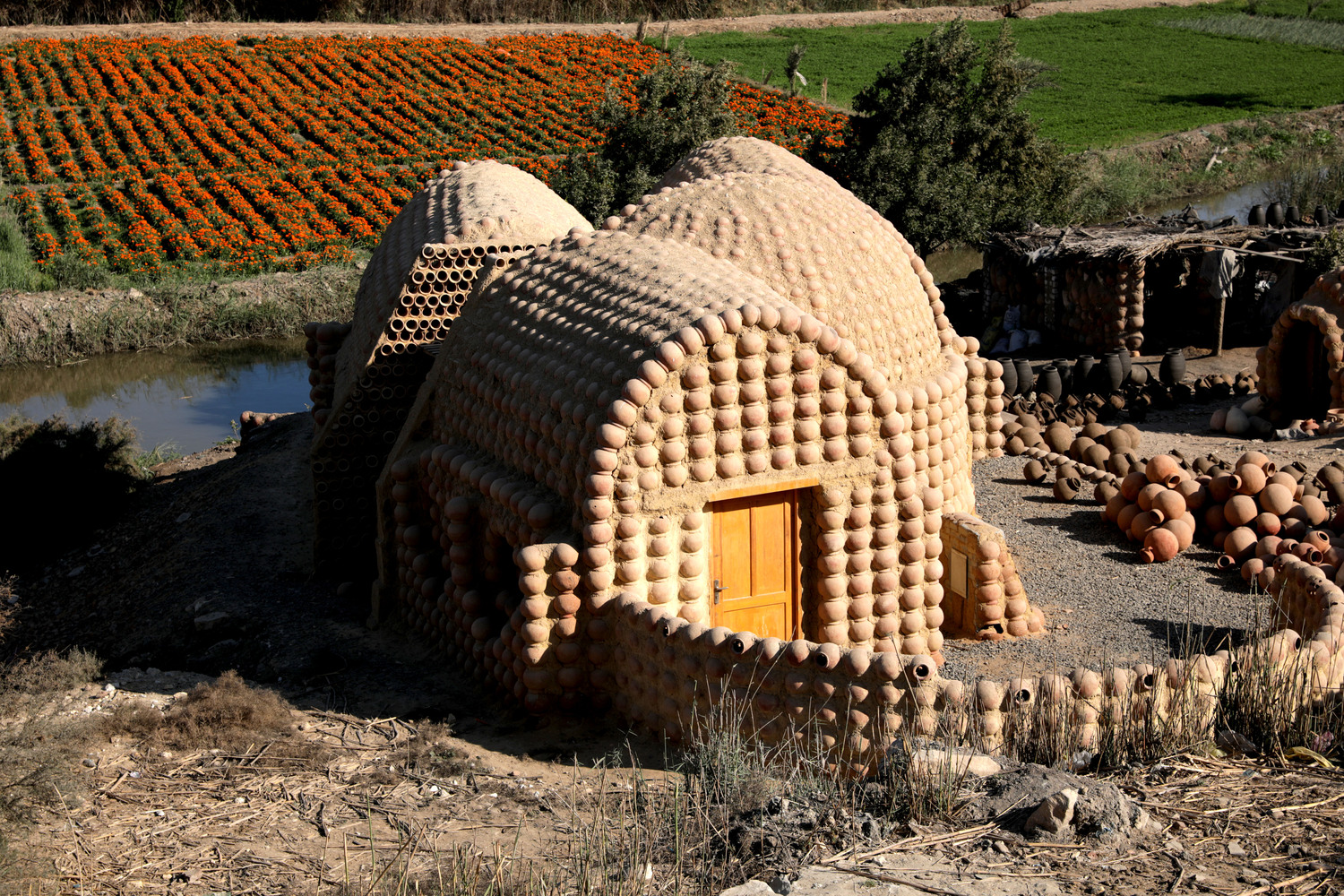 Reference images from the Al Nazlah Center by Hamdy El-Setouhy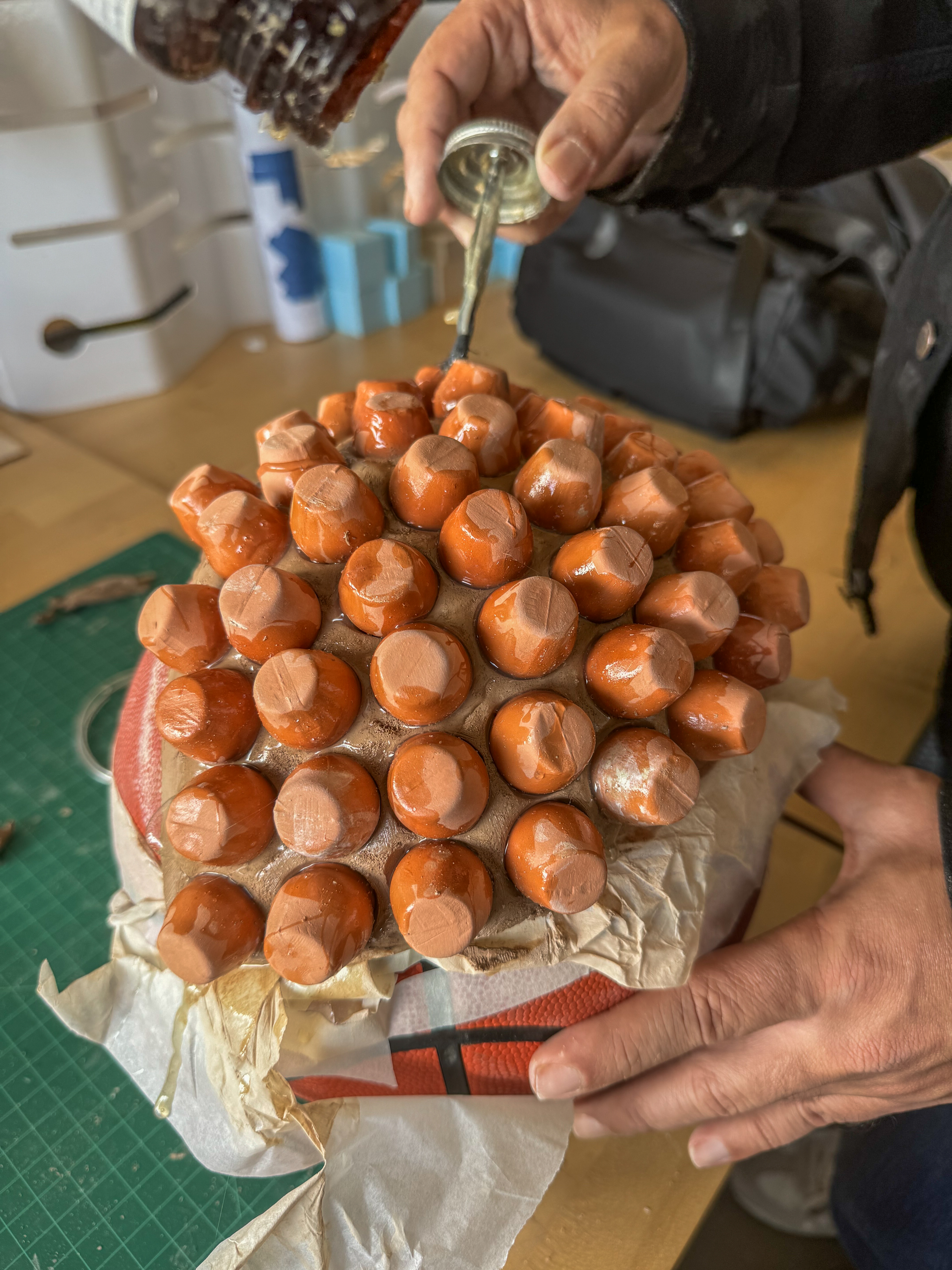
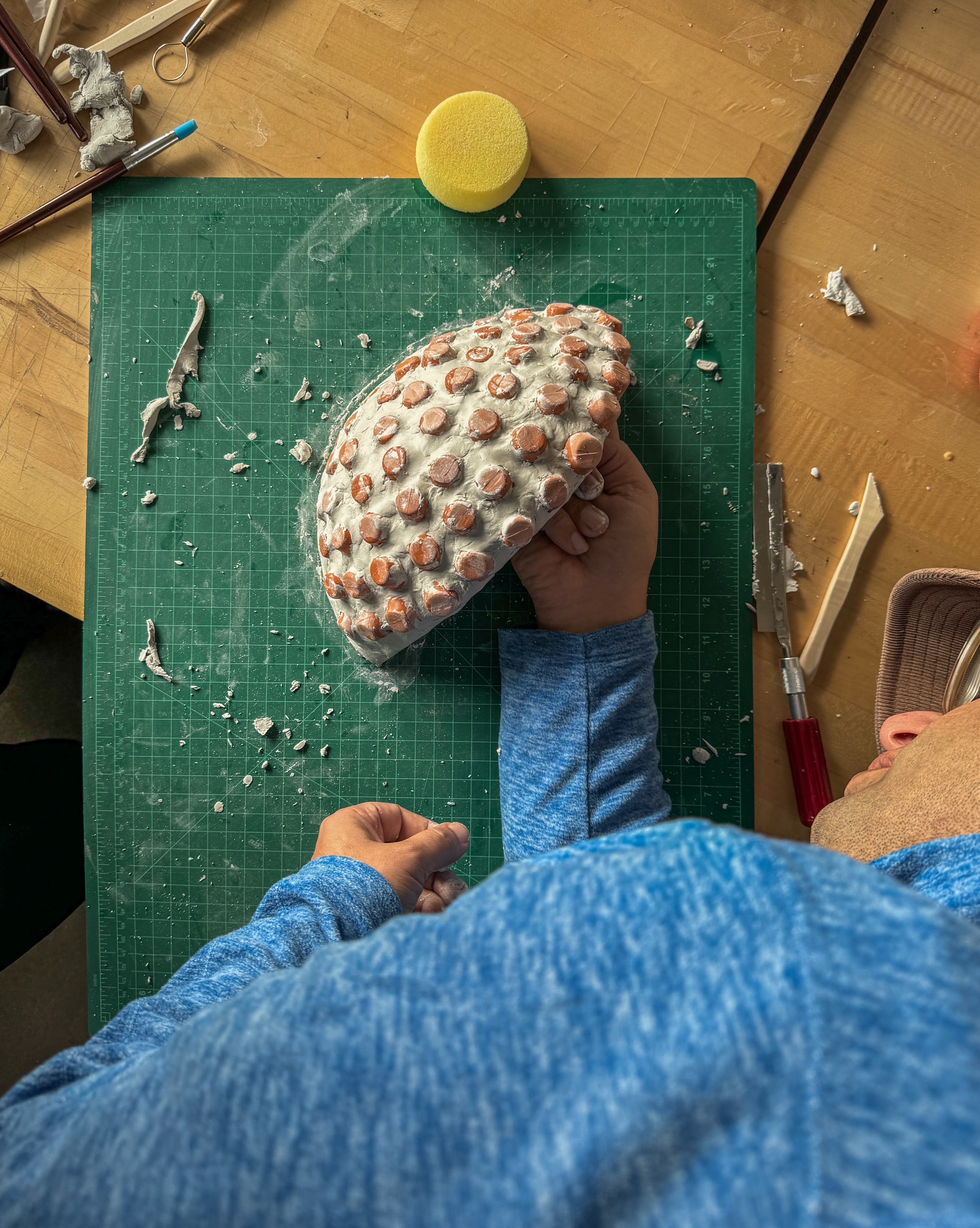
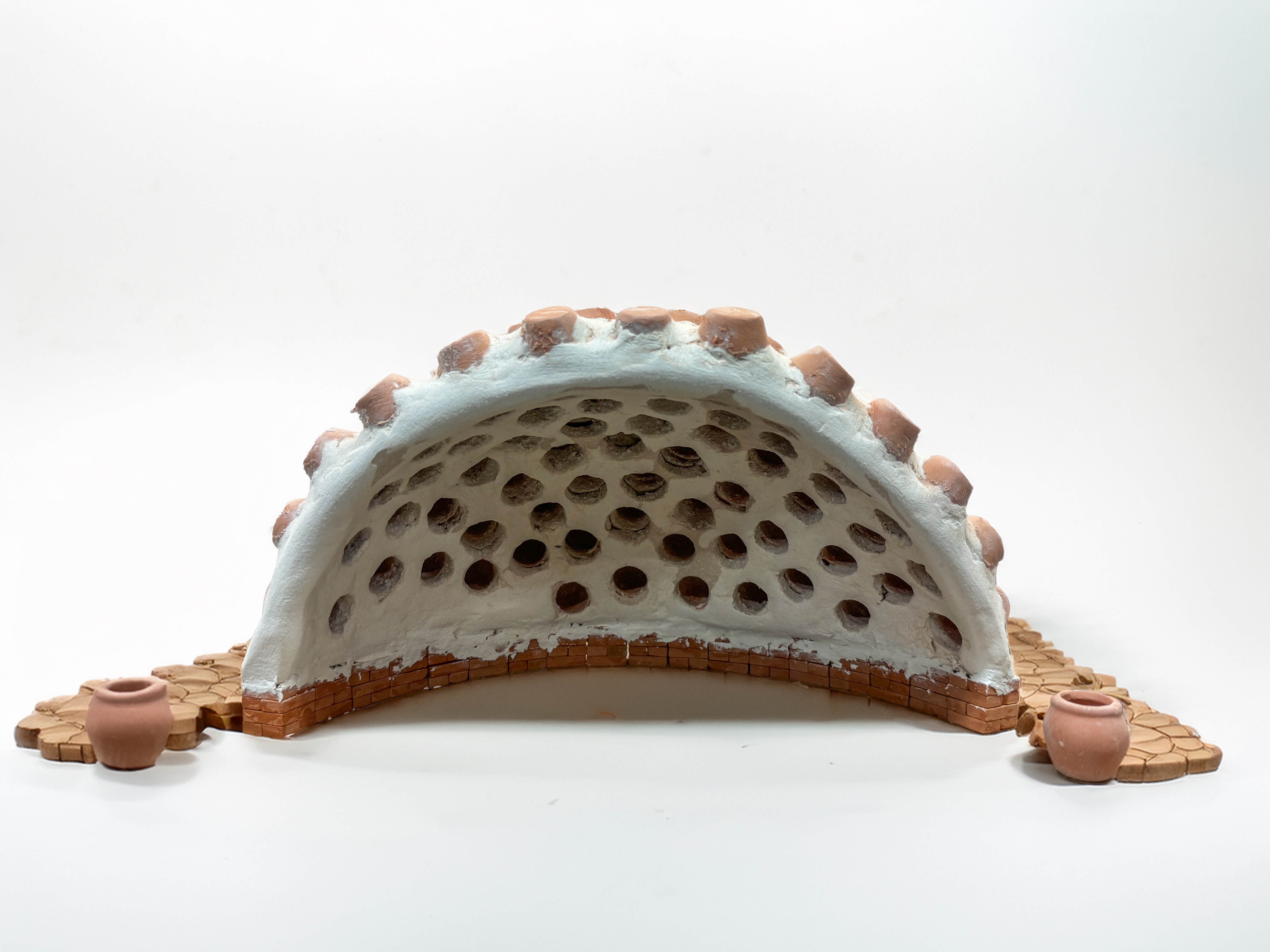 Proposal dome model. Scale: 1/4″=1′