
Betil Dagdelen: Rammed Earth Side Tables

Betil Dagdelen

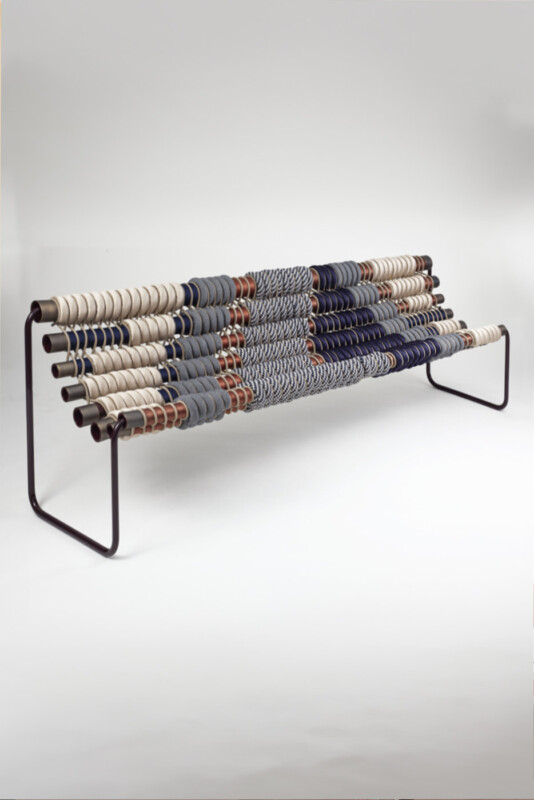
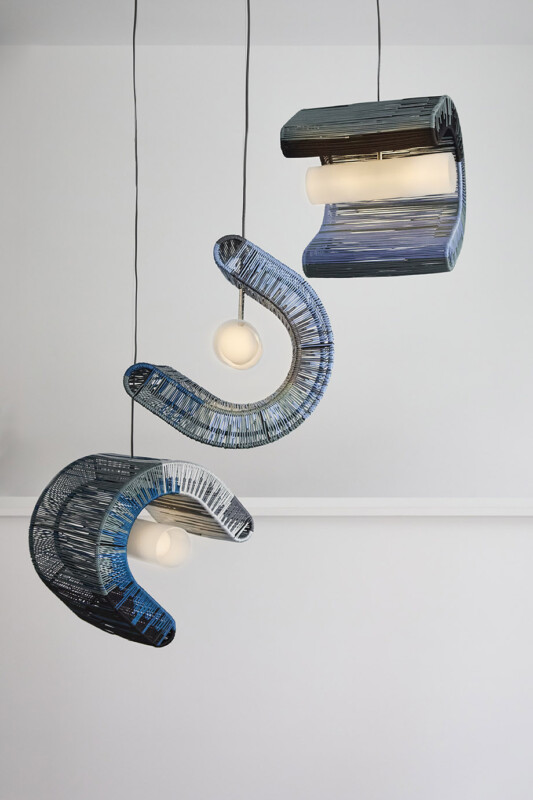
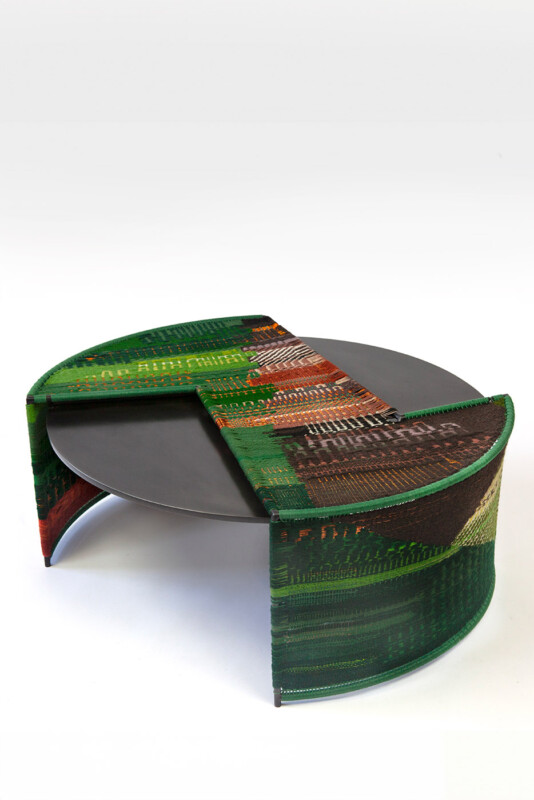
Betil Dagdelen is a Turkish artist born in 1978 that specializes in combining traditional weaving techniques and practices with a more improvisational strategy in her patterning. Dagdelen studied at Koc University, located in Istanbul, and graduated with a Bachelors in political science and international relations. She however, also attended design classes and used inspiration from her life to work on furniture design. Currently, Betil works in New Mexico, on the design and weaving of furniture in order to study and understand patterns, particularly through the use of already existing materials that she believes have a story to them, for example yarn that was created traditionally. 
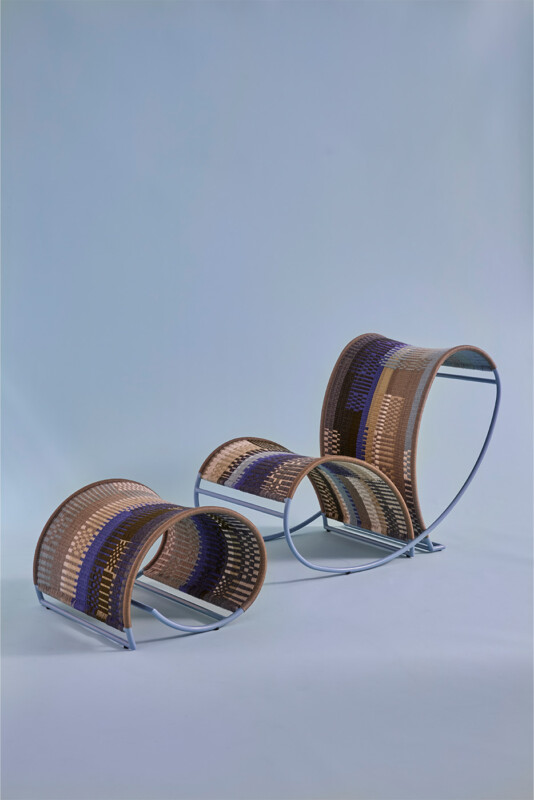


A lot of her work is displayed at the Cristina Grajales Gallery in New York. One of her exhibitions presented there is called OFF BY AN INCH, where part of the work presented includes the use of rammed earth to create side tables. 
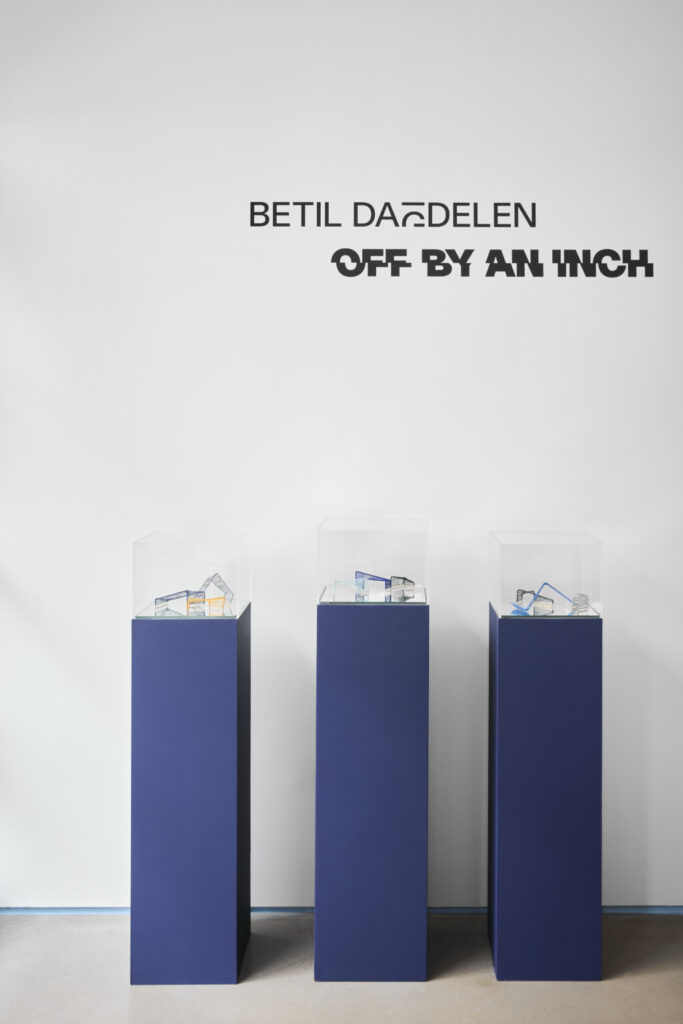
In this gallery showing, Betil brings together history and the art of weaving, she creates solid structures and then weaves around them to create and elevate the structural design of furniture. In these works Betil brings together modern design with a more traditional weaving method in order to have both a visual and tactile experience. 

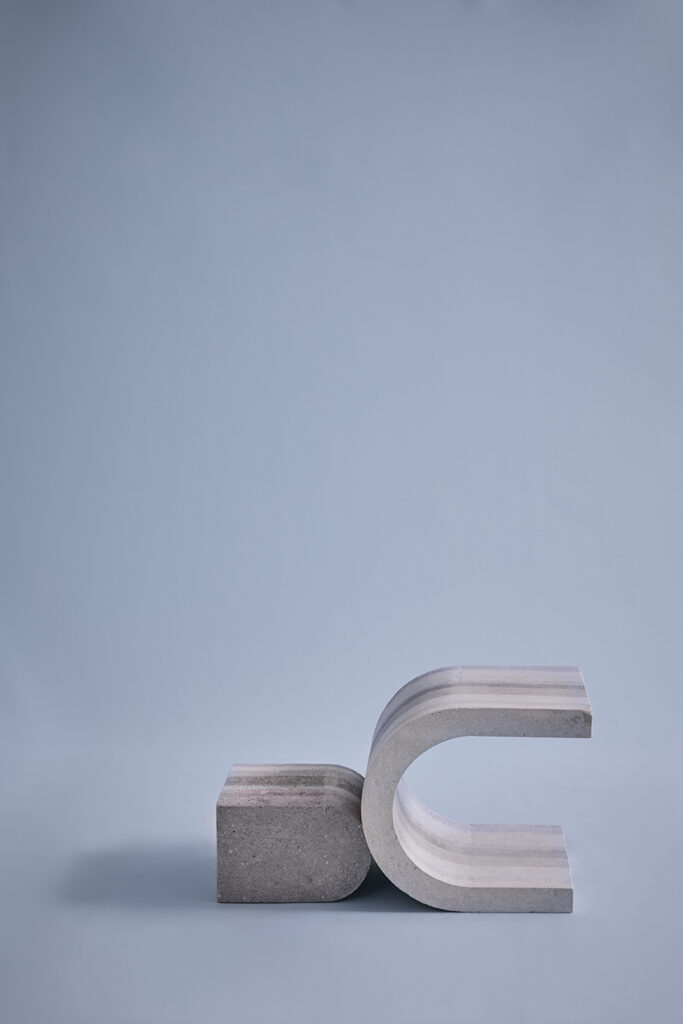
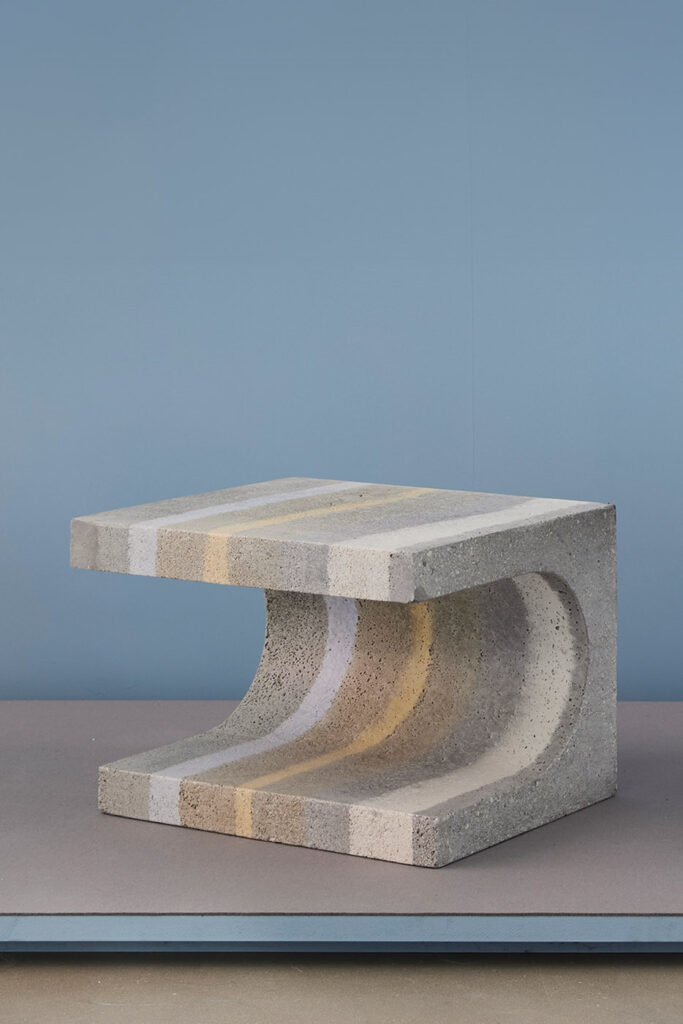
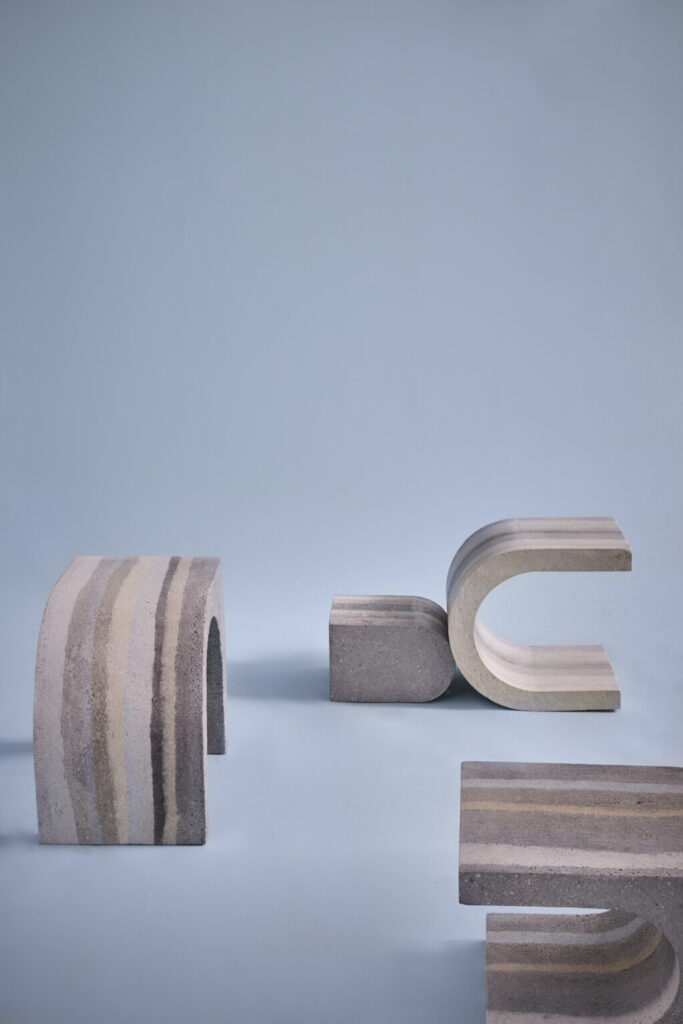
In this specific gallery showing, Betil includes three side tables made from rammed earth, continuing her exploration of patterns present in furniture design. In this case the rammed earth material, allows for an exploration of those combinations between texture, pattern, and material.
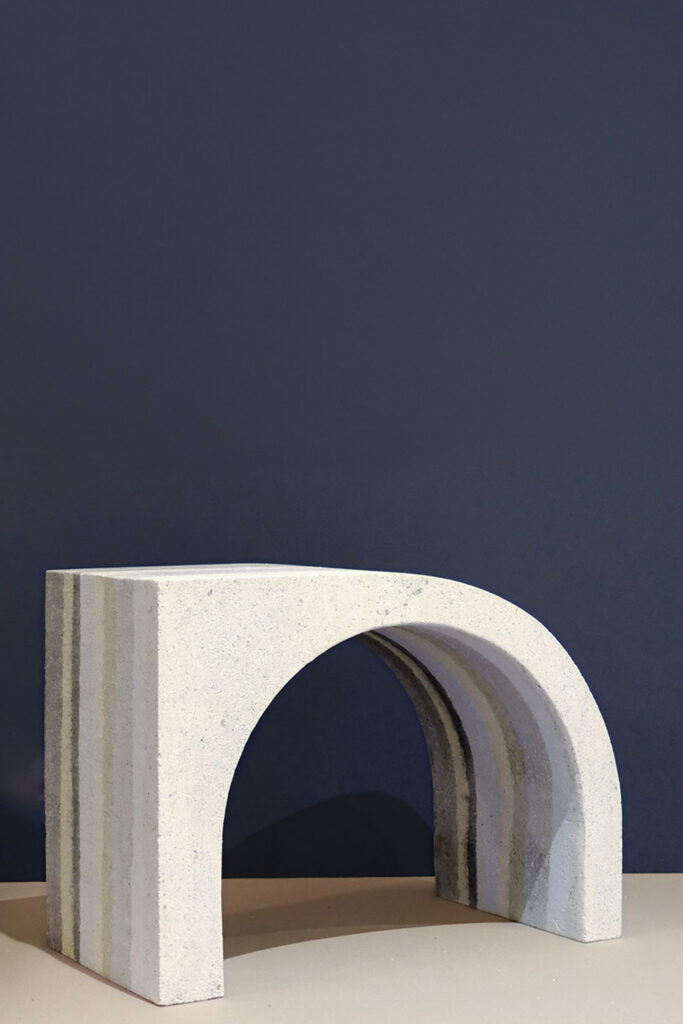
Rammed Earth Side Table A
Rammed Earth Side Table B
Rammed Earth Side Table C

These three side tables are all made from the same materials, which are pumicecrete, portland cement, natural dyes, and lime. Additionally, these three side tables are part of the specific section on Pattern Studies in her showing, where the material element, in this case rammed earth, was used to explore how patterns present themselves differently through technique and design using the same material components.
Resources

https://cristinagrajales.com/artists-designer/betil-dagdelen/

https://cristinagrajales.com/collection/rammed-earth-side-table-c/

https://cristinagrajales.com/exhibitions/off-by-an-inch/

https://cristinagrajales.com/collection/rammed-earth-side-table-a/

https://cristinagrajales.com/collection/rammed-earth-side-tables/
https://betildagdelen.com/mp_01_v2

https://www.instagram.com/betildagdelen/

David Adjaye, Asaase

Location: Gagosian Gallery, New York City

Completion: 2021

Architect:  David Adjaye

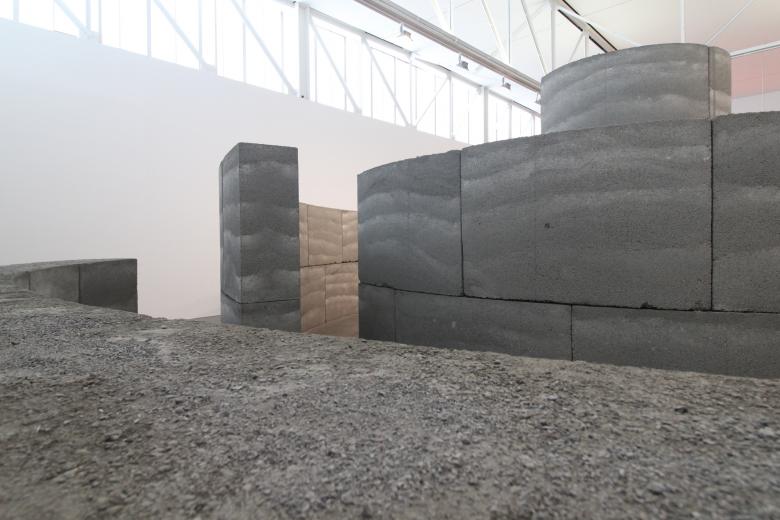
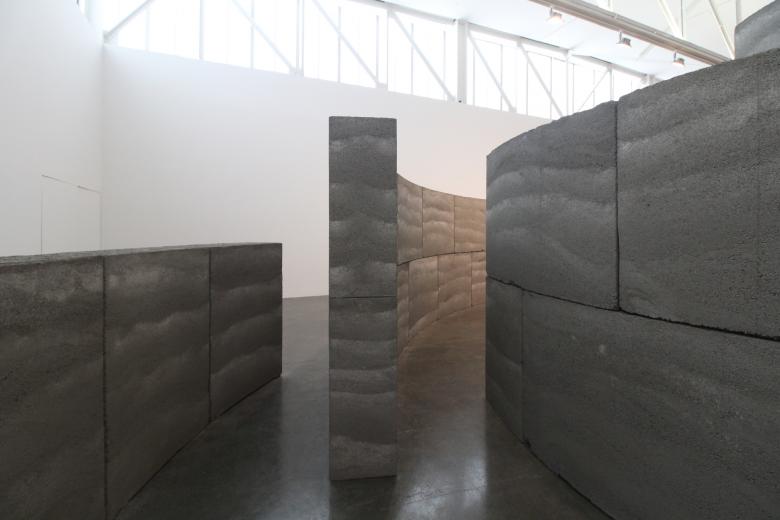
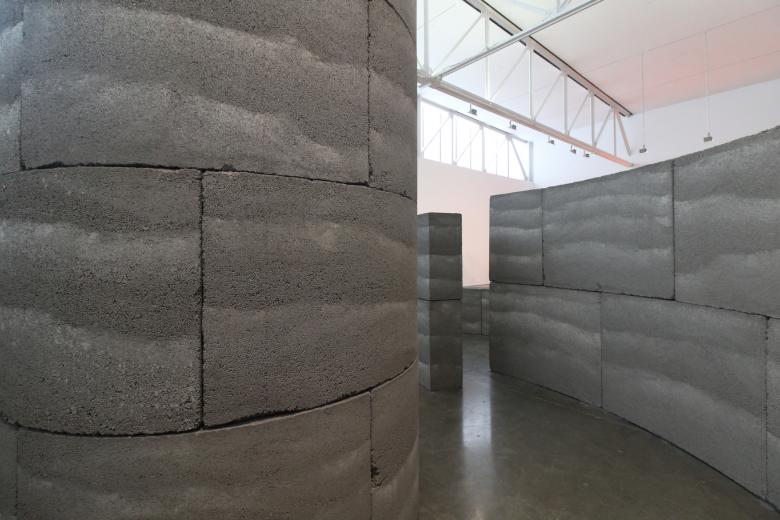
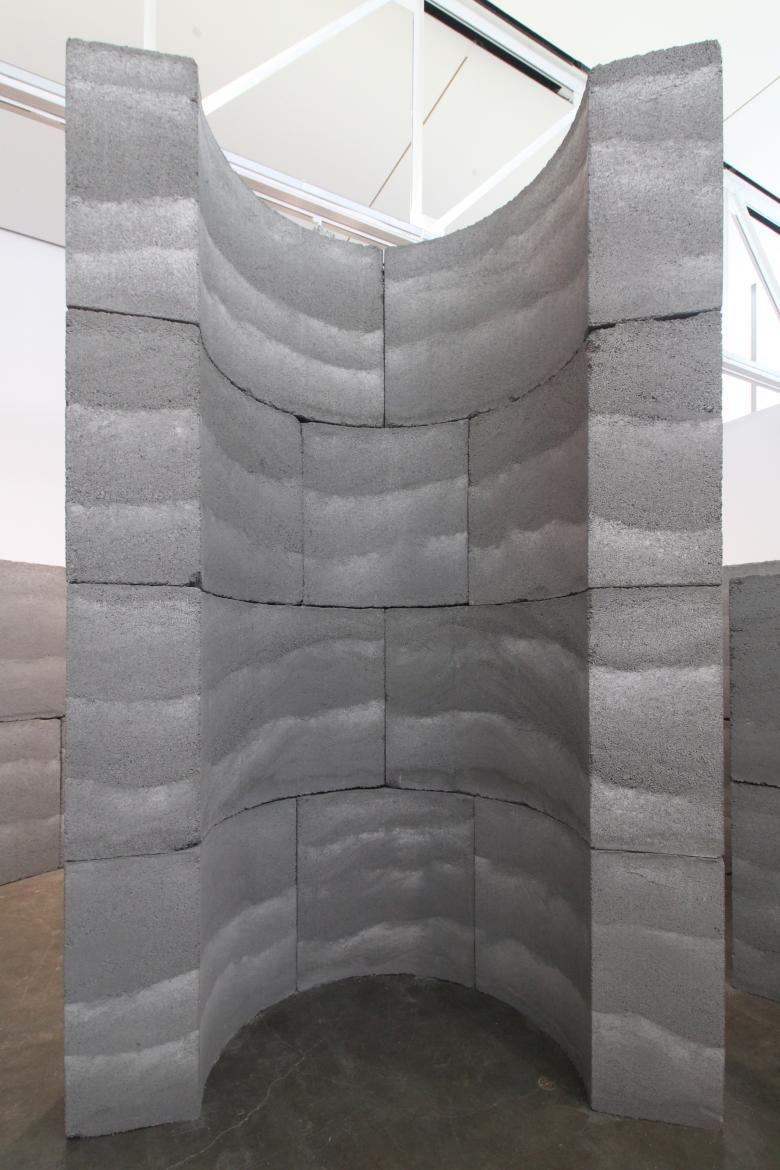
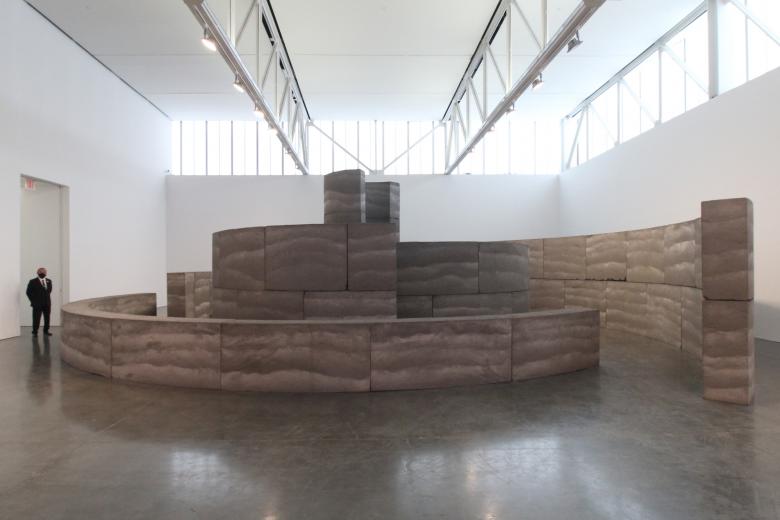
‘Asaase’ takes the form of a labyrinthine,  walls made from stacked blocks increasing in height toward a “conical vertex” in the center. The British architect’s first large sculpture was one piece to Social Works, a group exhibition of a dozen Black artists, curated by Antwaun Sargent, to engage with social space “as a community-building tool.”


João Fazenda

“It’s this idea of construction that works across many modes of sensory perceptions….it’s designed to create moments where the audience is just in – between earth. This is something people have forgotten how to do.”


Constructing the rammed earth blocks began with a combination of crushed limestone and schist from New York, with the tops of the shorter walls at the perimeter revealing some of the loose aggregate from the process.

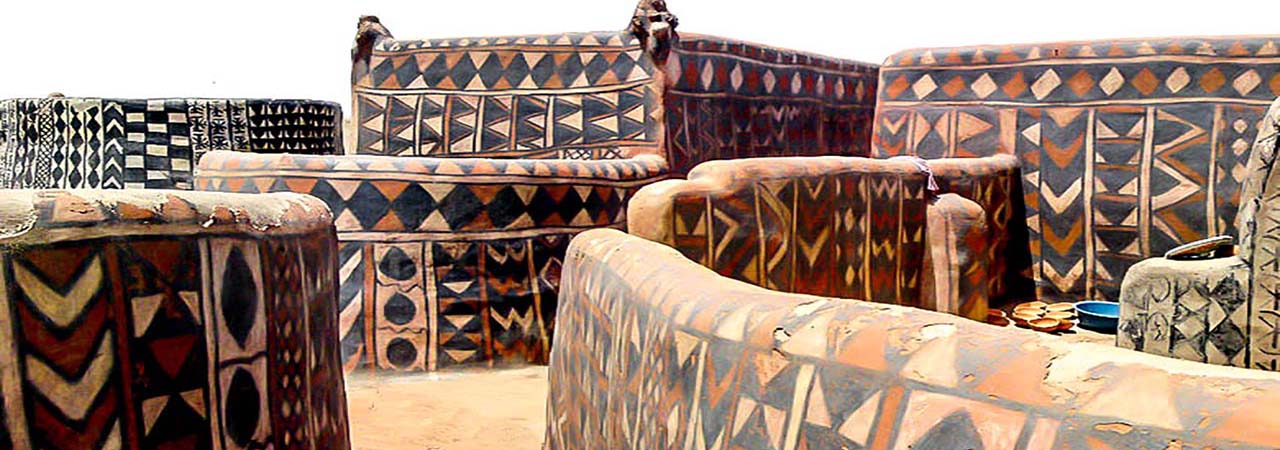
Tiébélé Royal Complex, Burkina Faso

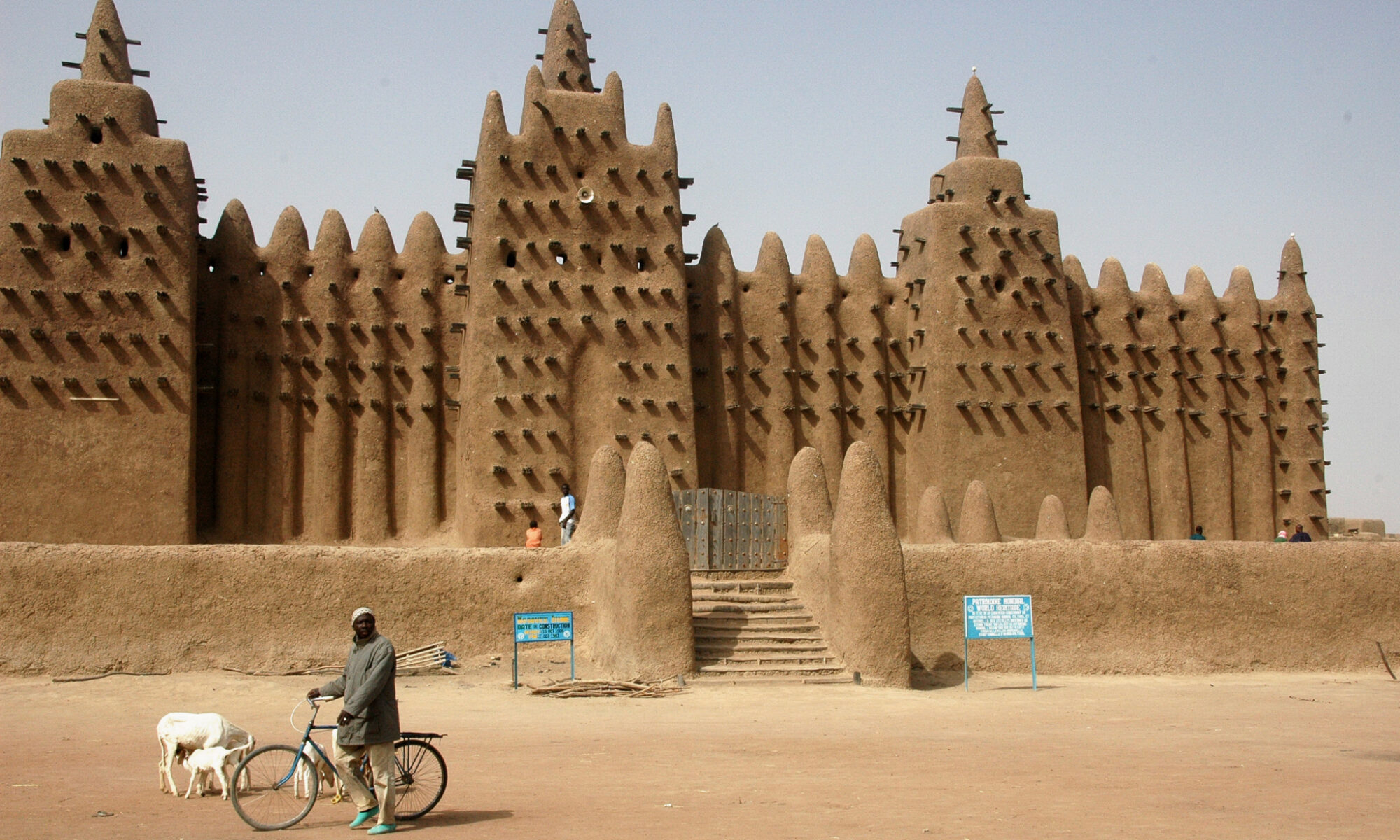
The ‘Asaase’ project incorporates a sense of collective memory and aims to evoke a deeper connection with the land, specifically traditional black architecture and historical identities. References to historic works of West African architecture such as the Tiébélé royal complex in Burkina Faso and the walled city of Agadez in Niger, can be seen in the sculpture’s maze form.

The project reflects on the unique essence of a place, drawing connections between the present and the past by examining Black communal spaces across the African continent. It delves into how these spaces served as central hubs for families and communities to gather.

The curved walls invite visitors to explore the spaces between the gallery walls and the piece before entering the spaces inside. These overlapping walls mean there are numerous ways to encounter  and move through the installation.

‘Asaase’ contemplates the idea of fragments—both in terms of physical spaces and the buildings constructed from the earth—that provided the backdrop to everyday life for Black individuals, symbolizing a connection to heritage and history. What Adjaye describes as “fragments of chambers,” can be demonstrated the most by the niche at the center of the maze.

References