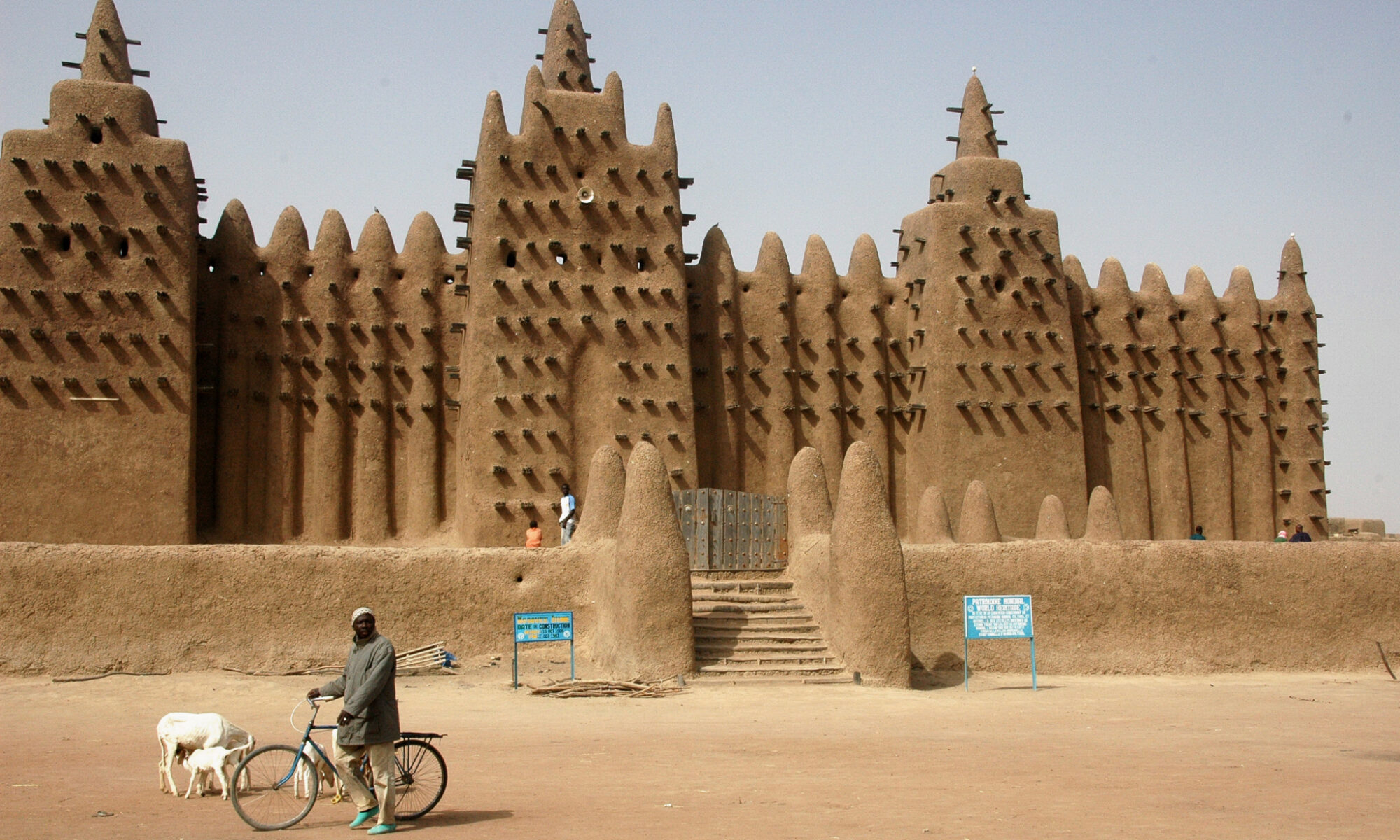
An on-line survey of earthen architecture by Hugo Houben and Hubert Guillaud of CRATerre
Chia-Church
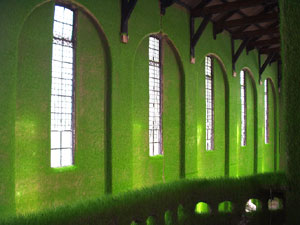
Artists Heather Ackroyd and Dan Harvey are filling a deconsecrated church with grass, grown from seed embedded in clay which is plastered to the walls of the church. Watch the project as it developed week by week here, and read their diaries of how, and why, this extraordinary project is came to be.
CENTROTERRA
CENTROTERRA is an organization committed to the advancement and dissemination of earth building in Italy
GEOLOGIKA
Interesting projects at the Italian organization GEOLOGIKA.
LEHM 2004 Conference on Building with Earth
In response to the earthquake catastrophe in Bam, Iran, and to reflect the participation of colleagues from Iran, a fifth theme will be added to the conference proceedings: “Earthquake resistant construction with earthen building materials”. The deadline for submissions for papers has been extended until the 15th February 2004. The Dachverband Lehm would like to give Iranian experts the opportunity for professional dialogue with international colleagues.
HABITAR A TERRA: A Arte de Construir em Terra Crua
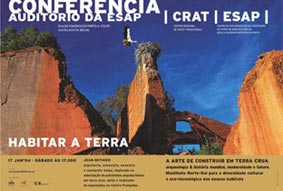
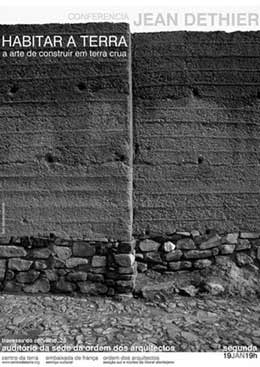
Sponsored by an initiative of the cultural service of the embassy of France and Centro da Terra, is the lecture, HABITAR A TERRA: A Arte de Construir em Terra Crua (To Inhabit The Earth: The Art of Building with Earth) by Jean Dethier. The conference will be held on two separate dates and locations, Porto, Portugal January 17 and Lisbon, Portugal on January 19. Dethier has been investigating this topic for more than 60 years, having being associated the initiatives that have led to resurgences of this building tradition in industrialized countries. The subject of the lecture framed by a traditional perspective, archaeology, modernity and the future of earth architecture, which will include the publication of a book, as well as films for television, and an exhibition on the subject for 2005 that will offer an opportunity to learn about the buildings, cities and cultures that had used this material since the antiquity.
Centro da Terra
Portugal based Centro da Terra is an organization that promotes the study, documentation and dissemination of earth architecture. Portuguese language website.
The Chapel of Reconciliation
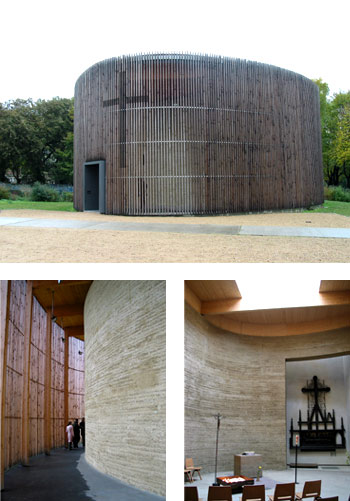
The Chapel of Reconciliation is both Germany’s first public rammed earth building in over 150 years as well as the first rammed earth German church. The building was built on the site of the former Church of Reconciliation, which was built in 1894 and was later destroyed, as it was surrounded by the wall dividing east and west Germany.
The rammed earth walls in the new church are made using clay mixed with the ground up remains of the former church. The building was designed by architects Rudolf Reiterman and Peter Sassenrath and constructed with help from Austrian rammed earth expert Martin Rauch.
Plano B
Plano B is a young architecture office from Portugal interested in architecture, design and earthbuilding.
United Kingdom Rammed Earth
Faculty from the Department Architecture & Civil Engineering at the University of Bath are developing rammed earth walling for UK housing construction. Their site includes a photo gallery of historic and contemporary rammed earth (and rammed chalk) projects in the United Kingdom.