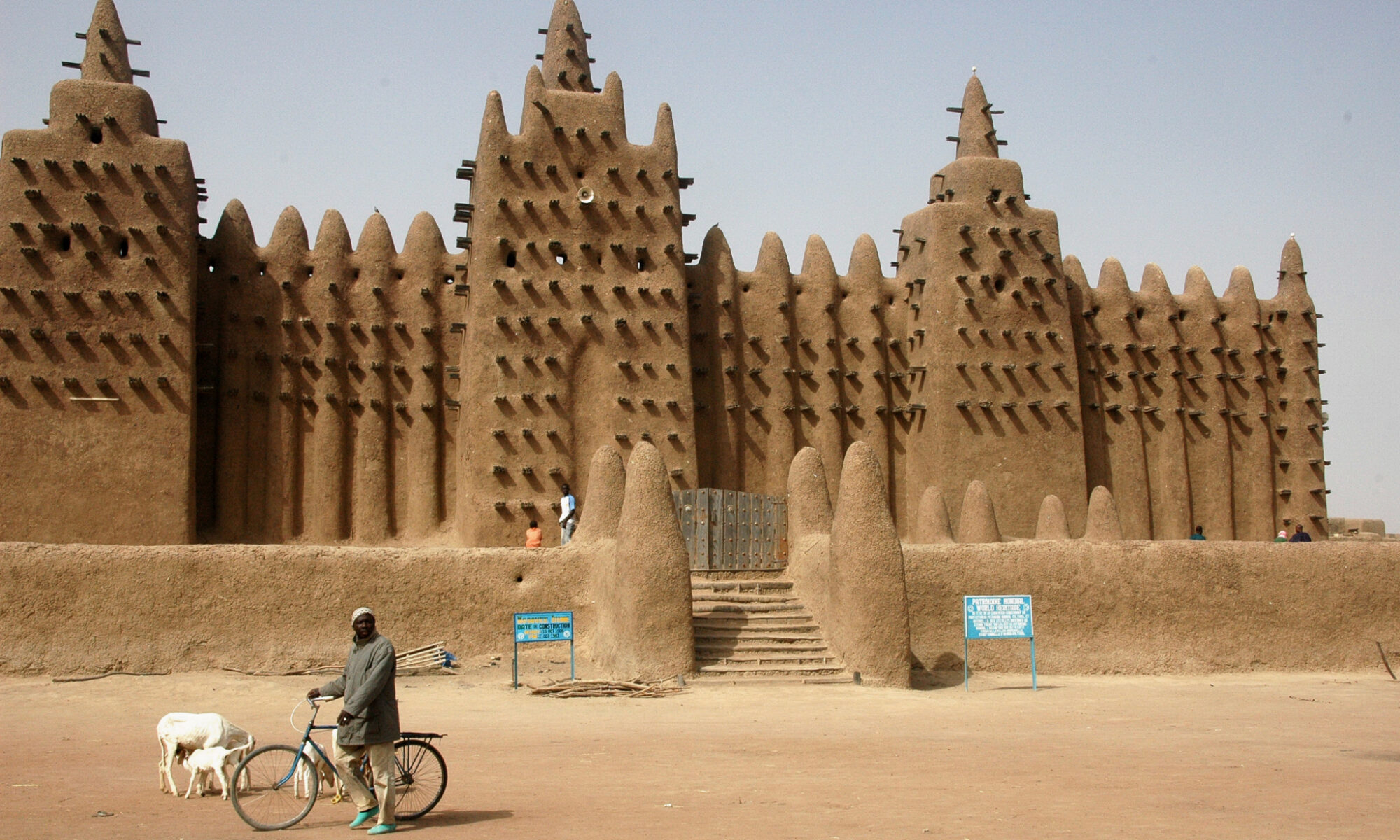
The use of unburnt mud bricks commonly known as ‘rukarakara’ in the construction of houses is to be banned, the Minister of Infrastructure, Stanislas Kamanzi, has said. The Minister made the disclosure Wednesday 18, while responding to queries raised by legislators about the new plan to develop Kigali City.
Festive Earthen Building Events
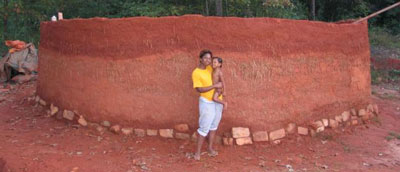
Festive Earthen Building Events (FEBE), a program of Youth Empowerment America, invites youth and adults to help construct a mud brick building at 10 a.m. on Saturday, July 29 in southeast Atlanta.
Simone Swan: Adobe Building
Simone Swan: Adobe Building
Gobi Adobe
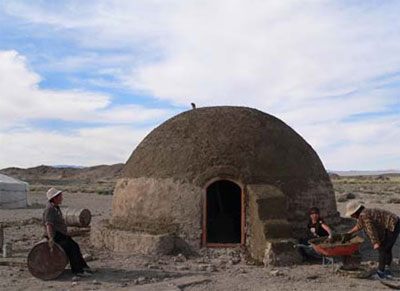
A father and son team, Basanta and Nripal Adhikary from Nepal, are reintroducing adobe in the Gobi Desert as means to provide housing in an environment where there is little timber. [ read article | construction photos ]
Birth Brick
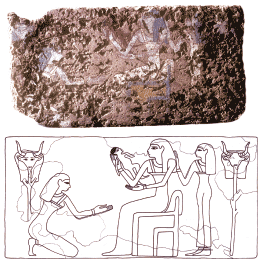
In 2002, University of Pennsylvania Museum archaeologists discovered a 3700-year-old “magical” birth brick inside the palatial residence of a Middle Kingdom mayor’s house just outside Abydos, in southern Egypt. The colorfully decorated mud birth brick, the first ever found, is one of a pair that would have been used to support a woman’s feet while squatting during actual childbirth.
Chitra Vishwanath
Chitra Vishwanath is an architect in Bangalore, India that has been buillding interesting works of architecture with mud for the past 30 years.
Ronald Reagan
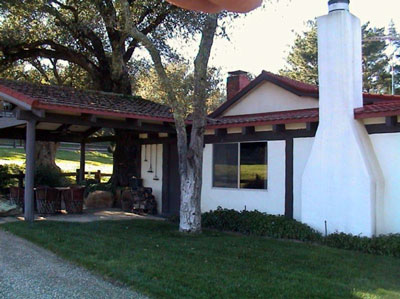
Rancho del Cielo, the former Western White House of the former president Ronald Reagan, where he spent more than a full year of his eight years in office, was first named Rancho de los Picos after Spanish settler Jose Jesus Pico, the last Mexican Governor of Alta California, who moved north from Mexico and built the original adobe house in 1871. The Pico family owned the property until 1941, when it was sold to Frank Flournoy for $6,000, who named the property Tip Top Ranch. In 1955, Roy and Rosalie Cornelius bought the ranch and purchased additional land to add to the property. The Reagans bought the 680-acre ranch in 1974 for $527,000, when Reagan’s second term as governor of California was coming to an end. The Young America’s Foundation bought the Ranch in 1998 to preserve it as an historical site.