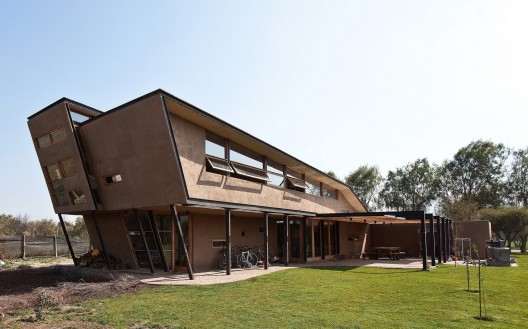
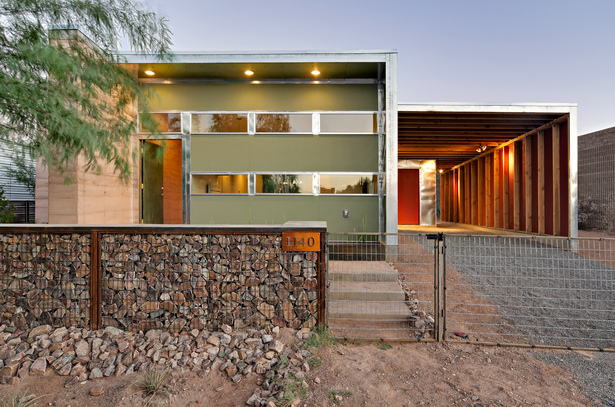
The Casa Munita Gonzalez by Arias Arquitectos and Surtierra Arquitectura is 275 sqm private residence built in Batuco, Santiago, Chile. The house is built using Terra-Panel to assure the thermal efficiency of the housing, which is constituted of panels of welded wire mesh filled of light earth that is supported by a main structure composed of beams and steel pillars.
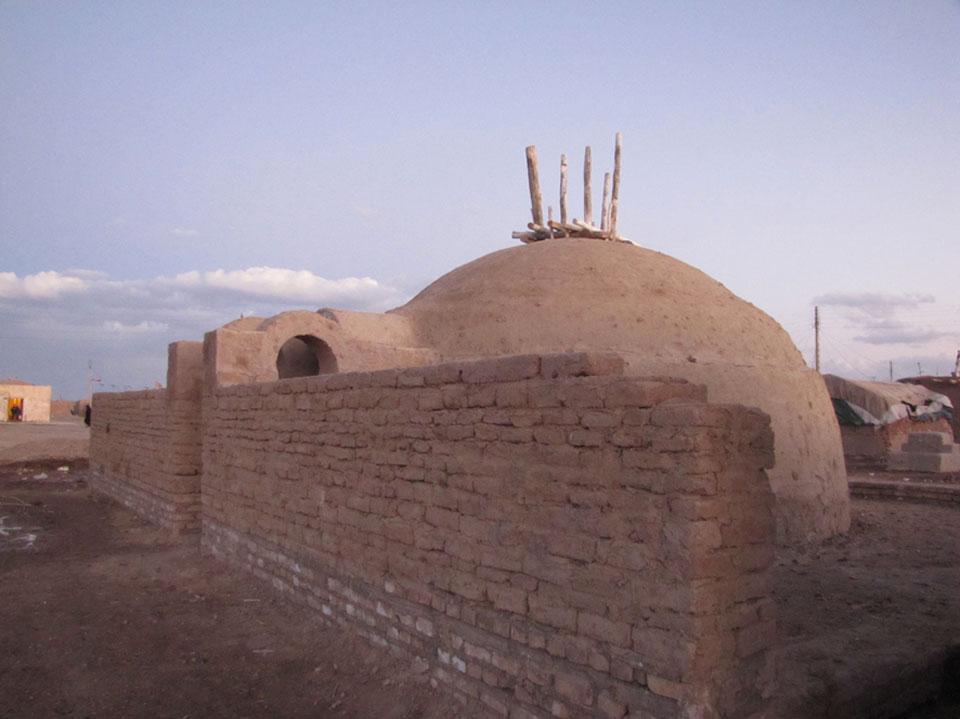
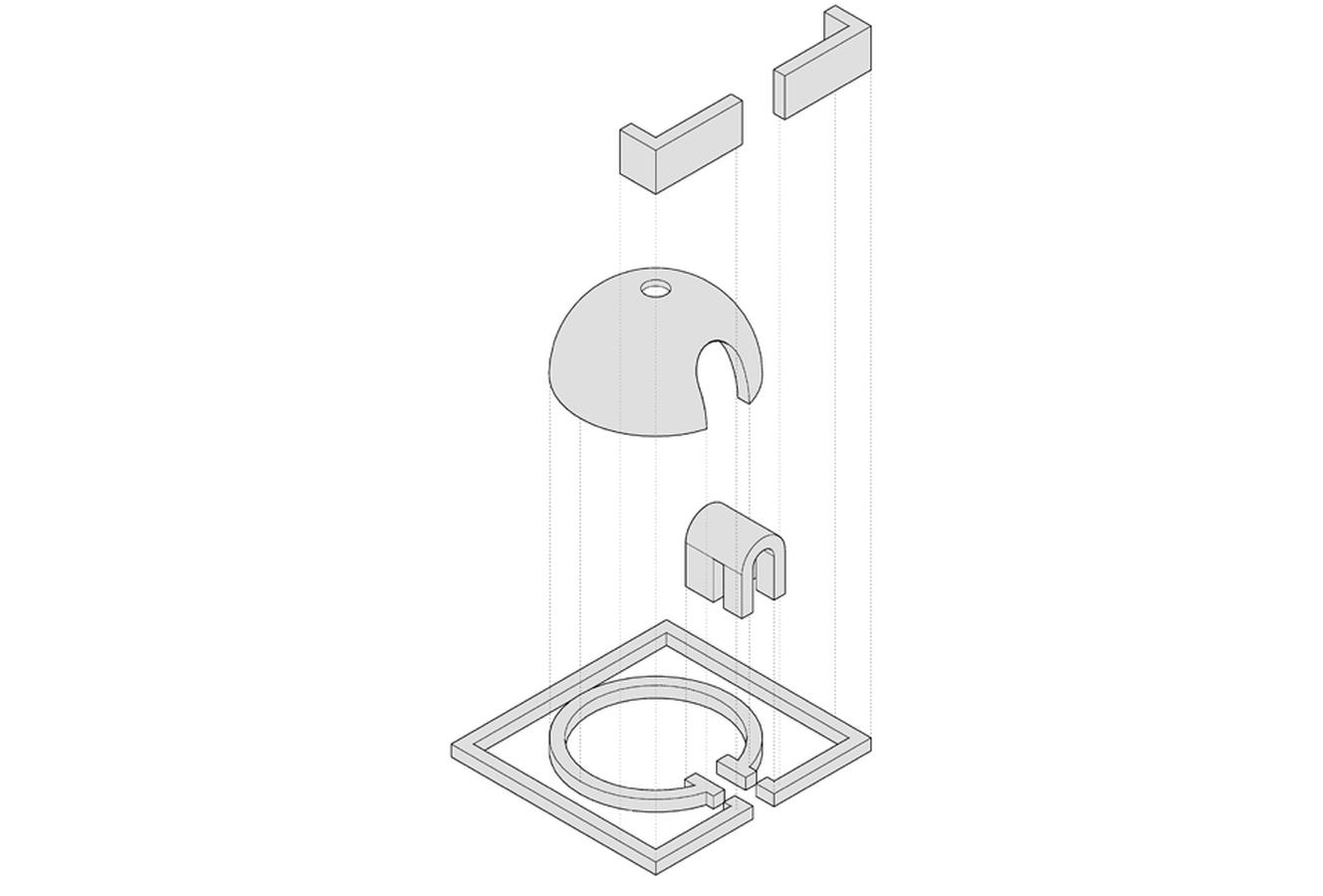
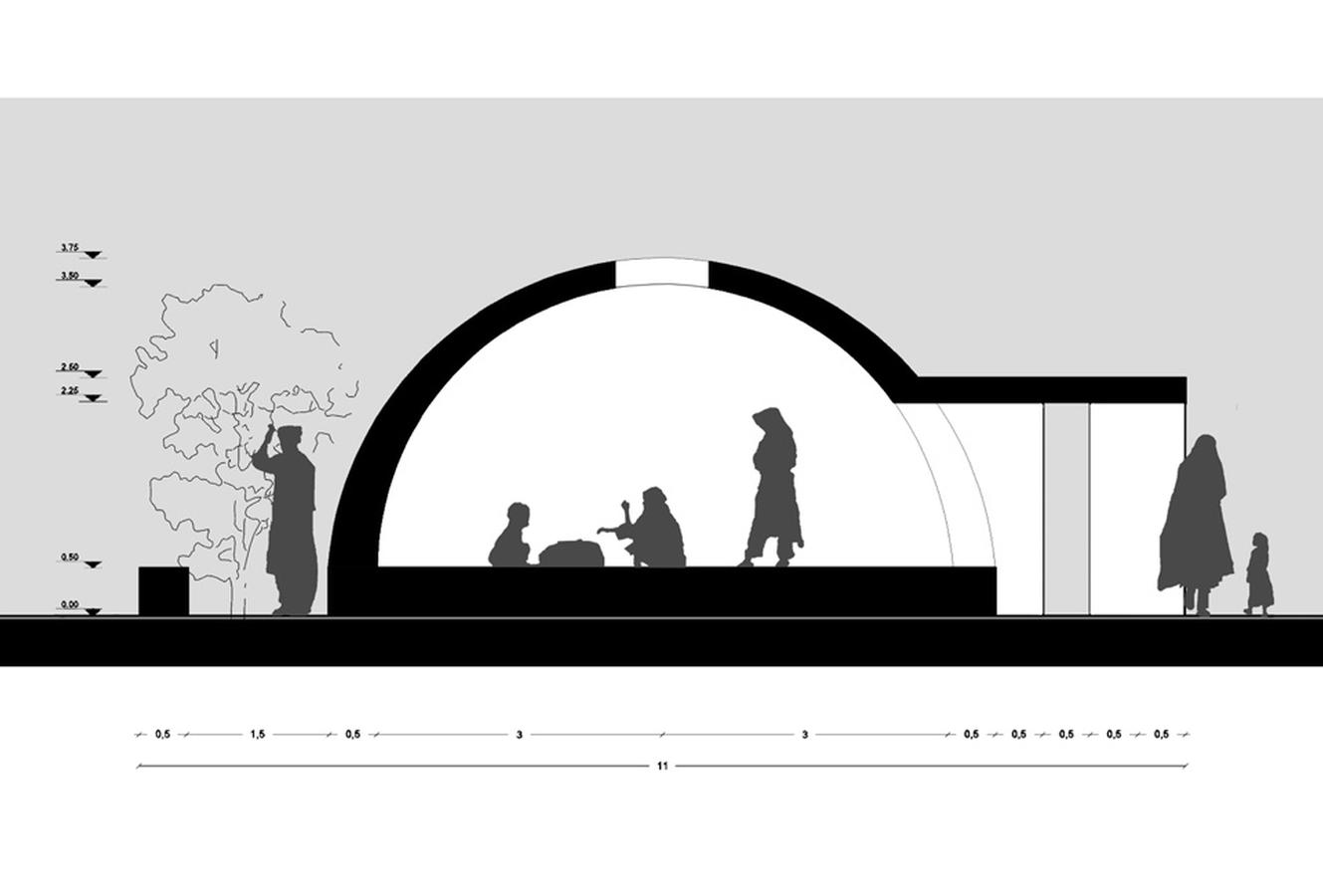
Built in an Afghan Refugee Camp in Kerman, Iran, the 100 meter square meter domed shelter is comprised of approximately 6,000 mud bricks.
Pouya Khazaeli, principal of Rai Studio and architecture professor at Azad University, Tehran and Ghazvin, notes: “Social sustainability in design is our main focus area here. It means to study how these refugees live, communicate, the meaning of privacy in their live, which materials they prefer and use for construction, which kind of construction techniques they use themselves, how much they spend normally to construct their own shelters….”
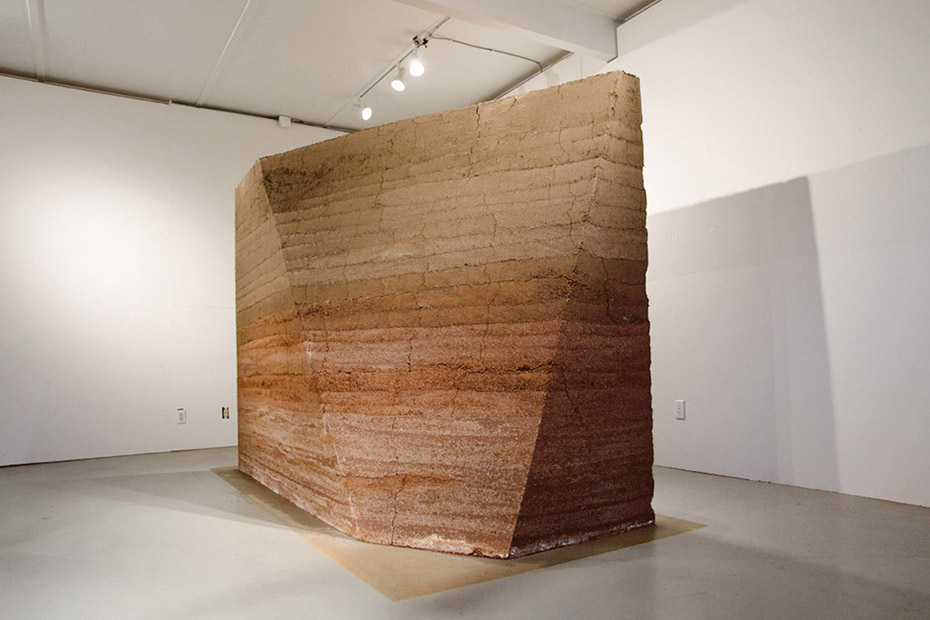
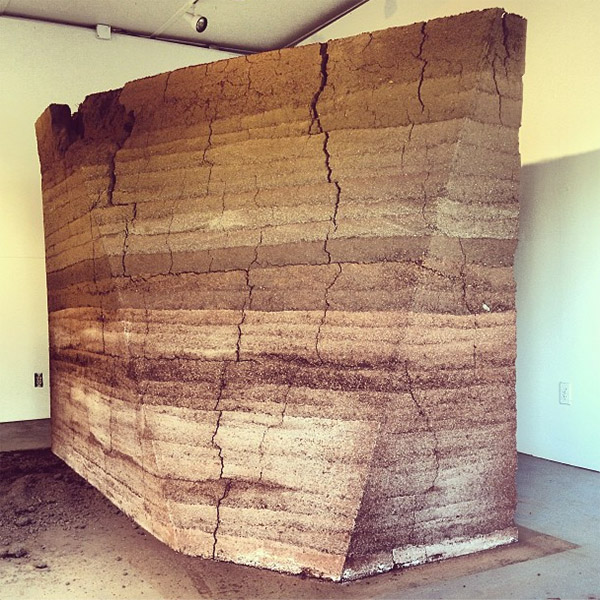
Architect Sean Connelly’s installation A Small Area of Land (Kaka‘ako Earth Room), a “temporary earth sculpture” made from 32,000 pounds of volcanic soil and coral sand, can currently be seen at the ii gallery in Honolulu, Hawaii. The sculpture is a prismatic monolith with dimensions 7′ tall, 9′ long, and 4′ wide, and it features a single sloping surface that aligns with the position of the sun and moon on a key date in the history of land in Hawaii.
Over the course of the exhibit, the sculpture slowly falls apart as Connelly wanted to see “what a version of this might look like in Hawaii, on Hawaii’s terms.”
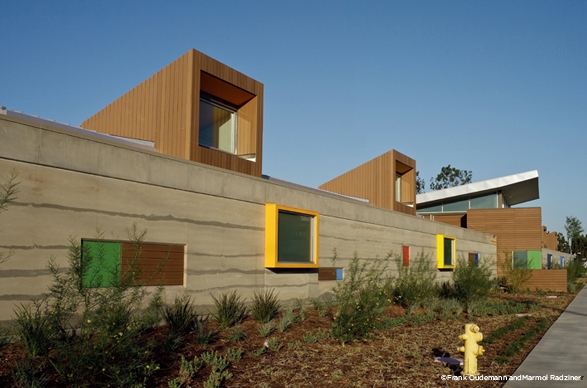
Located in Glendale, California, the 23,000 square-foot childcare facility, designed by Marmol Radziner, accommodates 236 children between infant and Pre-K ages. The complex is the first LEED Gold Certified building in Glendale, and is the largest rammed earth building in Southern California. The sustainable strategies incorporated into the building, including photovoltaic panel canopies and structural rammed earth walls, are key visual and tactile elements in the design, emphasizing the facility as both a learning environment and an educational tool.
The village of New Gourna was designed and built in the 1940s by the Egyptian Architect Hassan Fathy. He pioneered the use of sustainable materials and environmentally friendly design to build housing for low income families who were being relocated from their original village at Old Gourna.
60 years later, many of the now historic New Gourna buildings have fallen into disrepair and others have disappeared or been changed beyond recognition. A project is underway to safeguard the site, and World Monuments Fund (WMF) commissioned us to produce a film presenting the perspective of the residents…
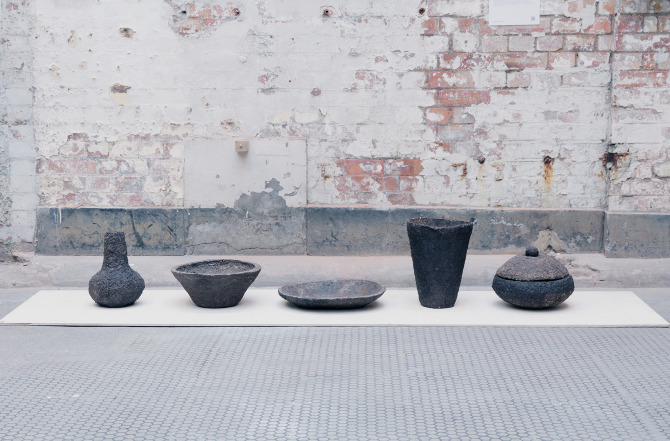
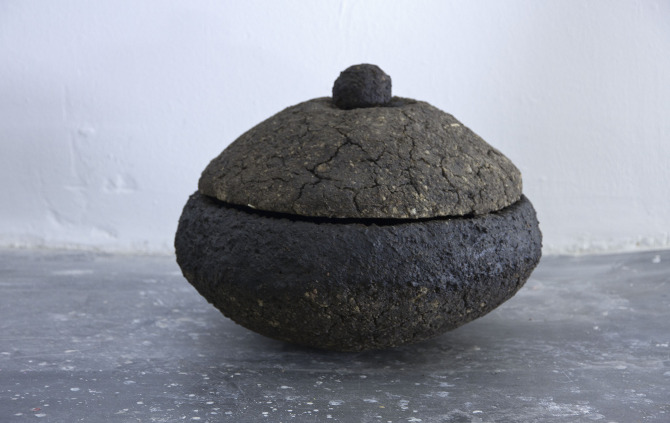
These food storage jars were made of radioactive earth from the Fukushima Daiichi nuclear disaster area in Japan. They were designed by Royal College of Art graduate student Hilda Hellström who contacted the last person still living inside the evacuation zone, Naoto Matsumura, and collected soil from his rice fields that can’t be farmed due to contamination.
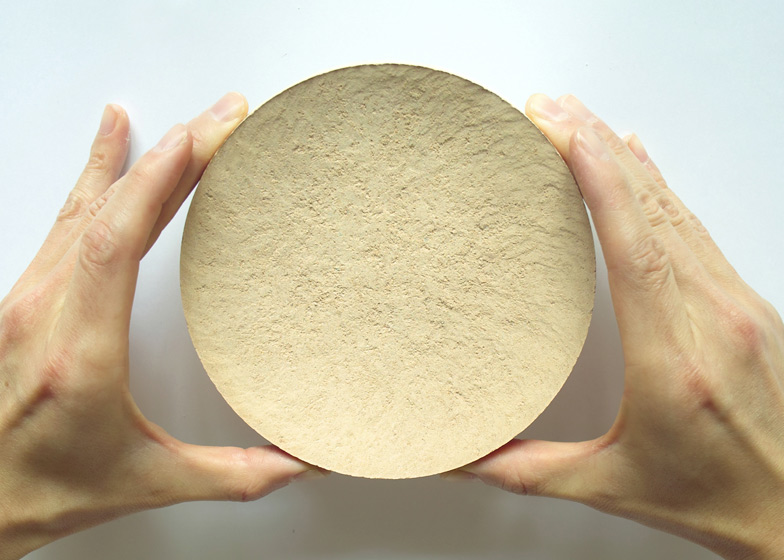
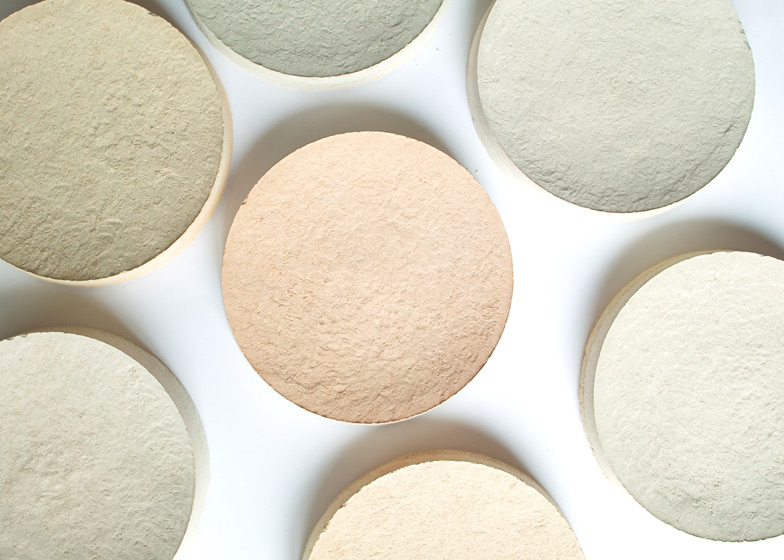
The Rammed Earthenware collection by the Japanese design collective, Bril, is made from a combination of soil in various colours, sand, lime and water. The mixture is poured into a mould and rammed with three wooden sticks, each with a different shaped tip, until it becomes hard.
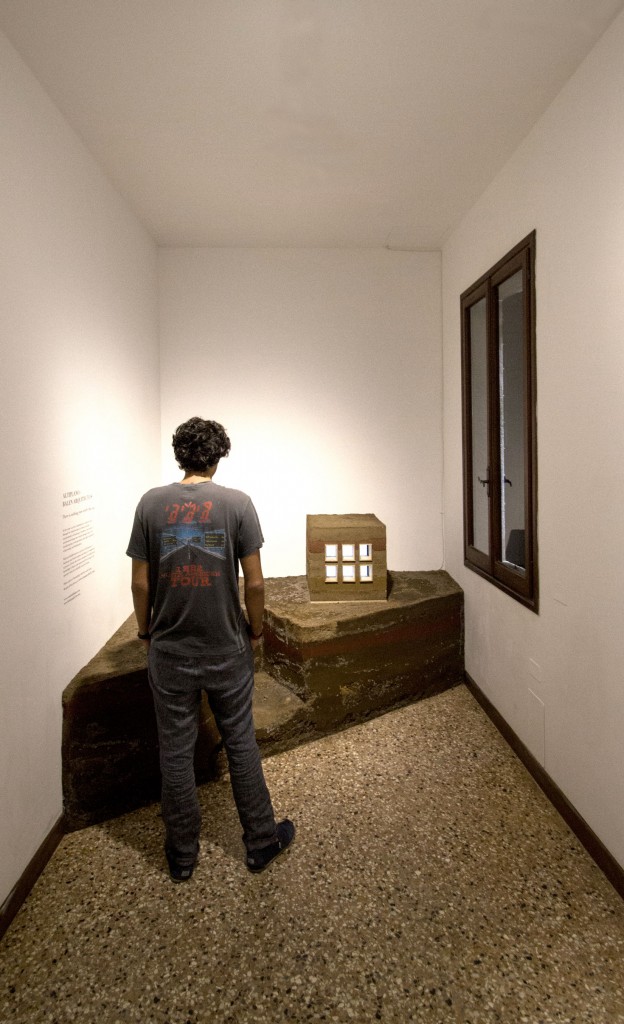
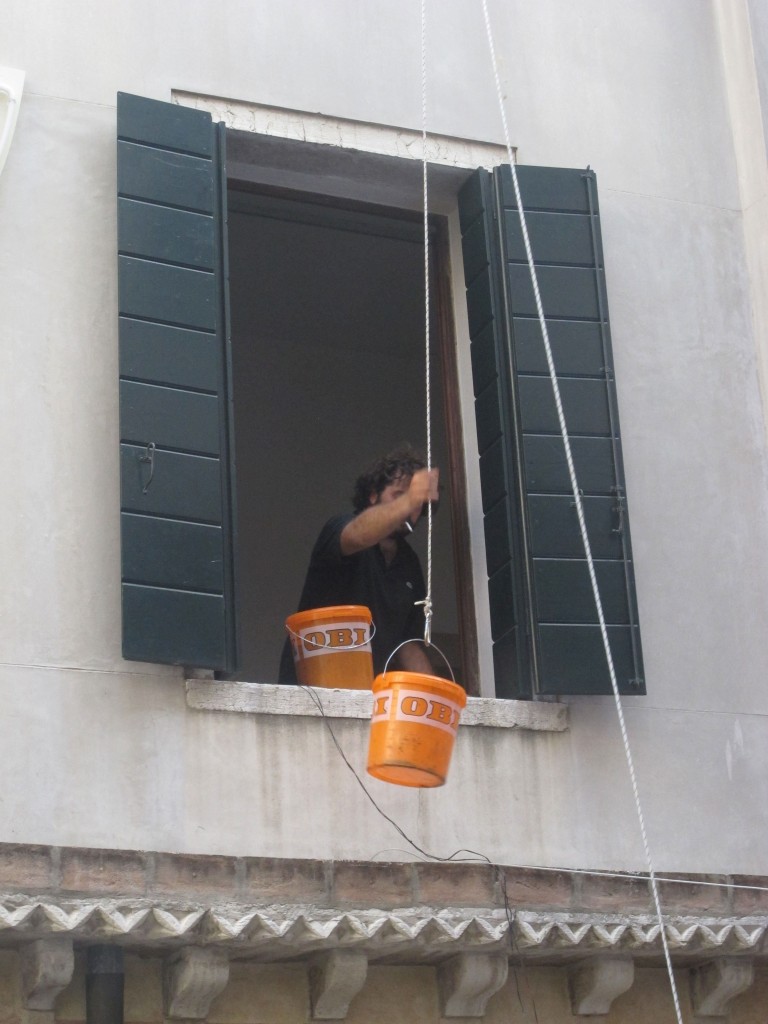
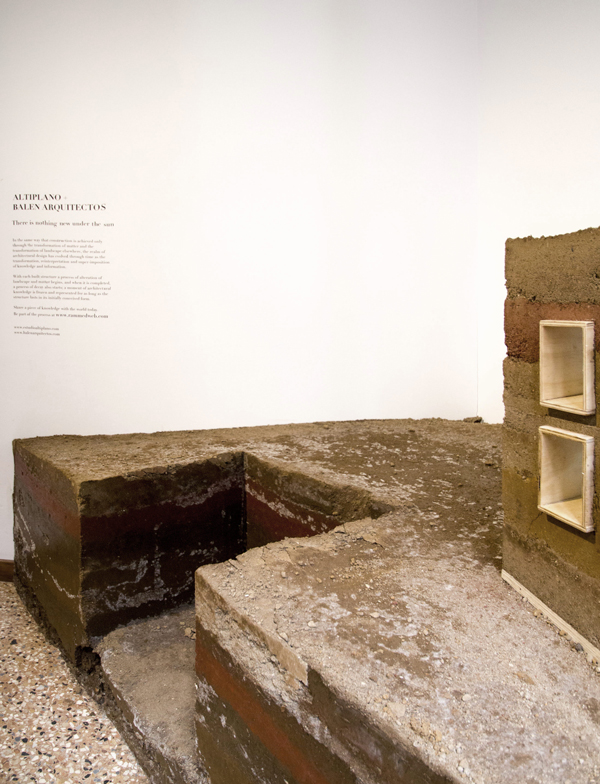
There is nothing new under the sun is an installation comprised of rammed earth and created for the 2012 Venice Biennial. The installation was done within the collateral event, “Traces of Century and Future Steps”, organised and curated by artist Rene Rietmeyer (head of the Global Art Affairs Foundation) and hosted at the Palazzo Bembo just next to the Rialto bridge. The architects Estudio Altiplano, from Bogota, Colombia, were given a space at the fourth floor of a 15th century palace to install the work—a performance piece that consisted of hoisting 3.5 tons of earth into the small chamber then compacting it into a solid rammed earth object. The work engaged many participants, simultaneously a demonstration in the process of fabricating allowing a discussion to emerge about topics of tradition, contemporaneity, territory and the built environment.
The installation formally suggests to the observer how architecture depends on matter in the form of territory, energy and resources. Earth was used to demonstrate how earth is a basic building material used all over the world and that traditional building techinques necessarily depend on oral tradition or transformation of knowledge to evolve and survive. Additionally, the use of earth demonstrated the plastic notion that conjures the act of subtracting compacted earth from the ground to mold it into new shapes without interfering in its material capacities. A continued discussion surrounding the project continues at http://www.rammedweb.com/
“The world’s most primitive building material – earth – is being used to create some of our most advanced homes”, as noted in this article by the Financial Times.