SIREWALL

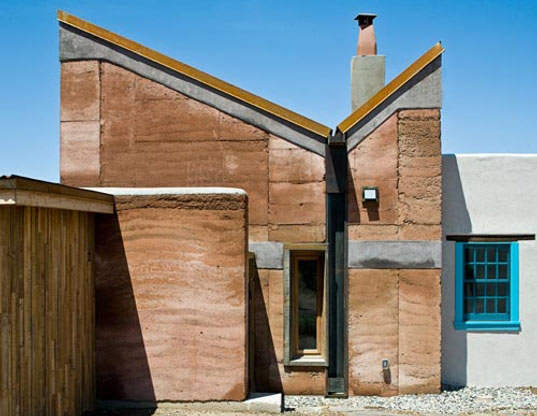
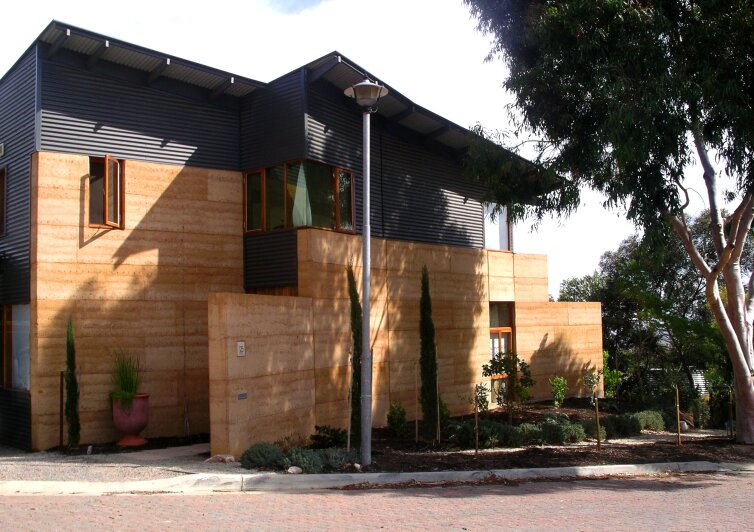
SIREWALL® has updated ancient rammed earth processes with a new global standard for durable, healthy and energy efficient buildings and spaces. SIREWALLs are Stabilized, Insulated, Rammed Earth walls. SIREWALL homes and buildings are constructed with a matrix of local soils strengthened with rebar and a small percentage of cement that surround a core of insulation. A typical SIREWALL is 18? to 24? thick, with 4? of rigid insulation hidden in the centre of the wall. From a dream home or cottage to a winery or cultural centre, SIREWALL builds beautiful walls with timeless distinction.

SIREWALL, the creation of an acclaimed local green building company and recipient of a Governor General’s Medal in Architecture, will be offering introductory courses on Stabilized, Insulated, Rammed Earth (SIRE) this spring and summer.
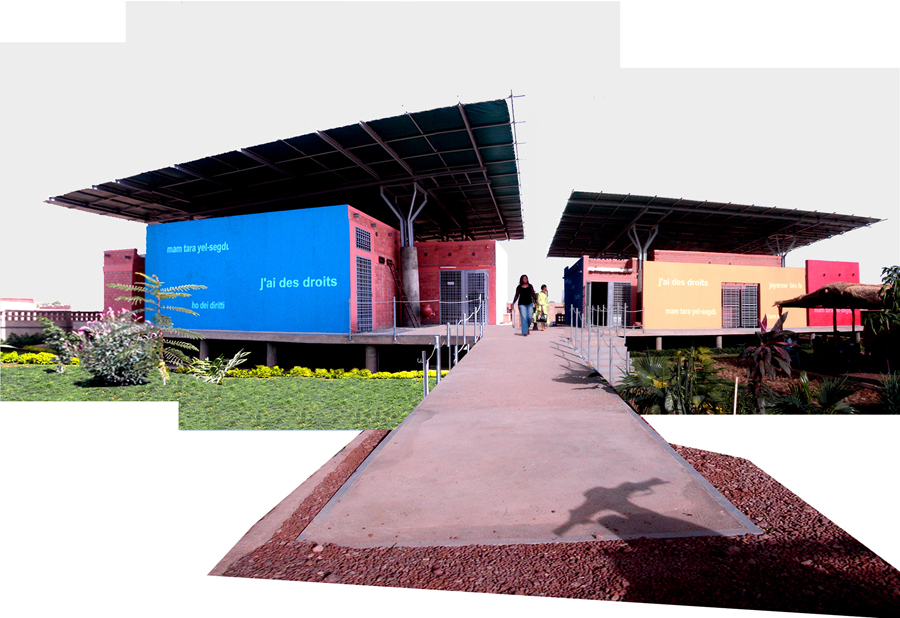
Women’s Health Centre

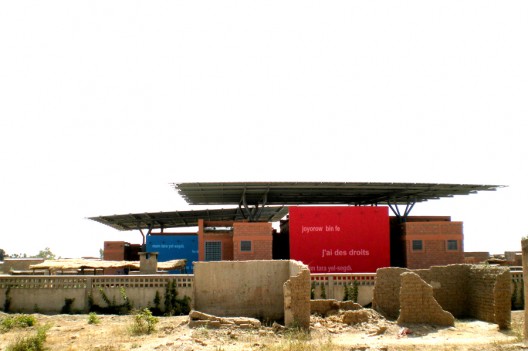
The Centre pour le Bien-être des Femmes Women’s Health Centre in Burkina Faso was created between 2005 and 2007 by AIDOS, an Italian NGO fighting for Women’s Rights in Developing Countries.

Completed in 15 months by a local builder, under the direct supervision of FAREstudio, the CBF is functionally and cost-effective answer to the needs expressed by AIDOS, while simultaneously and primarily representing a centre of aggregation and identity for the entire local community.

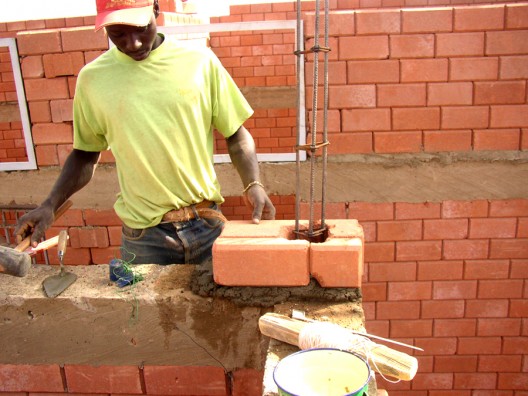
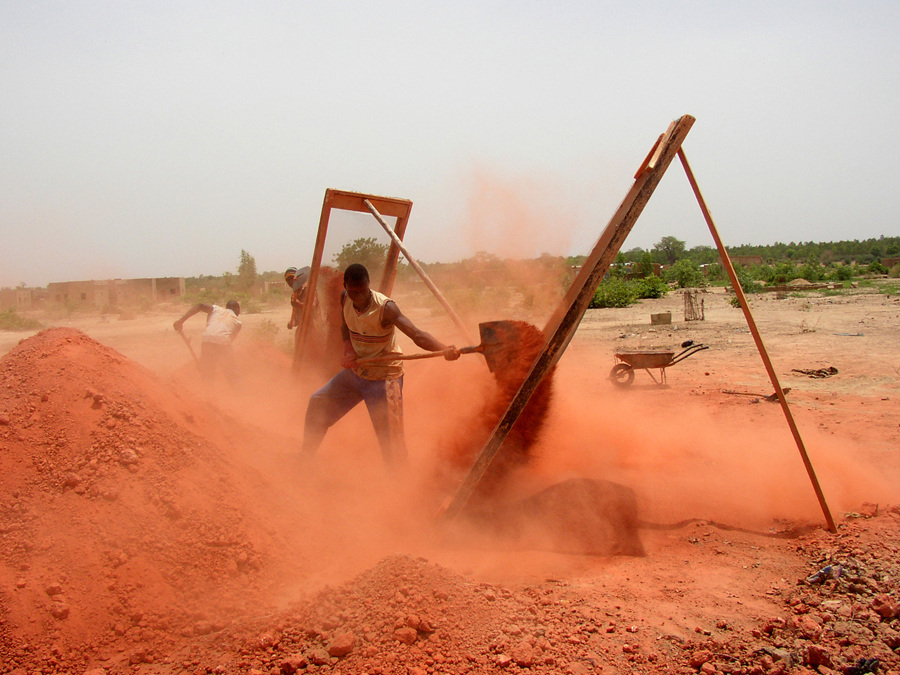
The building walls are constructed using compressed dry stacked clay bricks, BTC [briques en terre comprimée], made on site using a rough mixture of earth, cement and water. The bricks were baked in the hot sun, with no energy consumption, thus limiting the environmental impact of the material.

Bardessono

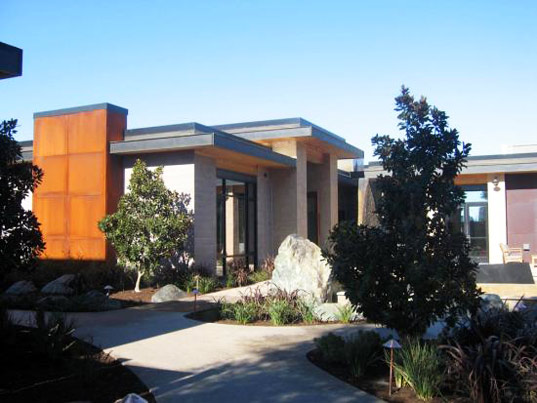
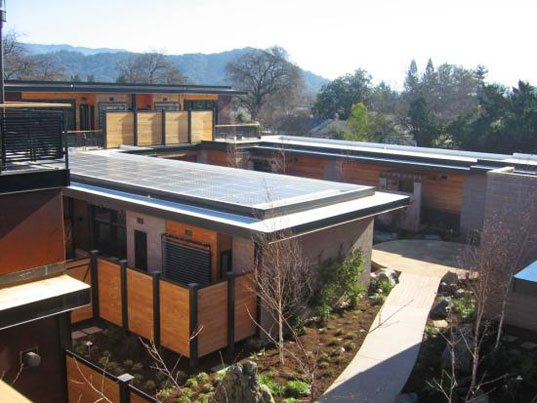
The Bardessono eco-resort is Napa Valley’s newest luxury hotel. It a host of green building strategies including rammed earth walls, grey and black water treatment systems, and solar and geothermal energy. Completed just seven weeks ago by eco-developer Phil Sherburne and architect Ron Mitchell, the project is currently pursuing LEED platinum certification. [ via Inhabit.com ]

Martin Rauch Builds His Own Home

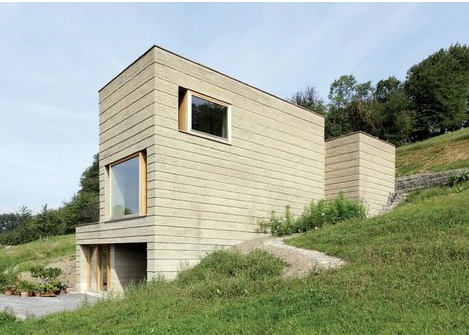
Notable rammed earth building Martin Rauch, with the assistance of architect Roger Boltshauser recently completed his own rammed earth home in Schlins, Austria. The house which was finished 2008 reacts in its position and in its character directly to the topographic gradient of the slim plot and its genuine landscape context: A monolithic structure becomes a sculptural bloc, an abstract and artificial nature pressed upward from the underlying earth.

Monier Residence

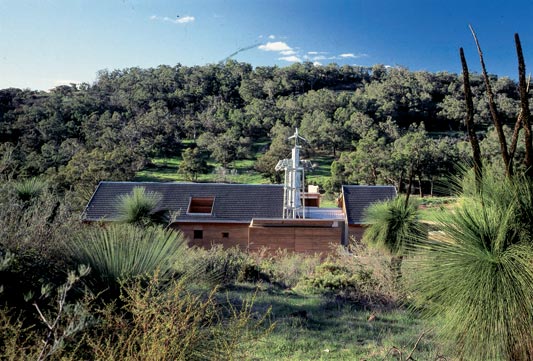
The Monier residence is a wood and rammed earth structure utilizes a variety of sustainable systems to produce its own energy and regulate its climate. The building is situated on a 4-acre site in Perth, West Australia and comprises 3 bedrooms and 2,500 square feet. Ackert Architecture designed the award winning structure “as a demonstration project to show how alternative energy and passive systems could be integrated to create a self sufficient home.”

Rammed Earth Bench

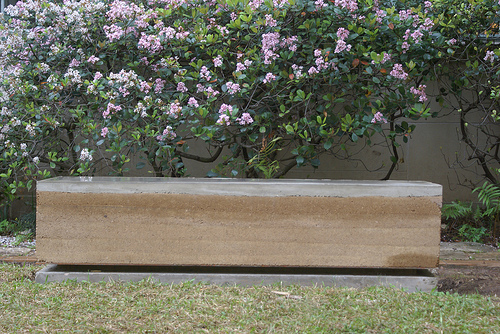
To introduce a hands-on understanding of materials, 12 advanced design students designed and constructed a rammed-earth bench in the Goldsmith Hall Courtyard. The rammed-earth investigation was one of three class investigations that explored the nature of materials in response to particular sites.

Soil-Cement Vaults in South Africa

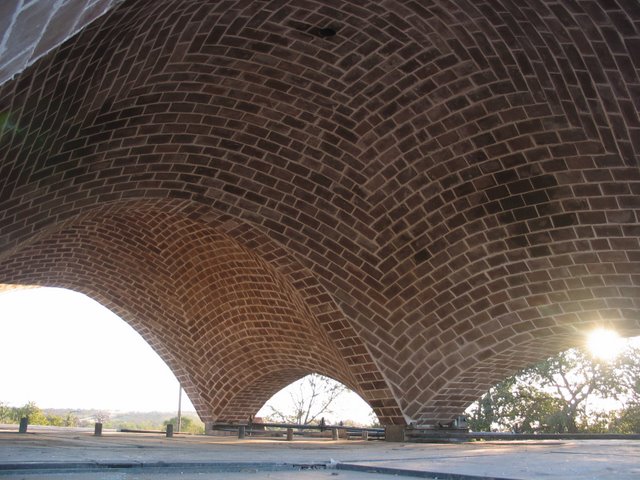
A team carried out a detailed design of structural vaults built from local soil for a new museum at the World Heritage Site of Mapungubwe in South Africa designed by Peter Rich Architects. Michael Ramage (Cambridge), John Ochsendorf, and Philippe Block designed the unreinforced structural masonry vaults in collaboration with Henry Fagan in South Africa. Matthew Hodge developed the cement-stabilized tiles in collaboration with Anne Fitchett (Univ. of Witwatersrand). Based on his experience building the domes of the Pines Calyx in the UK, James Bellamy supervised the vault construction on site. The project was part of masonry research conducted by MIT.