Arcitetture di Terra in Sardegna

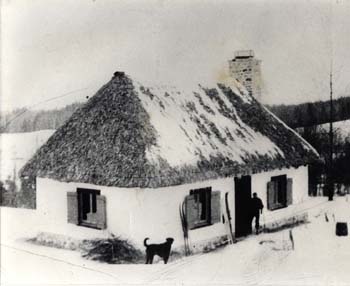
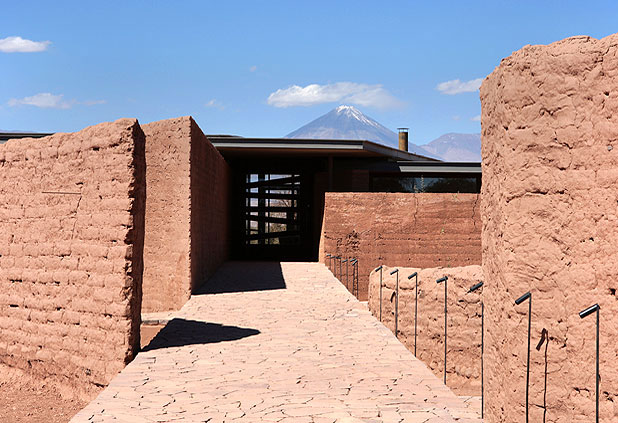
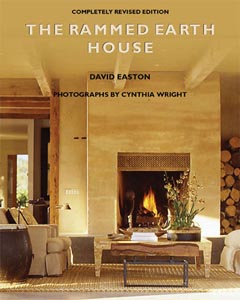
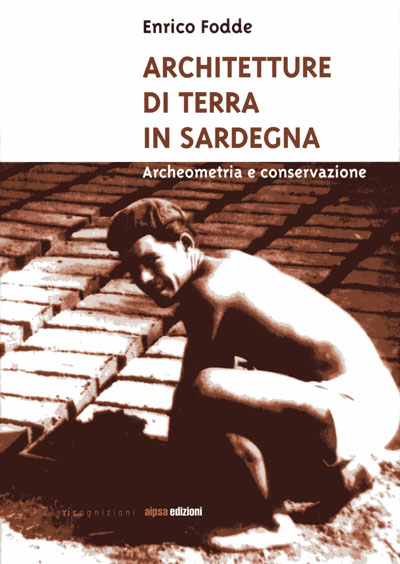
The book Arcitetture di Terra in Sardegna, the first of its kind on the subject, presents the results of new research into Sardinia’s indigenous tradition of earthen architecture. Author Enrico Fodde explores the cultural context of these buildings and describes practical techniques for the conservation of this unique and rapidly diminishing heritage. By interviewing craftsmen with first hand knowledge of working on these structures and by means of laboratory analysis of the materials involved — principally mud brick and lime — Dr Fodde explores the mechanisms of decay and proposes methods suitable for repairing buildings in need of restoration. Case studies are presented to show how different methods of repair have worked out in practice. Finally, consideration is also given to ways in which the results of this work might form the basis of research into other building traditions in the Mediterranean basin and elsewhere.

Johanna House

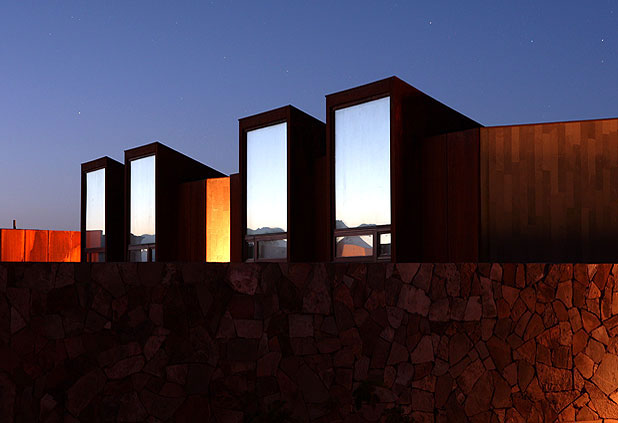
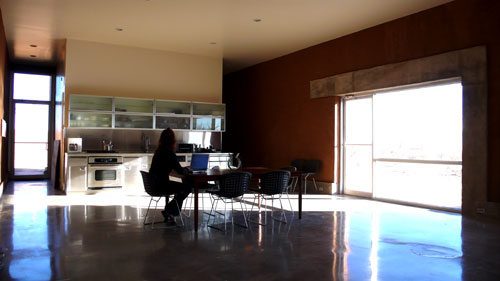
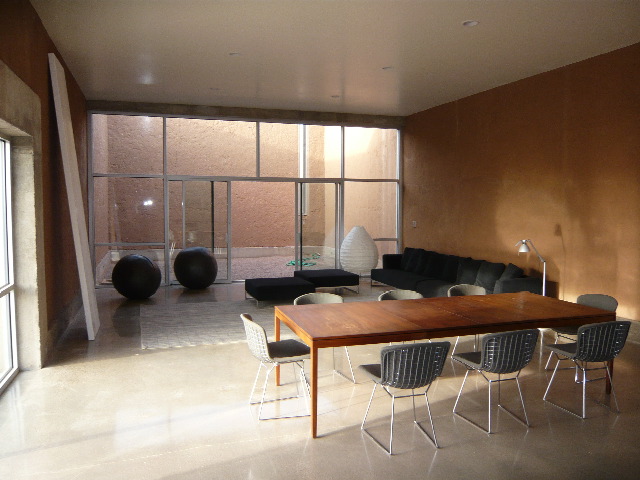
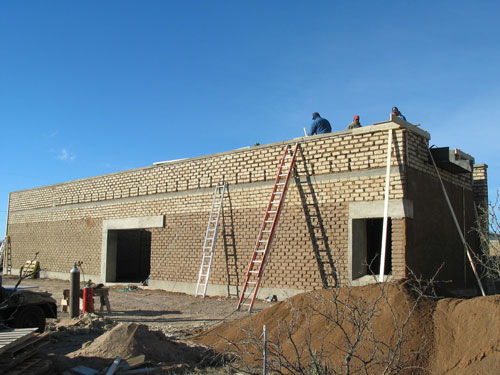
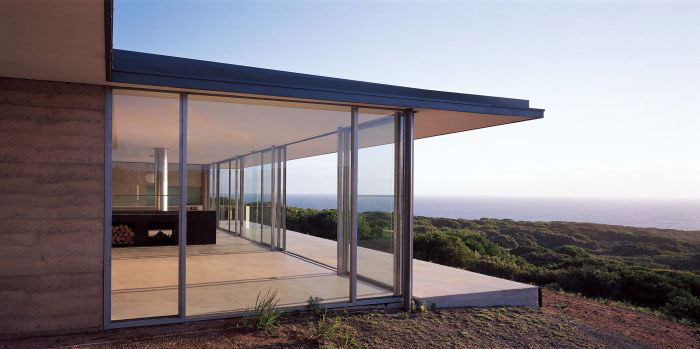
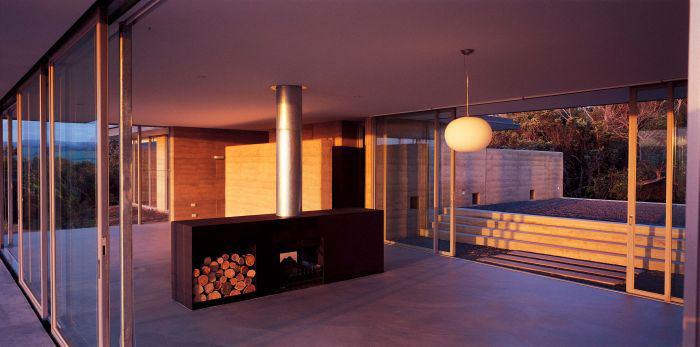
The Johanna House, designed by Nicholas Burns, is a 4 bedrooms, 2 bath house with an open kitchen, dining/living room and cellar located on Johanna beach, Victoria, Australia. The site is on a secluded 100 acres of pristine bush land adjoining the national park with extensive views of the ocean, protected wilderness with known endangered flora and fauna. No trees were cleared in the construction of the house.

Materials used were rammed earth, concrete, glass and steel to create a discrete insertion into the landscape, a journey of gradual and layered concealment and opening of the landscape and ocean; contrasting contraction and expansion, heavy and light, opaque and transparent. Pure geometry and detailing to create a stillness, a dematerialising interconnection with nature, landscape and the passing of time, place and present. More pictures of the construction process and the final result available here.

Proyecto Hornero

Proyecto Hornero es un grupo interdisciplinario que aborda la construcción con materiales naturales y el manejo sustentable de energía. Surgió en mayo del 2002 como iniciativa de un grupo de estudiantes de Agronomía y Arquitectura de la Universidad de la República (UdelaR), respondiendo a la situación generada por el tornado que destruyó infraestructuras de la zona granjera del sur de Uruguay. [ Blog ]

Adobe Repository for Buddha Statue

The Adobe Repository for Buddha Statue was designed by Kengo Kuma and Associates in 2001-2002 in Toyoura-Gun, Yamaguchi Prefecture, Japan. It is designed to accommodate and exhibit the wood carved statue of Timber Amida (Amidabha) Tathabata. The periphery walls of the site are constructed in hanchiku, or rammed earth, Kuma decided to further utilize this technique in the architecture by using what appears to be compressed earth block, even though it is called out as adobe (mud brick).

Chapel of Reconciliation

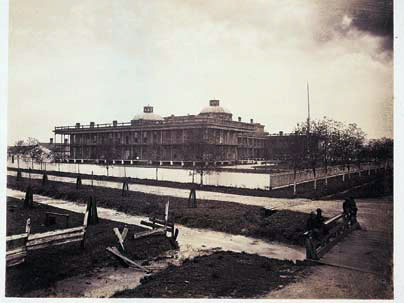
Built by architects Peter Sassenroth und Rudolf Reitermann in 1999, this small chapel made of rammed earth replaces the former Church of Reconciliation, a historicist church built in 1894 which happened to be situated on the death strip when the Berlin wall was erected in 1961. The old church stood there vacant and isolated, abused as a guarding tower for East German border patrol, until it was finally blown up by East Germany in 1987 – just two years before the wall eventually was torn down itself. the community of the former church decided it wanted to have its church back. The completed chapel is enveloped by a wall made of rammed earth, composed out of clay and smaller pieces of bricks of the exploded church. For more information visit the Chapel of Reconciliation home page.

Earth Architecture and Wine

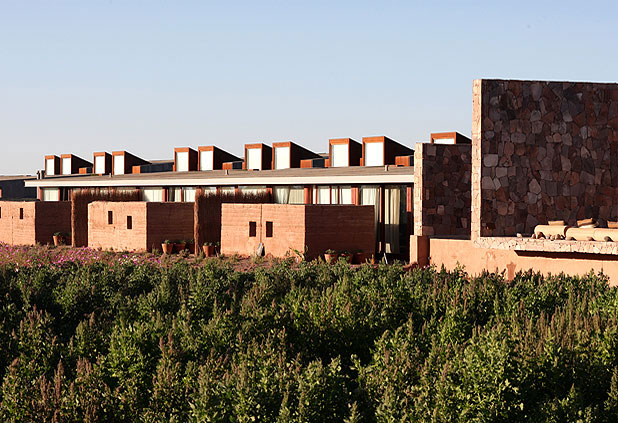
Many wineries and residences among vineyards employ earth in the construction of buildings. Often, the same earth to grow grapes is ideal for use as a building material.


National Wine Centre


Vineyard Residence


Residence at Meteor Vineyards


Bodega en Los Robles


Margan Tasting Room and Restaurant

The list goes on and on: [ Fetzer Winery Administration Building | Moorooduc Estate | Texas Hills Vineyard | Adinfern Estate | Wing Canyon Vineyard | Home Hill Winery ]

Modern Concrete Grew from Traditional Rammed Earth

In the book Concrete: The Vision of a New Architecture Peter Collins describes how the origins of modern concrete evolved from technological developments pertaining directly to the traditional use of rammed earth in France. He writes:

“…when concrete did again come into use as a building material, it evolved from an entirely independent, and much more humble origin: pisé [rammed earth]. The peculiarity of pisé construction thus lay not only in the economy of using earth as a building material, but in the process whereby a building was moulded into shape, and it was inevitable that sooner or later some far-sighted individuals should appreciate the revolutionary possibilities of this method of construction, and seek to extend it by improving on the material used. The most obvious improvement was to increase the cohesion of the earth by mixing in a binding material such as mortar, and this had in fact already been done by [Jean-Baptiste] Rondelet when repairing the château in Ain. It was left to others to experiment with suitable hard aggregates, and produce modern concrete, or, as it was termed in French, béton. The first of the pioneers was an ingenious but ambitions building labourer named François Cointeraux.” – Peter Collins, Concrete: The Vision of a New Architecture (Montreal: McGill-Queen’s University Press, 2004), 20-21.

The Future of Mud: A Tale of Houses and Lives in Djenne

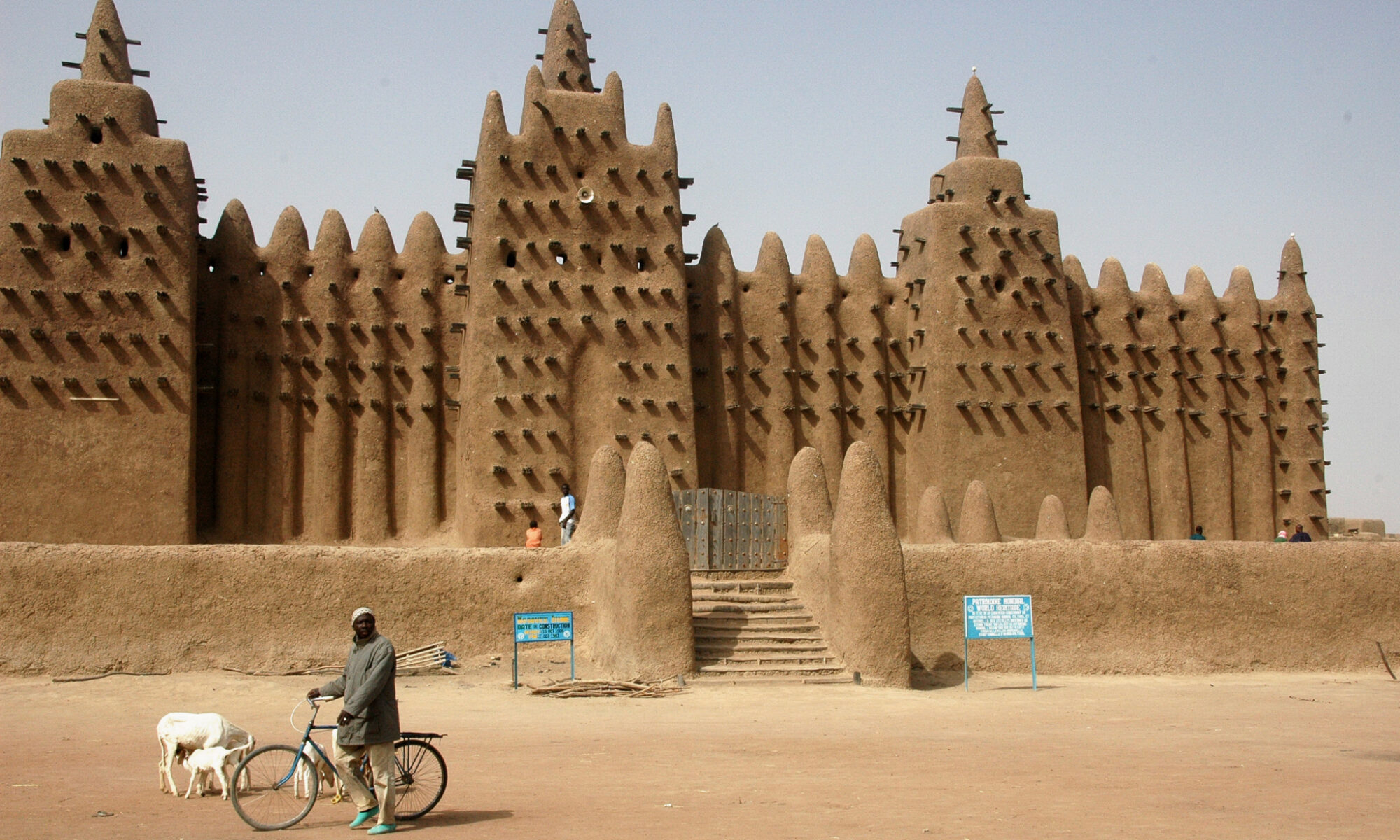
The Future of Mud: A Tale of Houses and Lives in Djenne, a new film by Susan Vogel and presented by the Musée National du Mali, is the story of Komusa, master mason and heir to the secrets of Djenne architecture. He hopes his son will continue the family profession and maintain their world heritage city – but Djenne is connected to a global world now, and competing ideas about the future have arrived. Documentary footage and staged scenes tell an intimate story of family tensions, contemporary building practices, and the precarious future of the renowned mud architecture of Mali.

Treehugger writes of the film:

A “collective connection to earthen architecture is best seen in the film’s footage of the annual re-plastering of the town’s pride, the Great Mosque, which is the world’s largest earth building, in addition to being a distinguished UNESCO World Heritage site. The first earthen structure here on this site dates back to the 13th century and is re-plastered every year. The day-long, annual festival is truly a communal affair, with plenty of foreign tourists gawking on and filming the orderly chaos.”


photo of the Great Mosque of Djenne by Ferdinand Reus

The Future of Mud: A Tale of Houses and Lives in Djenne
Co-Produced with Trevor Marchand and Samuel Sidibé.
Edited by Harry Kafka. Music by Issa Bagayogo. In Bamana, French, English with English subtitles. Color, 58 minutes. Distributed by FRIF.com. Available fall 2007.