World’s Oldest Mural is on a Mud Brick Wall

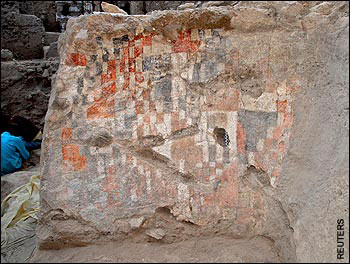
French archaeologists have discovered an 11,000-year-old work of art in northern Syria which is the oldest known wall painting, even though it looks like a work by a modernist. Rectangles dominate the ancient painting, which formed part of an adobe circular wall of a large mud brick house with a wooden roof. The dating makes the designs at least 1500 years older than wall paintings at Çatalhöyük, the famous 9500-year-old Turkish village, among one of the first towns.

Inno-native Earthen Architecture

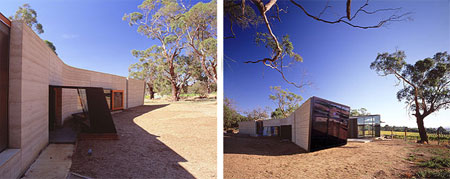
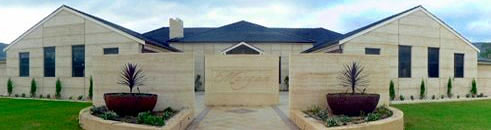
Joe Osae-Addo, a Ghanaian-born architect, living in Los Angeles was determined to build with the materials found primarily in rural areas of his native country: timber and mud brick. Because mud brick doesn’t exist in cities in Ghana, Addo had to build his own during the construction of his own home. He coined a phrase for his approach to contextual modern architecture: “inno-native.”

The Citizens’ Initiative Pavilion

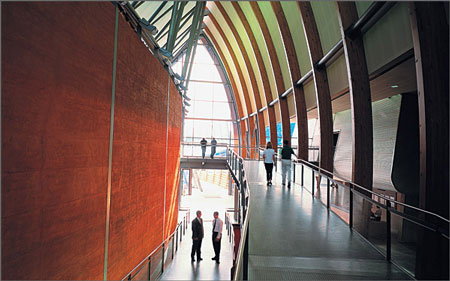
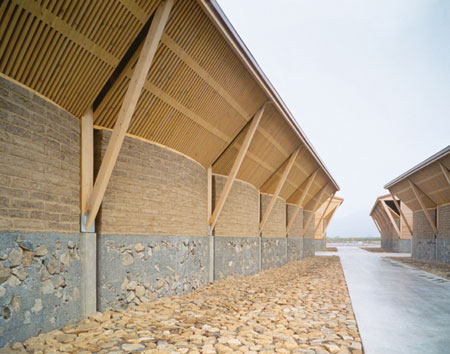
The Citizens’ Initiative Pavilion, known as El Faro, is the work of architect Ricardo Higueras. Designed to be constructed for the Expo Zaragoza 2008 the pavilion is to represent society’s vigour and ability to innovate in the face of the challenges posed by water.

The section gives information on the Pavilion’s onsite location, its spaces and building features. Inspired by traditional ceramics, the pavillion will be constructed with natural materials like bamboo and mud mixed with straw.

Historic Adobes of Los Angeles County

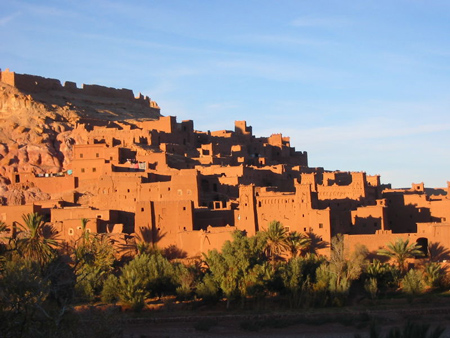
The book, Historic Adobes of Los Angeles County, documents the numerous eighteenth and nineteenth century adobe houses that are still standing in the metropolitan Los Angeles County area. An accompanying website offers insight to the books content, with an annotated table of contents that summarizes each section of the book and includes maps that allow for your own tour the 76 extant historic adobe structures in the greater Los Angeles metropolitan area.

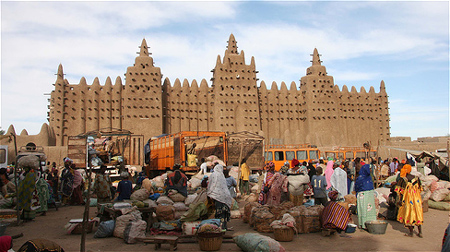
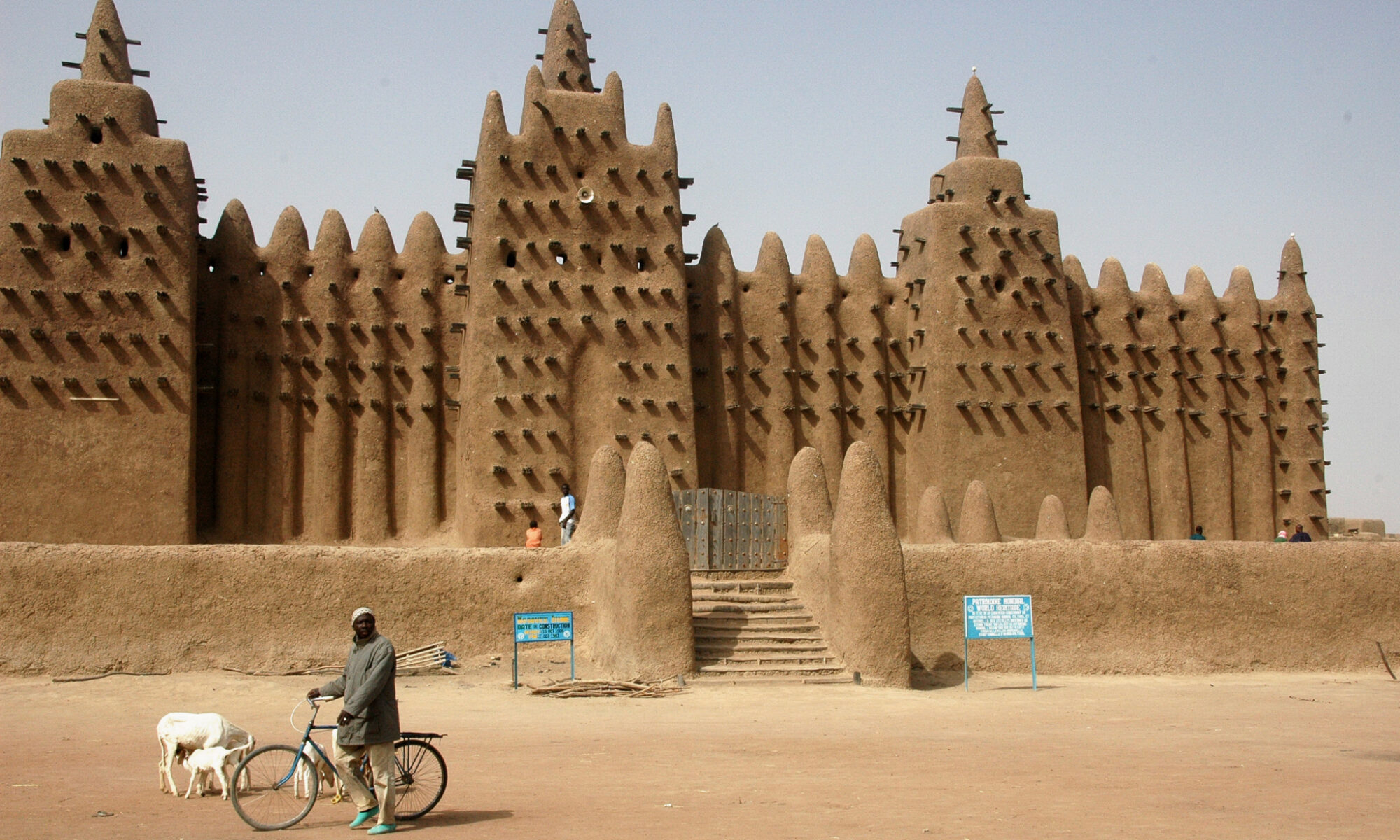
Mud Brick: Oldest

According to this essay, the oldest mud brick structure in the world is the ceremonial enclosure of Khasekhemwy–Hierakonpolis.

Is there evidence of older buildings? What are they?

According to Wikipedia, “The earliest use of mudbricks was in the Near East during the Pre-pottery Neolithic B period,” which is between ca. 9600 and ca. 8000 BP

Is this the oldest? If not, how long has mud brick been in use?

Start a discussion in the comments section below.

Rammed Earth: Oldest

Wikipedia notes:

“The Chinese were already familiar with the techniques of wall-building by the time of the Spring and Autumn Period, which began around the 8th century BC. During the Warring States Period from the 5th century BC to 221 BC, the states of Qi, Yan and Zhao all constructed extensive fortifications to defend their own borders. Built to withstand the attack of small arms such as swords and spears, these walls were made mostly by stamping earth and gravel between board frames.”

Is the Great Wall the oldest mud brick building in the world? If not, what is?

This article states:

“The year 2000 was to see the discovery in Lianyungang, Jiangsu Province of a township site of the Longshan Culture (c.2310-1810 BC). With its double encircling walls this find is further confirmation that the history of city building in antiquity can be traced back in China to the late Neolithic Age. The Longshan Culture is characterized by its burnished black pottery, examples of which were first unearthed in Longshan, Shandong Province in 1928. The Lianyungang site offers an insight into ancient building techniques through its finds of rammed earth foundations.”

Is this the oldest historical evidence of rammed earth? If not, how long has rammed earth been in use?

Start a discussion in the comments section below.

Frank Lloyd Wright Rammed Earth


In 1941 Frank Lloyd Wright began the Cooperative Homesteads project in Madison Heights, Detroit Michigan. The homes were to cost $1,400 and to keep the costs low they utilized berm and rammed earth construction. It is said that the would be occupants for the houses were drafted during World War II and construction ceased. Read More [ 1 | 2 ]

Adobe Alliance Seeks Intern

The Adobe Alliance, a Texas based non-profit organization whose aims include to apply cooperative building techniques in earth architecture is seeking a resident intern to work in Santa Fe, New Mexico or from a distance. Responsibilities will include research, image scanning, simple bookkeeping, assisting with workshop organization, website maintenance, and telephone management. The ideal person is a graduate student in architecture, art/art history, public policy or related fields. To learn more, please contact Ms. Simone Swan at simoneswan@gmail.com or visit www.adobealliance.org