Mud, Rockite, and Wood: A Study and Model of Earth Materials

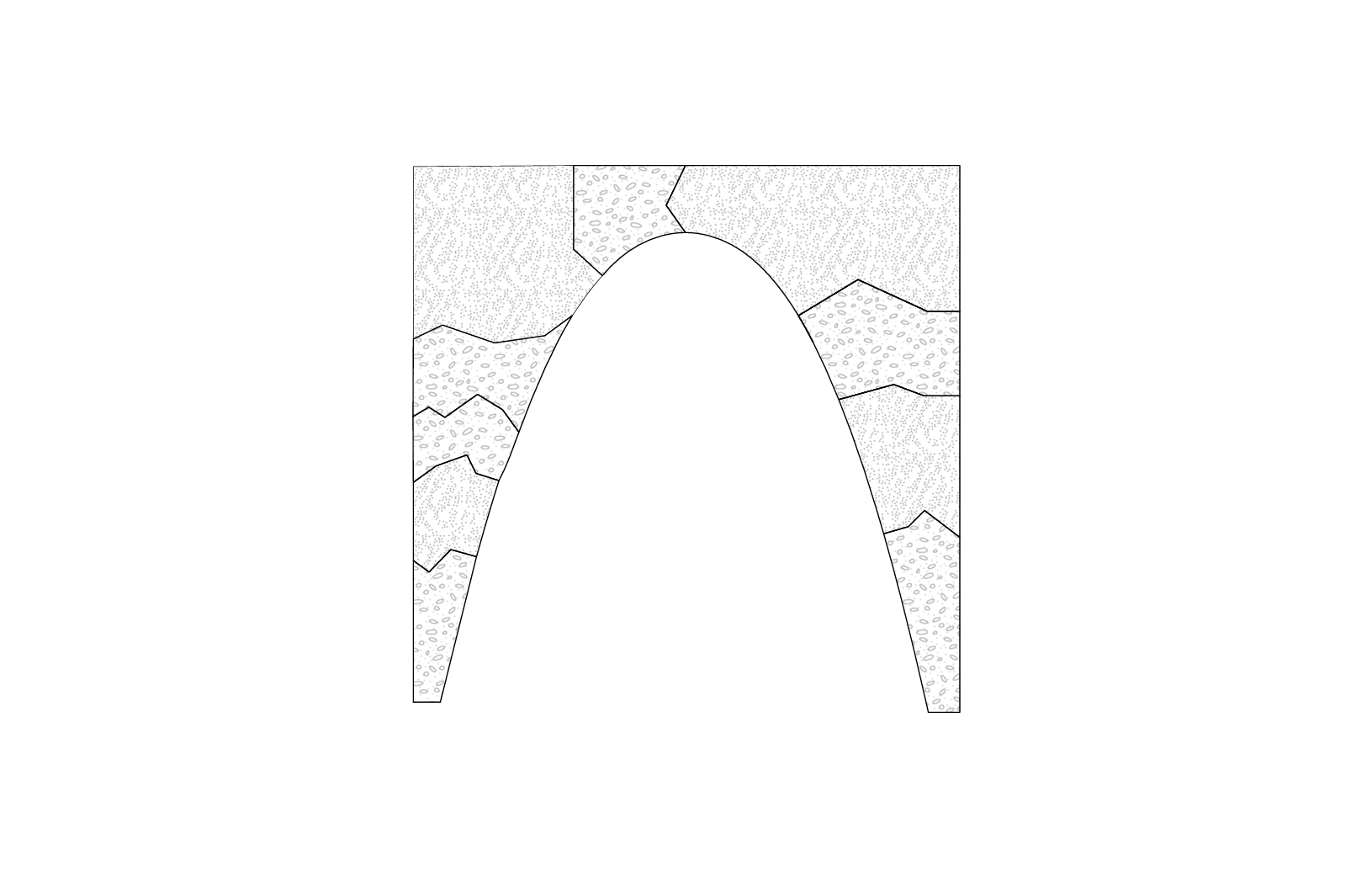
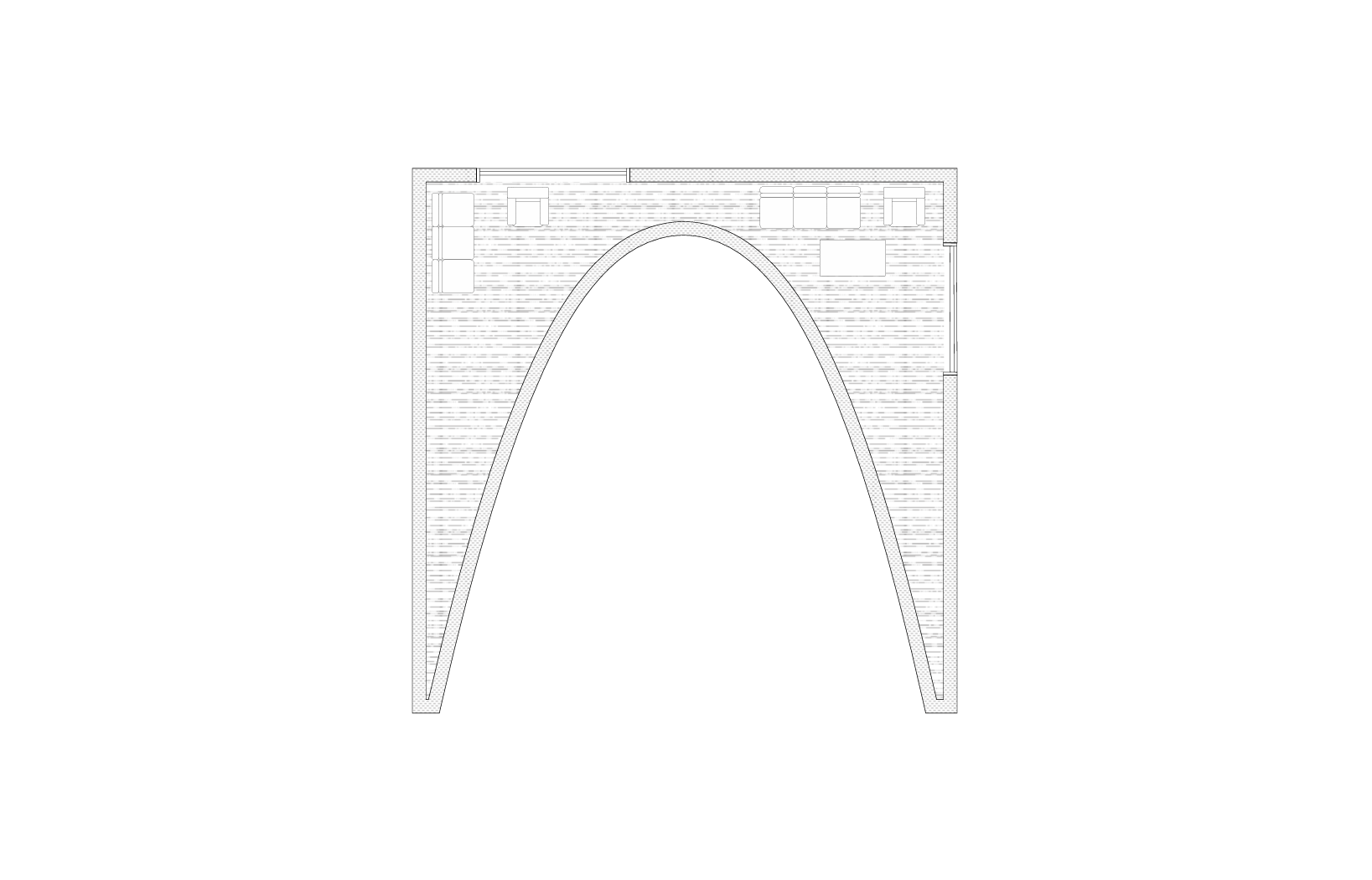
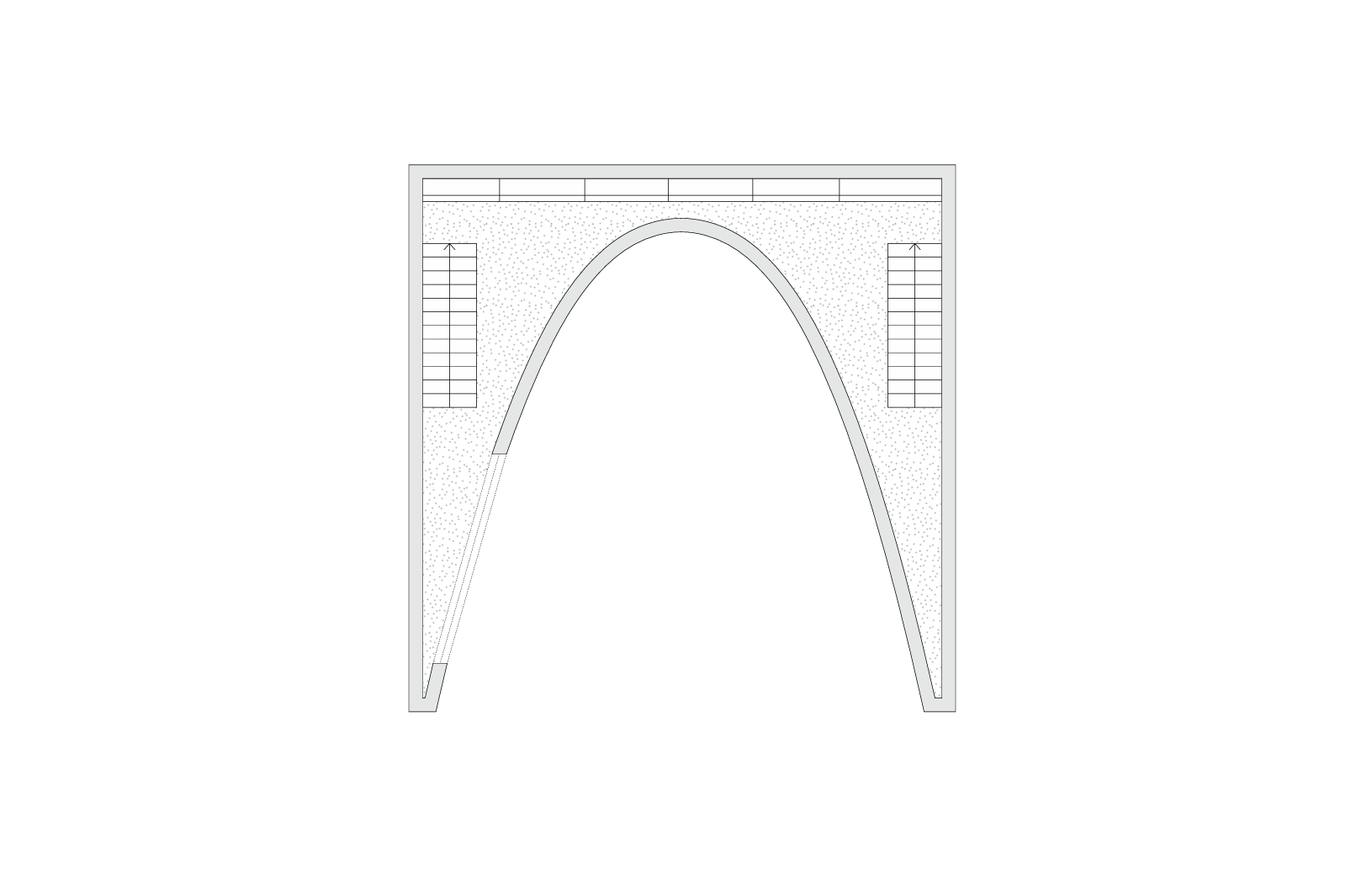
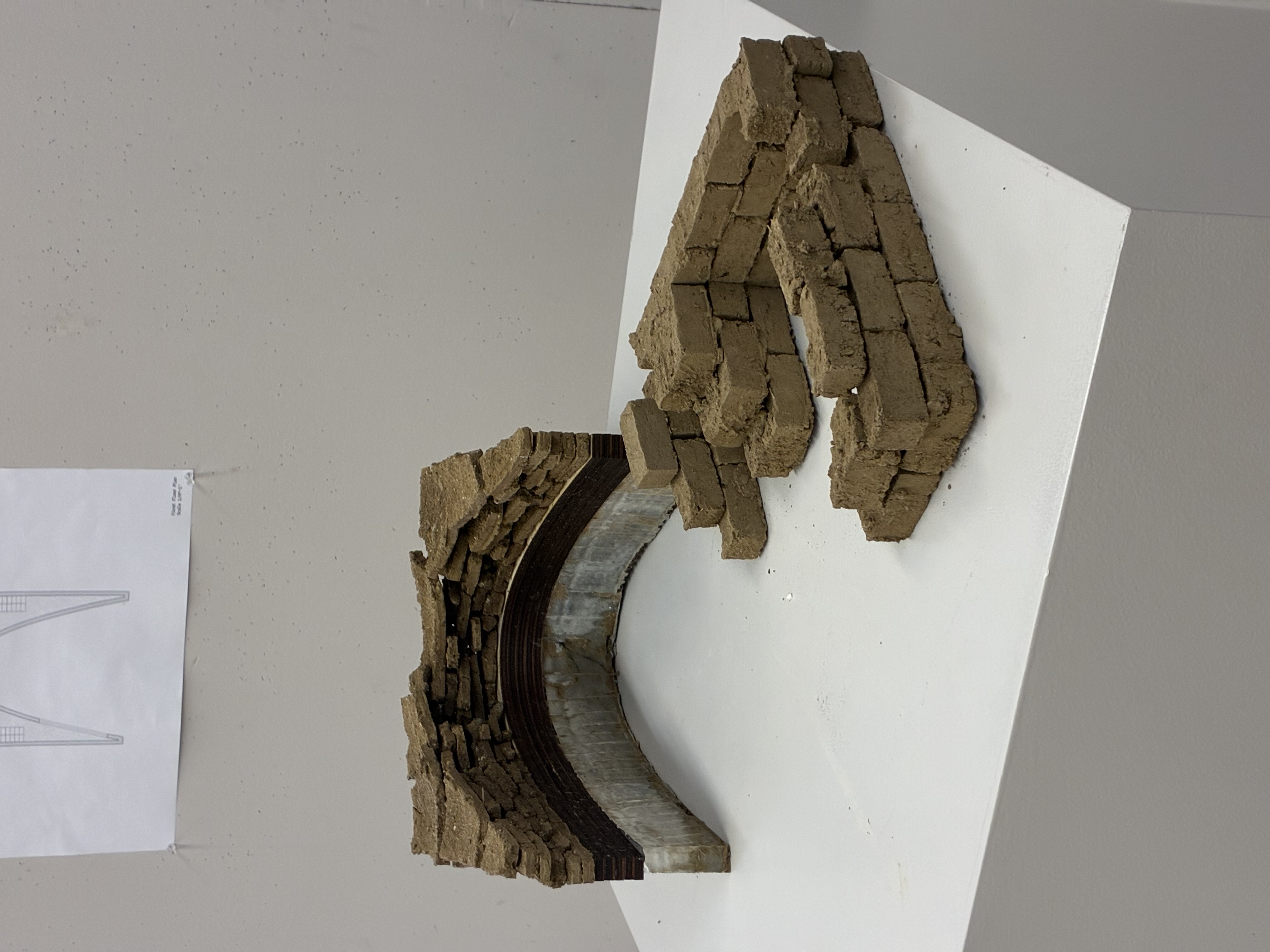
Our project and model arises from a study about the intersection between mud with high clay content used to make adobe bricks and it’s relationship to the earth adjacent materials of wood and rockite.

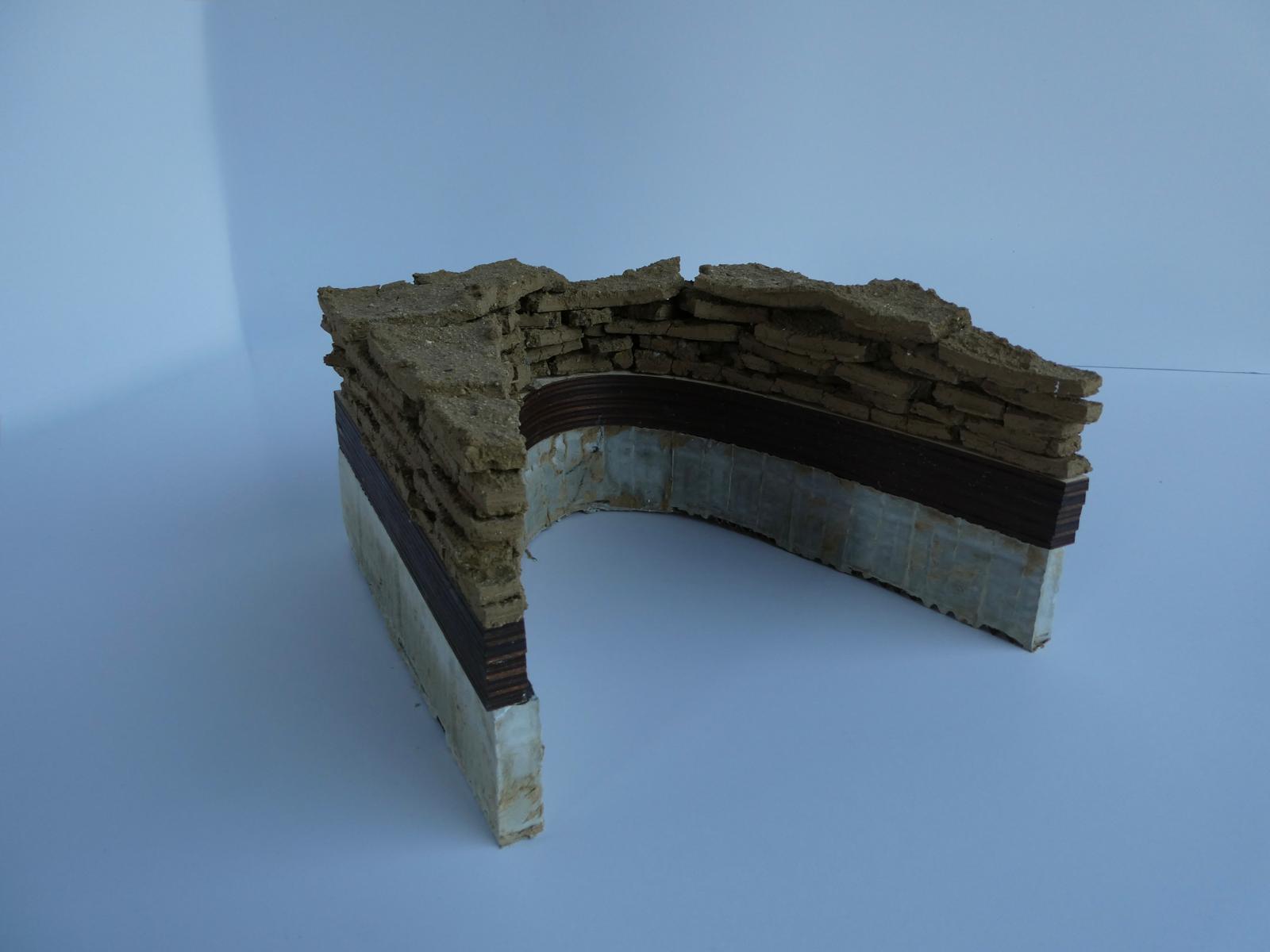
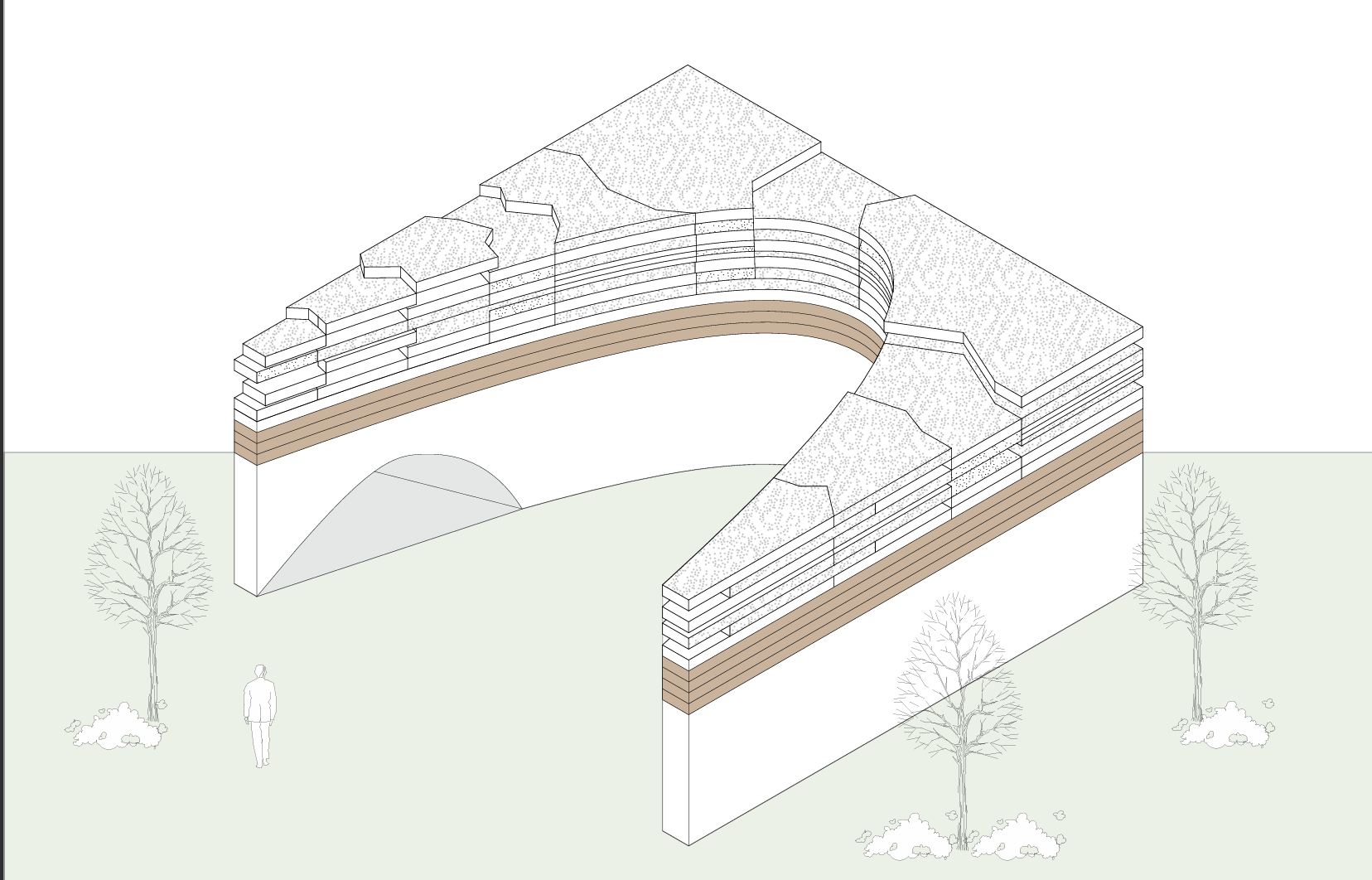
This project was inspired by a corner in room 5 of the Macha Village Center, which uses all three materials in a very cohesive, layered manner. However, instead of using rammed earth (the earthen material in the Macha Village Center), our adobe was inspired by dried, cracked, sun-baked earth and its unique pattern in desert environments. Our bricks are meant to resemble the rugged natural landscape, as opposed to the clean, uniform look of many adobe brick projects.
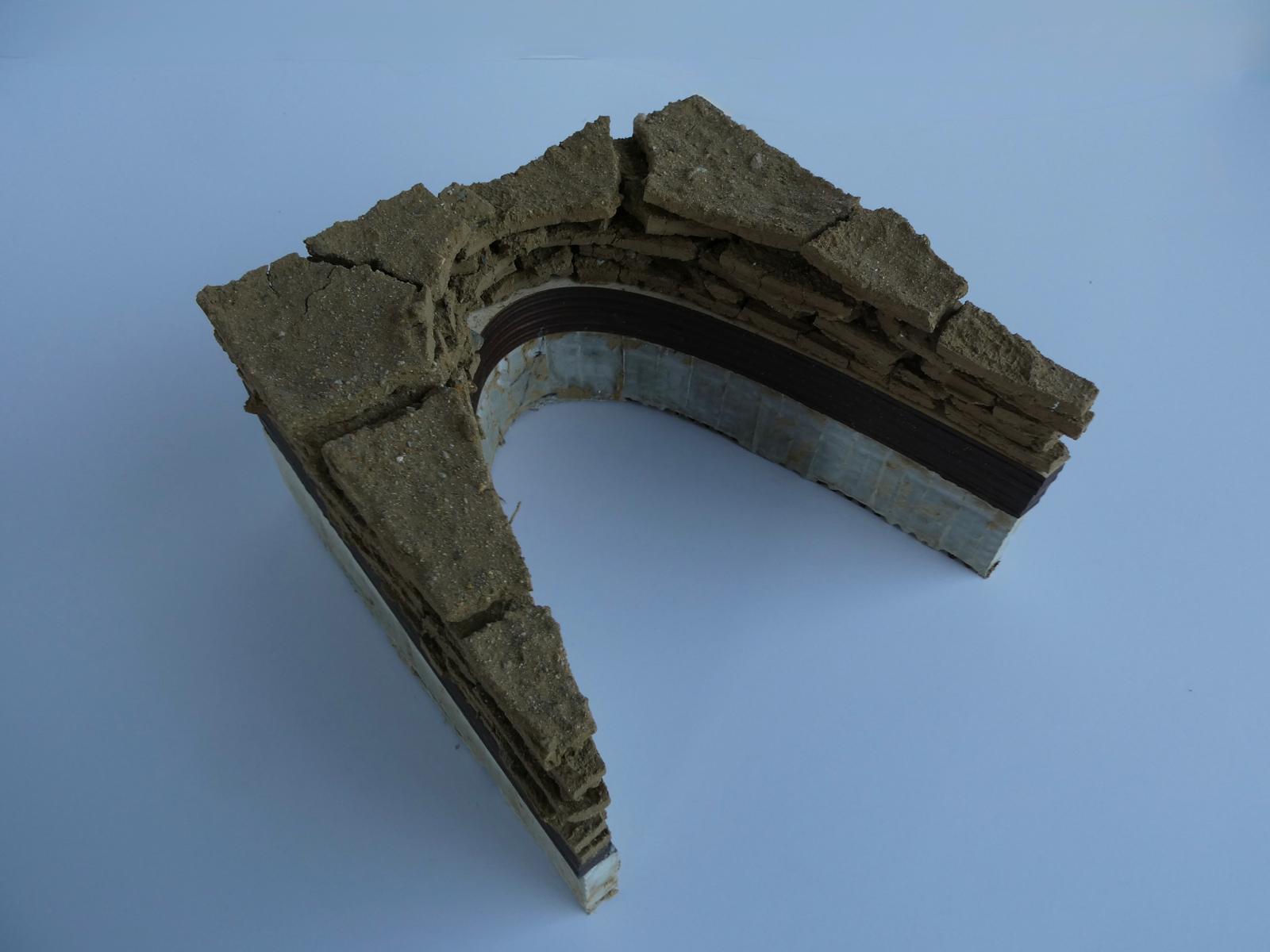
We used a cardboard form reinforced with wood panels to create the rockite base. We used a the laser-cutter for the layers of wood. For the adobe, we used 6 thin forms and let the abode crack in natural ways when releasing the material from form. Our adobe was high in clay content, and we mixed in a lemon starry soda hoping to make the bricks lighter in color.
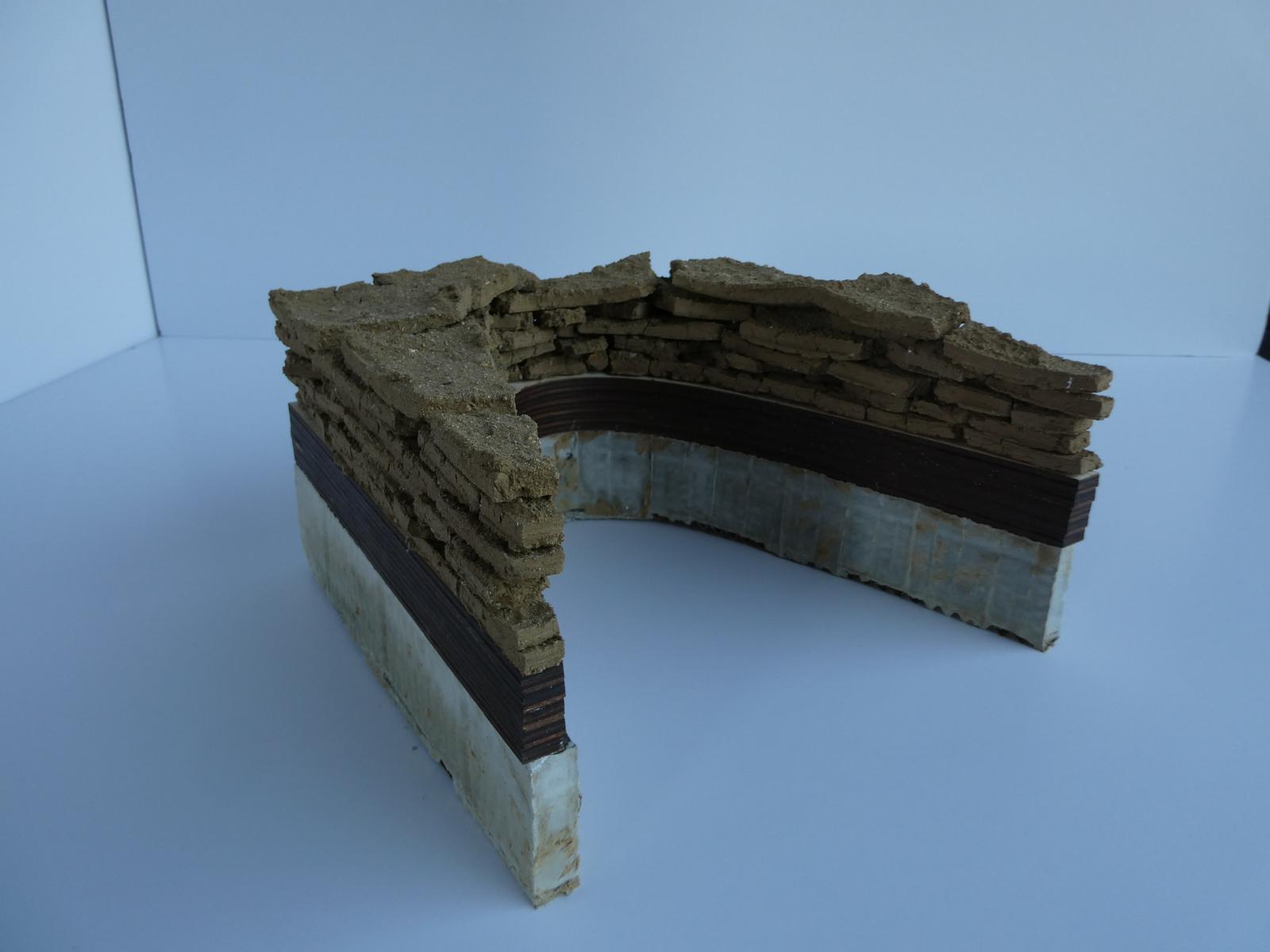
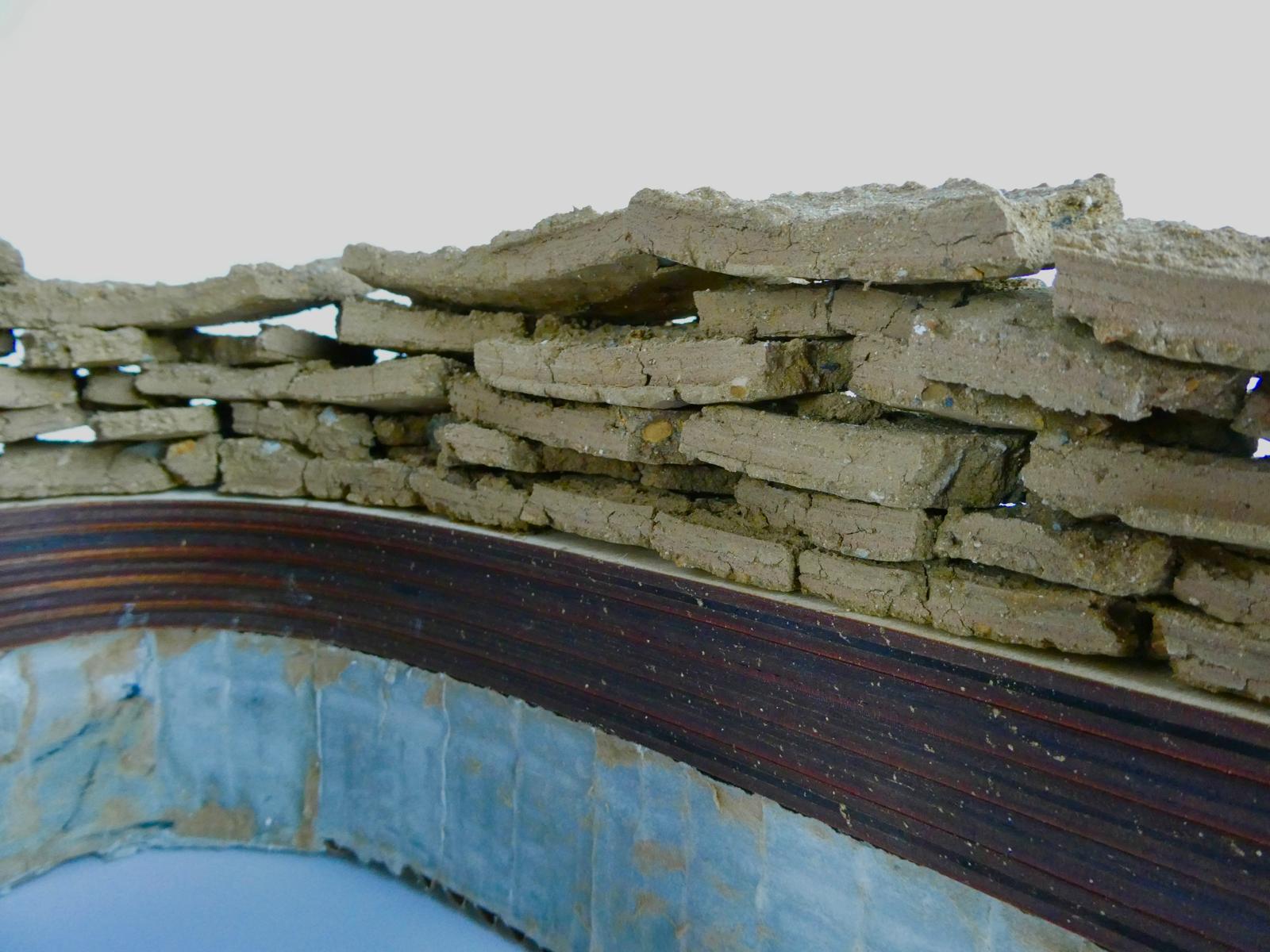
 

We were interested in our models functionality as a building; however, the unique dimensions of this project make habitability difficult. Our model is best viewed as an art piece, an homage to the ancient technique of adobe brick making and its intersection with common construction materials in contemporary buildings.
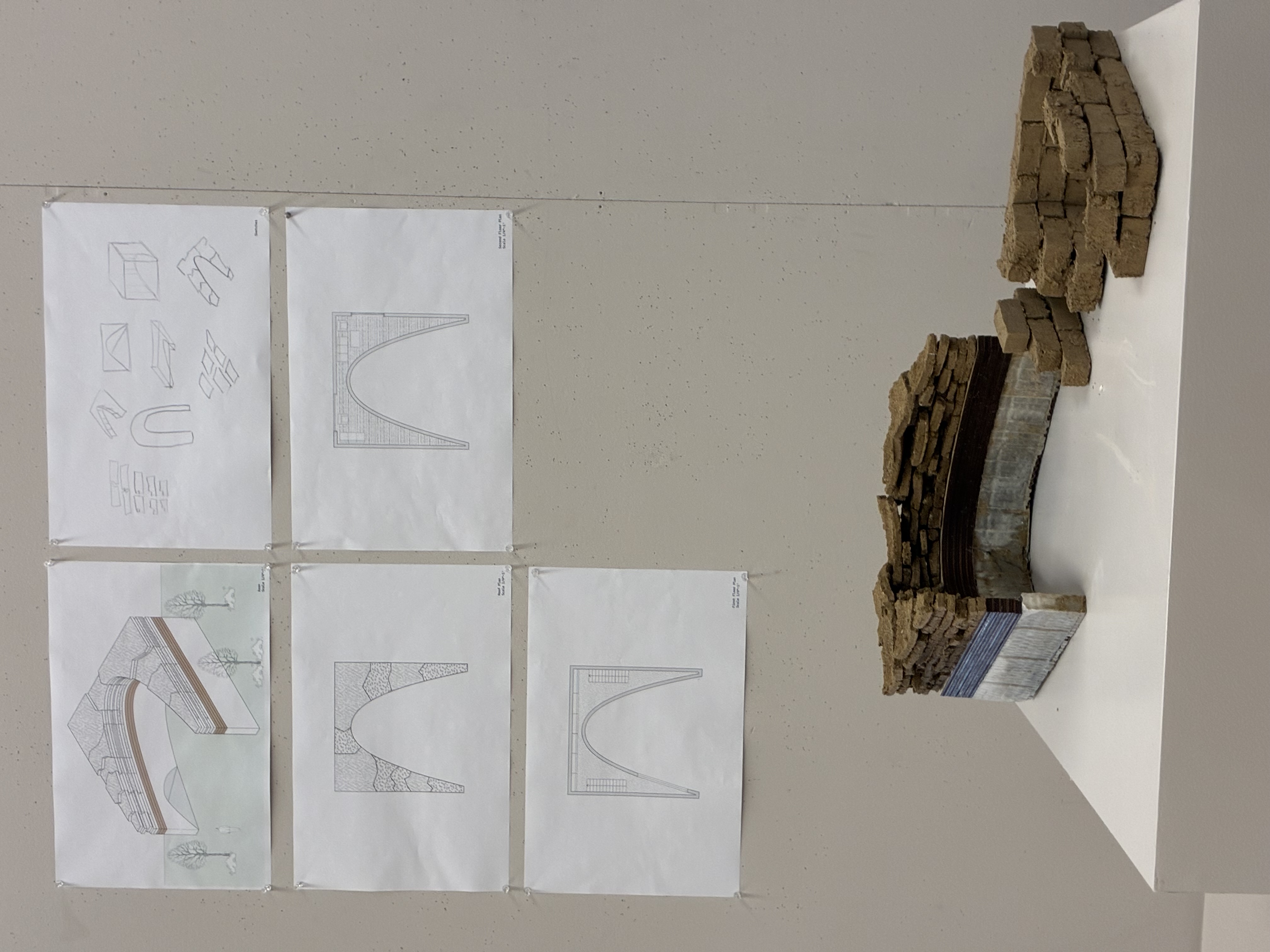
The adobe bricks to the right of our model serve as an example of the aforementioned clean, uniform abode bricks and highlight the contrast in our approach to the material.


Detail Study & Modeling Of Rammed Earth House

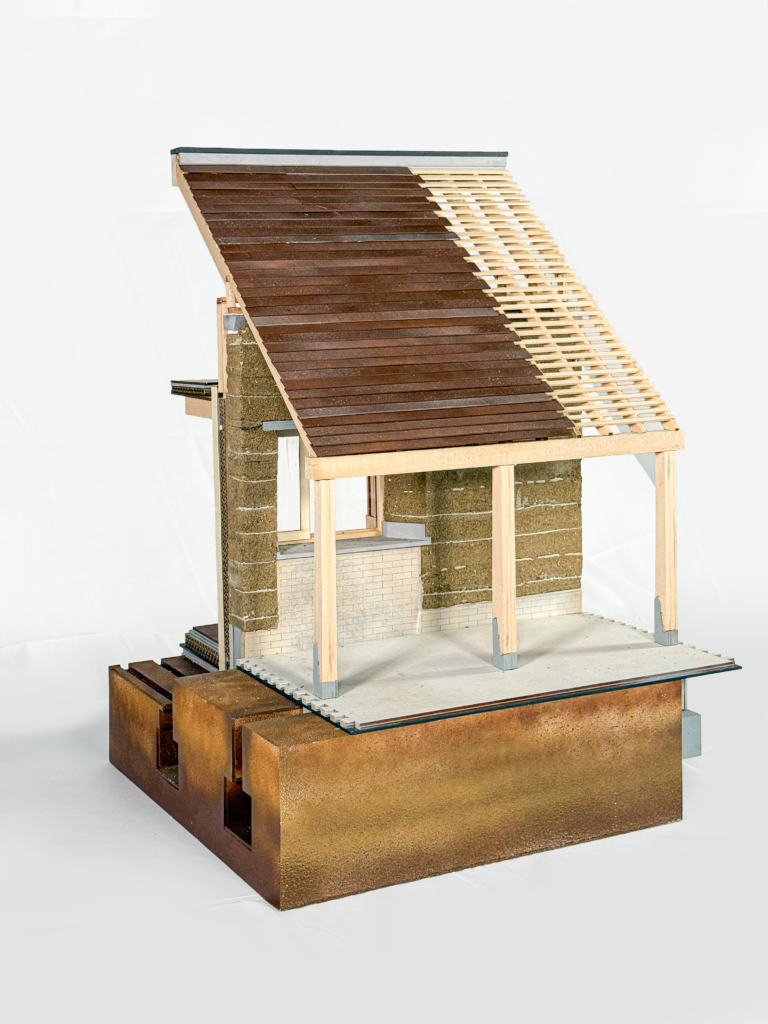
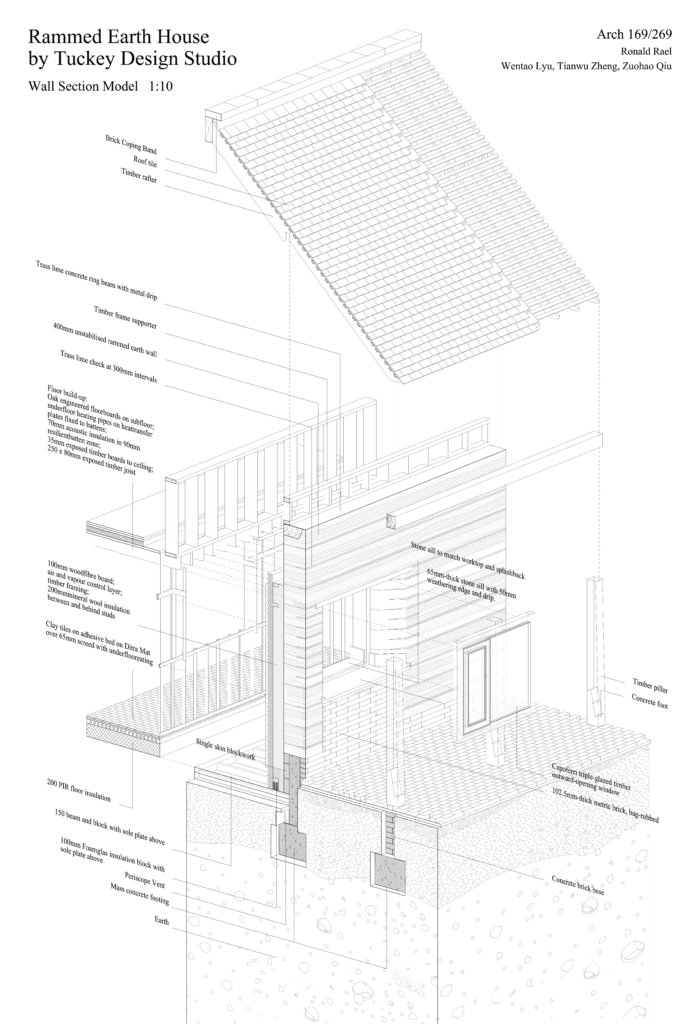
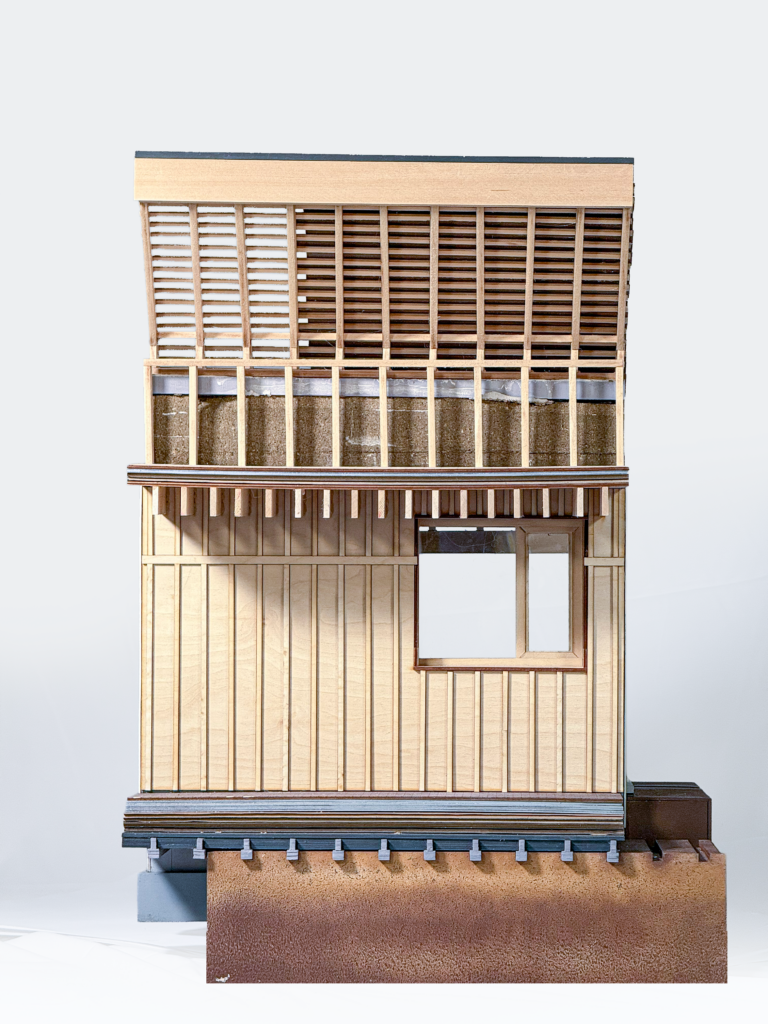
Section Model of Rammed Earth House Designed by Tuckey Design Studio

Project Introduction

Group Member: Wentao Lyu , Tianwu Zheng , Zuohao Qiu

This research explores the construction logic and tectonic characteristics of rammed earth architecture through precedent analysis, detail studies, and physical model experimentation. The project focuses on the relationship between rammed earth walls, timber structures, openings, and material connections.

A 1:10 sectional model and a series of material tests were developed to study fabrication methods, construction details, and the integration of different building systems within rammed earth construction.


Research Framework

01 — Fabrication Process of Rammed Earth Walls

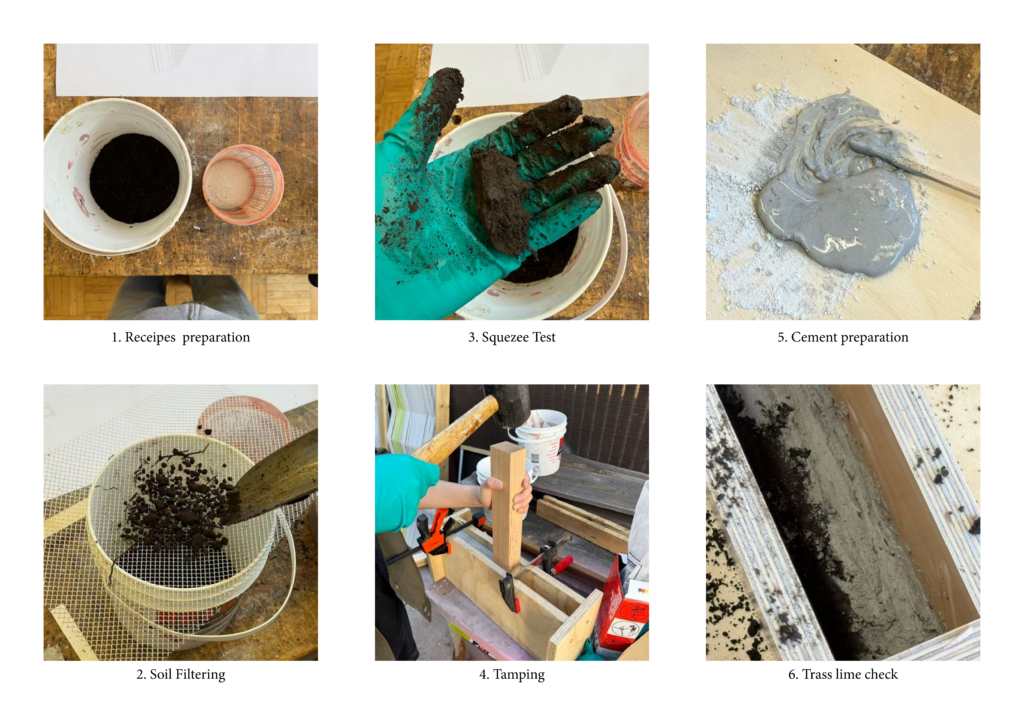
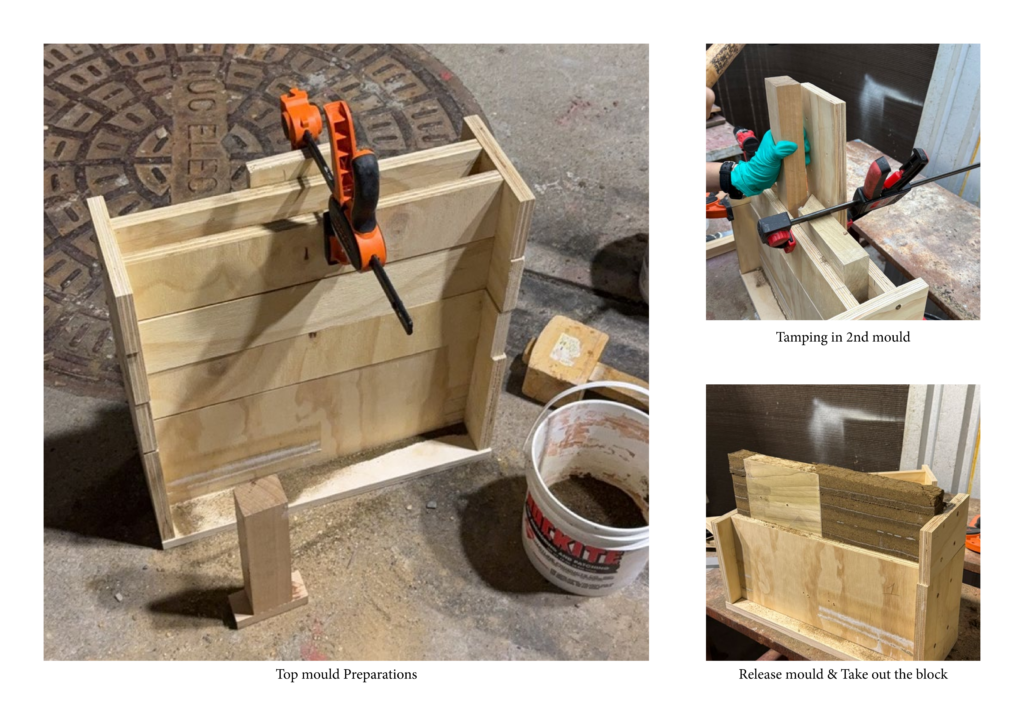
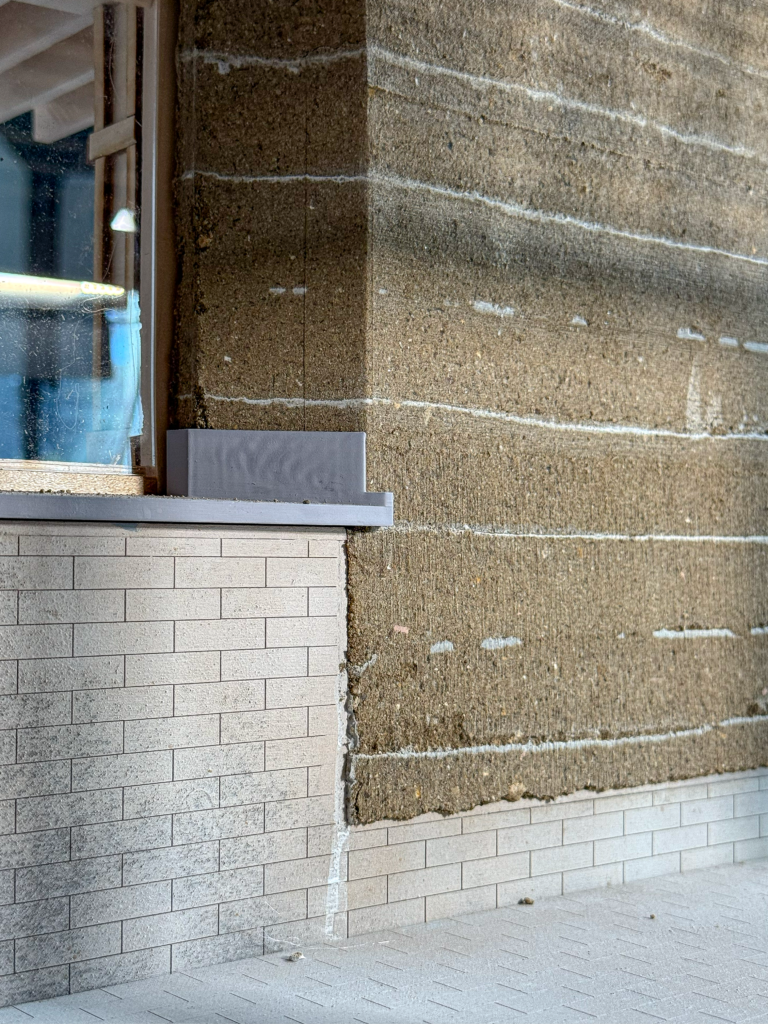
Study of rammed earth wall construction, including soil mixture, layering, moisture control, and compaction methods.

Fabrication Process
Rammed Earth Molds

02 — Connection Logic Between Earth and Other Systems

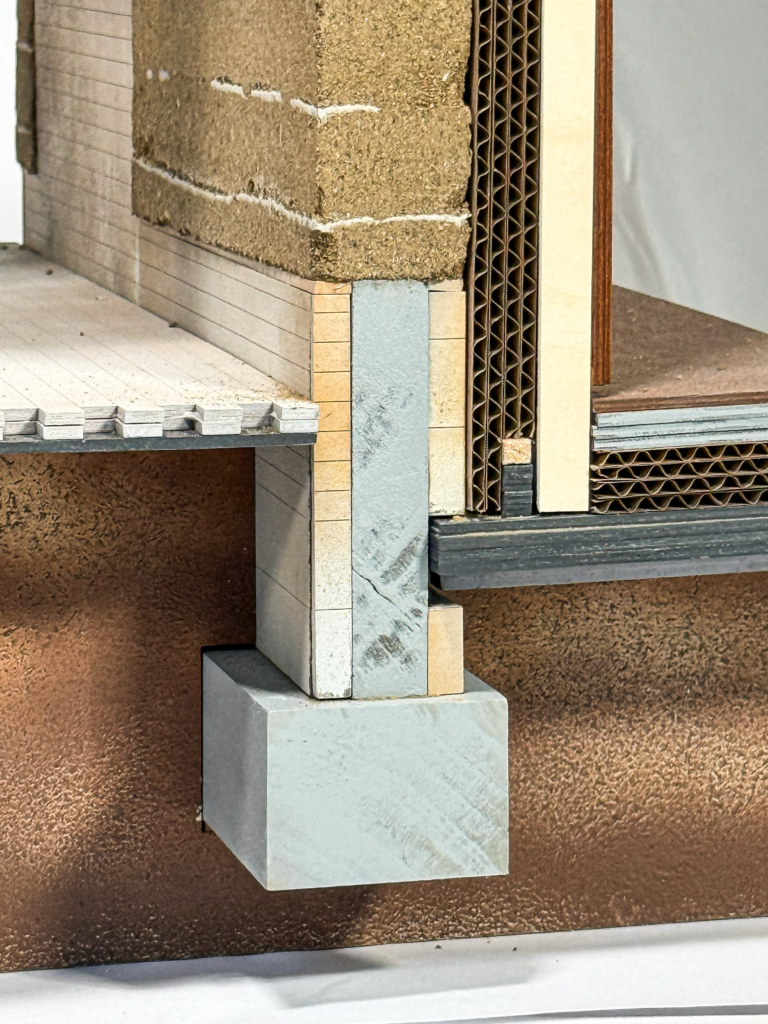
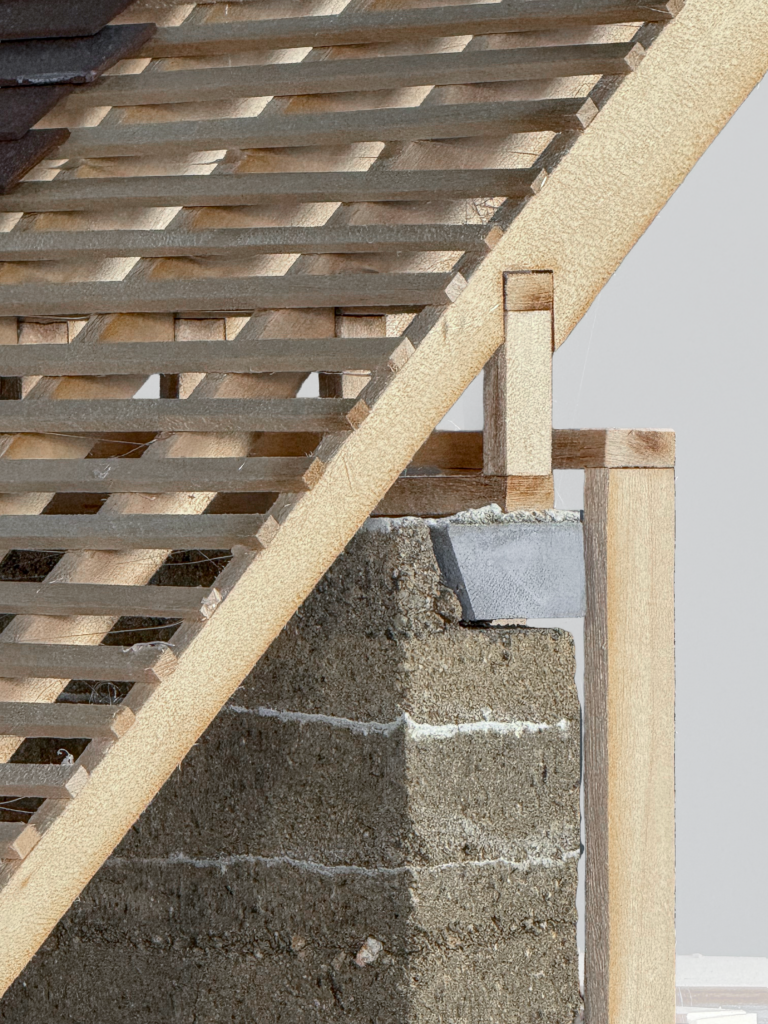
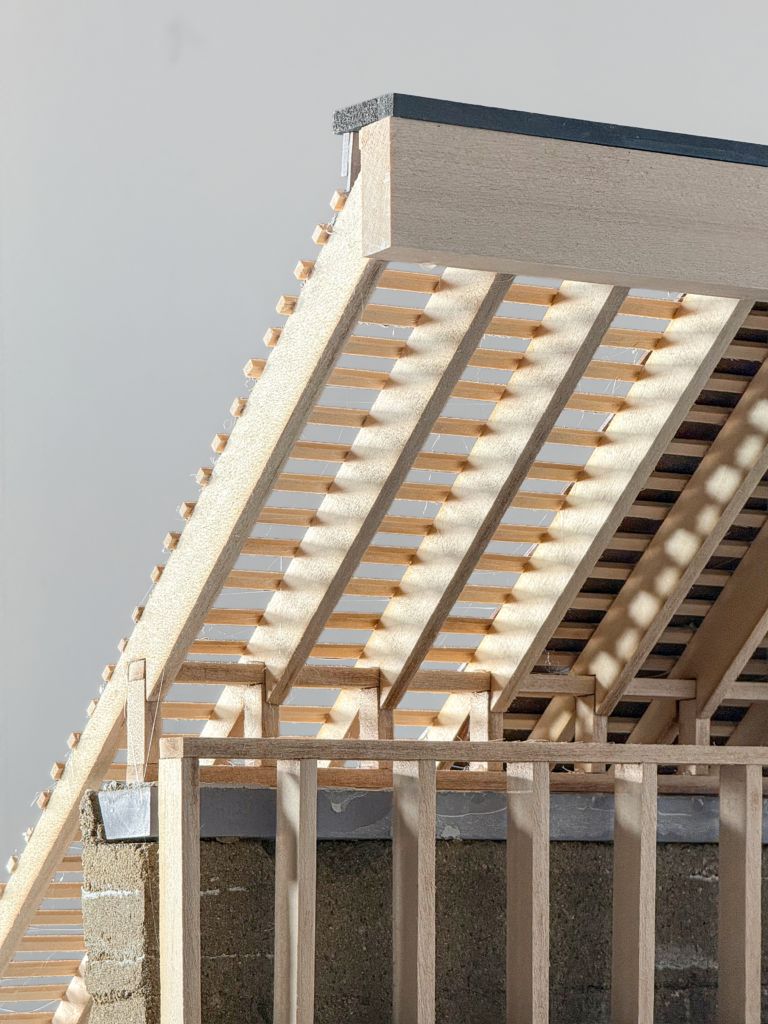
Investigation of how rammed earth walls connect with timber structures, roof assemblies, foundations, and waterproofing details.

Foundation Details 1
Foundation Details 2
Connection with Timber Structures
Roof Assemblies
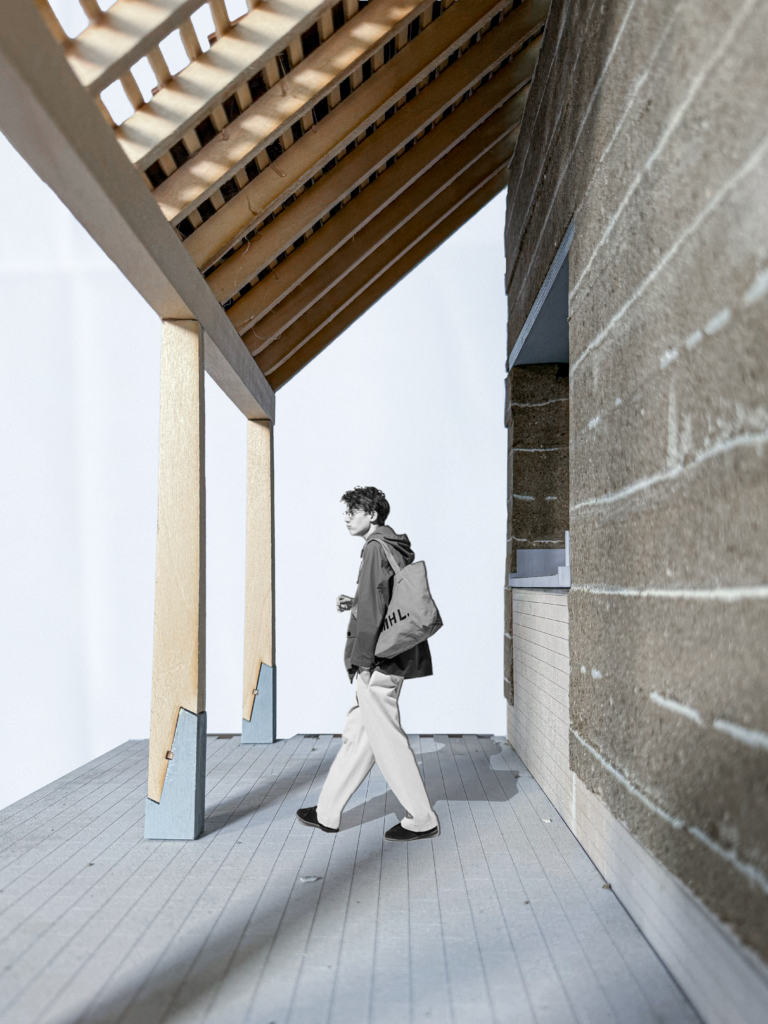
Corridor and Timber Column Details

03 — Integration of Openings within Load-Bearing Walls

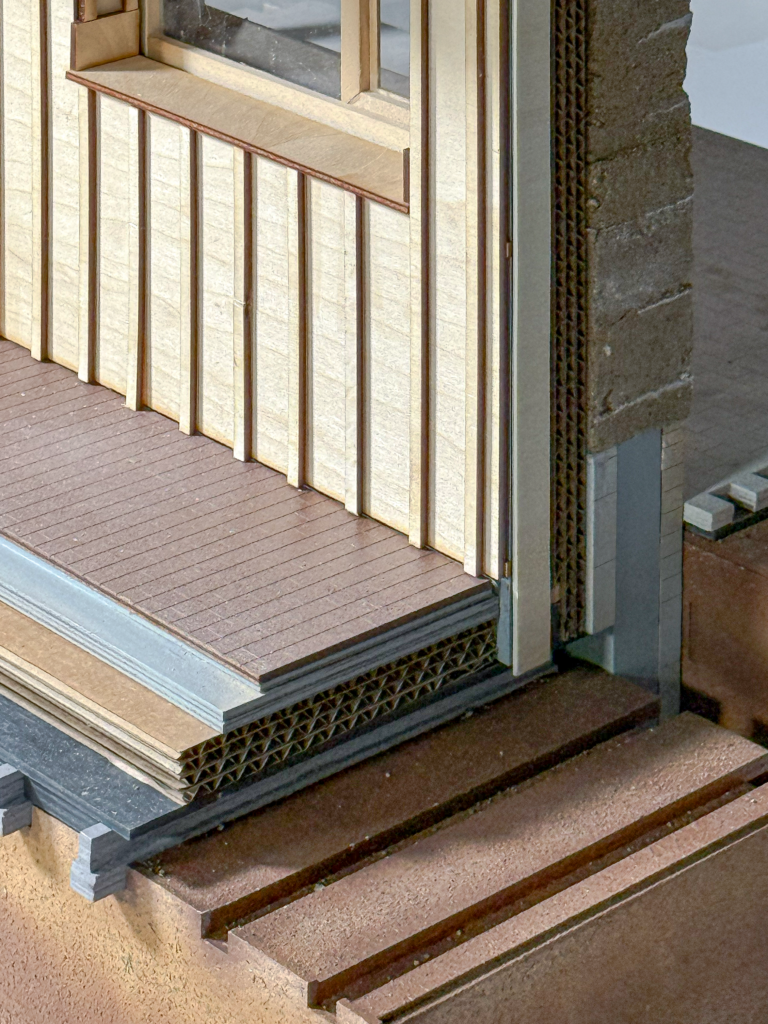
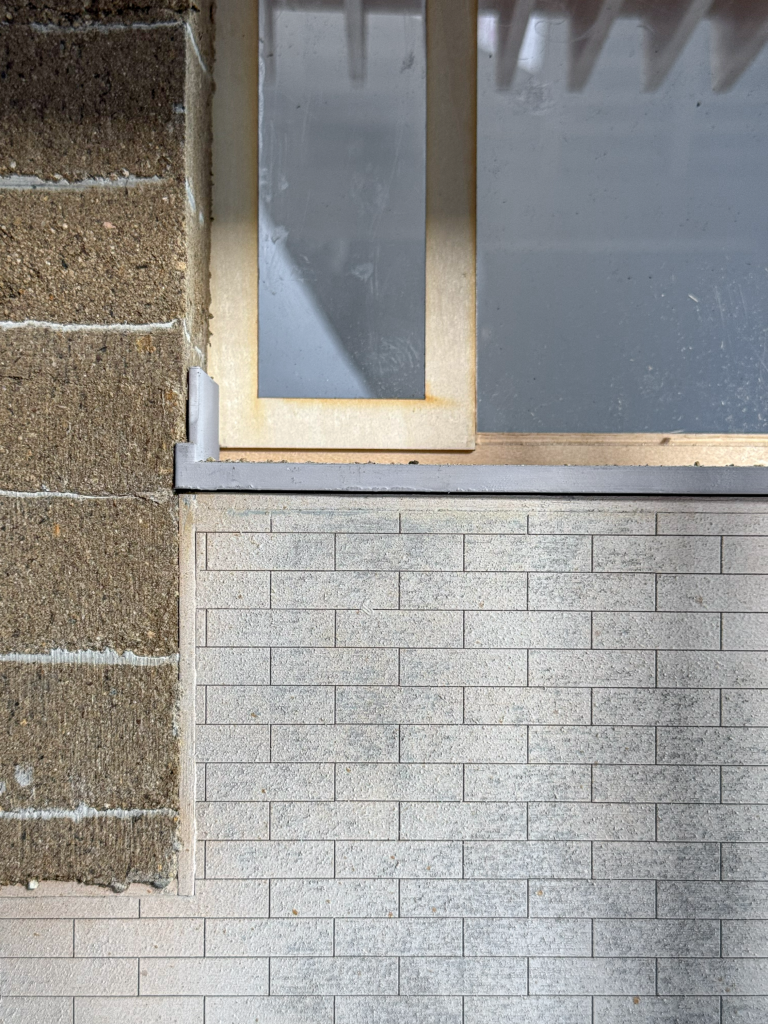
Analysis of window openings and structural transitions within thick rammed earth wall systems.

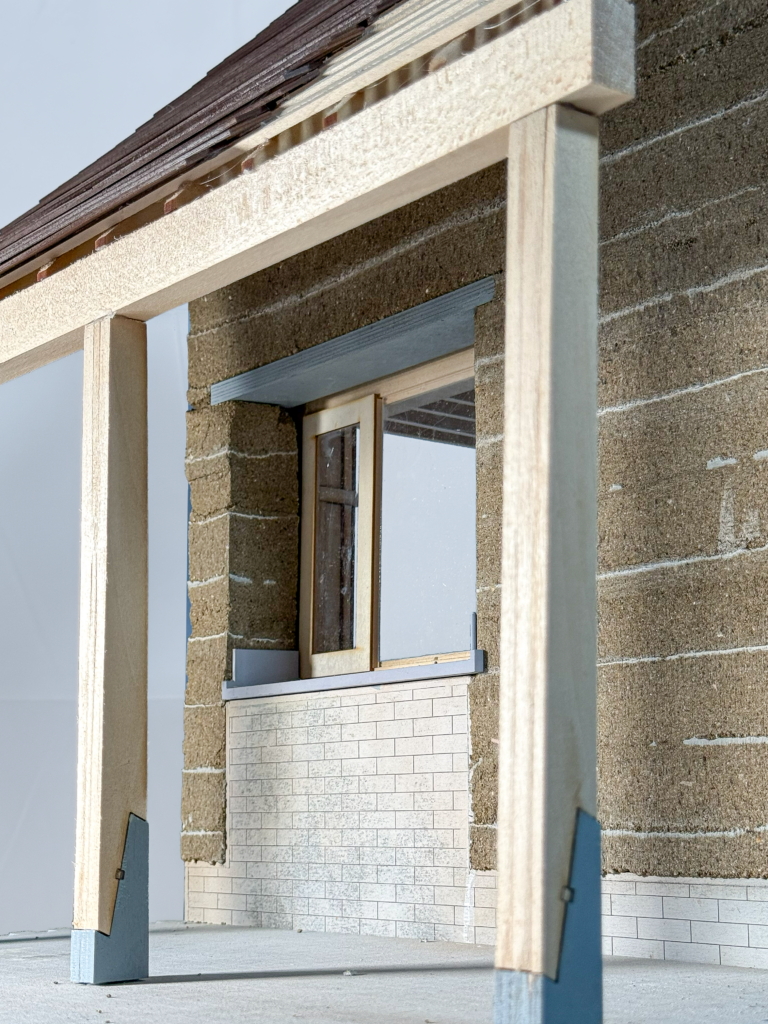
Window Opening Details 1
Window Opening Details 2
Window Openings and Timber Columns

Modeling & Material Experiments

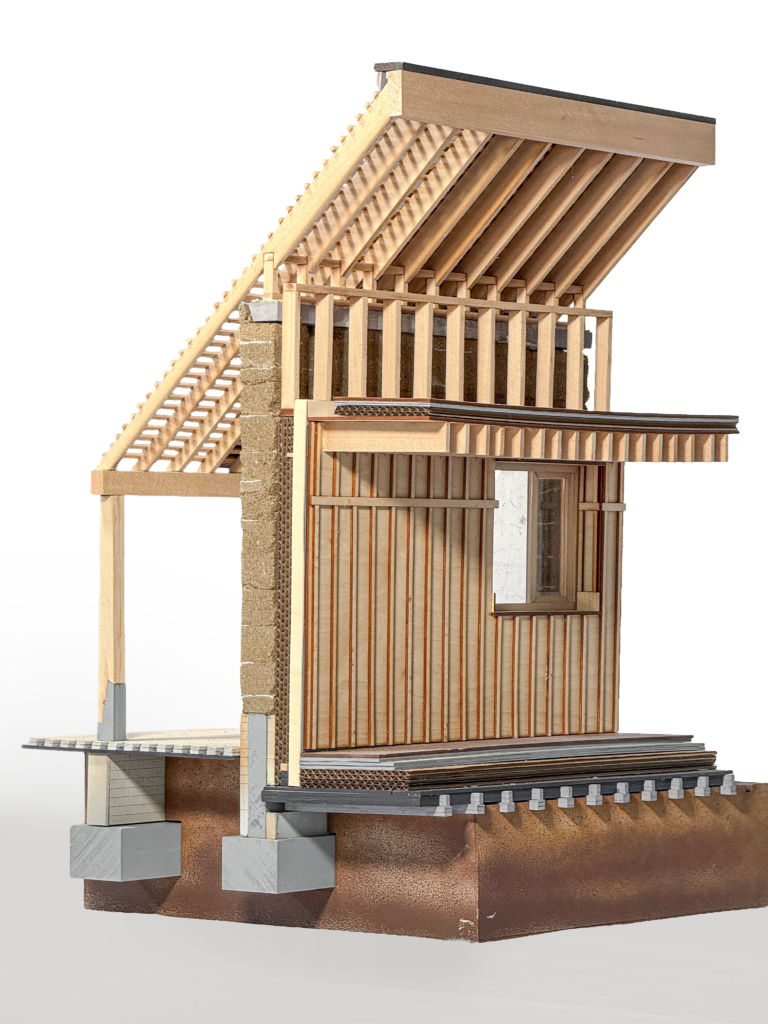
Sectional Model

Development of a 1:10 sectional model combining rammed earth walls, timber framing, and window details to study tectonic relationships and construction sequencing.

Construction Details Study
Section Model Image 1
Section Model Image 2

Material Testing

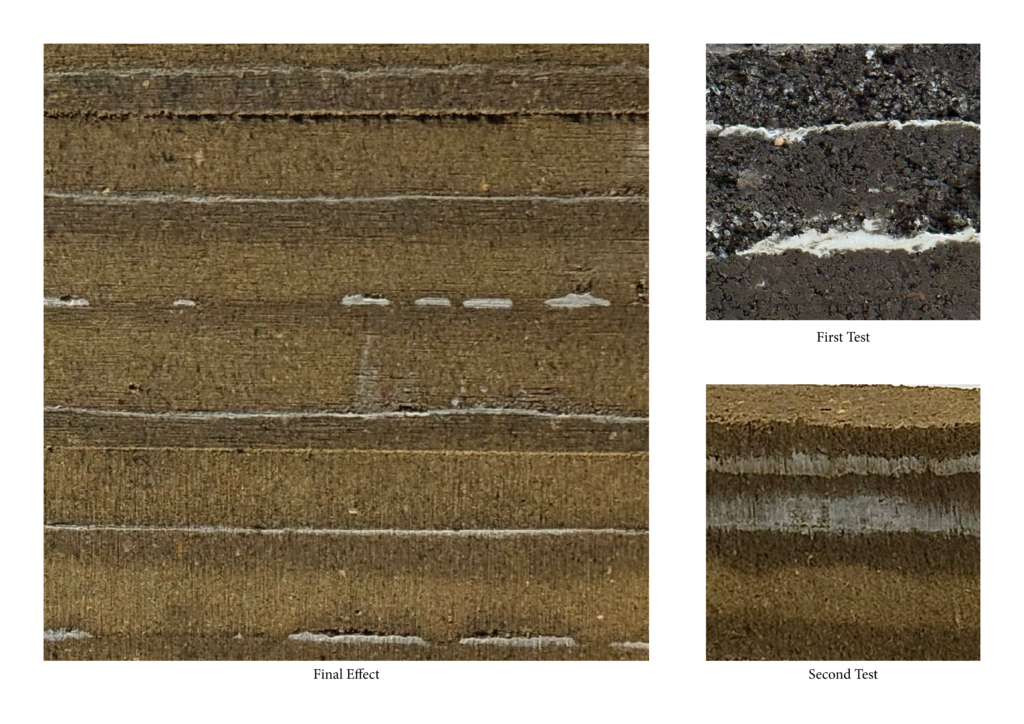
Material experiments focusing on soil ratios, wetness testing, compaction techniques, and layered rammed earth fabrication at model scale.

Material Experiments and Mockups