Earth Architecture at Cranbrook

cranbook.jpg

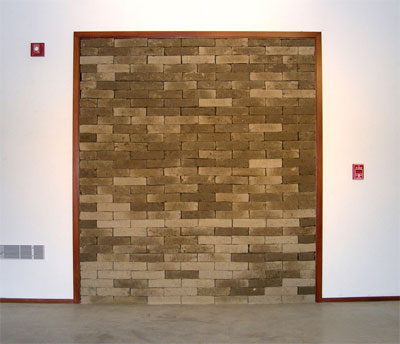
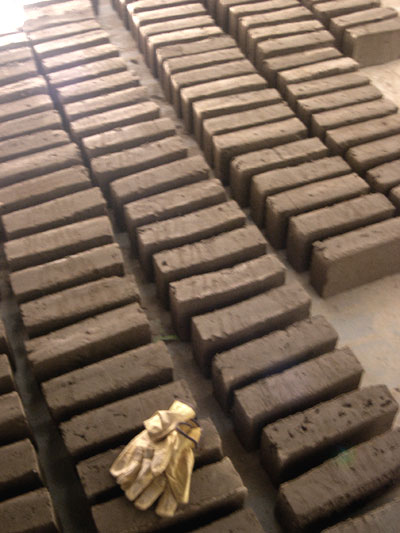
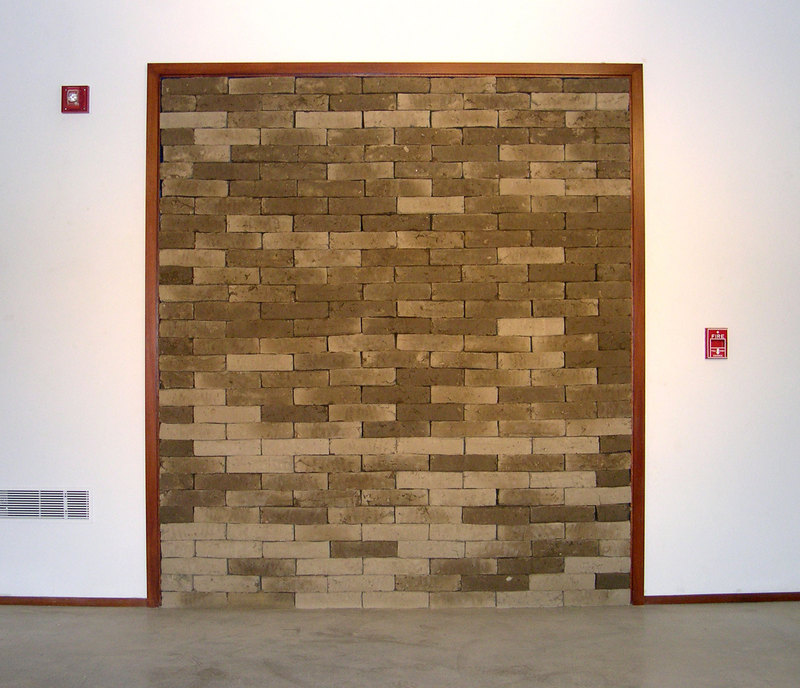
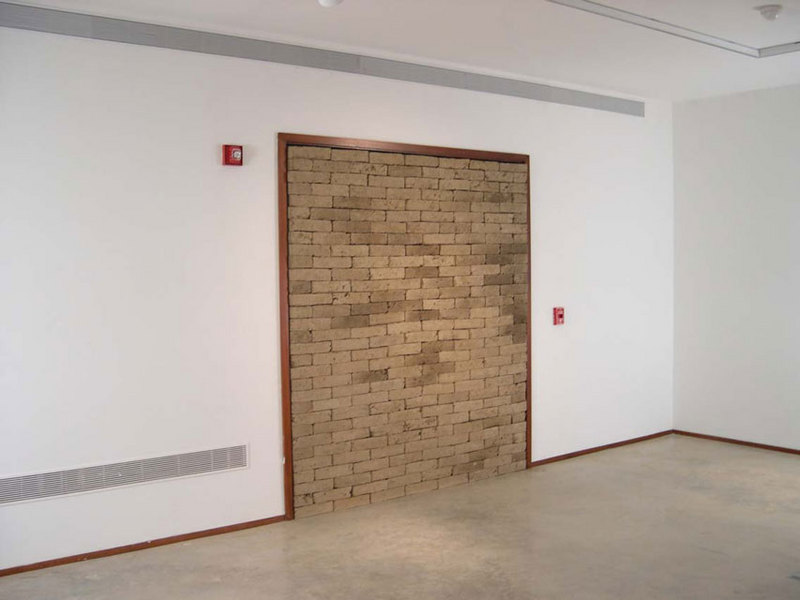
Ginger Krieg, Dharmesh Patel, Paul Puzzello and Juan Torres, Students from the Cranbrook Department of Architecture, are experimenting with Hand formed soil/clay bricks. (non-fired) They built a wall from the bricks utilizing random soil found in the Detroit metro area. The dimensions of the bricks were 3″ x 6″ x 12″ comprised of only sifted soil and water. In the 10-day project approximately 400 bricks were produced. More images 1| 2 | 3

Lak’a Uta Project

The Danish International Human Settlement Service has constructed several earth houses, called the The Lak’a Uta Project, on the Bolivian plateau. Together these houses make ‘Centro Lak’a Uta’. In the local language of Aymara ‘Lak’a Uta means ‘homes of earth’.

Hassan Fathy

hs1.jpg

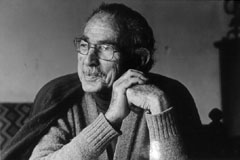
Hassan Fathy (1900–1989) was an Egyptian architect widely recognized as a pioneer of sustainable and vernacular architecture. His work challenged the dominance of modern industrial construction by advocating for the use of traditional building techniques, particularly adobe (mud brick), as a means of creating environmentally responsive and socially equitable architecture. 

Fathy’s approach was grounded in what he termed “appropriate technology,” emphasizing the use of locally available materials, passive environmental strategies, and the participation of local communities in the building process. Rather than imposing universal modernist solutions, he sought to develop a context-specific architecture that responded to climate, culture, and economic conditions. 

His most influential project, New Gourna Village (1946–1952) in Luxor, was conceived as a prototype for low-cost, community-oriented housing. The project integrated traditional Nubian construction methods—such as vaulted roofs, courtyards, and thick earthen walls—to provide passive cooling and thermal comfort in a hot arid climate. 

Although New Gourna faced social and political challenges and remained partially unrealized, it became a critical reference in architectural discourse. Through both the project and his seminal book Architecture for the Poor (1973), Fathy redefined architecture as a socially engaged practice, where material, climate, and human needs are intrinsically linked. 

Today, Fathy’s work is increasingly recognized for its relevance to contemporary issues of sustainability, climate adaptation, and equitable development. His legacy continues to influence architects seeking alternatives to resource-intensive construction, positioning him as a key figure in the global discourse on ecological and socially responsible design.

https://www.wmf.org/projects/new-gourna-village

https://en.wikipedia.org/wiki/Hassan_Fathy
AREA: Design + Build in Marfa, Texas

areaarial.jpg

PROGRAM DATES FOR AREA SUMMER DESIGN+BUILD

June 1 – July 1 2005

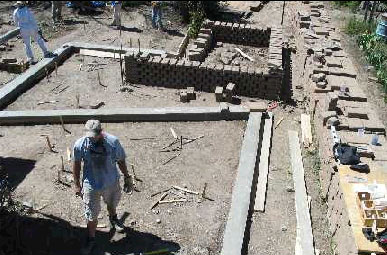
AREA is a summer research+build workshop that engages a 90 year old abandoned mud-brick building, located in the town of Marfa, Texas, as the testing grounds for questioning the notion of detail, the theme of this years inquiry. Through a series of explorations that examine the process of making and unmaking in architecture, participants will design and build full-scale interventions that respond to a critical examination of place and program while addressing local/global and industrial/non-industrial agendas for architecture by employing raw earth as the primary building material in these investigations. Marfa serves as an ideal laboratory from where to study these issues. It is a town constructed almost entirely from mud-brick and transformed by rich historical, cultural and geographic forces. At 5,000 feet above sea level, it is one of the oldest cultivated areas in the United States. Located 60 miles from the U.S./Mexico border, Marfa is also home to the Chinati Foundation, an internationally renowned contemporary art museum, founded by Donald Judd, whose emphasis is on works in which art and the surrounding landscape are inextricably linked. Participants will have the opportunity to visit this extraordinary cultural and geographic landscape through a series of directed and self-guided field-studies. AREA is an initiative of the School of Architecture at Clemson University and made possible in part by the Adobe Alliance, a non-profit organization committed to the dissemination of traditional earth building technologies.

MORE INFORMATION AT: www.areainstitute.org

In Situ

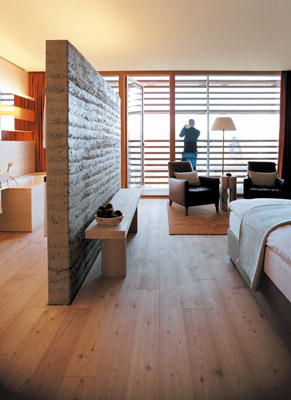
In Situ is a U.K. based rammed earth company devoted to rammed earth construction, consultancy and research.