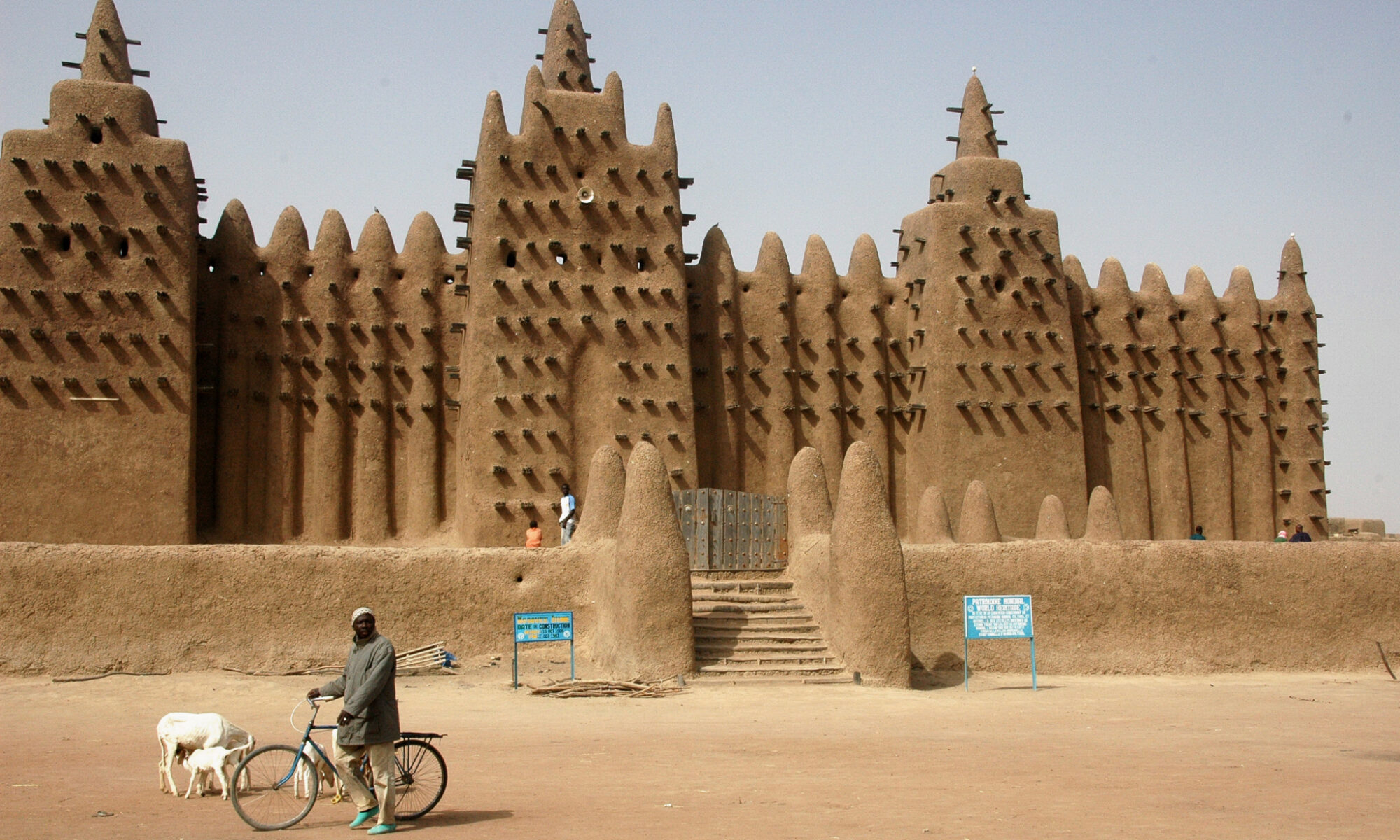
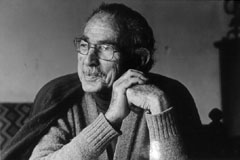
Hassan Fathy (1900–1989) was an Egyptian architect widely recognized as a pioneer of sustainable and vernacular architecture. His work challenged the dominance of modern industrial construction by advocating for the use of traditional building techniques, particularly adobe (mud brick), as a means of creating environmentally responsive and socially equitable architecture.
Fathy’s approach was grounded in what he termed “appropriate technology,” emphasizing the use of locally available materials, passive environmental strategies, and the participation of local communities in the building process. Rather than imposing universal modernist solutions, he sought to develop a context-specific architecture that responded to climate, culture, and economic conditions.
His most influential project, New Gourna Village (1946–1952) in Luxor, was conceived as a prototype for low-cost, community-oriented housing. The project integrated traditional Nubian construction methods—such as vaulted roofs, courtyards, and thick earthen walls—to provide passive cooling and thermal comfort in a hot arid climate.
Although New Gourna faced social and political challenges and remained partially unrealized, it became a critical reference in architectural discourse. Through both the project and his seminal book Architecture for the Poor (1973), Fathy redefined architecture as a socially engaged practice, where material, climate, and human needs are intrinsically linked.
Today, Fathy’s work is increasingly recognized for its relevance to contemporary issues of sustainability, climate adaptation, and equitable development. His legacy continues to influence architects seeking alternatives to resource-intensive construction, positioning him as a key figure in the global discourse on ecological and socially responsible design.