The Gando School Library by Francis Kéré

From Personal Experience to Architectural Innovation

Francis Kéré’s journey to build the Gando School Library began with his own childhood experiences. As a young student in rural Burkina Faso, Kéré had to travel 40 kilometers to reach the nearest school, where he studied in poorly lit, badly ventilated classrooms. These difficult learning conditions left a lasting impression that would shape his future work.

While studying architecture in Germany, Kéré made a crucial decision: he would use his education to build a better school for his village. In 1998, he established “Bricks for Gando,” a foundation to support this vision. By 1999, despite significant economic and logistical challenges, he began designing the primary school with support from his community and foundation funds.

Smart Design for Harsh Conditions

Kéré designed the school in 1999 with four key factors in mind: cost, climate, available materials, and building methods. He knew the building needed to stay cool in extreme heat, use local materials, and be built by village residents.

The Building Layout

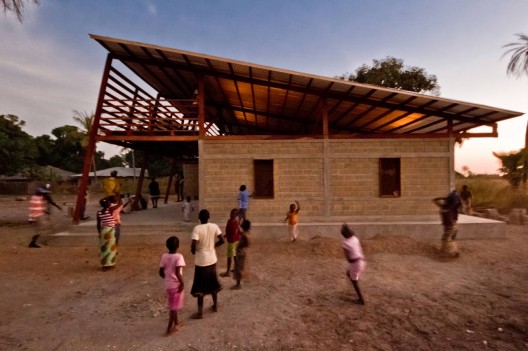
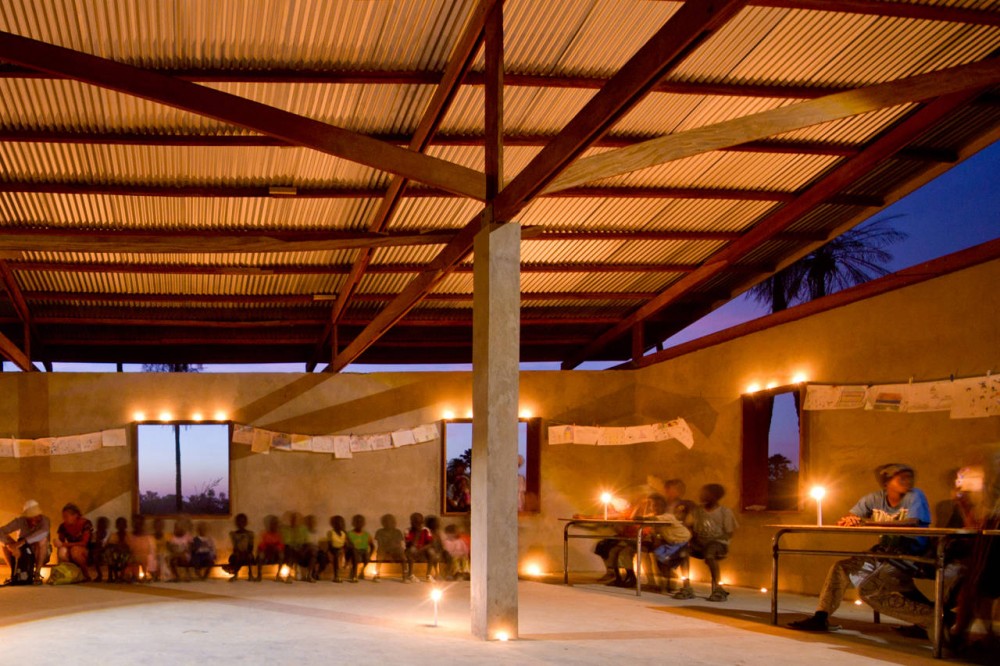
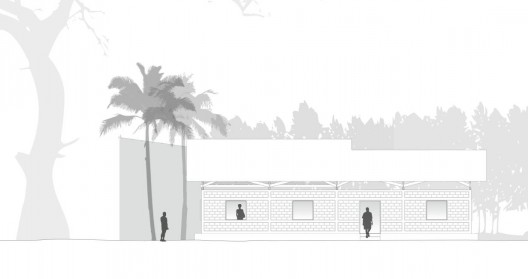
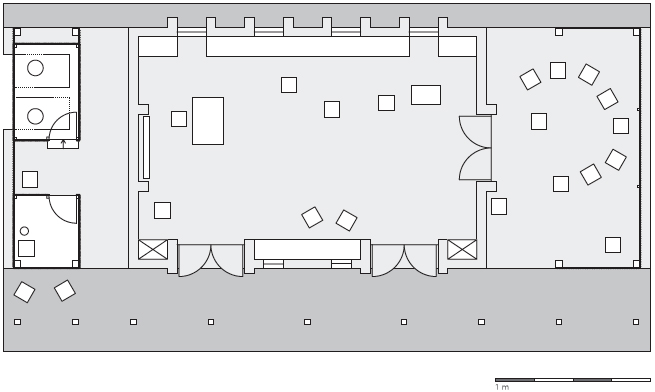
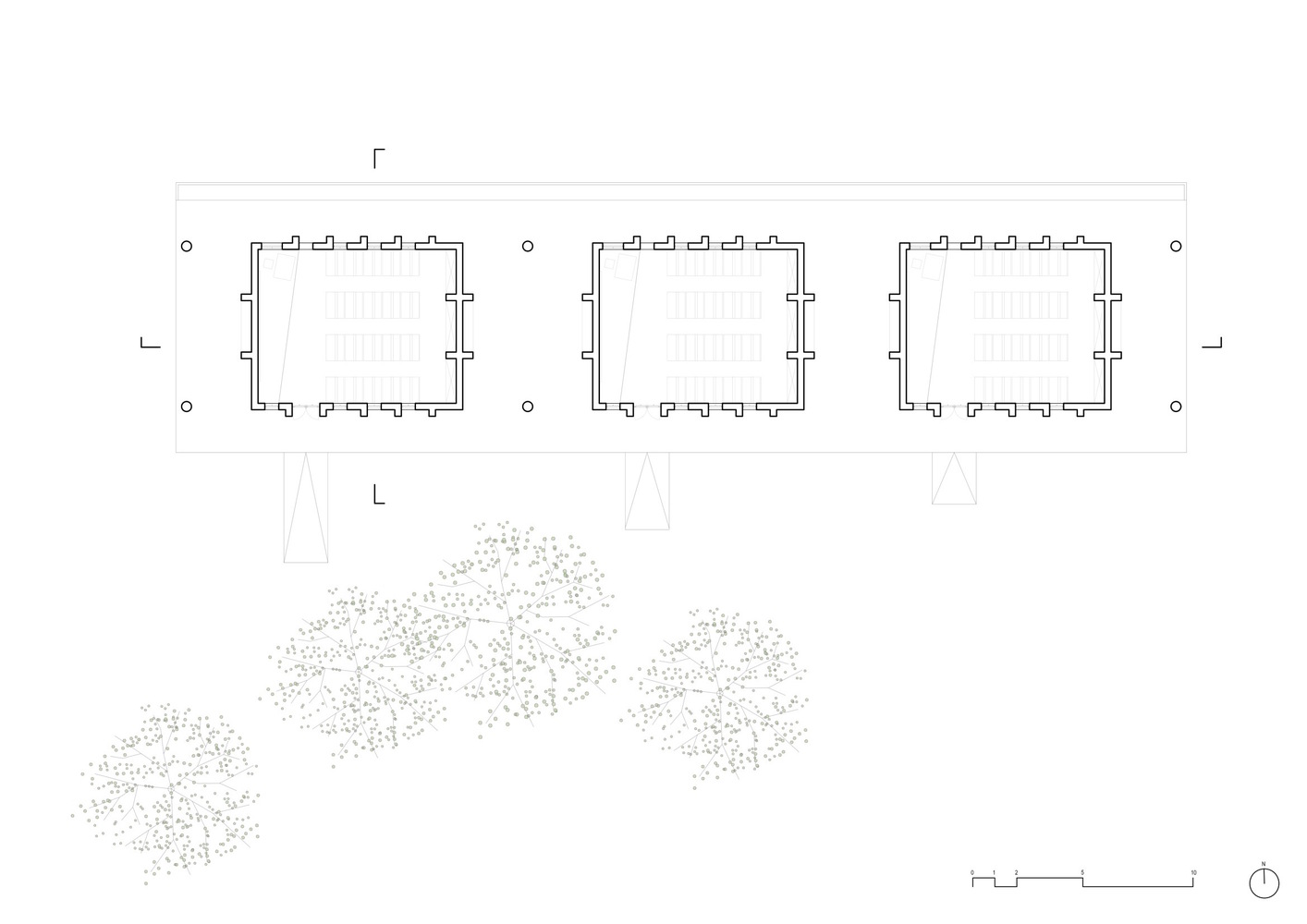
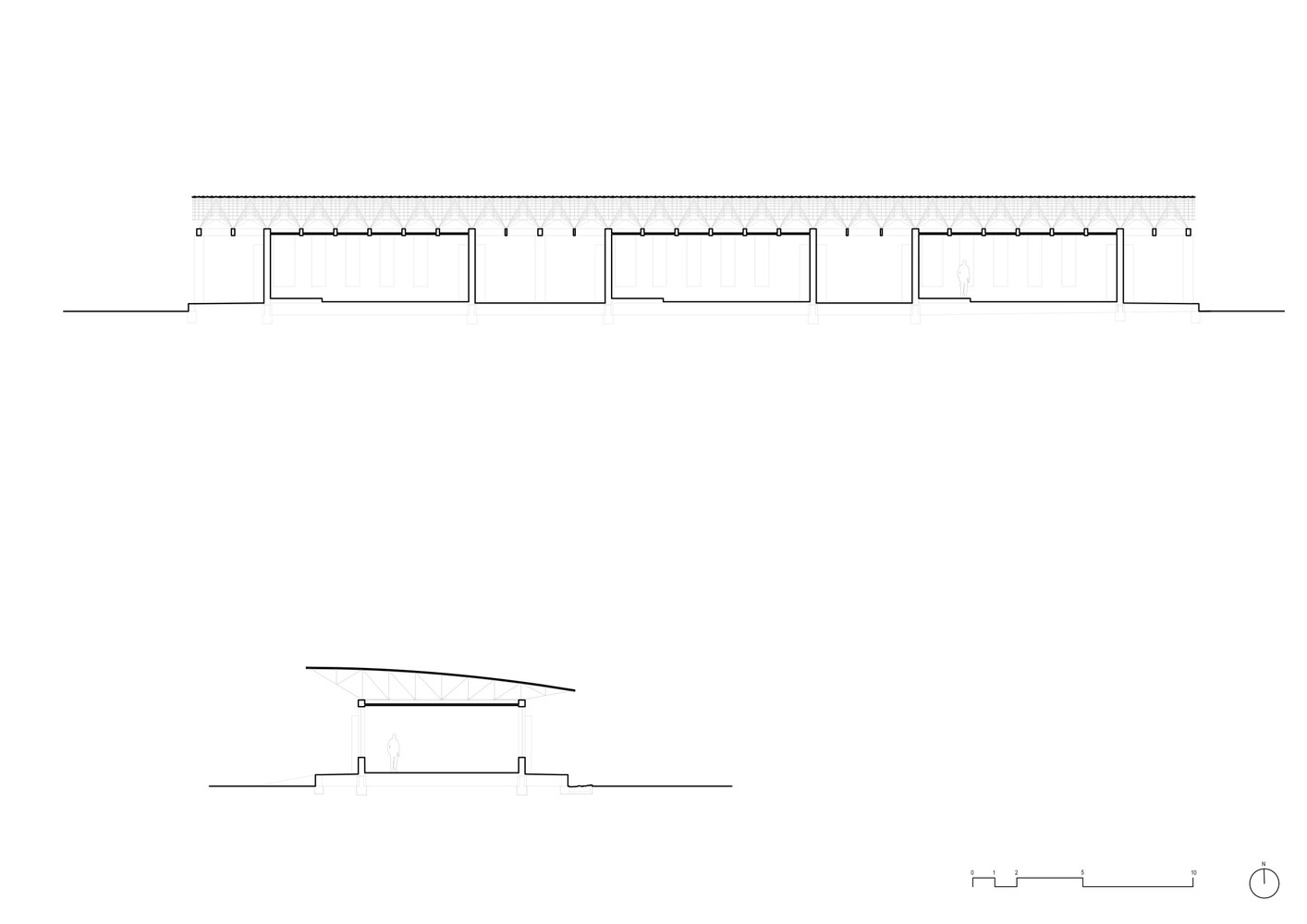
The school features three classrooms arranged in a straight line. Between them, covered outdoor areas serve as play spaces and extra teaching rooms. This simple layout helps air move through the building while providing shade for outdoor activities.

Natural Cooling System

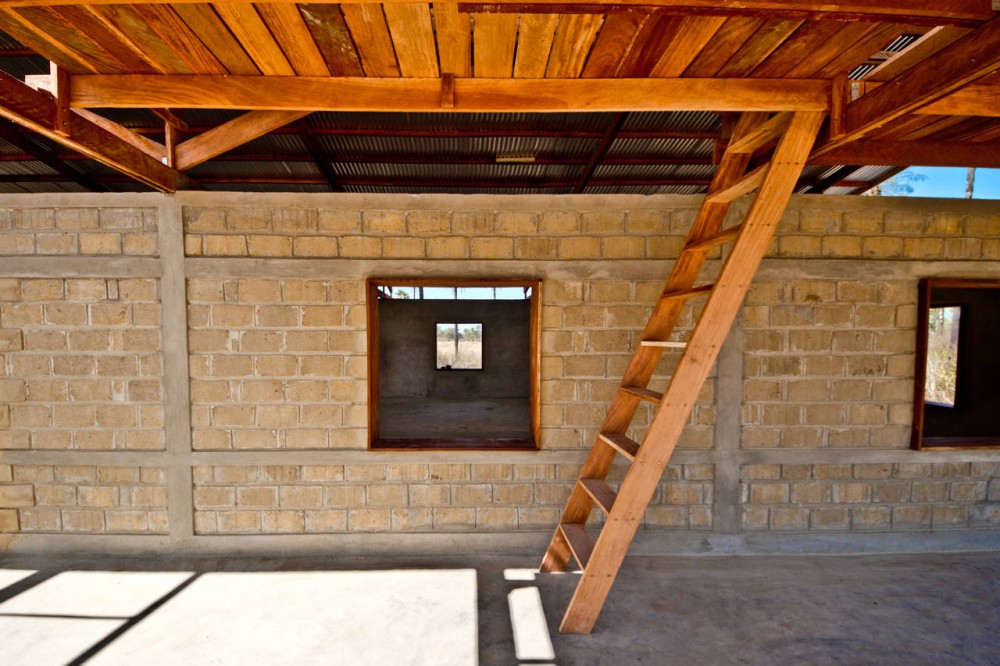
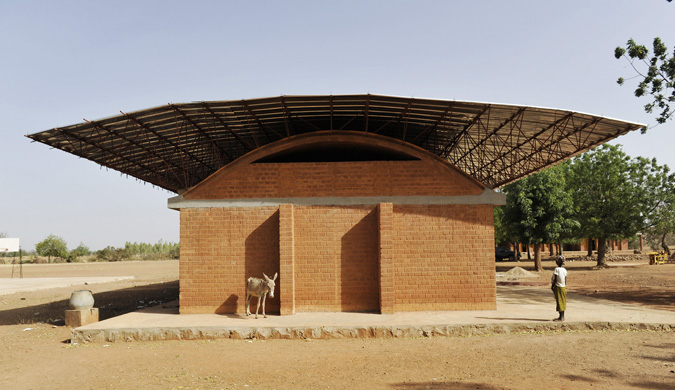
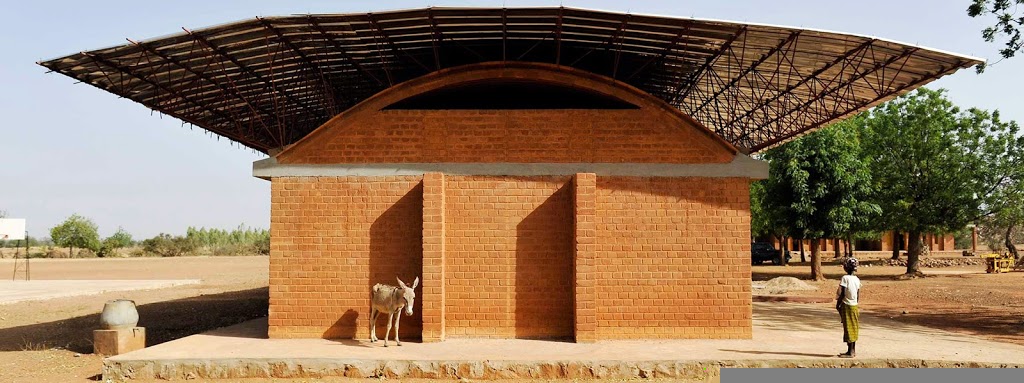
Instead of using expensive air conditioning, Kéré created an innovative ventilation system. He raised the metal roof above the clay brick ceiling using steel bars and light trusses. This design lets cool air enter through windows while hot air rises through holes in the ceiling and escapes through the gap under the raised roof. The roof extends far beyond the walls, protecting them from rain and creating extra shade.
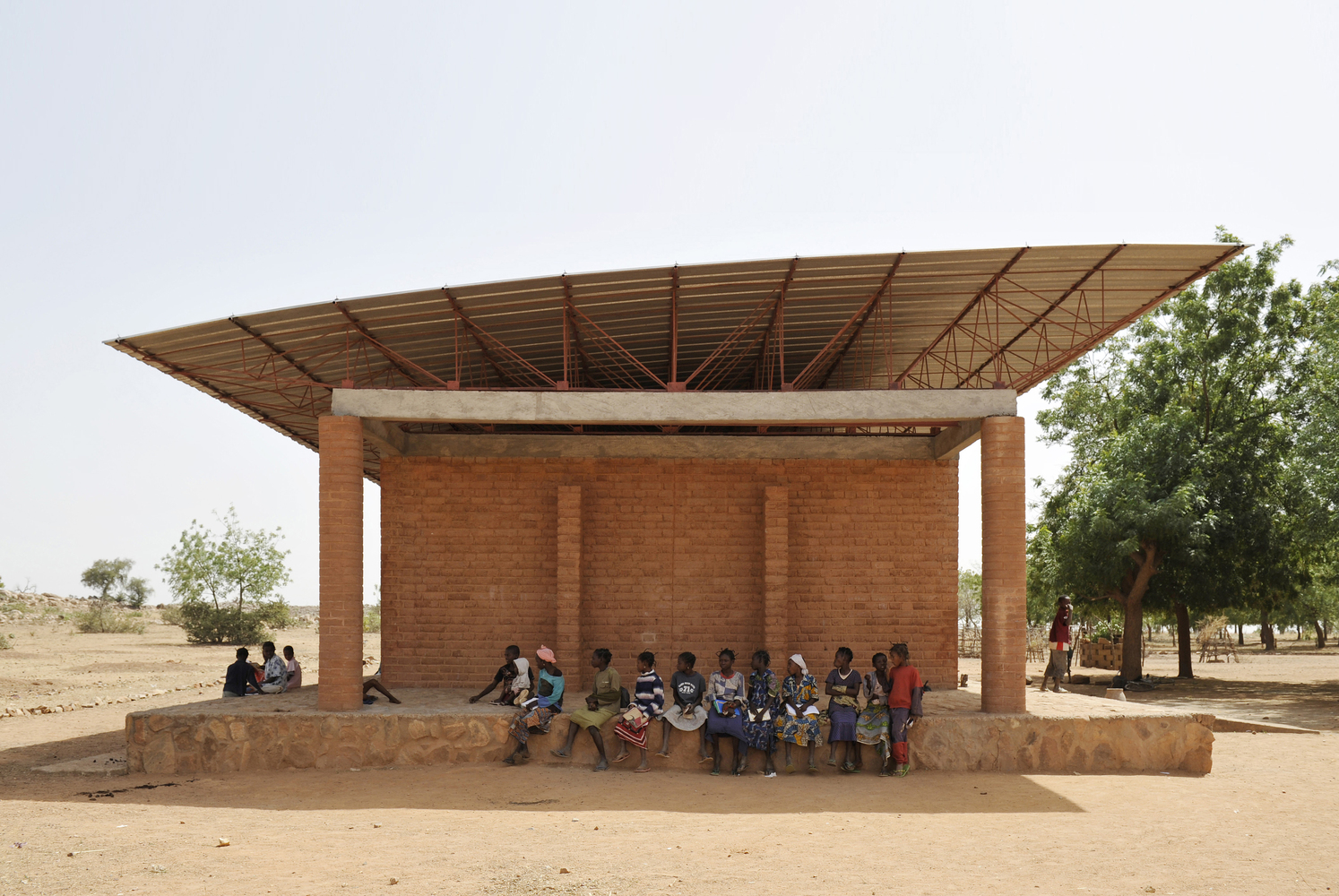
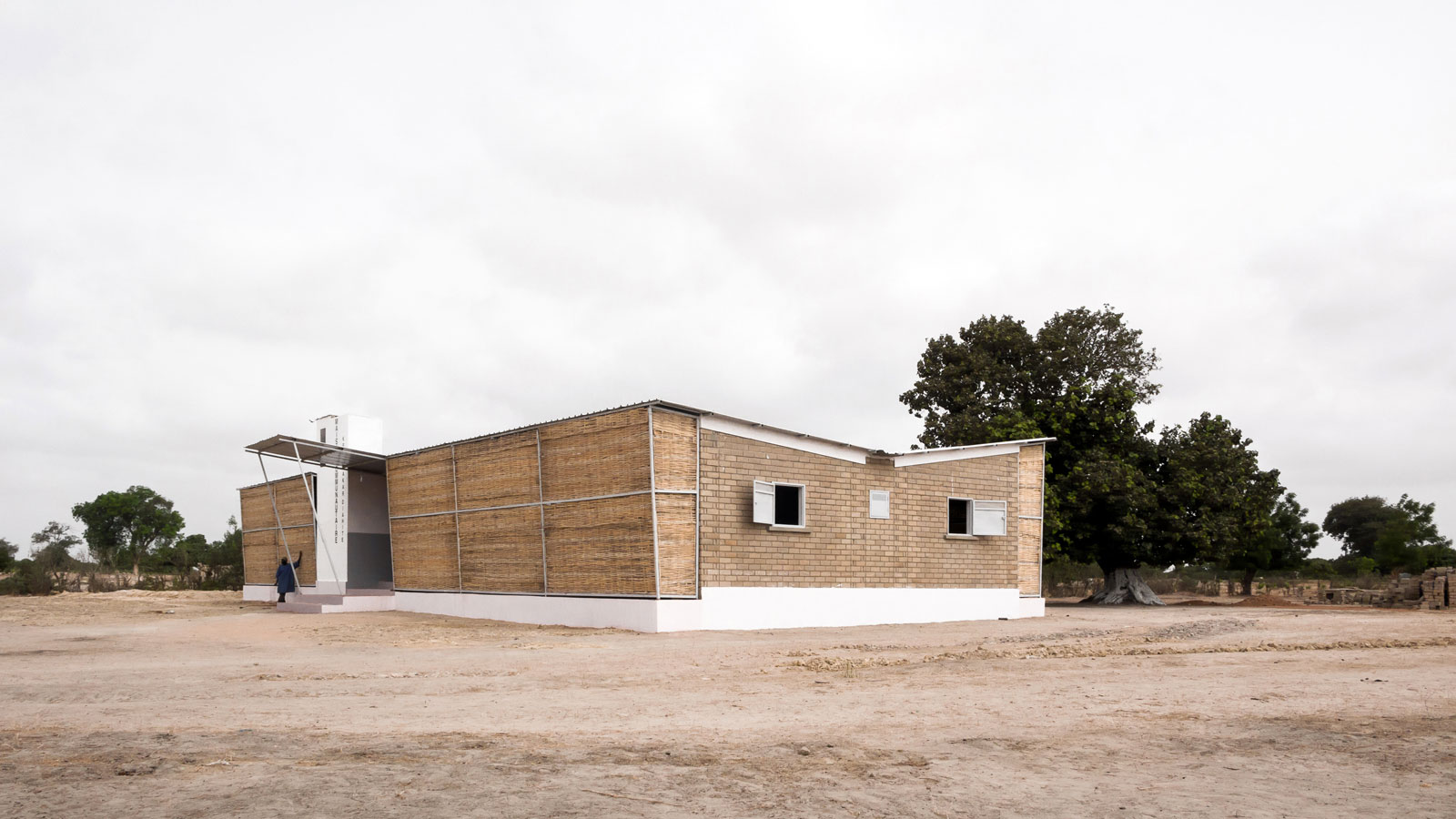
Burkina Faso, Gando. Grundschule. Arch. Francis Kere.
Primary school. Foto: Erik-Jan Ouwerkerk
 

Local Materials, New Methods

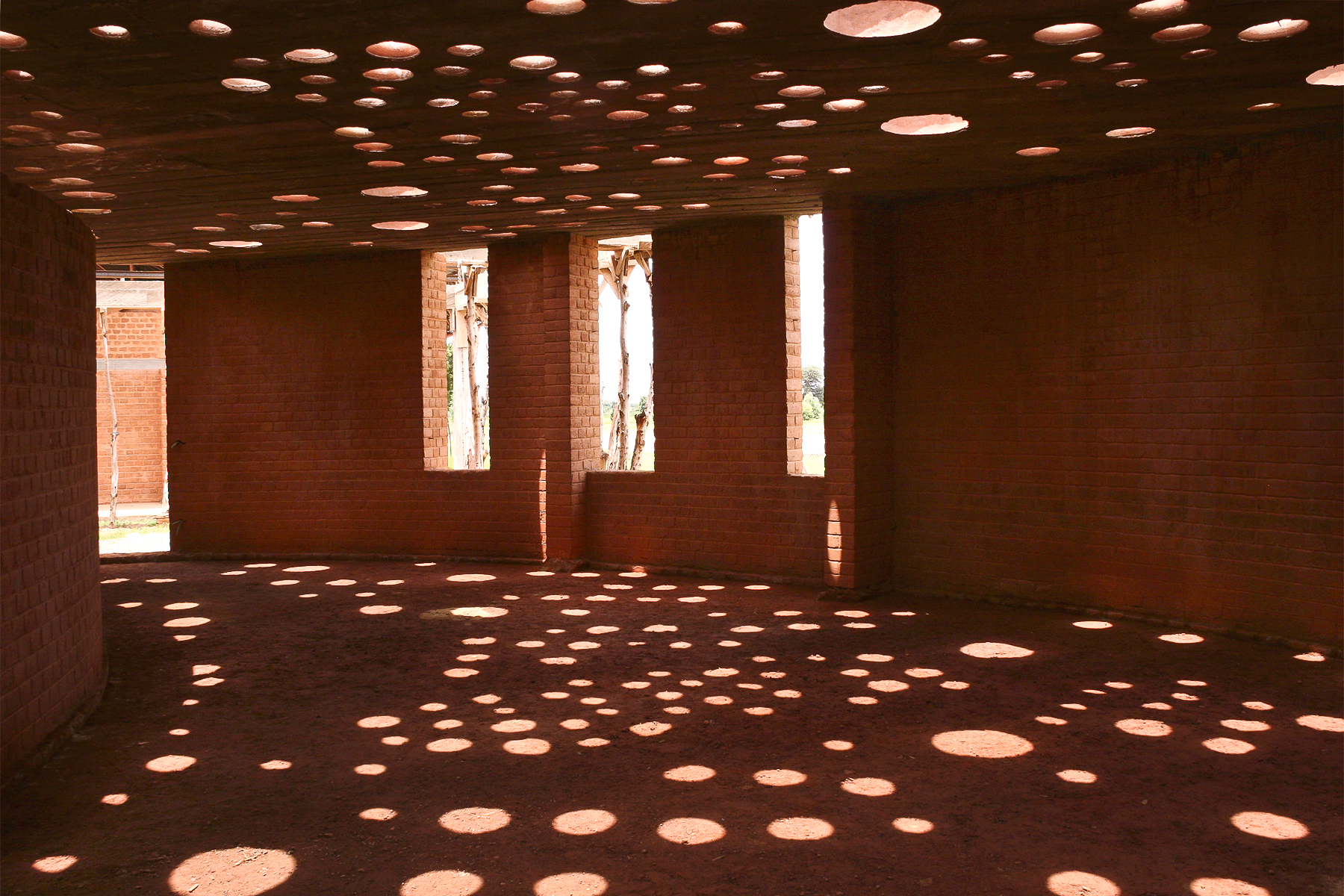
The walls use compressed earth blocks made from local clay, strengthened to last longer than traditional mud bricks. Concrete beams support the ceiling, which uses more compressed earth blocks with special holes for ventilation. The metal roof protects everything below while helping move hot air out of the building.
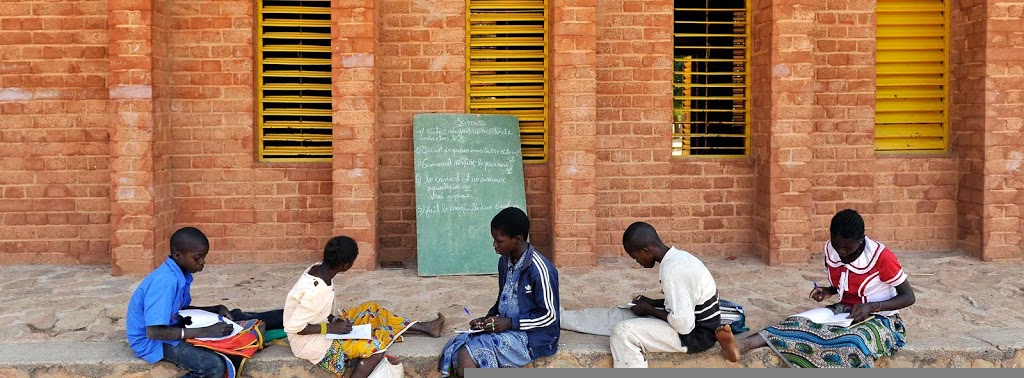
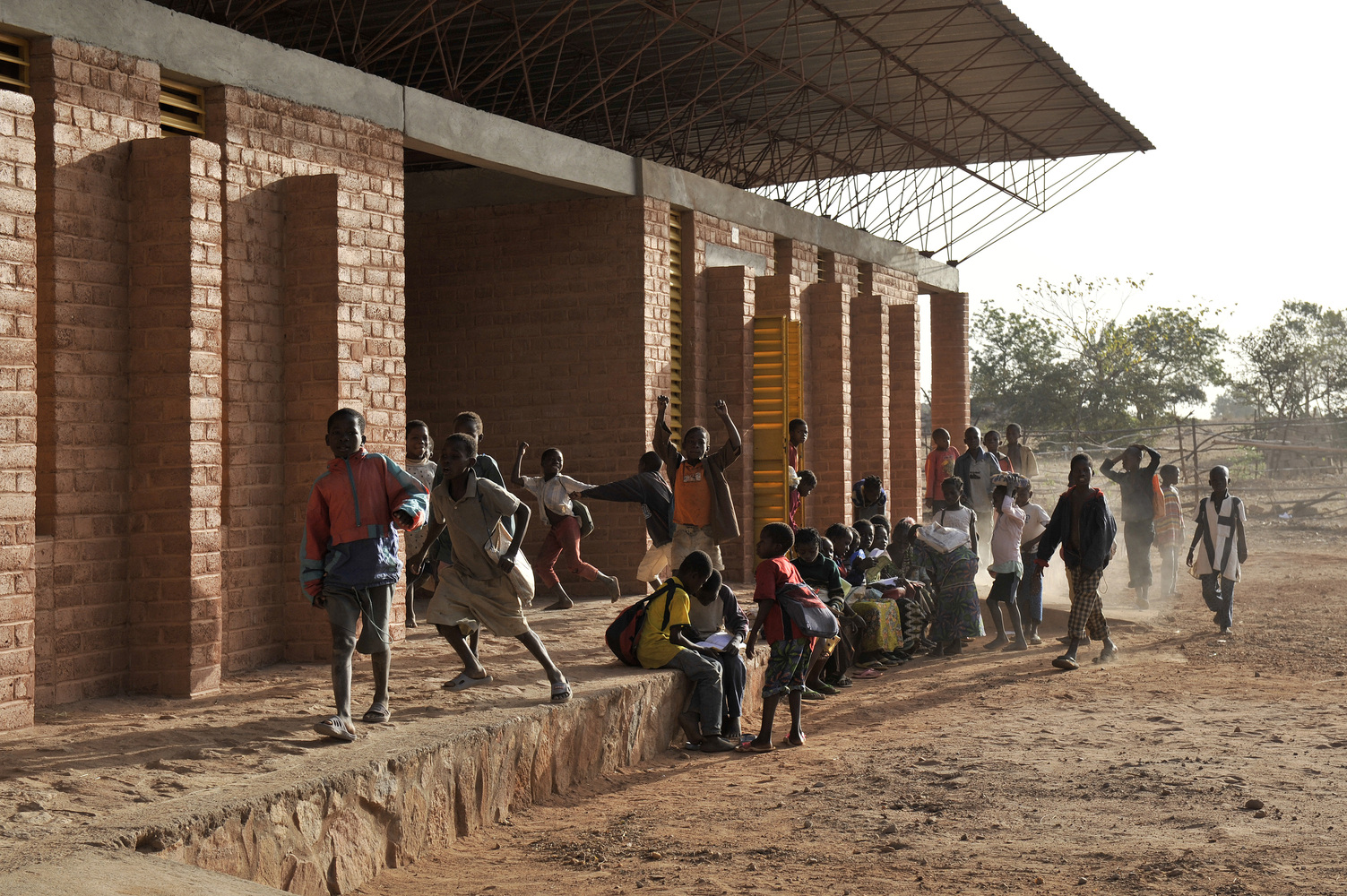
Burkina Faso, Gando. Grundschule. Arch. Francis Kere.
Primary school. Foto: Erik-Jan Ouwerkerk


Built by the Community

Every person who worked on the school came from Gando. During construction, villagers learned new building skills while sharing their knowledge of traditional methods. These skills spread through the community, leading to more building projects in Gando and nearby villages.

Award-Winning Impact

In 2001, the completed school won the Aga Khan Award for Architecture. The judges praised its “elegant and simple design using basic construction techniques.” More importantly, it proved that buildings could be:

  • Made entirely from local materials
  • Built by local people
  • Comfortable without expensive cooling systems
  • Strong enough to last many years
  • Perfect for their climate and community

Beyond the Classroom

The primary school did more than provide a place to learn. It showed a new way to build in hot climates using simple materials and smart design. The success led Kéré to design more buildings in Gando, including teacher housing and later, the library.
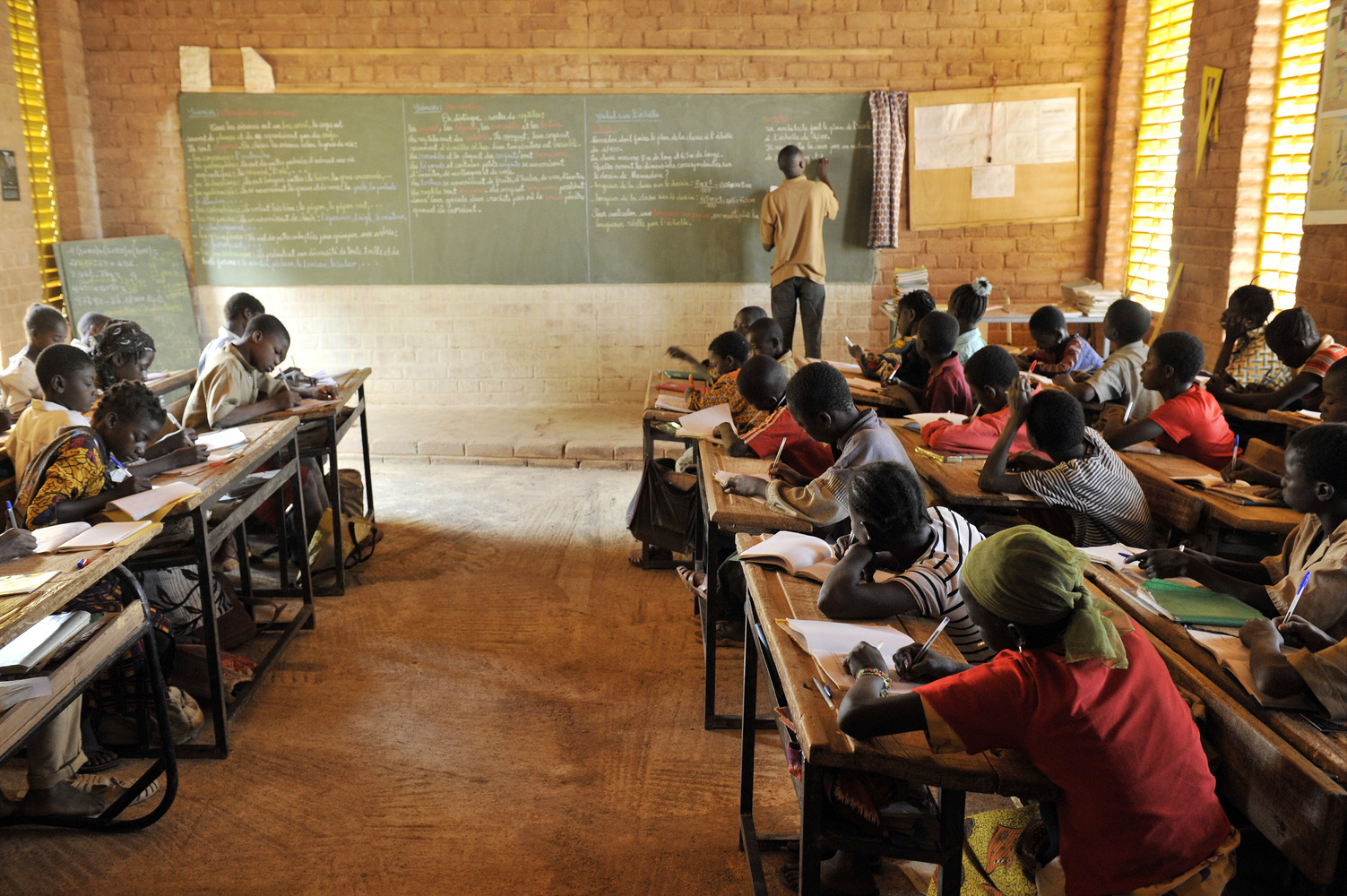
Burkina Faso, Gando. Grundschule. Arch. Francis Kere.
Primary school. Foto: Erik-Jan Ouwerkerk

A Model for African Architecture

The Gando Primary School challenged common ideas about building in Africa. It proved that:

  1. Traditional materials could work better than modern ones
  2. Local builders could create advanced buildings
  3. Natural cooling could replace air conditioning
  4. Simple design could solve complex problems
  5. Architecture could grow from community needs

Growing to Meet Community Needs

The success of the Gando Primary School led to its first expansion just two years after opening. In 2003, faced with rising student numbers, Kéré designed an extension that built on the original’s proven solutions while introducing subtle innovations.
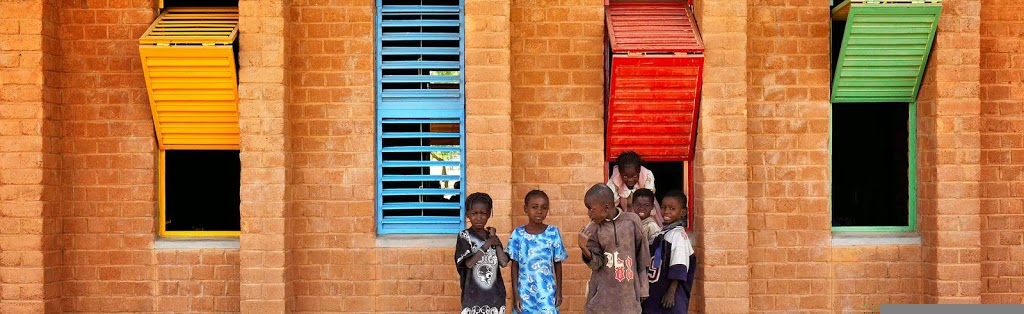
 

He kept the core elements that worked well – local clay blocks for walls, the signature raised roof for ventilation, and the protective deep overhangs.
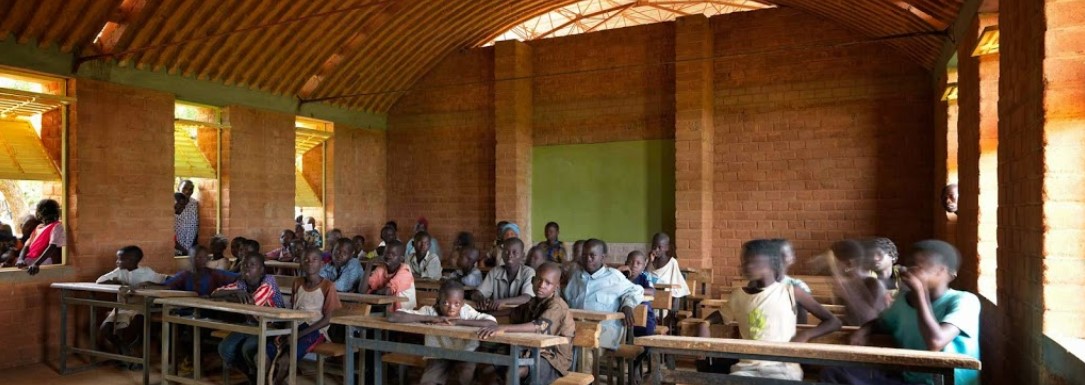
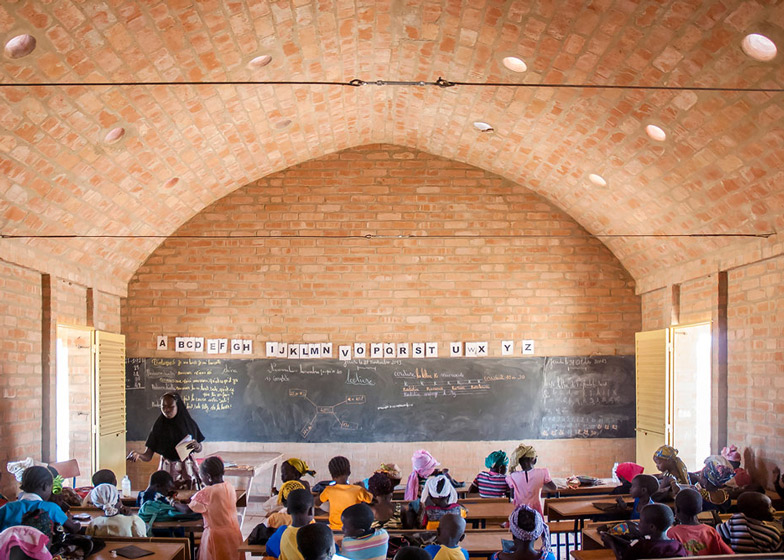
Interior of the vaulted ceiling classroom

However, he refined the cooling system by replacing the flat perforated ceiling with a curved vault design. This new ceiling featured carefully spaced gaps in its brick pattern, creating a more effective “breathing” surface that drew cool air in through the windows while letting hot air escape through the vault. The extension, built again by community members who had gained experience from the first project, showed how Kéré’s sustainable design principles could evolve while staying true to their original purpose.
https://livinspaces.net/design-stories/featured-projects/building-for-africa-the-responsive-architecture-of-gando-school-library-burkina-faso-by-diebedo-francis-kere/


H2OS

The H2OS project, or Open Source Prototype House for Eco-Villages in Senegal, is a prototype house constructed of compressed earth block, that can harvest and store water supplies for all domestic uses (drinking, cooking, washing, irrigation) and to integrate the scarce water resources in a few artificial walls. The project relies on ancient knowledge such as how to harvest rain water or how to ventilate rooms while incorporating up to date technologies for energy production from renewable sources. Learn more here.

Primary School Tanouan Ibi

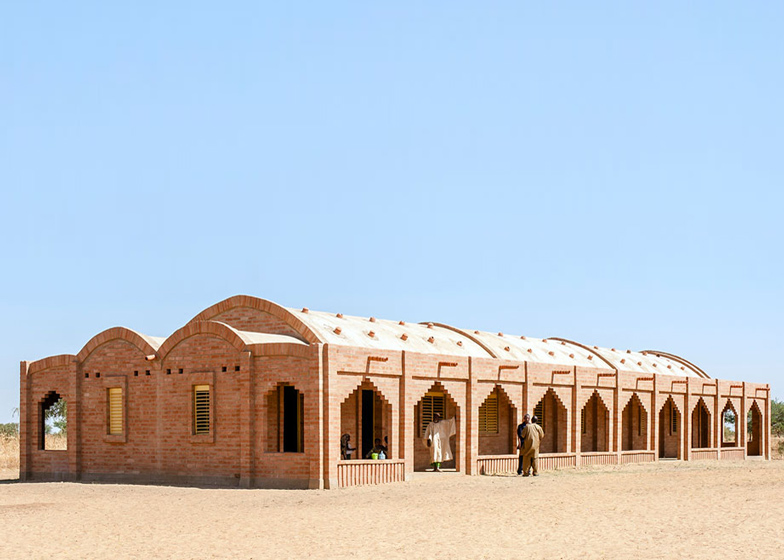
Dutch firm Levs Architecten used compressed earth blocks from local clay mines to build the barrel-vaulted structure of this primary school in the village of Tanouan Ibi.

The architects enlisted students from a nearby university and members of the local community to help construct the building, using the compressed clay bricks to build walls, floors and roofing.

More information at Dezeen.

Revealing the Potential of Compressed Earth Blocks

Revealing the Potential of Compressed Earth Blocks—A Study in the Materiality of Compressed Earth Blocks (CEB): Lightness, Tactility, and Formability, by Egyptian architect Omar Rabie, documents explorations of the potential of CEB while studying at MIT, The Architectural Association and Auroville.

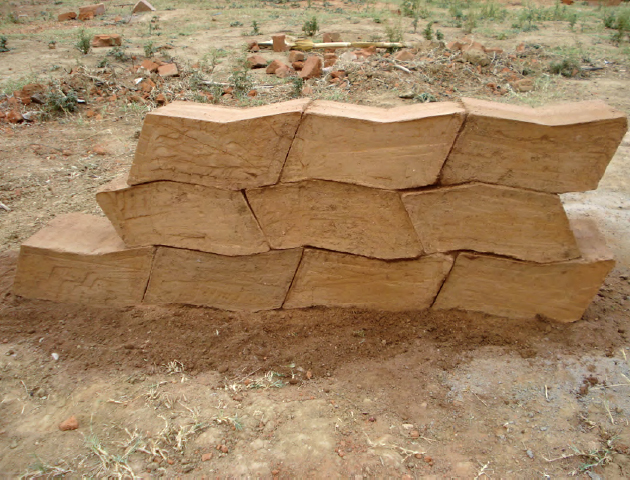
In these two experimental mock-ups, Rabie explored the different possibilities of bondings using one block—specifically how the shape of the single block influences the block bonding patterns in a stack bond and running bond.

This portion of a wall was built of specially formed interlocking blocks to increase friction to test how high friction masonry wall will highly resist lateral loads in comparison to walls constructed with standard blocks. In this case, the blocks are interlocked in the long direction of the wall. This experiment proved that it is possible to freely form more complex CEBs and build walls with an unusual bonds, like this strong zigzag bond.

[ Download Rabie’s entire report here. ]

Earth Brick Residence

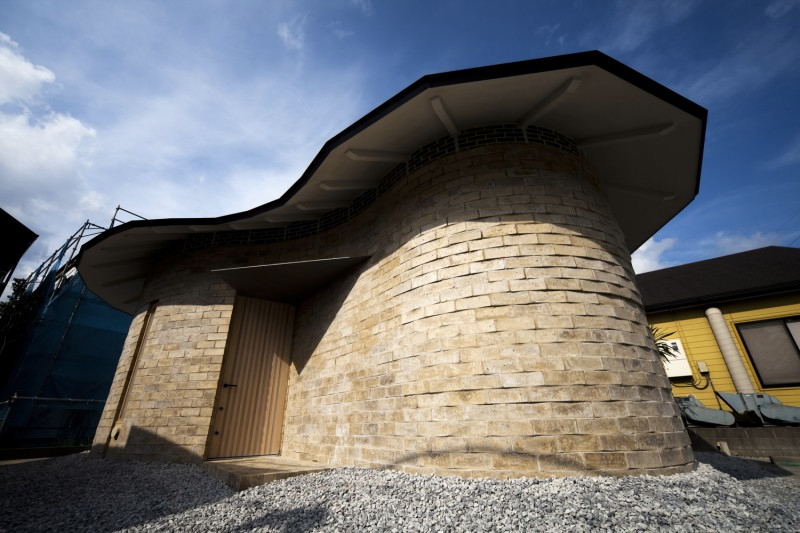
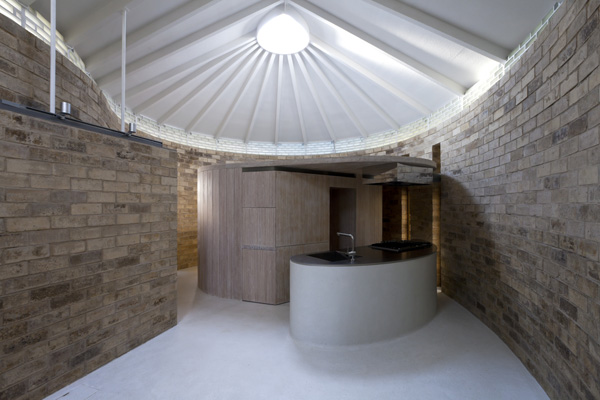
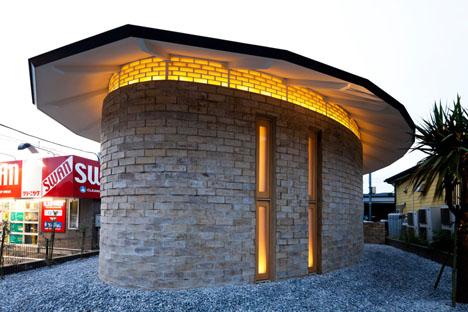
The Earth Brick Residence in Chiba, Japan by Atelier Tekuto is a single story structure comprised of 2,600 compressed earth blocks stabilized with magnesium oxide. The mineral was used for masonry joint for pyramids and Great Wall in China. Its substances are extracted from the ocean or land and can be produced everywhere in the world and resourceful. Also, it is safe as food additive, and harmless enough to return to the ground.

The strength of the bricks is much greater than the traditional sun-baked earth blocks made from animal manure and lime — a process typically seen in developing nations. The different composition used in this project’s earth blocks mean that they surpass Japanese construction standards for strength, one of the most stringent in the world.

The house is the result of The Earth Block Project started in 2008, was developed together with Universities, corporations, and specialists with the idea that construction materials can be made with any soil in the world can be stronger than the existing soil construction materials and return 100% to nature.

[ Read more at Treehugger.com ]

Youth Center In Niafourang

The Youth Center In Niafourang, designed by Project Niafourang (three architecture students at the Norwegian School of Science and Technology), was built in Niafourang, a small coastal village in the Casamance region of Senegal. The population of Niafourang is around 300 inhabitants and the village is very poor with a high unemployment rate.

The Youth Center in Niafourang contains a computer room/library and a larger multi-purpose room and hosts programs that create opportunities, jobs and development in the village. An important aspect of the project was to involve the local community in both the building and planning stages, in order to create a sense of ownership and pride in the resulting building.

The walls are built using blocks of compressed sand and a small amount of cement. The blocks were hand-pressed using a local machine with sand shoveled from a nearby ditch. Windows are positioned low on the walls with deep frames, so they can be used to sit in. Steel brackets were custom welded in a nearby village and hold the roof construction. The corrugated aluminum roof juts out beyond the walls to prevent rain from entering the building and creates shady areas to relax.

Underneath the protruding roof, a concrete belt surrounds the building creating a shady platform. The roof extends to include a second floor outside the walls of the multi-purpose room. The second floor is accessible by an outdoor ladder and functions as an extension of the library/computer room or the multi-purpose room. Angled wood planks serve as blinds, preventing both rain and direct sunlight.

[ More at ArchDaily]

Habitat Cabo Delgado

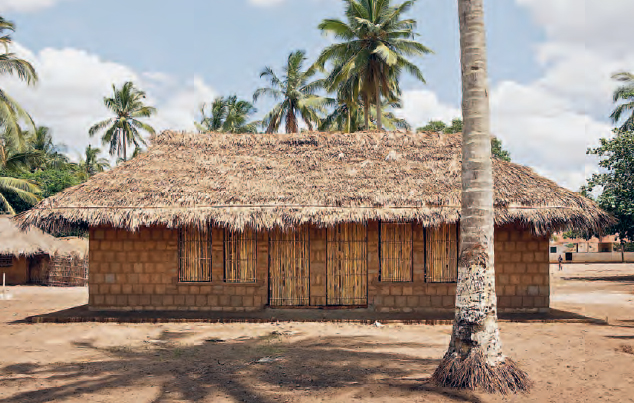
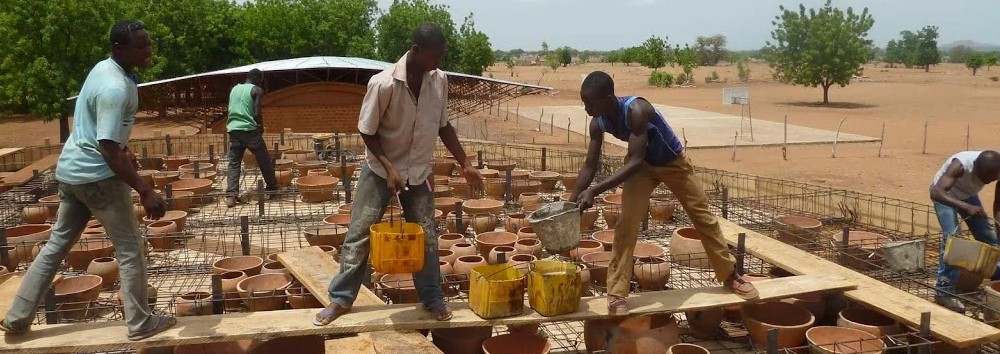
Habitat Cabo Delgado, constructed in Mozambique by Ziegert | Roswag | Seiler Architekten Ingenieure and the Aga Khan Foundation, was founded for the purpose of create more permanent housing solutions using local, natural building materials. Local construction methods were developed and improved upon in ways tailored to local craftsmens’ abilities; thus supporting the local construction culture and reinforcing village identity.

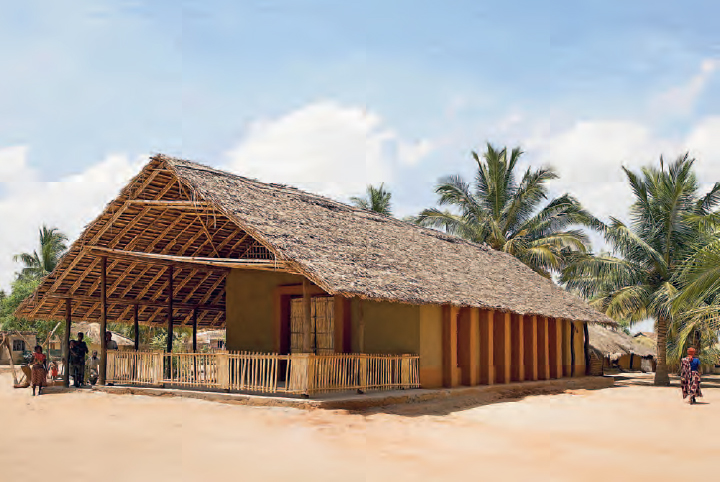
In the first phase of the project, eleven multipurpose learning centres were built to showcase the new construction methods. To facilitate the implementation and dissemination of these techniques, a total of forty local apprentices were trained in ecological building methods – skills they could later use to support themselves financially. As models of low-cost, high-quality, sustainable construction, the learning centres were designed to inspire others to imitate the new style.

The traditional “wattle and daub” technique has been replaced with an earth-block construction method. The new buildings’ rammed-earth and earth-block foundations are stabilised with 10% cement and covered with a moisture barrier to protect them from rain and rising damp. The earth blocks used to construct the walls are stabilised through the addition of straw.

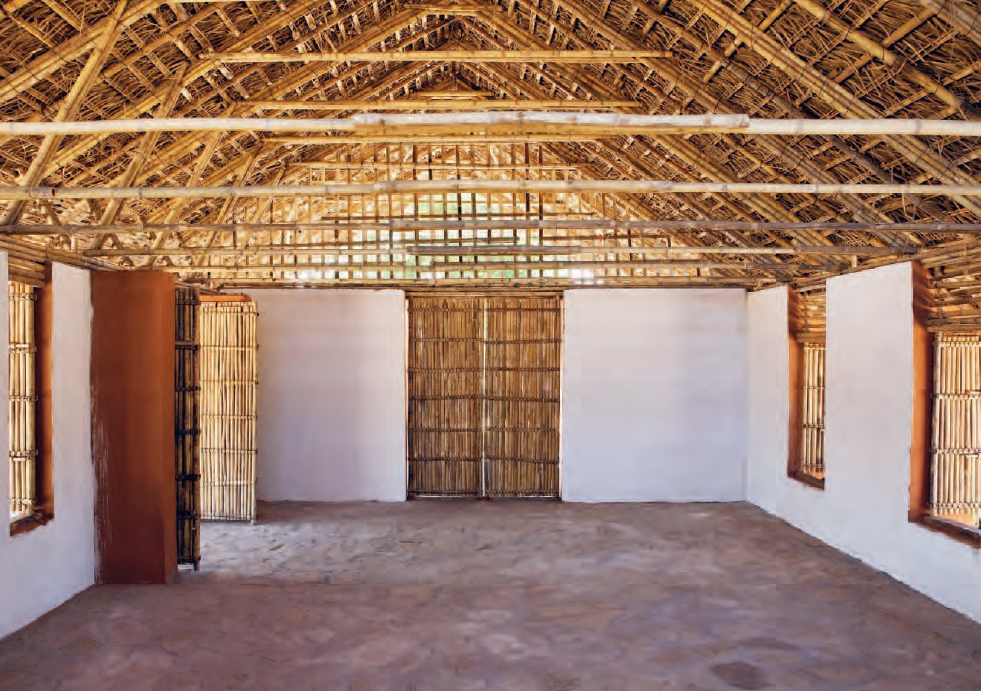
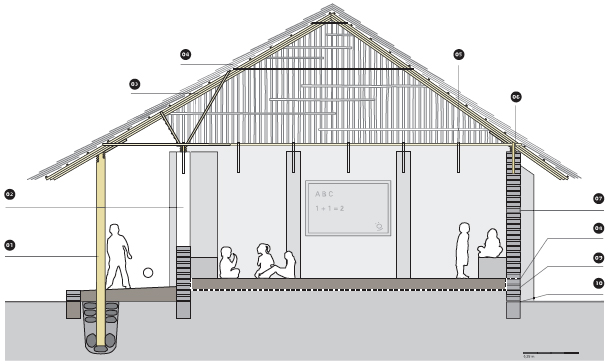
An easy-to-produce triple-layered bamboo beam has been developed for use in roof constructions; the beam is used for nearly all parts of the roof such as ring beams, purlins and triangle trusses. The prefabricated trusses have a span of 6m, enabling the construction of open-plan multipurpose buildings. The bamboo is treated with borax, a natural salt, in order to prevent damage by termites or other insects. Several different traditional palm-leaf roofing techniques are used to construct the roofs. Because locally-available resources like earth, bamboo and leaves are used as building materials, each school displays the colours of its region.

The San Isidro Labrador Chapel

The San Isidro Labrador Chapel is a collaborative effort of many people, the tangible demonstration of the cooperation of architects, engineers, craftsmen, peasants, creative people and students.

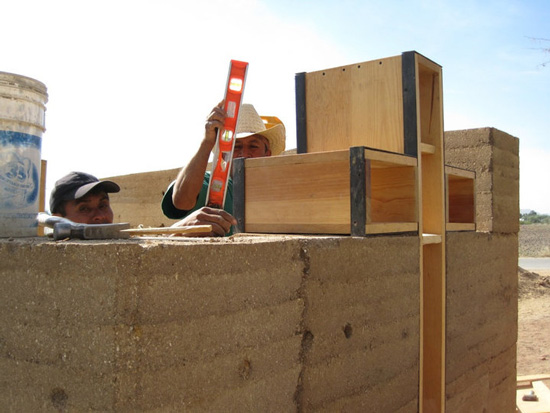
João Caeiro and Capurso Fulvio got together with Benito Guzman Canseco (President of the Consejo y Oaxaca Nopal Tuna, e Mayordomo de San Isidro in the years 2009-2010) to organize a series of courses to endorse people with the ability to build houses with noble materials from the region.

These courses, mostly hands-on, are addressed to people seeking to build their own houses, within a philosophy of low cost, high quality and contemporary design.
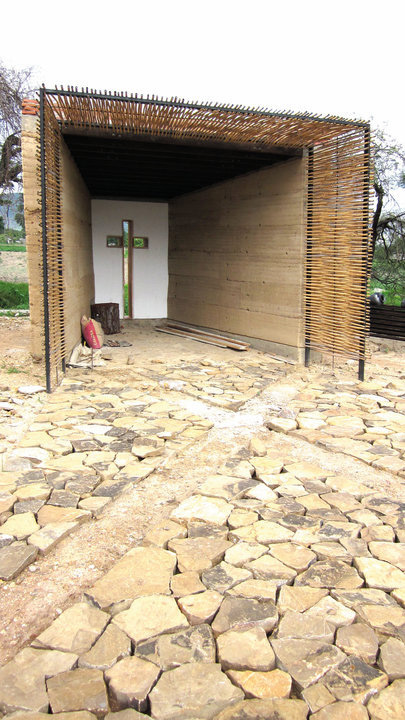
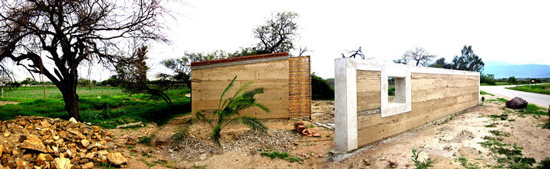
The first opportunity emerged in San Bartolo Coyopec, for the construction of a chapel for the saint patron of the cultivated fields, annually celebrated. The building was finished in may 2010.