 Location: Diriyah, Saudi Arabia
Year: 2024
Project Type: Temporary installation / pavilion
Area: 220 m²
Architects: Karim+Elias
Lead Architects: Karim Tamerji, Elias El Hage
Photography: Elias El Hage
Event Design and Coordination: Design Lab Experience
Project Overview
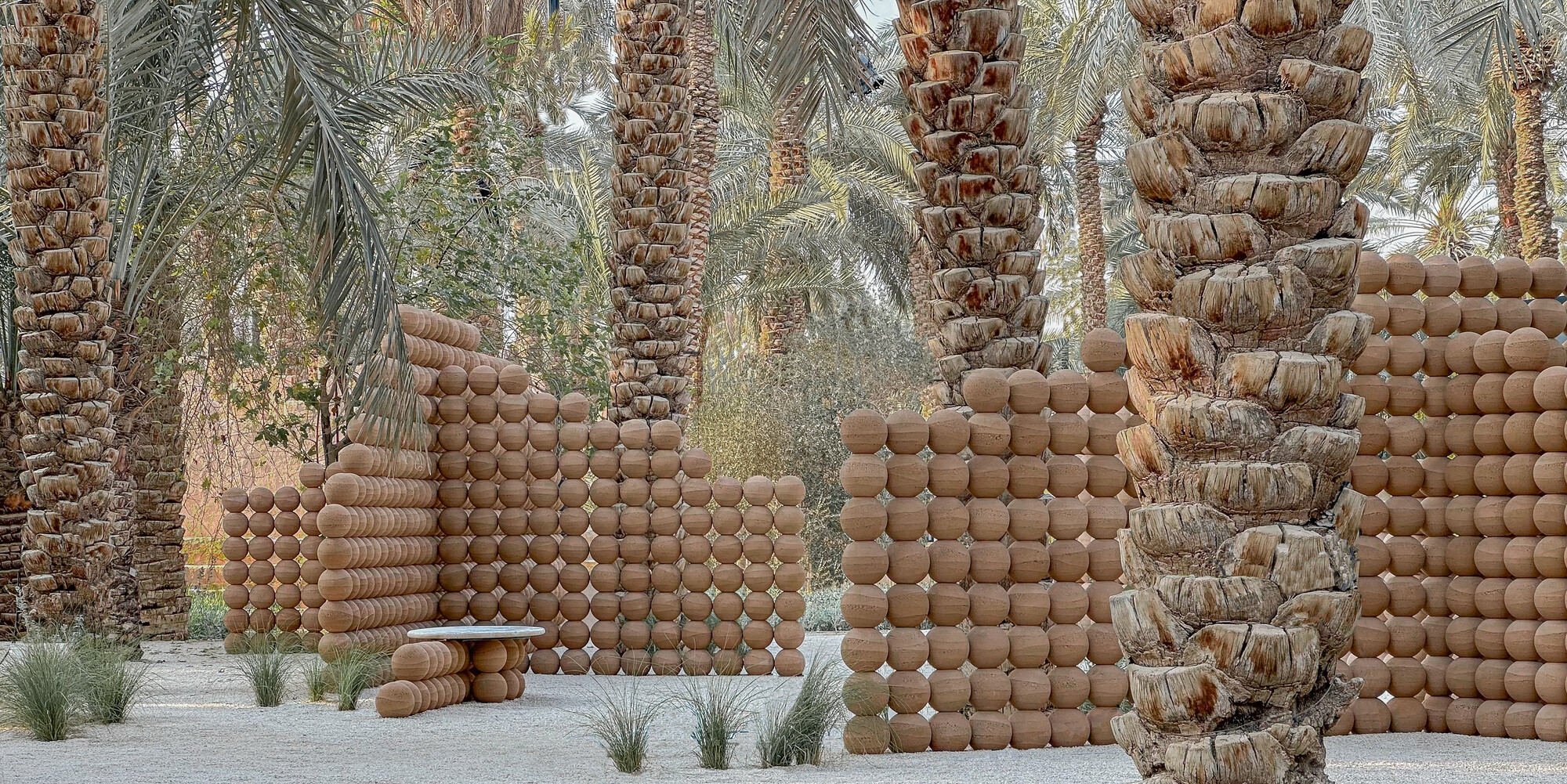
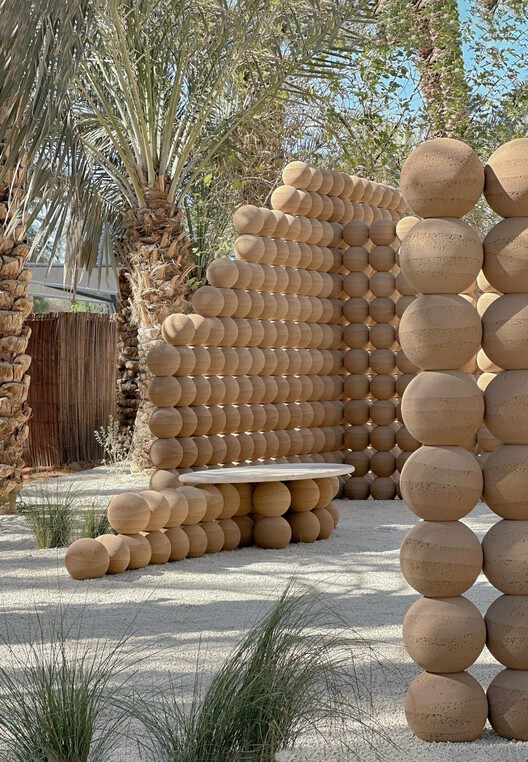
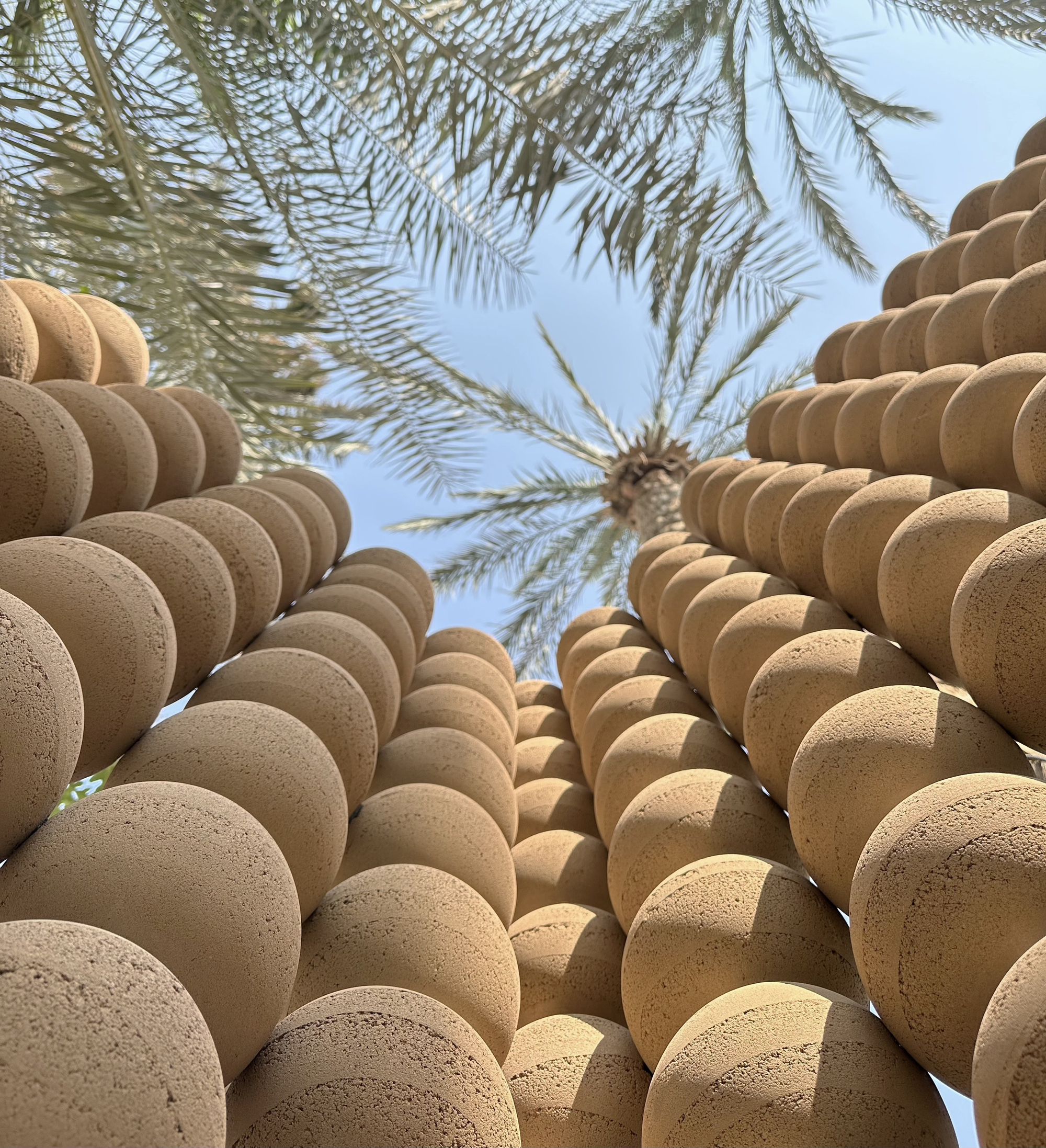
 From This Earth Installation is a temporary installation by Karim+Elias in Diriyah, Saudi Arabia. Completed in 2024, the 220 m² project was presented as part of Layali Diriyah and consists of a series of porous earthen screens assembled from more than 1,400 hand-sculpted spheres. Rather than treating earth as a heavy and continuous wall, the installation reimagines it as a modular, open-air spatial filter. In this sense, the project is significant not only as an installation, but also as a contemporary experiment in earthen material practice.
Site and Cultural Context
 The project is deeply tied to its location. Diriyah is described by its official destination platform as the “City of Earth,” and it is presented as the birthplace of Saudi Arabia. Within this context, From This Earth operates as more than a temporary pavilion: it becomes a material response to a place historically associated with earthen building traditions. The architects state that the work celebrates Diriyah’s craft of building with earth, so the project should be understood as a contemporary reinterpretation of local architectural memory rather than as an abstract sculptural object placed in a neutral site.
Material and Construction Logic
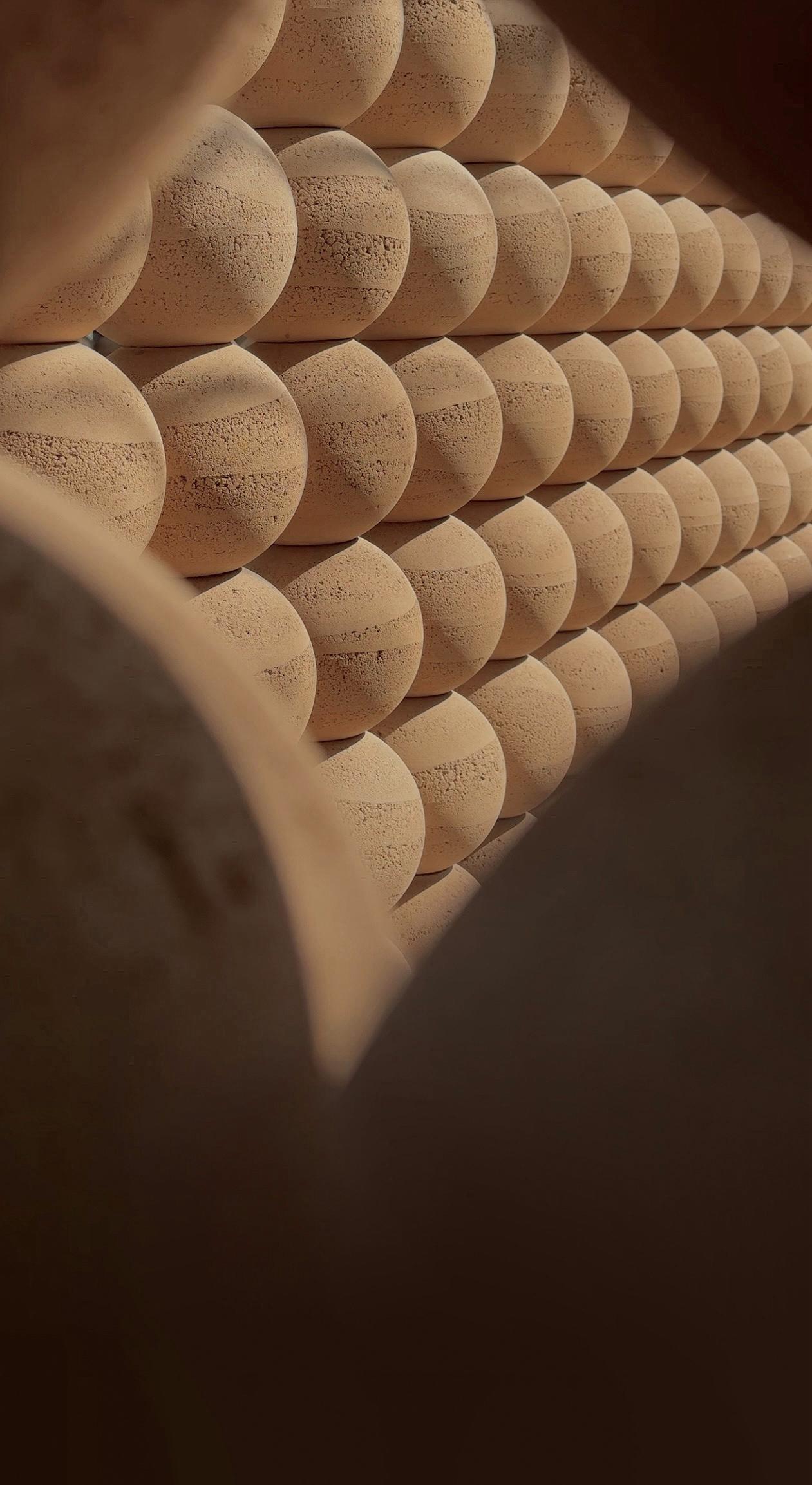
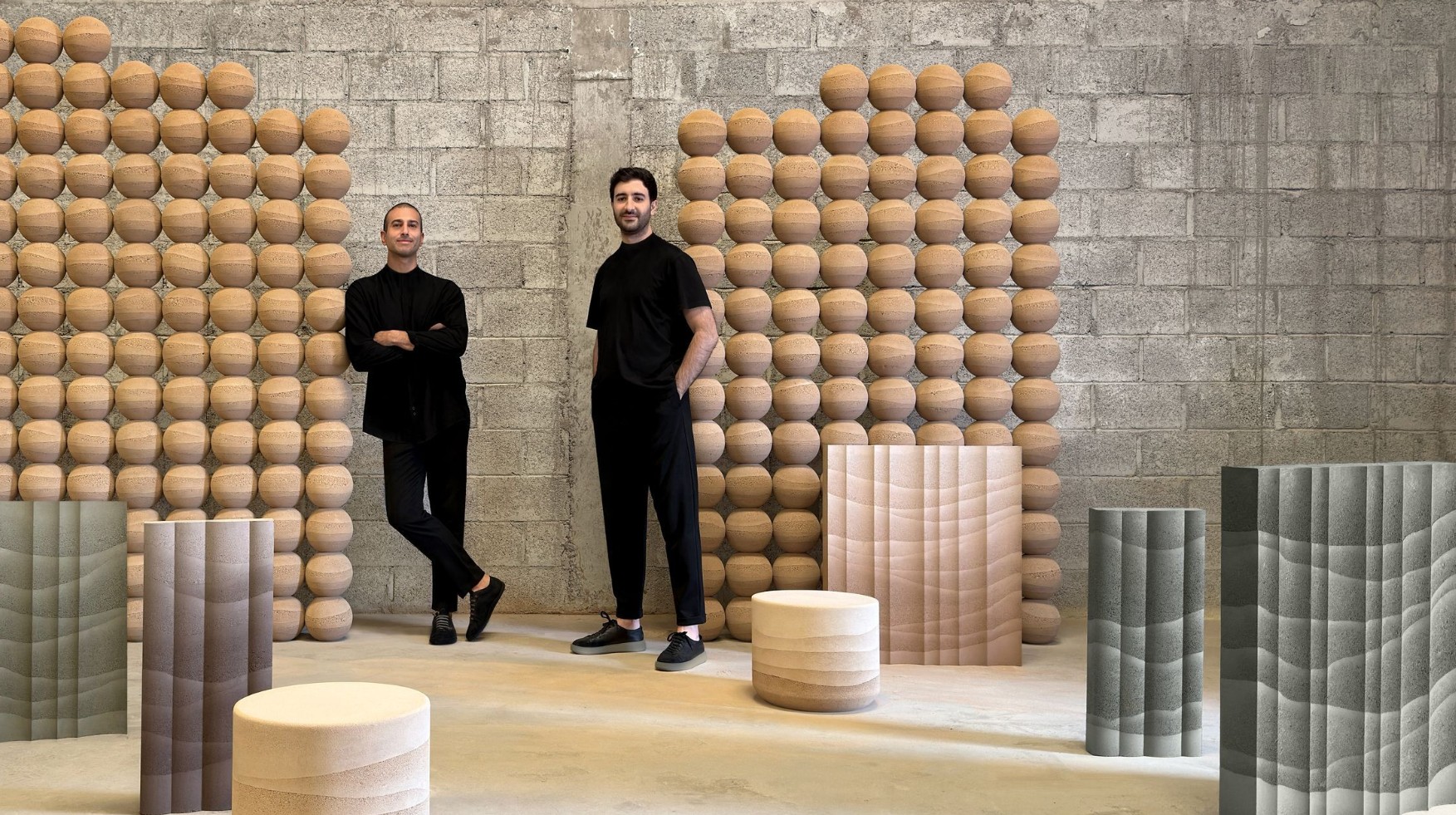
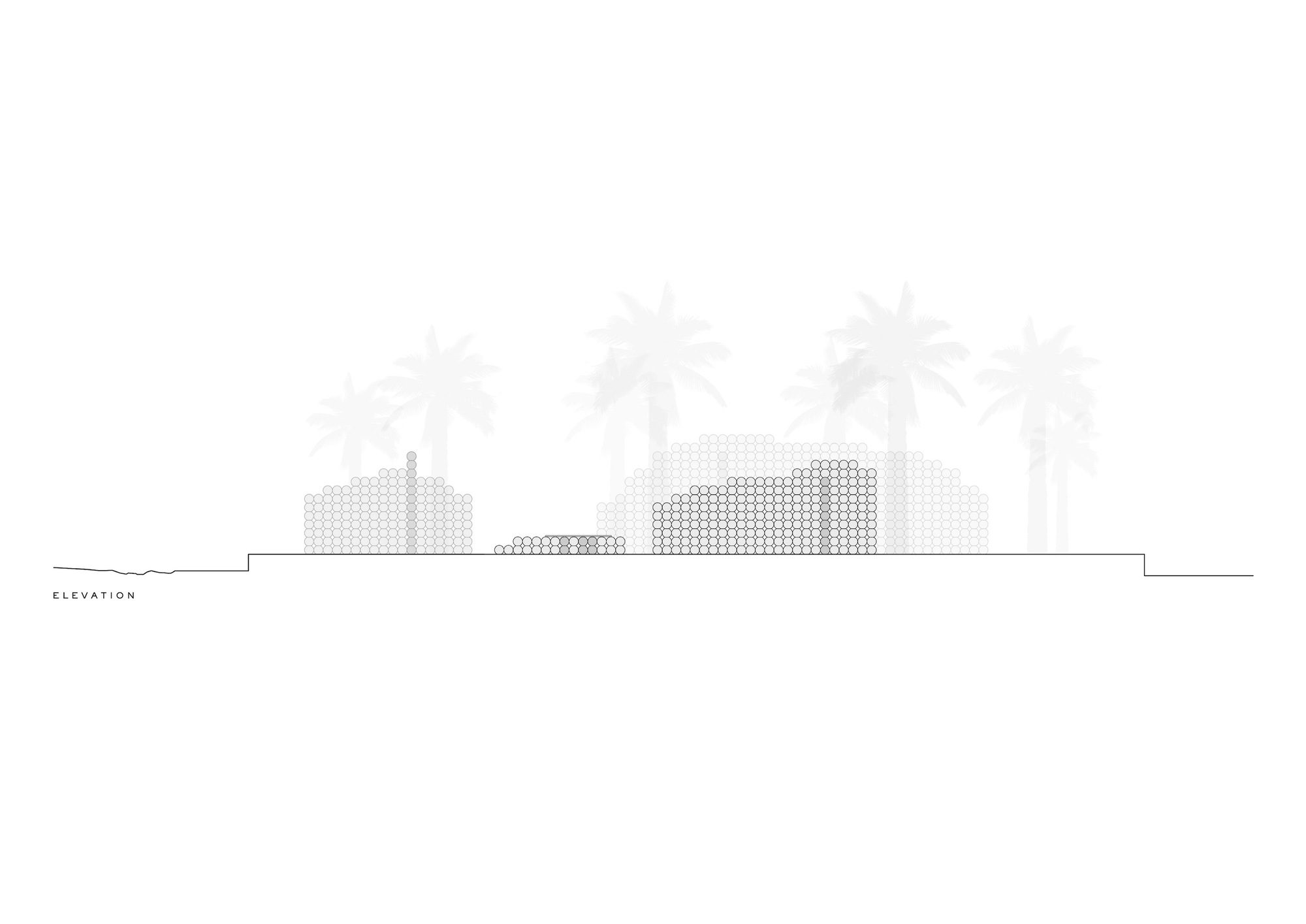 Karim+Elias describe their broader practice as a contemporary exploration of “sculpting with sand,” using locally sourced earth, clay, and water in custom-made moulds. In From This Earth, this material approach appears through a system of over 1,400 hand-sculpted modular spheres made from local material and stacked into earthen screens. This construction logic is important because it shifts earth away from its more familiar role as a monolithic mass or thick wall. Here, earth becomes a repeated unit, a surface condition, and a space-making device. The project therefore demonstrates how traditional earth-based craft can be translated into a contemporary modular language.
Spatial Experience
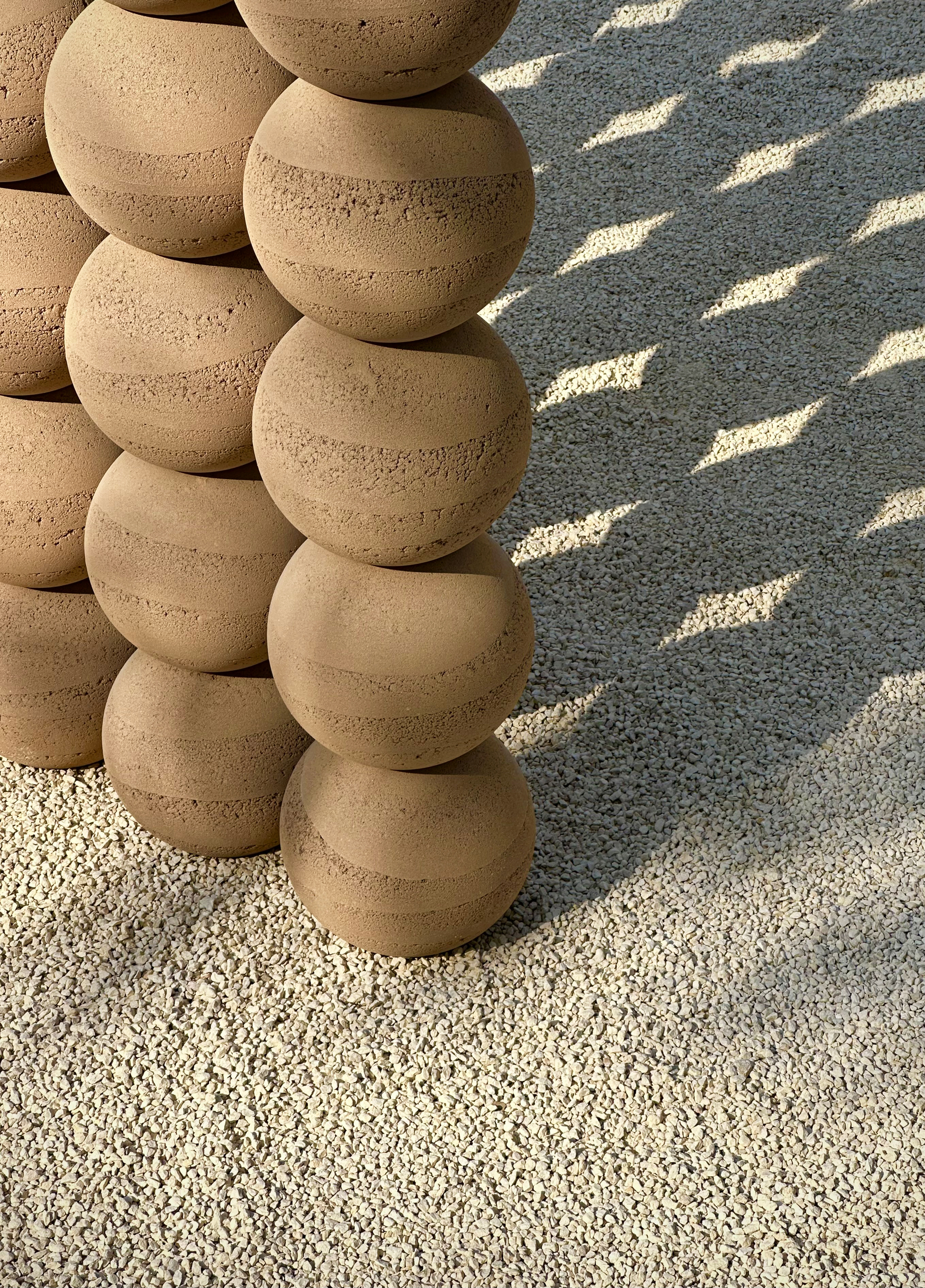
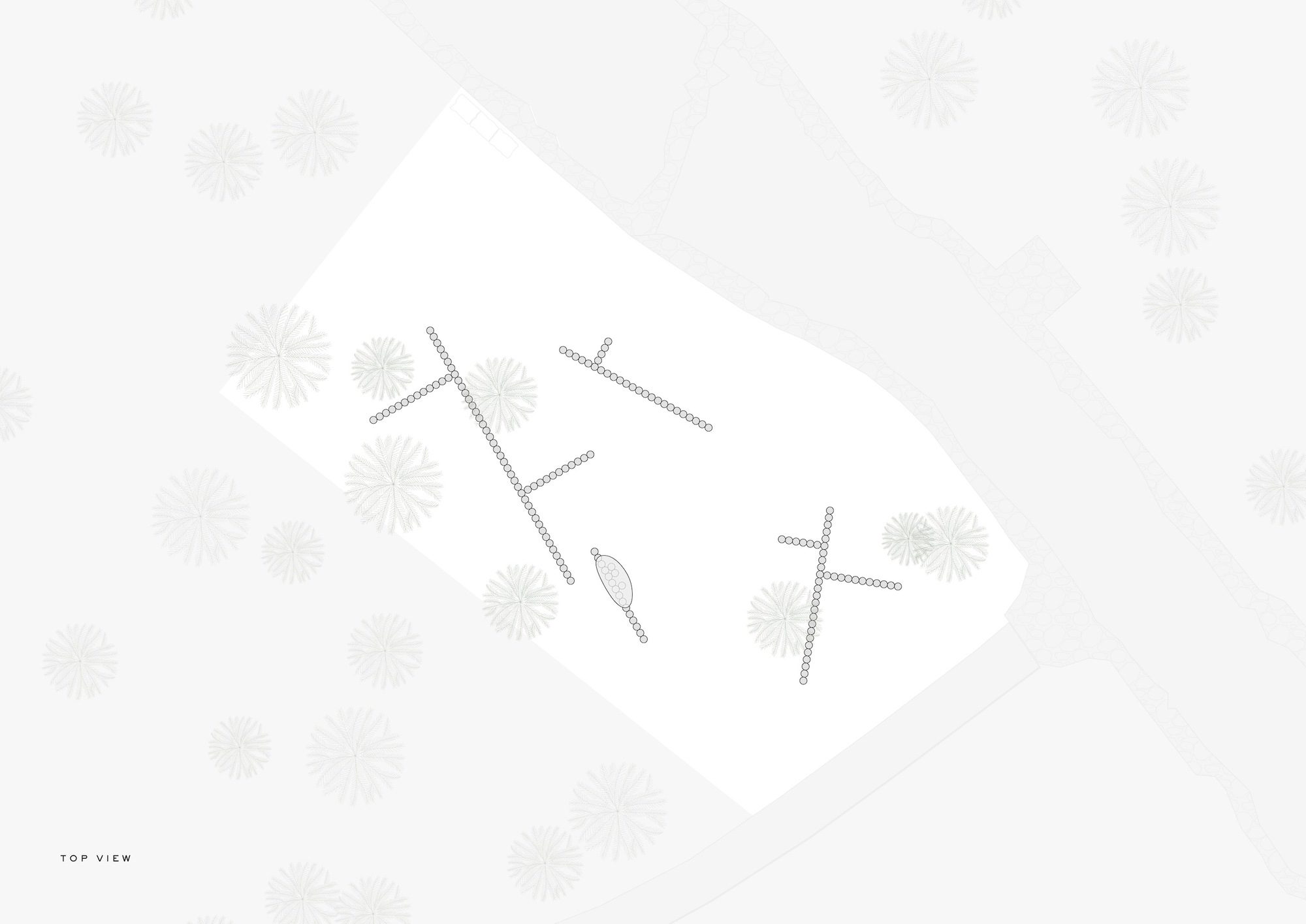 The installation’s spatial effect comes from porosity. The stacked spherical modules create filtered views, partial enclosure, and changing patterns of light and shadow. Designlab Experience describes the screens as evoking the traditional mashrabiya and recalling Diriyah’s vernacular triangular wind openings and rooftop silhouettes. Because of this, the project does not simply represent earthen architecture visually; it performs some of its environmental and perceptual qualities. Air, light, depth, and visibility are mediated through the earthen surface, allowing visitors to experience earth not only as a material, but also as an atmospheric interface.
Significance to Contemporary Earthen Practice
 This project is relevant to contemporary earthen architecture because it expands the definition of what an earthen work can be. It does not reproduce a traditional mud structure directly, nor does it use earth only for symbolic effect. Instead, it repositions earthen craft within a temporary cultural installation and demonstrates that earth can function as a contemporary design medium. From This Earth shows that earthen practice today can move across architecture, installation, art, and public event design while still remaining grounded in local material and cultural context.
References
- ArchDaily https://www.archdaily.com/1014728/from-this-earth-installation-karim-plus-elias?ad_source=search&ad_medium=projects_tab
- Designlab Experience https://www.designlabexperience.com/projects/layali-diriyah-2024
- Diriyah official website https://www.diriyah.sa/en
- Karim+Elias official website https://www.karimelias.com/about