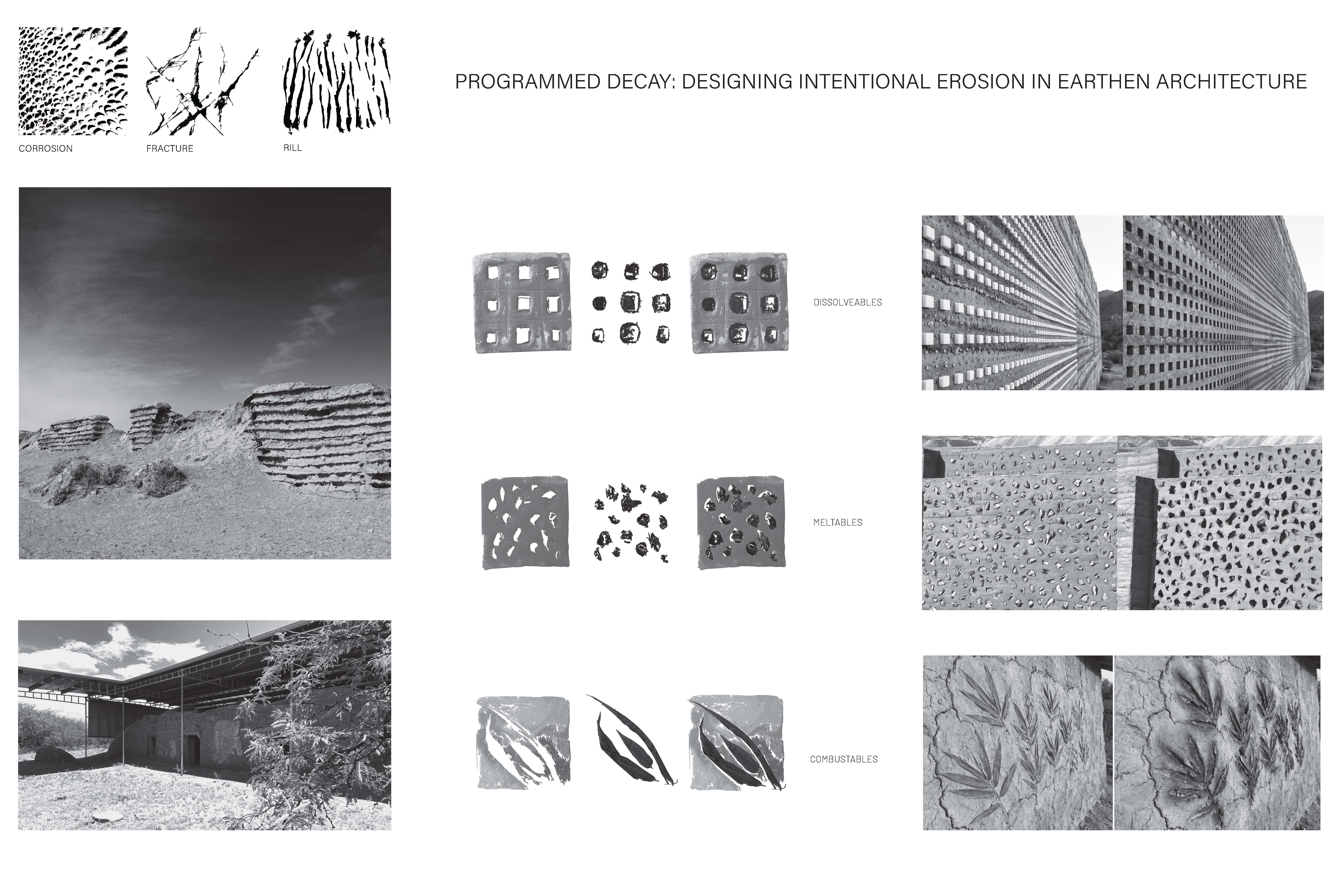
PROGRAMMED DECAY: DESIGNING INTENTIONAL EROSION IN EARTHEN ARCHITECTURE
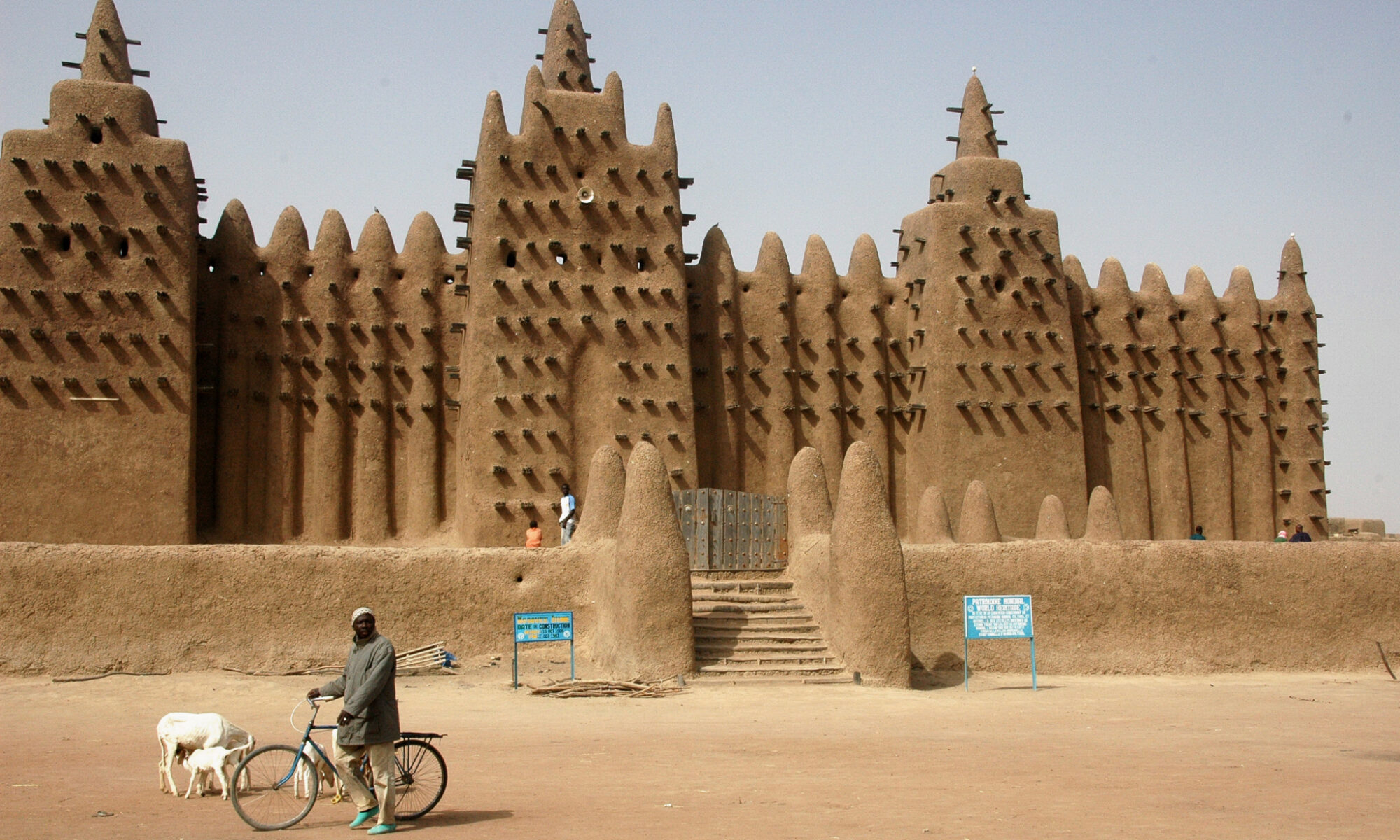
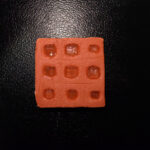
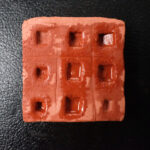
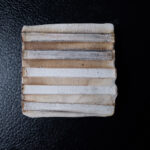
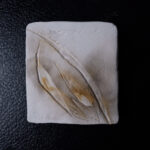
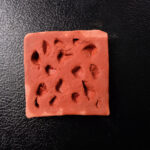
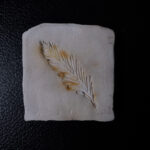
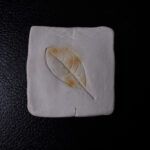
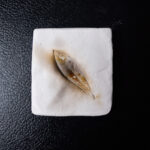
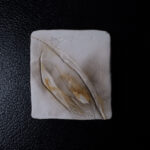
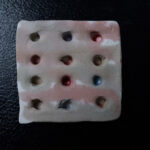
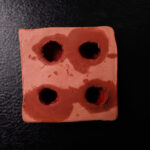
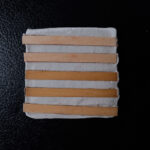
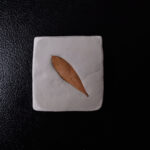
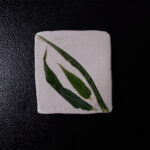
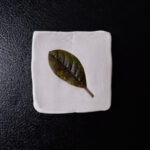
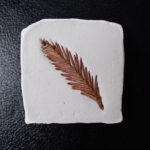
This erosion study began with an observation of the oldest sections of the Great Wall of China, where layers of straw and mud eroded at different rates over thousands of years, revealing soft, undulating patterns beneath the surface. Rather than seeing erosion as decay, the project explores it as a design tool. Through a series of material experiments, clay bricks were cast with embedded elements—including sugar, salt, wax, leaves, and wood—that dissolve, melt, burn, or persist over time. Some materials outlast the earthen surface, while others disappear quickly, leaving behind voids and textures. The work imagines earthen architecture as something dynamic and time-based, where patterns slowly emerge through weathering and environmental change.
Catalina Lusk