Earth Architecture – The Book

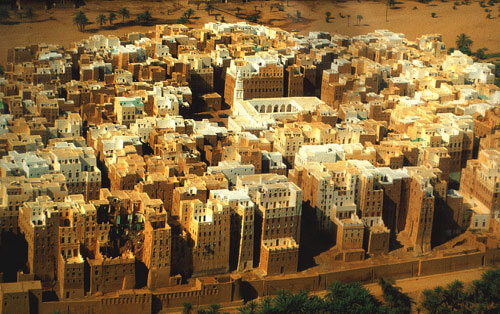
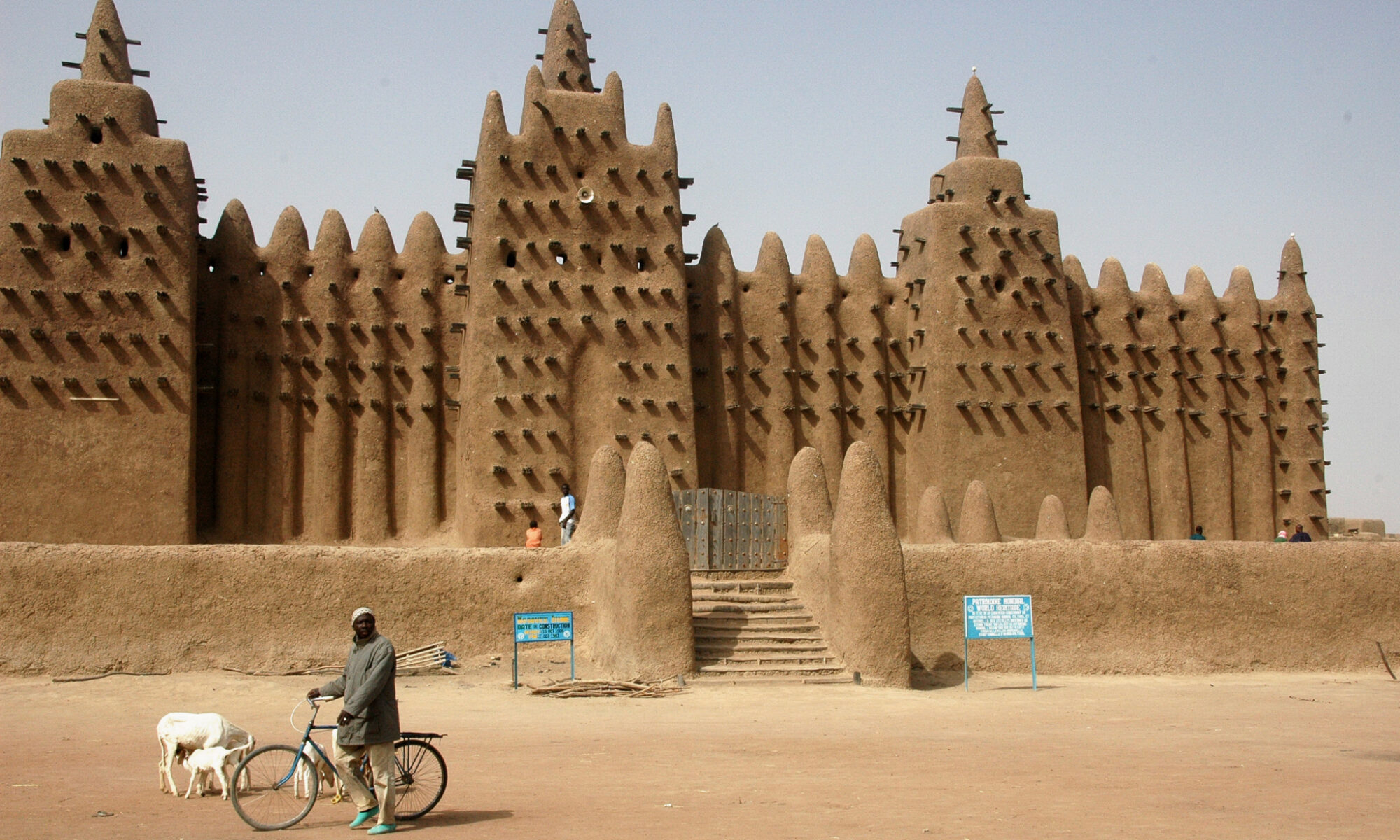
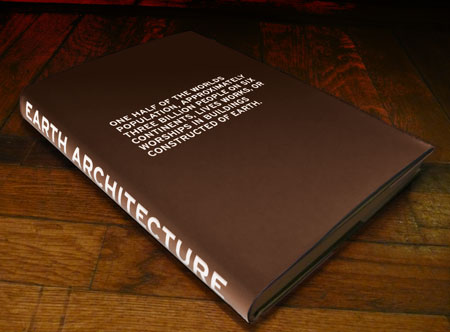
Earth Architecture began February 22, 2003 as a way to organize online research on earthen architecture and now, after almost 5 years of blogging on earth architecture, a book on the subject that will be published by Princeton Architectural Press in the Fall of 2008. The book will offer a history of earthen architecture, particularly a modern history of earthen architecture which touches on the efforts of Cointeraux, Gaudí, Schindler, Wright, Le Corbusier, Loos, Fathy, and many more of your favorite architects of the modern era. The book also discusses Rammed Earth, Mud Brick, Compressed Earth Block and many of the several earth building technologies and how they have evolved to meet the demands of contemporary society.

The book will also feature 40 cutting edge projects designed by architects and constructed of earth from the past 35 years, including work by many well known architects such as Rick Joy, Mauricio Rocha, Rural Studio, Glenn Murcutt, Arup Associates, Mathias Klotz, Predock_Frane Architects, Cutler Anderson Architects, Reitermann and Sassenroth, Heikkinen – Komonen Architects and Yung Ho Chang, to name a few, as well as important works by lesser well known architects who have produced critical works of contemporary architecture.

This is a very exciting moment in the history of this blog. It coincides with International Listings ranking Earth Architecture among the top 100 Architecture Blogs. It is an honor to be on the list with some really great blogs. In fact, I have to give props to Geoff for the idea for announcing the impending publication. If you’d like to know more about the book or would like to be reminded when the it is released, please email me, and thanks for reading about the most widely used building material on the planet.
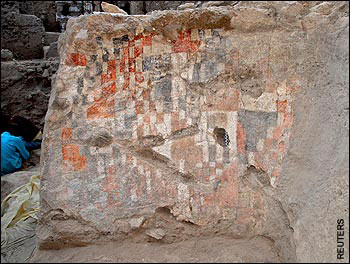

World’s Oldest Mural is on a Mud Brick Wall

French archaeologists have discovered an 11,000-year-old work of art in northern Syria which is the oldest known wall painting, even though it looks like a work by a modernist. Rectangles dominate the ancient painting, which formed part of an adobe circular wall of a large mud brick house with a wooden roof. The dating makes the designs at least 1500 years older than wall paintings at Çatalhöyük, the famous 9500-year-old Turkish village, among one of the first towns.

The Peru Earthquake


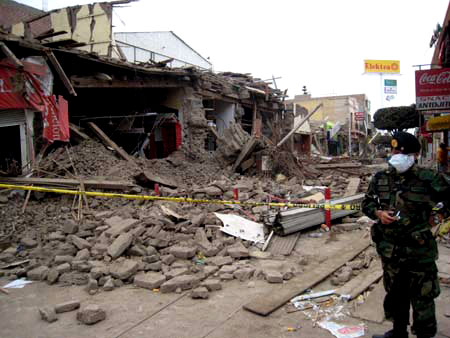
photo by Marcial Blondet

On Wednesday evening an 8.0 earthquake struck central Peru, devastating the Ica region of the Andean country. The official death toll from this unfolding disaster currently stands at 502 [as of 16 Aug — Ed.]; around four hundred of these were residents of Pisco, a city of over 100,000 near the epicenter of the main quake. Pisco is reported to have lost 80 percent of its homes.

Peru’s La Republic reported that Palomino had cautioned and warned homeowners not to rebuild their homes on their own despite the fact that they may have no other choice after so much neglect. Despite this, citizens in Pisco, Peru are informally building adobe houses as a way of recovering after the earthquake.

Dr. Marcial Blondet, a professor of at the Pontificia Universidad Catolica de Peru, an expert on seismic design for earthen buildings has written Earthquake-Resistant Construction of Adobe Buildings: A Tutorial as well as a number of important text on the performance of mud brick in earthquake zones, particularly in Peru. More resources about earthen architecture in seismic zones and the Peru earthquake can be found at the Earthquake Engineering Research Institute website.

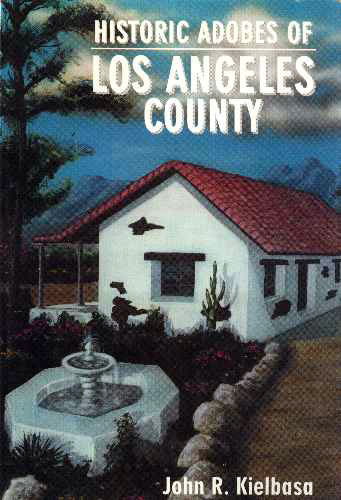
Historic Adobes of Los Angeles County

The book, Historic Adobes of Los Angeles County, documents the numerous eighteenth and nineteenth century adobe houses that are still standing in the metropolitan Los Angeles County area. An accompanying website offers insight to the books content, with an annotated table of contents that summarizes each section of the book and includes maps that allow for your own tour the 76 extant historic adobe structures in the greater Los Angeles metropolitan area.
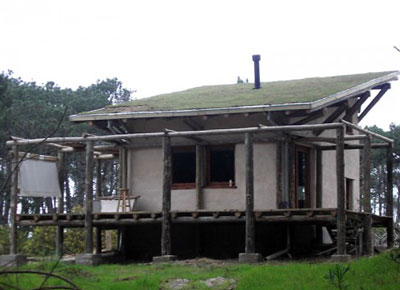
Earth Architecture in Uruguay

Uruguayan architect Andrés Nogués documents the design and construction of a unique log/mud brick house, la Casa de Adobes en La Juanita (above), as well as providing thoughtful essays on the subject of earthen architecture and links to various earth related sites on his blog, Arquitectura de Tierra en Uruguay. [Spanish Language website]

Mud Brick: Oldest

According to this essay, the oldest mud brick structure in the world is the ceremonial enclosure of Khasekhemwy–Hierakonpolis.

Is there evidence of older buildings? What are they?

According to Wikipedia, “The earliest use of mudbricks was in the Near East during the Pre-pottery Neolithic B period,” which is between ca. 9600 and ca. 8000 BP

Is this the oldest? If not, how long has mud brick been in use?

Start a discussion in the comments section below.

Adobe Alliance Seeks Intern

The Adobe Alliance, a Texas based non-profit organization whose aims include to apply cooperative building techniques in earth architecture is seeking a resident intern to work in Santa Fe, New Mexico or from a distance. Responsibilities will include research, image scanning, simple bookkeeping, assisting with workshop organization, website maintenance, and telephone management. The ideal person is a graduate student in architecture, art/art history, public policy or related fields. To learn more, please contact Ms. Simone Swan at simoneswan@gmail.com or visit www.adobealliance.org