Detail Study & Modeling Of Rammed Earth House

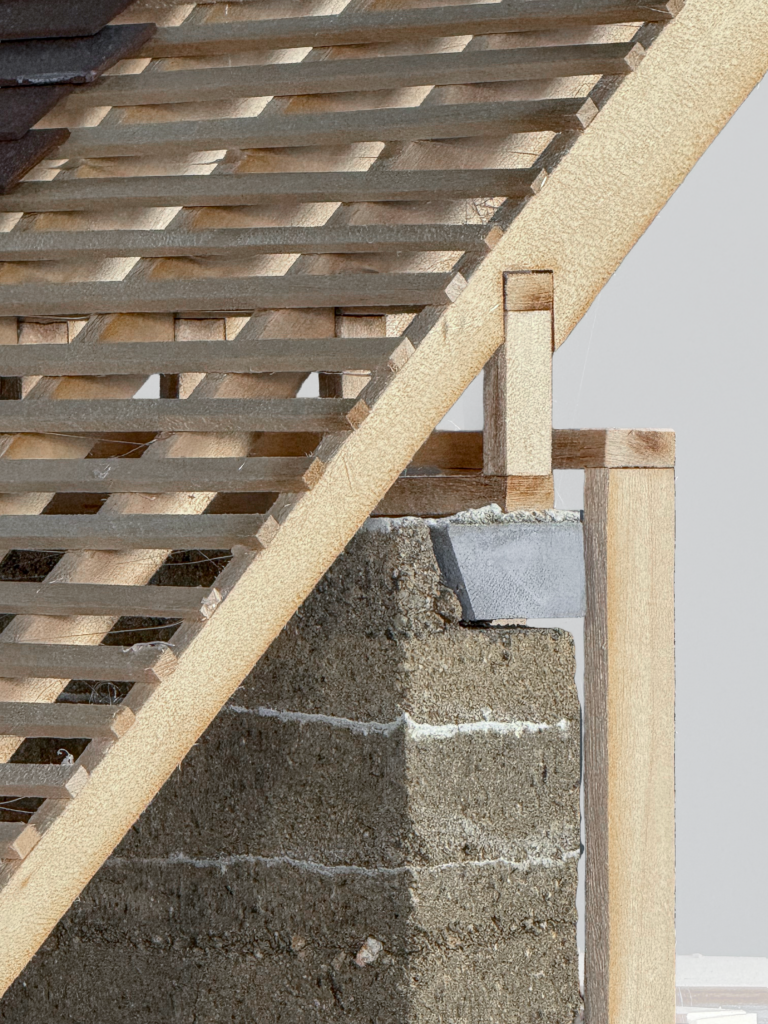
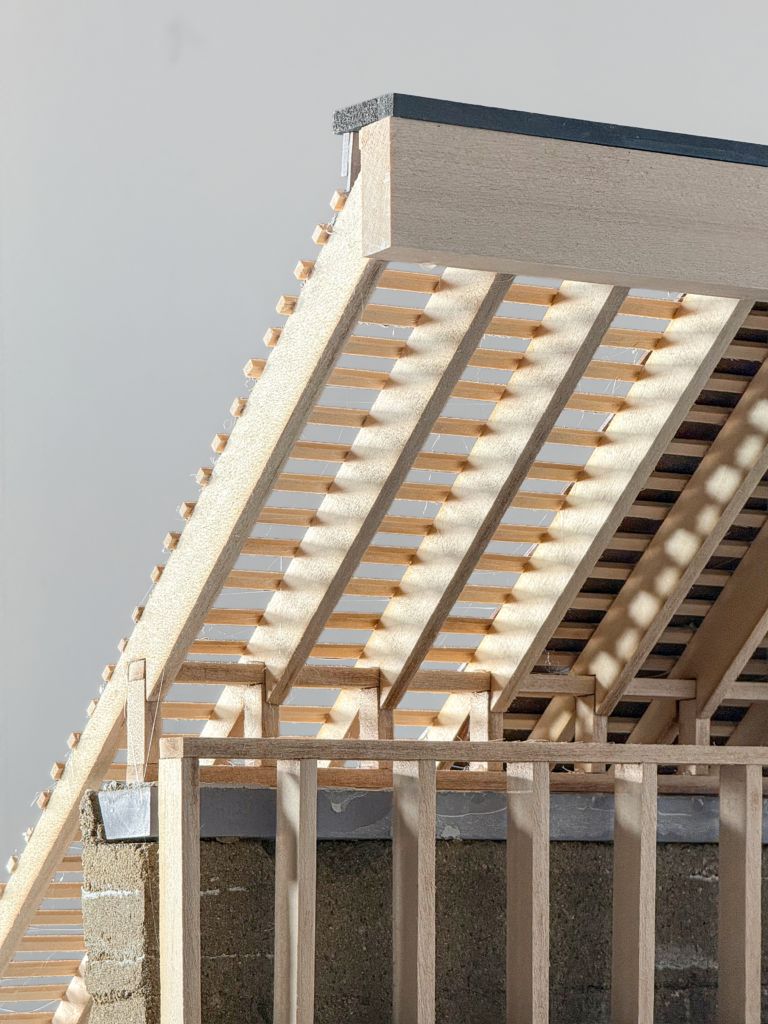
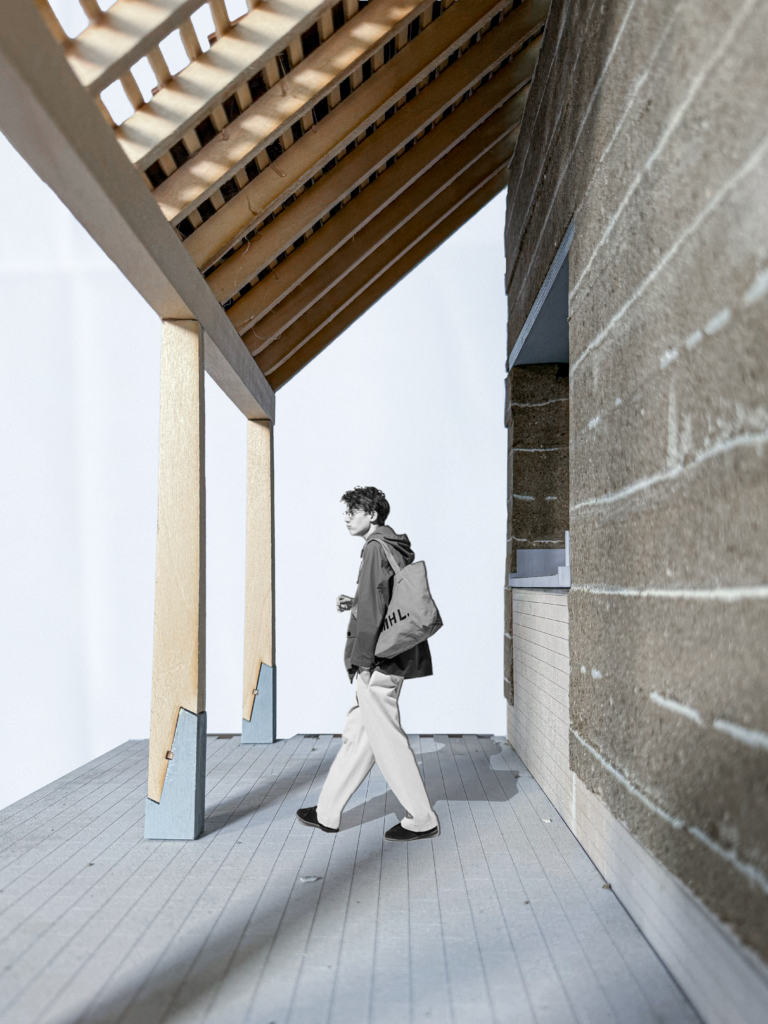
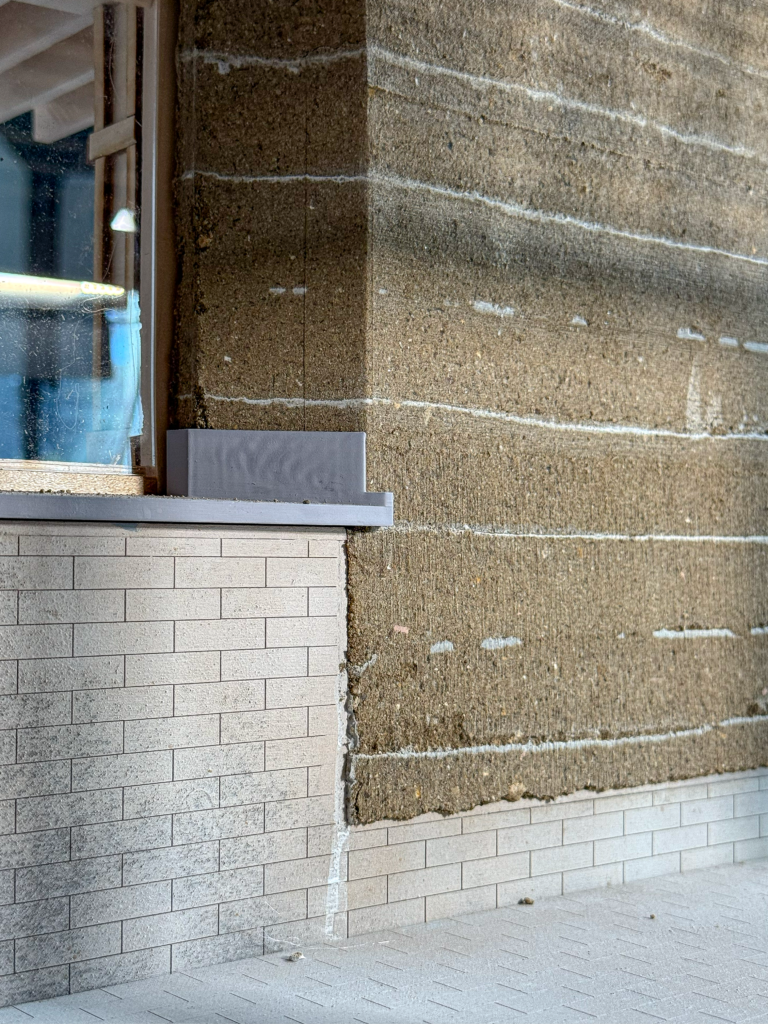
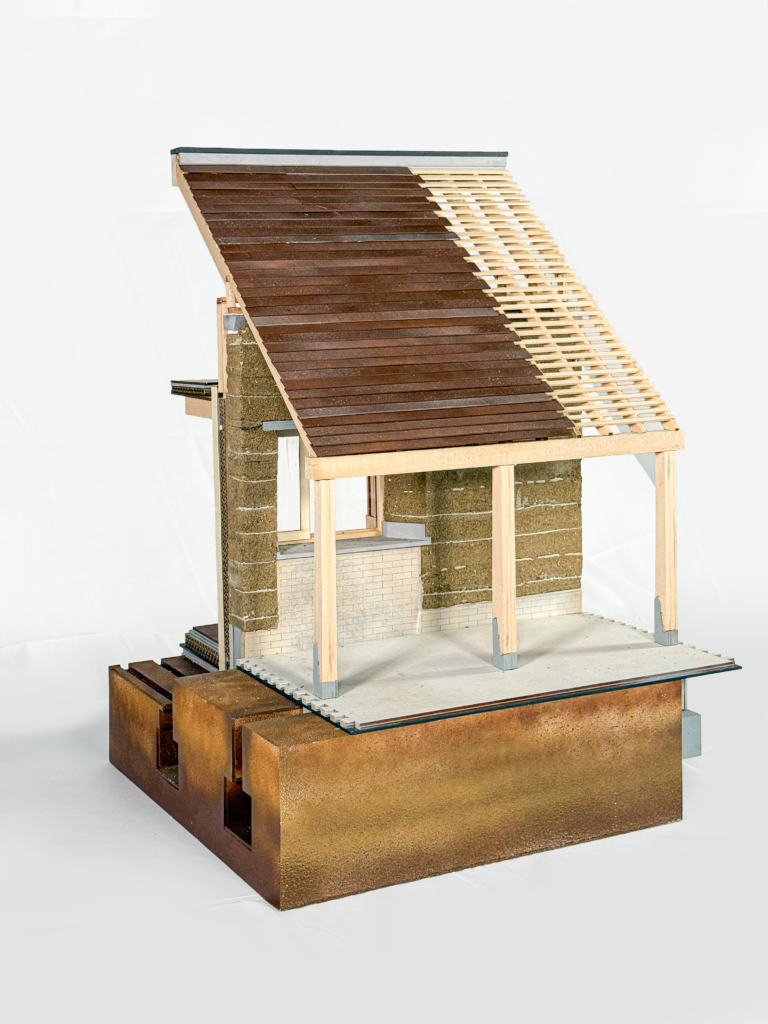
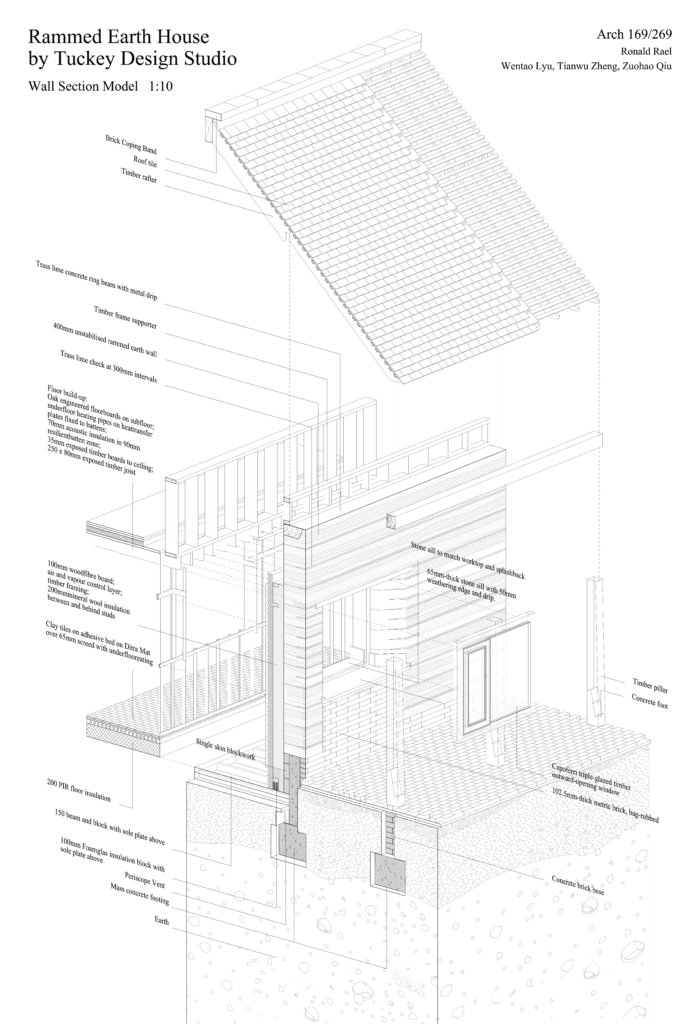
Section Model of Rammed Earth House Designed by Tuckey Design Studio

Project Introduction

Group Member: Wentao Lyu , Tianwu Zheng , Zuohao Qiu

This research explores the construction logic and tectonic characteristics of rammed earth architecture through precedent analysis, detail studies, and physical model experimentation. The project focuses on the relationship between rammed earth walls, timber structures, openings, and material connections.

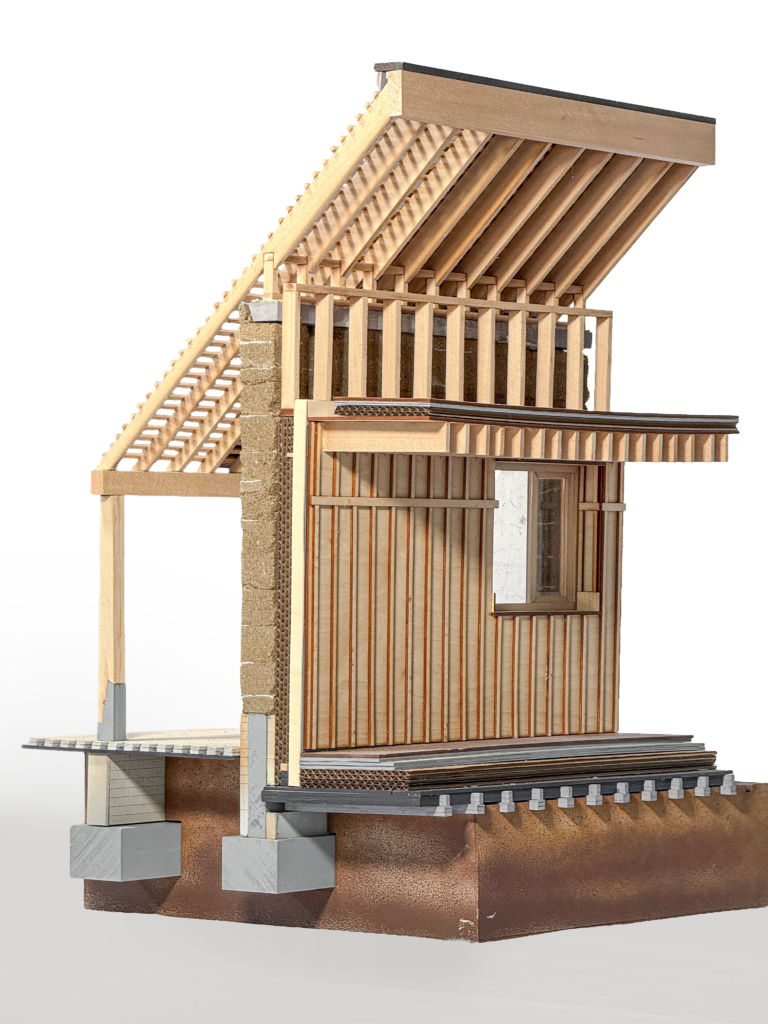
A 1:10 sectional model and a series of material tests were developed to study fabrication methods, construction details, and the integration of different building systems within rammed earth construction.


Research Framework

01 — Fabrication Process of Rammed Earth Walls

Study of rammed earth wall construction, including soil mixture, layering, moisture control, and compaction methods.
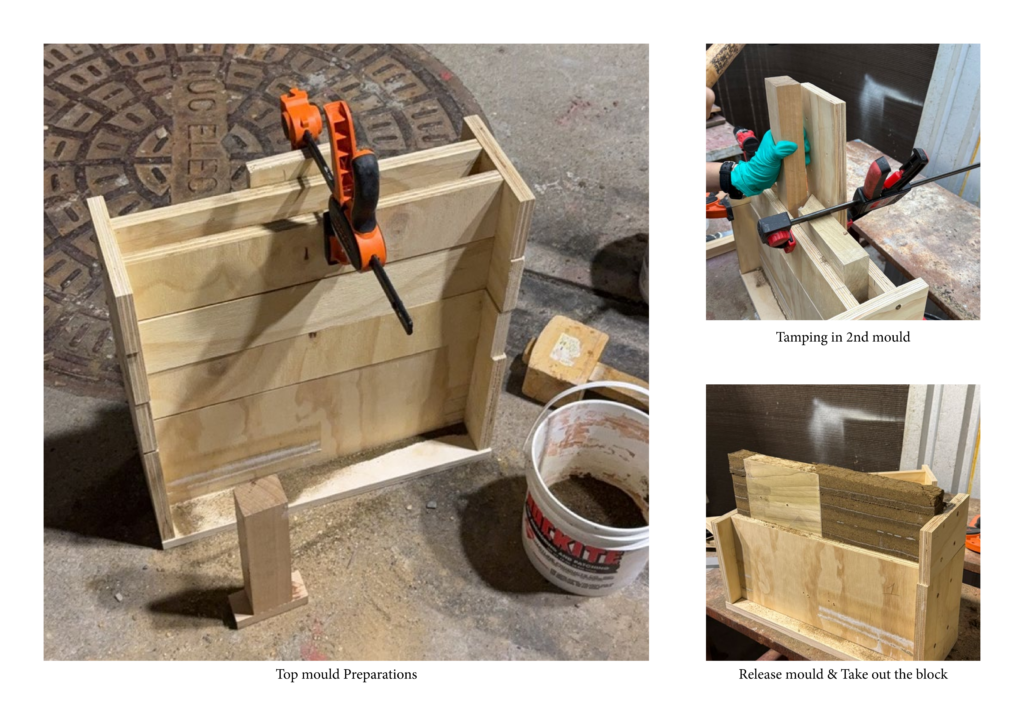
Fabrication Process
Rammed Earth Molds

02 — Connection Logic Between Earth and Other Systems

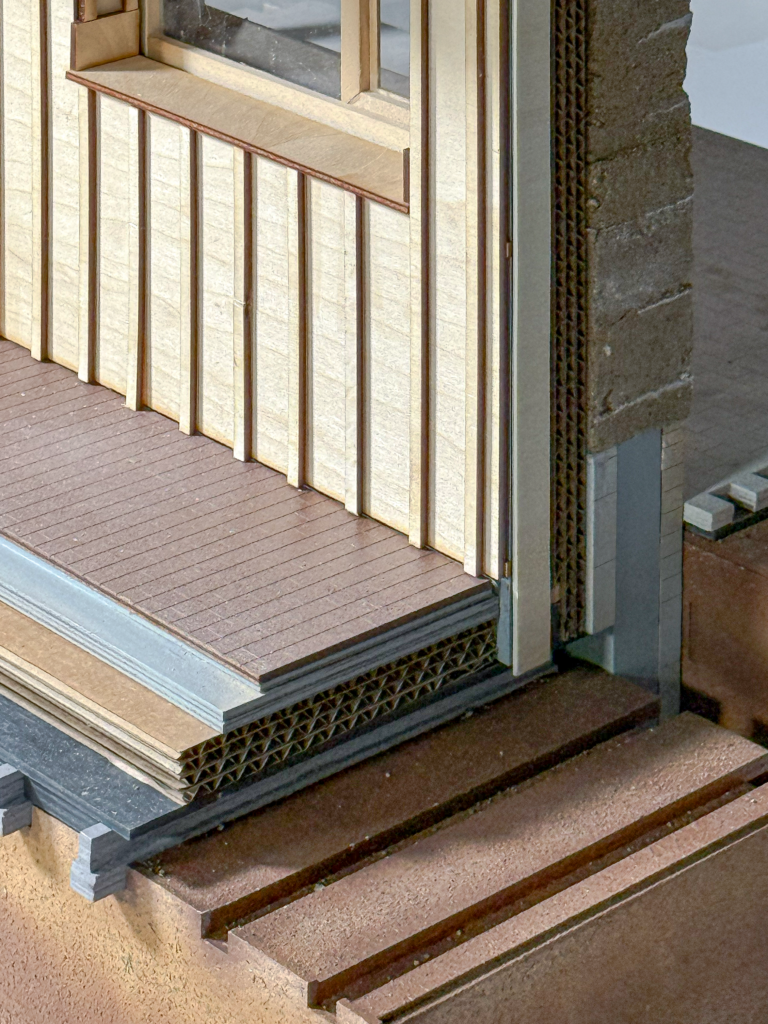
Investigation of how rammed earth walls connect with timber structures, roof assemblies, foundations, and waterproofing details.
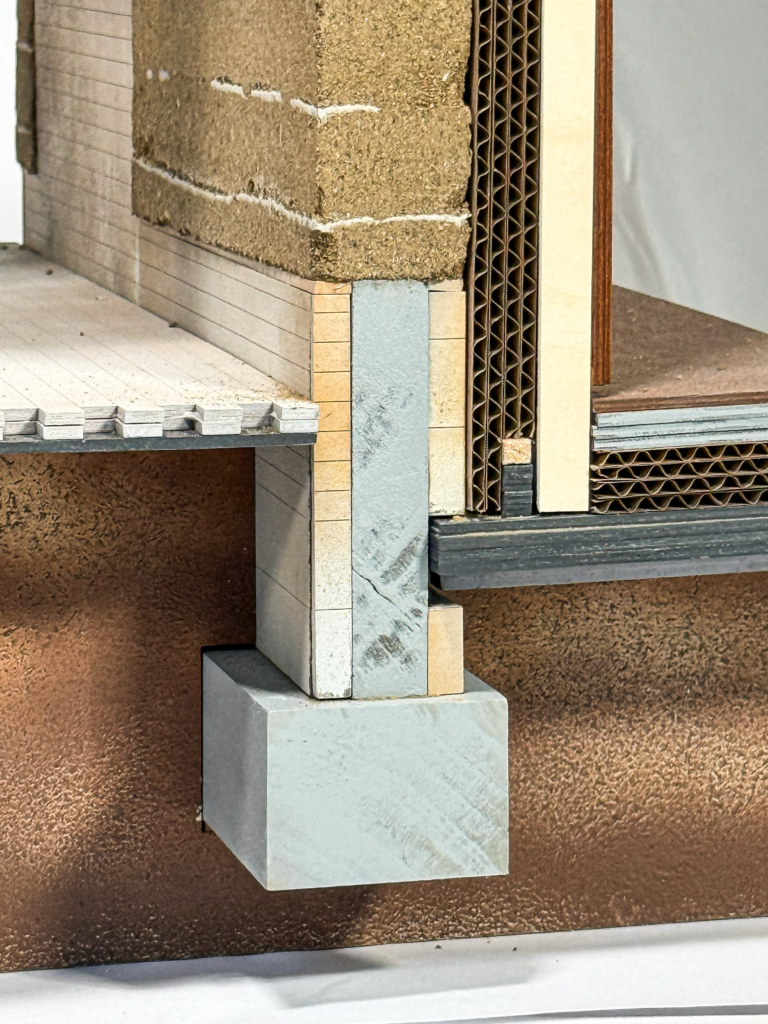
Foundation Details 1
Foundation Details 2
Connection with Timber Structures
Roof Assemblies
Corridor and Timber Column Details

03 — Integration of Openings within Load-Bearing Walls

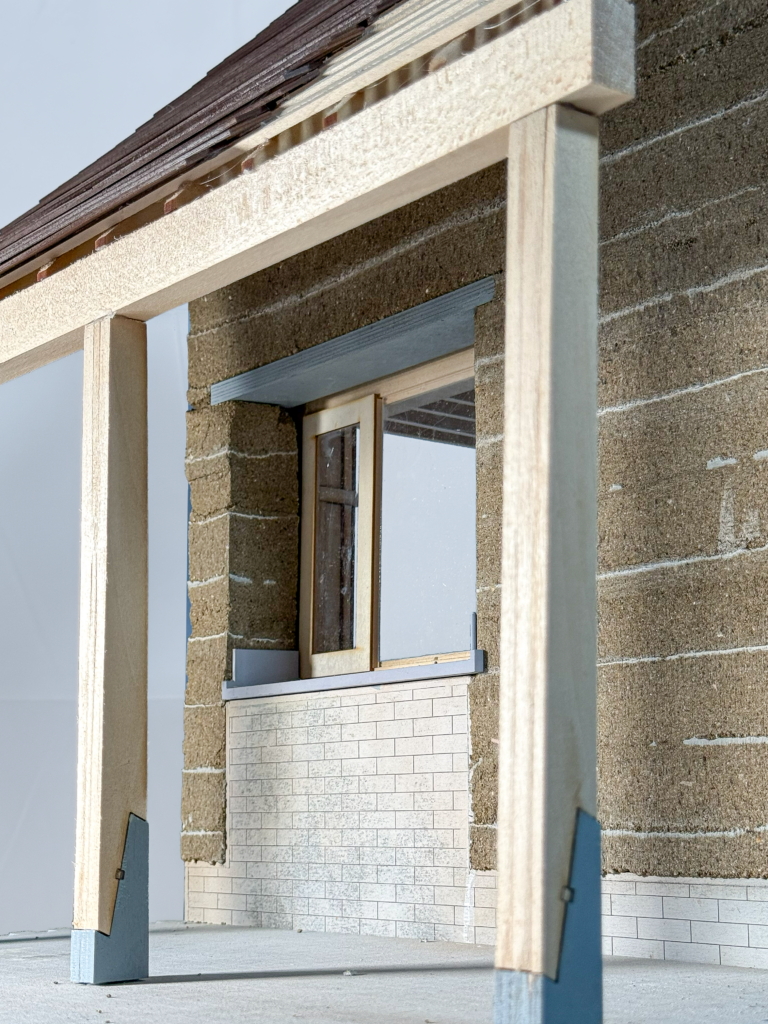
Analysis of window openings and structural transitions within thick rammed earth wall systems.
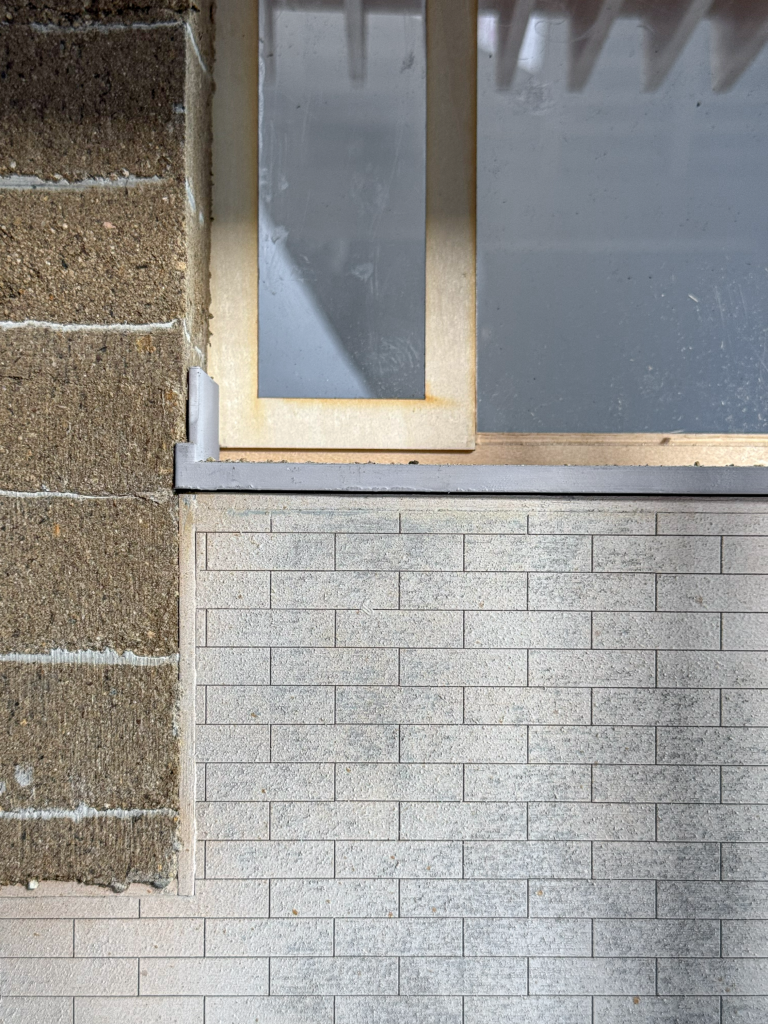
Window Opening Details 1
Window Opening Details 2
Window Openings and Timber Columns

Modeling & Material Experiments

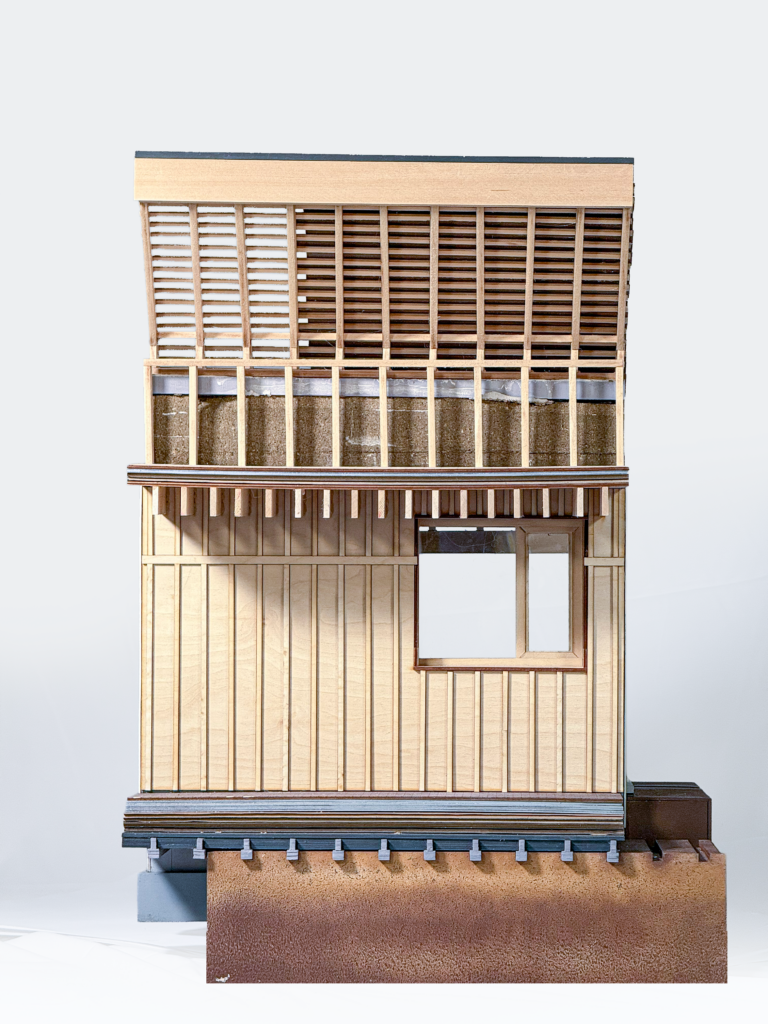
Sectional Model

Development of a 1:10 sectional model combining rammed earth walls, timber framing, and window details to study tectonic relationships and construction sequencing.
Construction Details Study
Section Model Image 1
Section Model Image 2

Material Testing

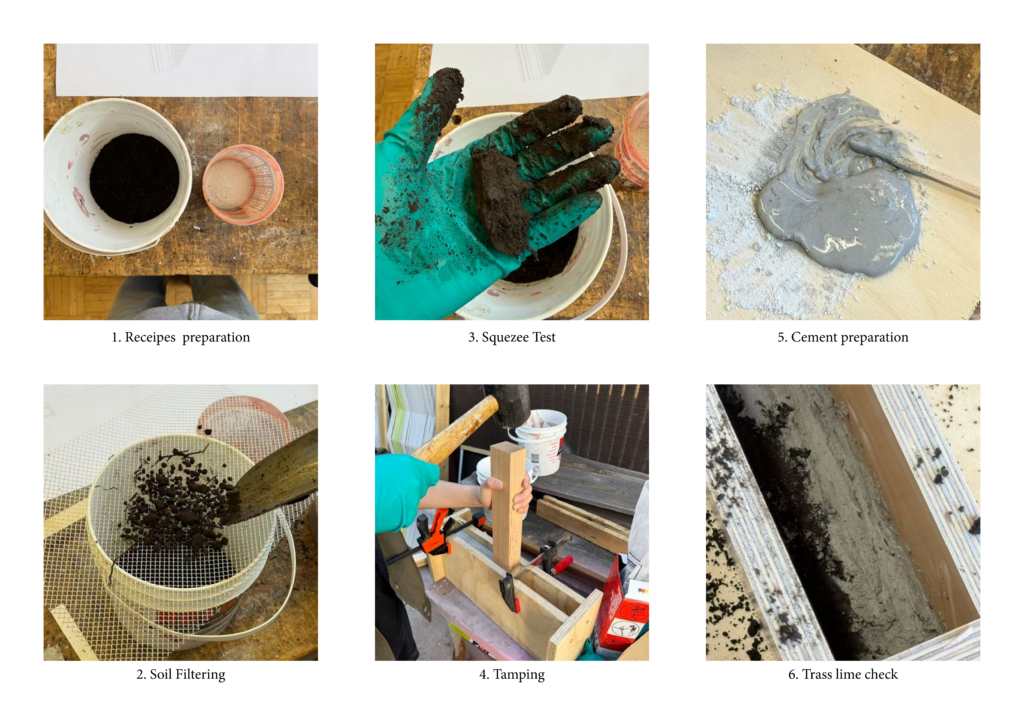
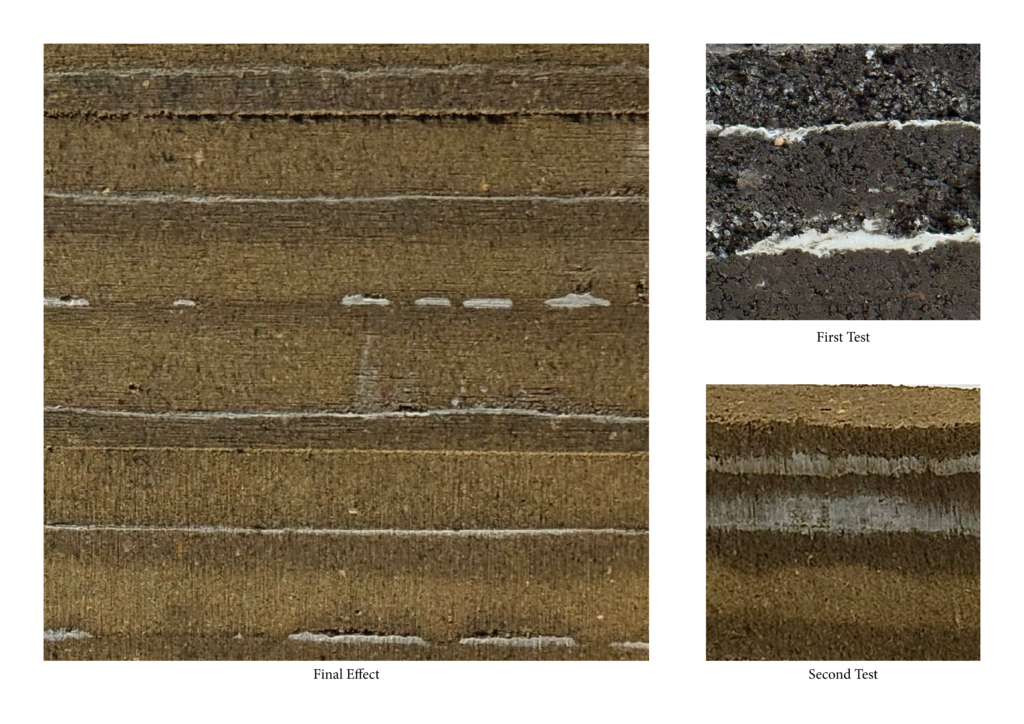
Material experiments focusing on soil ratios, wetness testing, compaction techniques, and layered rammed earth fabrication at model scale.
Material Experiments and Mockups

PROGRAMMED DECAY: DESIGNING INTENTIONAL EROSION IN EARTHEN ARCHITECTURE


PROGRAMMED DECAY: DESIGNING INTENTIONAL EROSION IN EARTHEN ARCHITECTURE

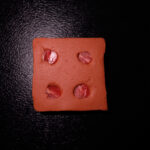
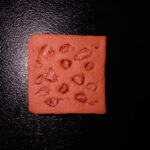
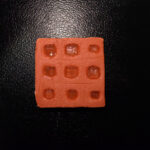
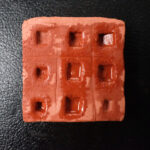
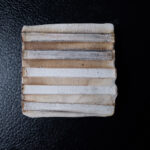
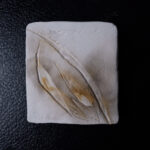
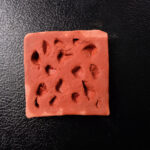
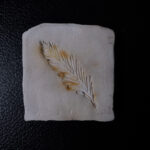
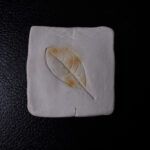
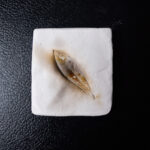
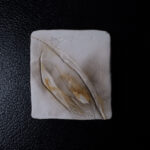
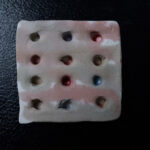
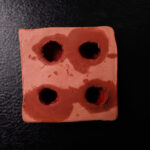
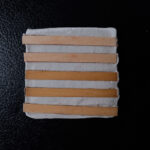
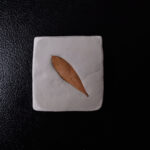
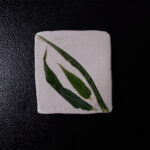
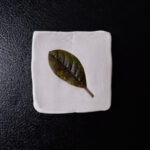
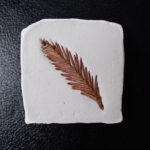
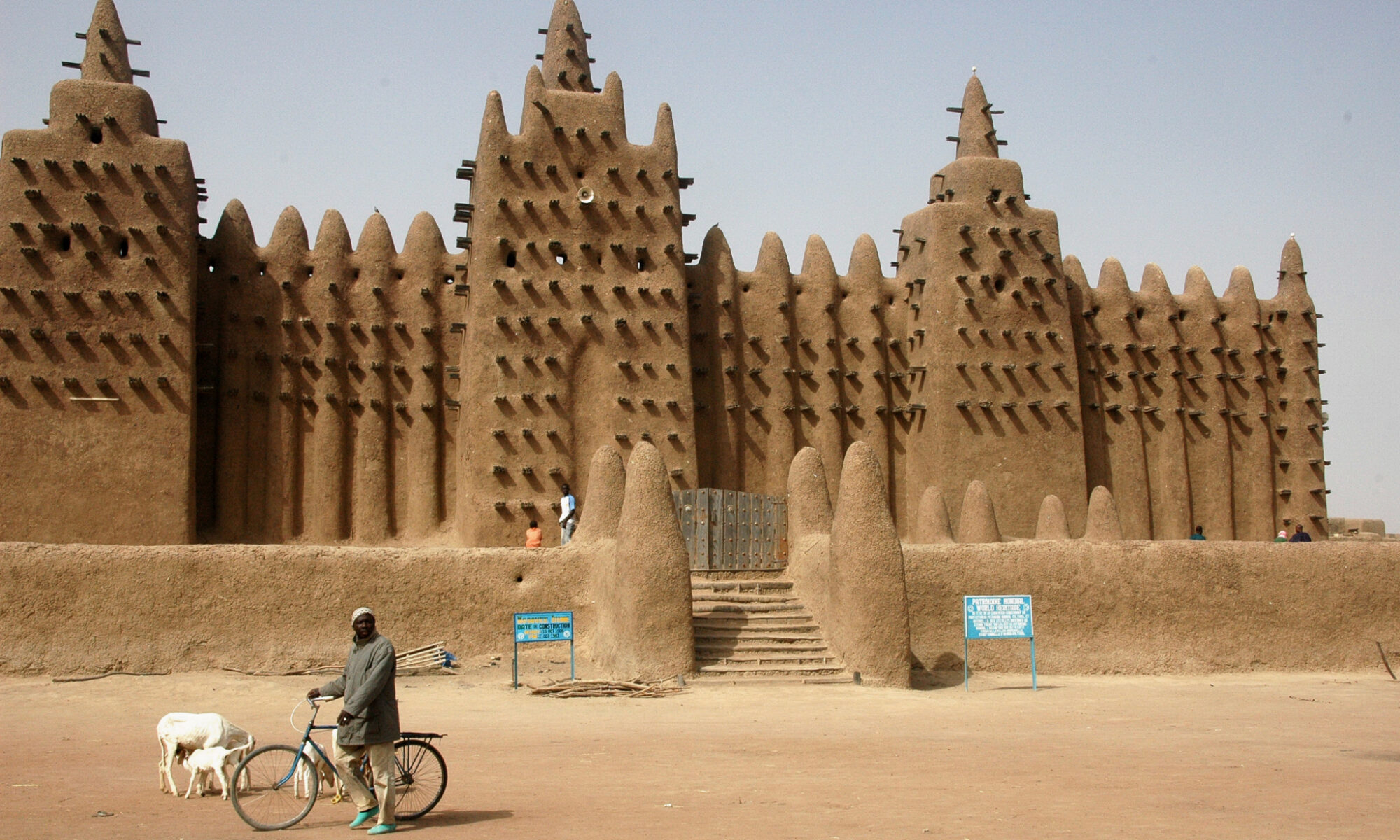
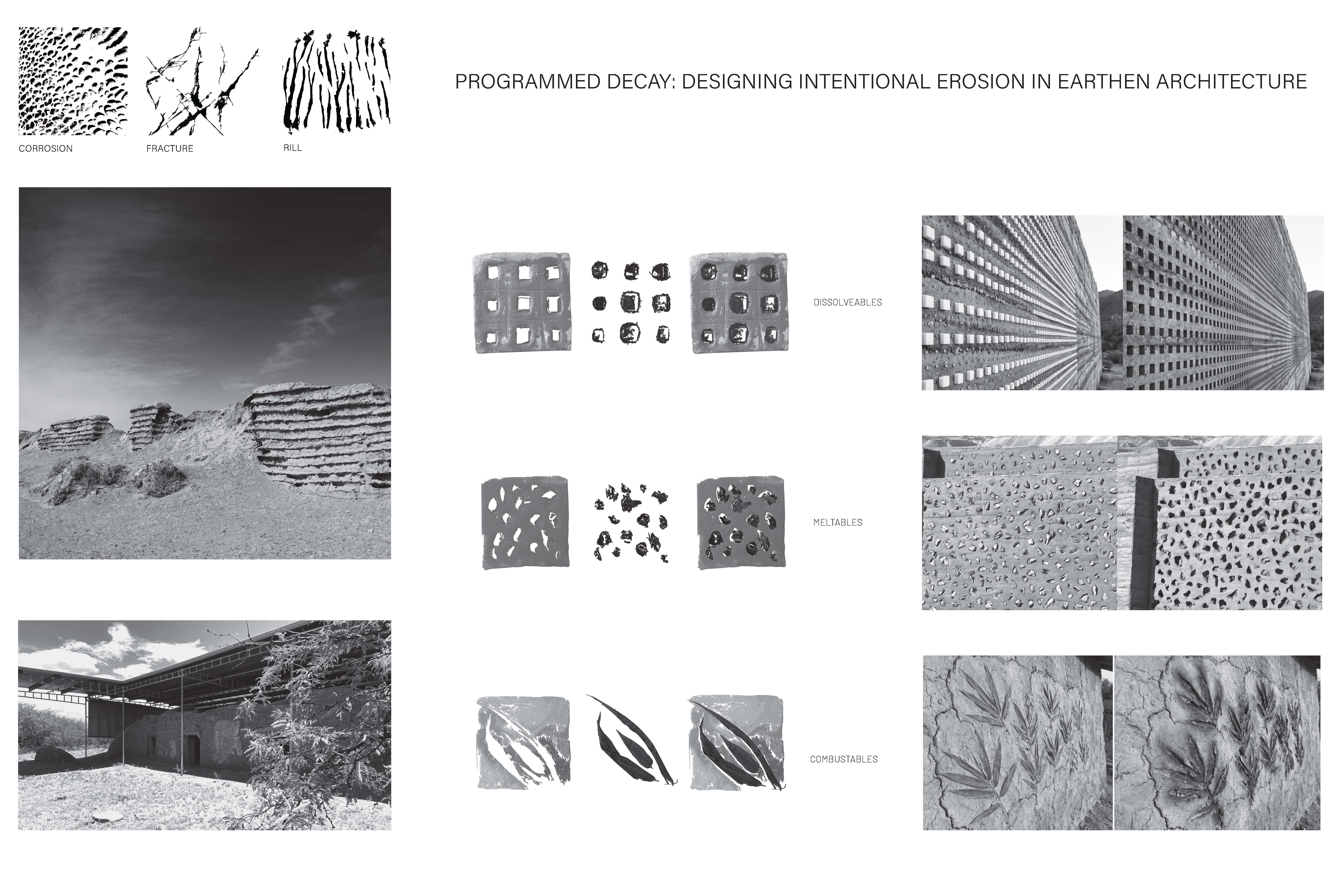
This erosion study began with an observation of the oldest sections of the Great Wall of China, where layers of straw and mud eroded at different rates over thousands of years, revealing soft, undulating patterns beneath the surface. Rather than seeing erosion as decay, the project explores it as a design tool. Through a series of material experiments, clay bricks were cast with embedded elements—including sugar, salt, wax, leaves, and wood—that dissolve, melt, burn, or persist over time. Some materials outlast the earthen surface, while others disappear quickly, leaving behind voids and textures. The work imagines earthen architecture as something dynamic and time-based, where patterns slowly emerge through weathering and environmental change.

Catalina Lusk

Chunk Model Study of Nursery School at Roches de Condrieu

Group Member: Zhixuan Zhou (MAAD) & Yushi Gan (MAAD)

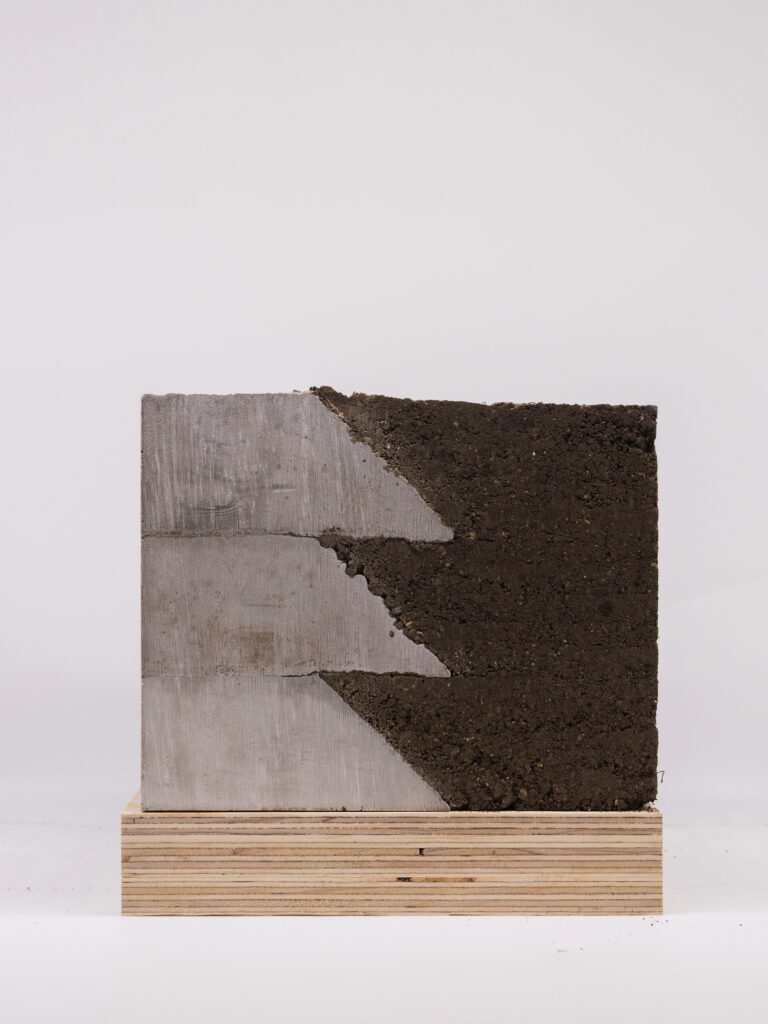
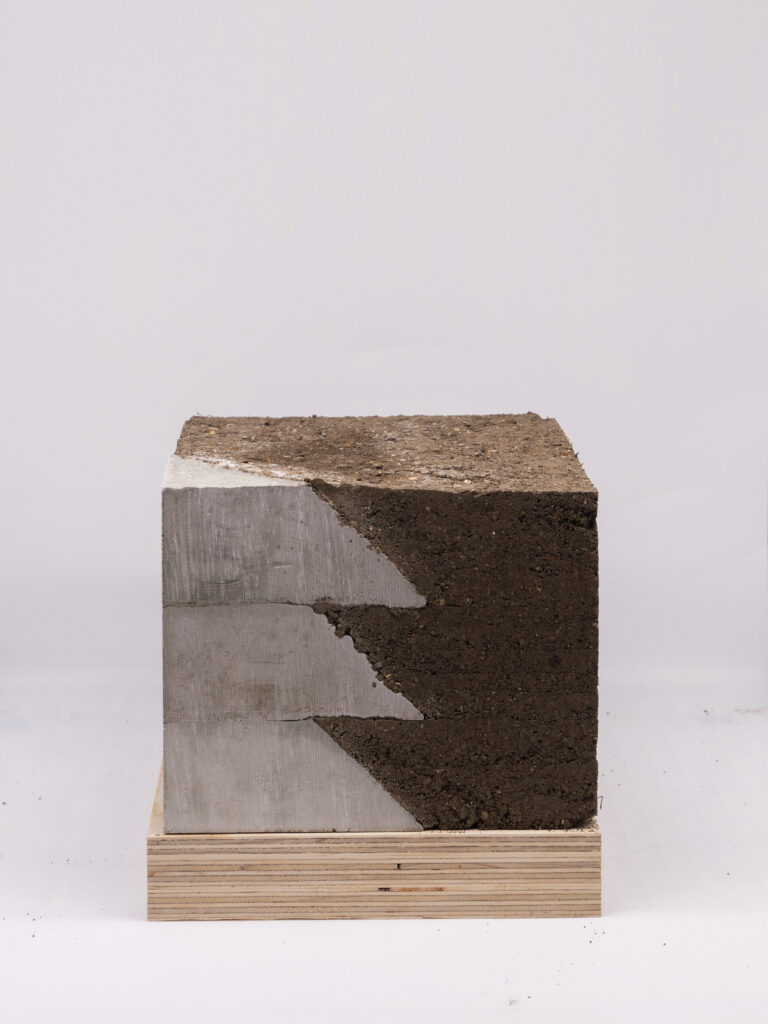
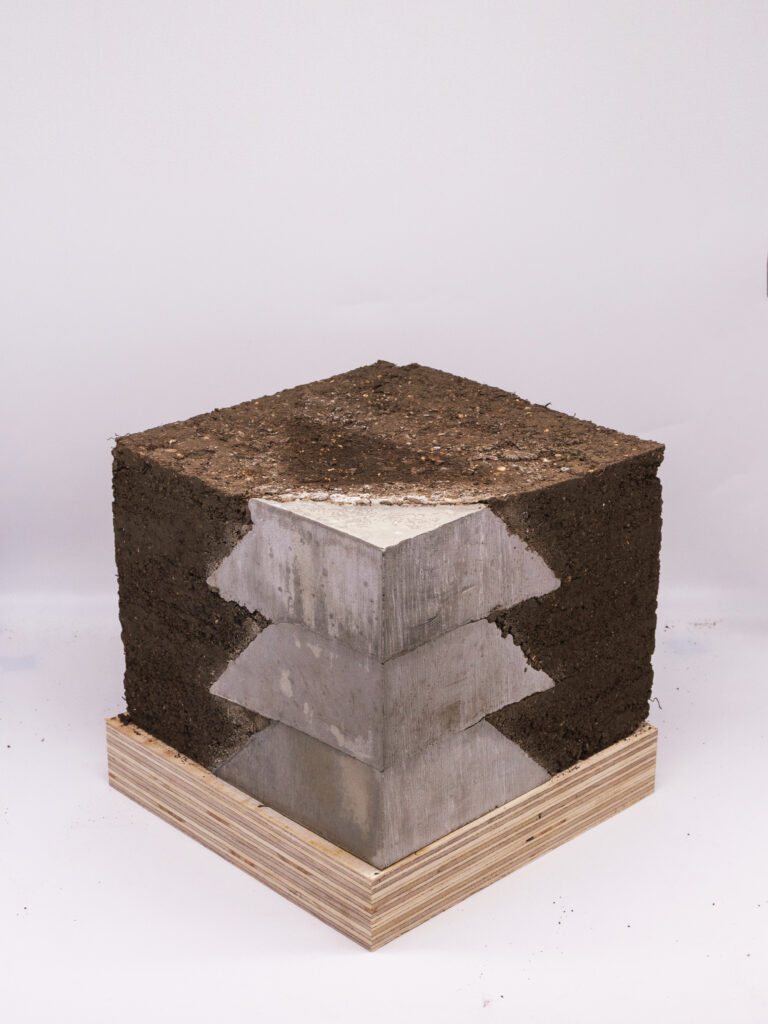
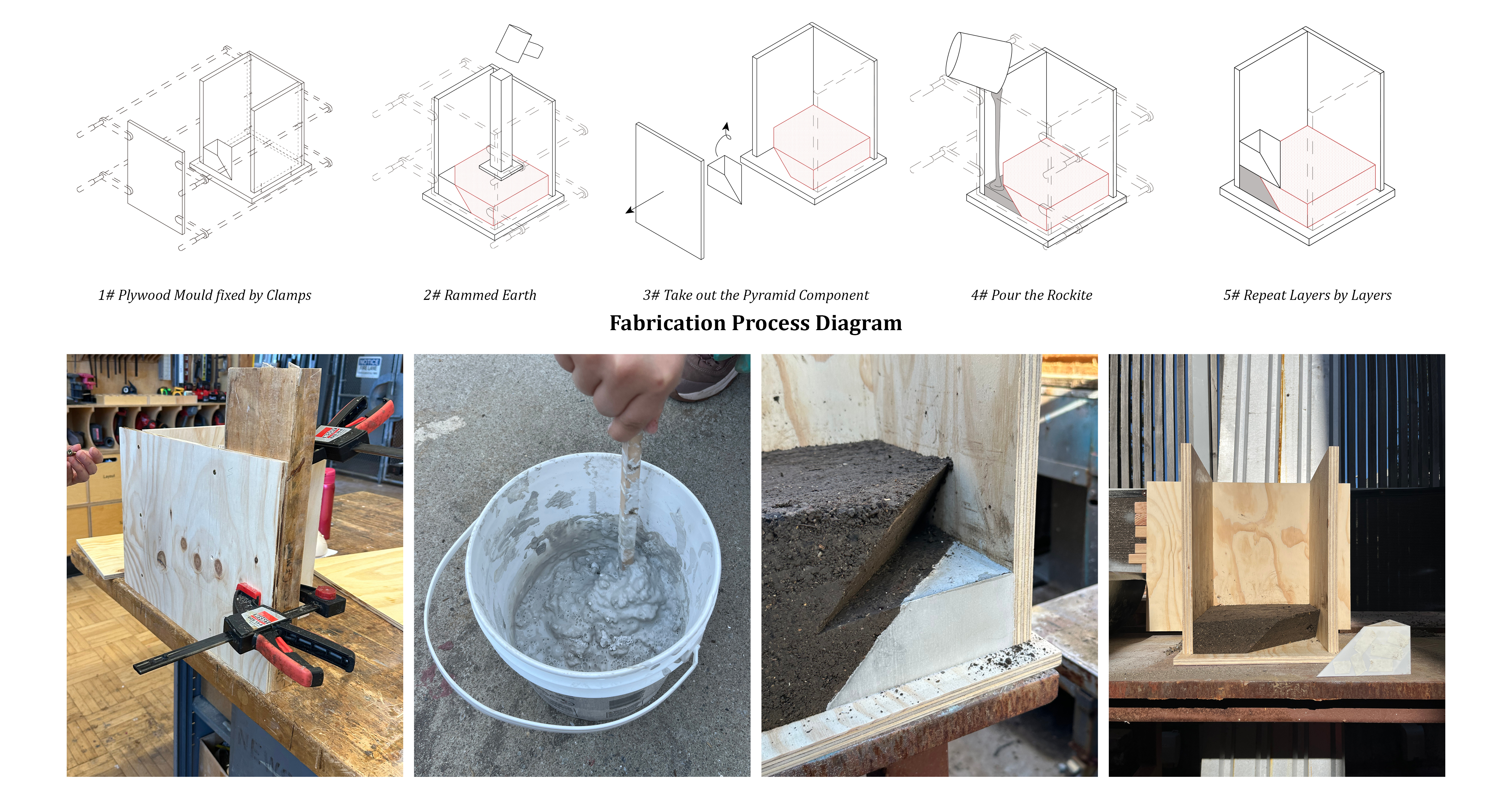
We constructed a 1:1 scale model of a rammed earth wall corner for the Nursery School at Roches de Condrieu project. Our objective was to explore the actual construction process involved. The region where this project is situated is characterized by traditional local rural architecture built using rammed earth.

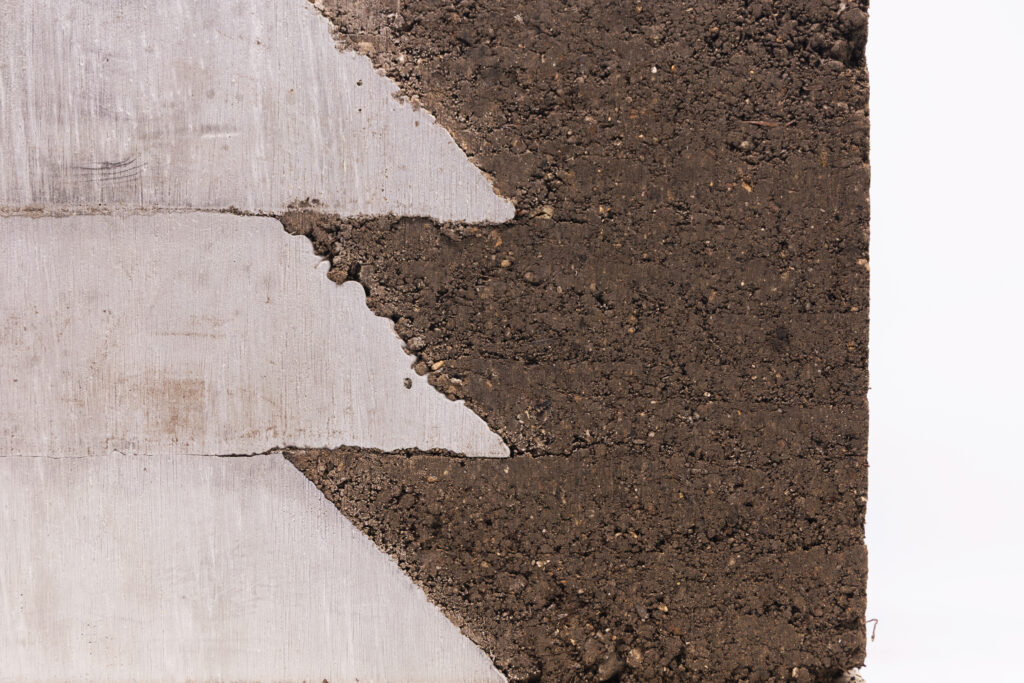
We fabricated the rammed earth molds using a combination of plywood and 3D-printed components. We then proceeded by ramming a layer of earth, followed by pouring Rockite cement; this process was repeated three times to complete the final model.

Although traditional construction methods might not typically incorporate modern techniques such as 3D printing, our fabrication process proved instructive, allowing us to gain valuable insights into the integration of two distinct construction methodologies: rammed earth and poured casting.

Project Archdaily

Architect Website