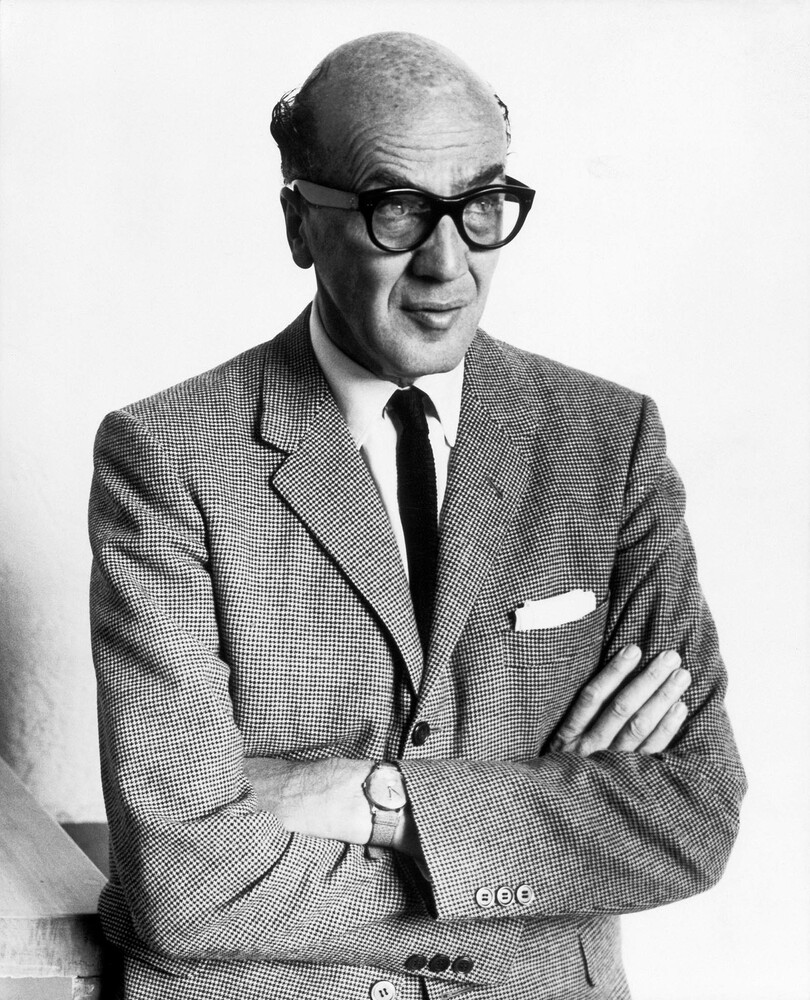
Luis Barragan was a Pritzker Architecture Prize winning Mexican architect known for exceptional work in combining modern architectural concepts with traditional ideas and earthen materials. He was born in Guadalajara, Mexico in 1902 and he passed away in Mexico City in 1988. Even though his works were in the field of architecture, Barragan did not receive a formal degree in architecture, instead he attended Escuela Libre de Ingenieros in Guadalajara and obtained a degree in civil engineering. As a result, the majority of Barragan’s architectural knowledge and skills were self-taught, taking inspiration from the buildings and landscapes that he saw when he traveled to other countries such as France and Spain.
Part of what makes Luis Barragan’s buildings and works so noteworthy is his use of traditional Mexican ideas of materiality, like working with adobe, wood, stone and clay as well as taking inspiration from Mexican cultural ideas of light in the home, the presence of nature, and the dynamic relationship between life and death. In a sense his architectural philosophy involved viewing the buildings and built environment in more than a conventional use based way, instead focusing on the emotions and presence that are invoked by architecture in tandem with modern and contemporary ideas. Barragan’s philosophy, or the reason he made his works based on these ideas of nature and tradition was because he wanted the people and other professionals to think about concepts like art, serenity, light, and beauty because to him they went hand-in-hand with the architectural field.
The Pulitzer Architecture Prize was awarded to Barragan in 1980 for the many exceptional buildings he designed during his lifetime. Some of his more known and prominent works include Casa Prieto Lopez (also known as Casa Pedregal), Cuadra San Cristobal, and Casa Estudio Luis Barragan.
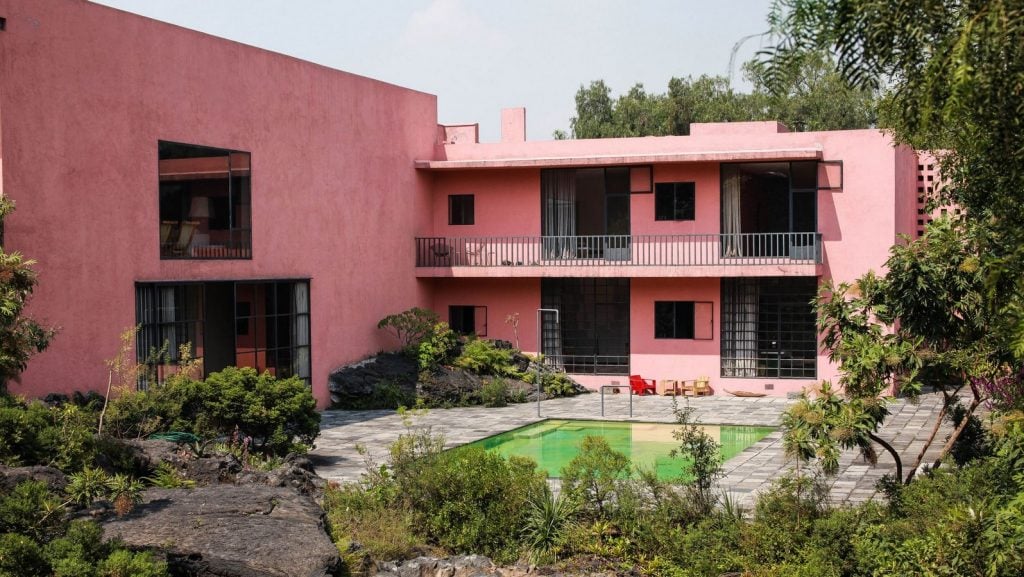
While not made from adobe bricks, Casa Prieto Lopez showcases his deep range of natural and earthen materials, given that he used the lava rock already present at the location where the house was to be built. This use of local earthen materials provides that sense of harmony between the natural and the built environment that Barragan strived for in his works.
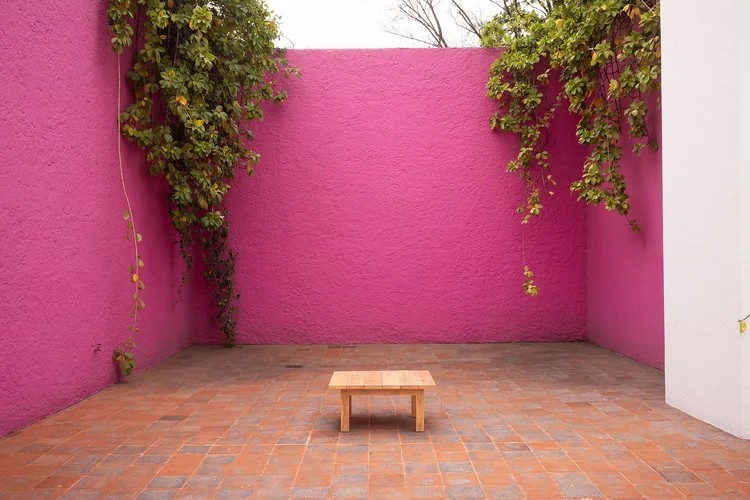
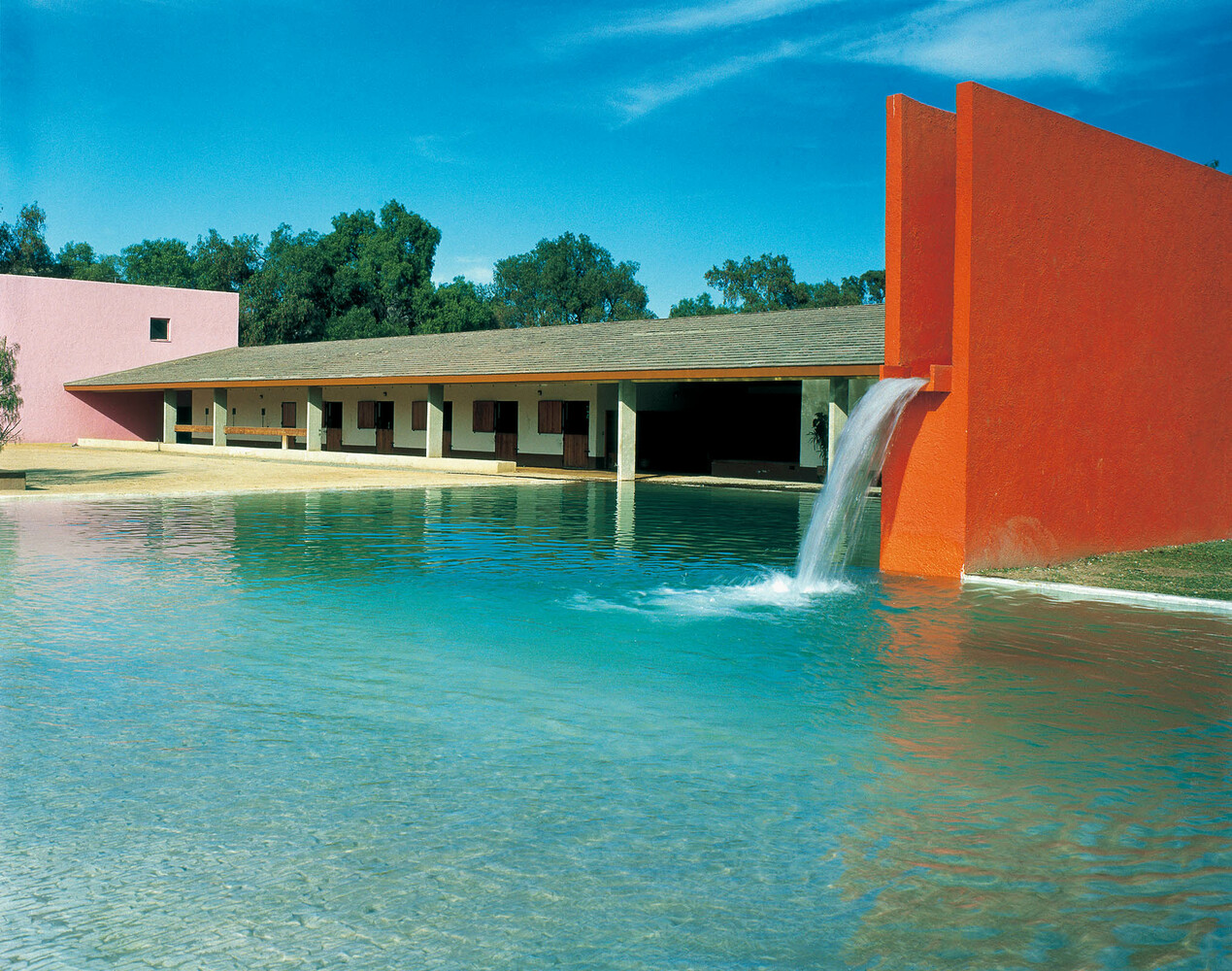
Cuadra San Cristóbal is located in Mexico City, in an area called Los Clubes, where the geometrical design and emotions conveyed through the shapes of the walls exemplifies the power that natural materials carry when used in modern architecture. Cuadra San Cristobal is in part made with rammed earth and other earth materials displayed in various bright colors that bring in light and serenity into the space.
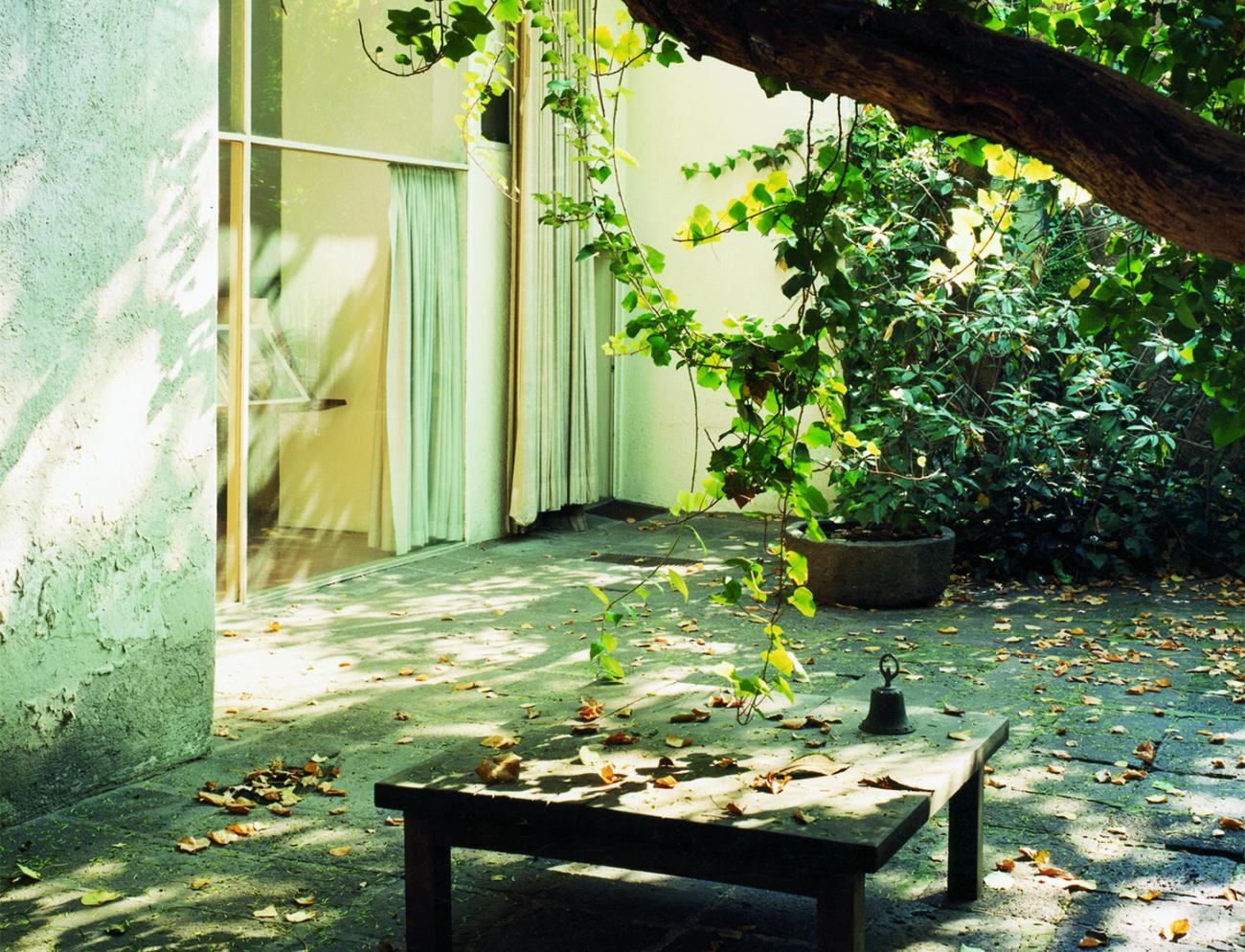
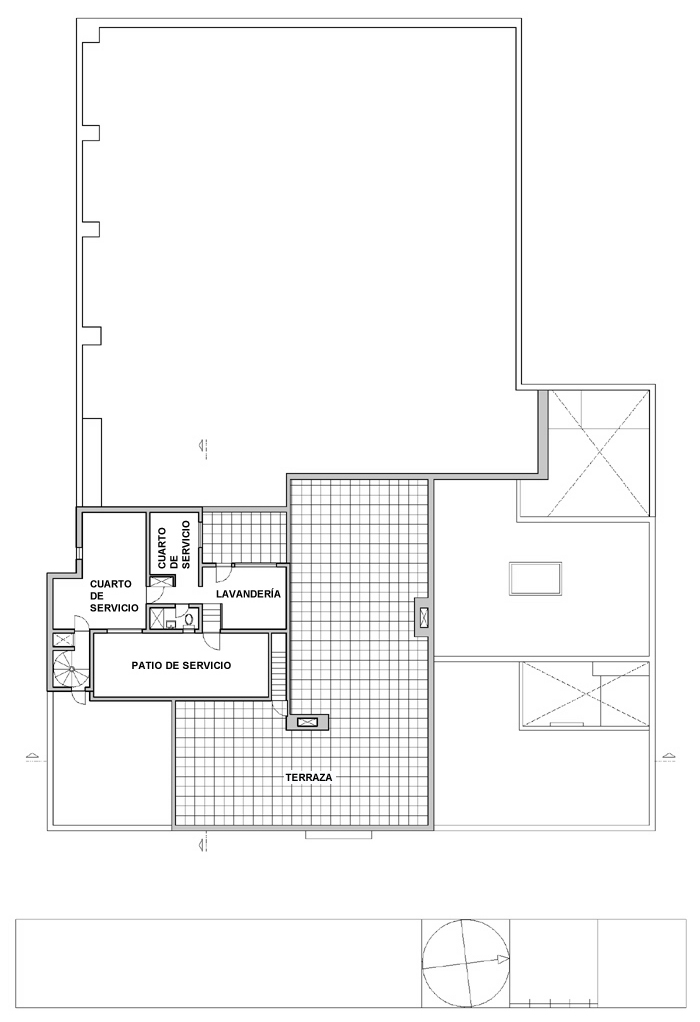
Perhaps Luis Barragan’s most well known work is his Casa Estudio Luis Barragan, located in Mexico City on General Francisco Ramírez Street. The influence of this building was deemed important enough to be recognized by the UNESCO World Heritage Convention in 2004. The house was built in 1947 and has three floors and a private garden, being 1,161 m2 and occupies two lots adjacent to each other.
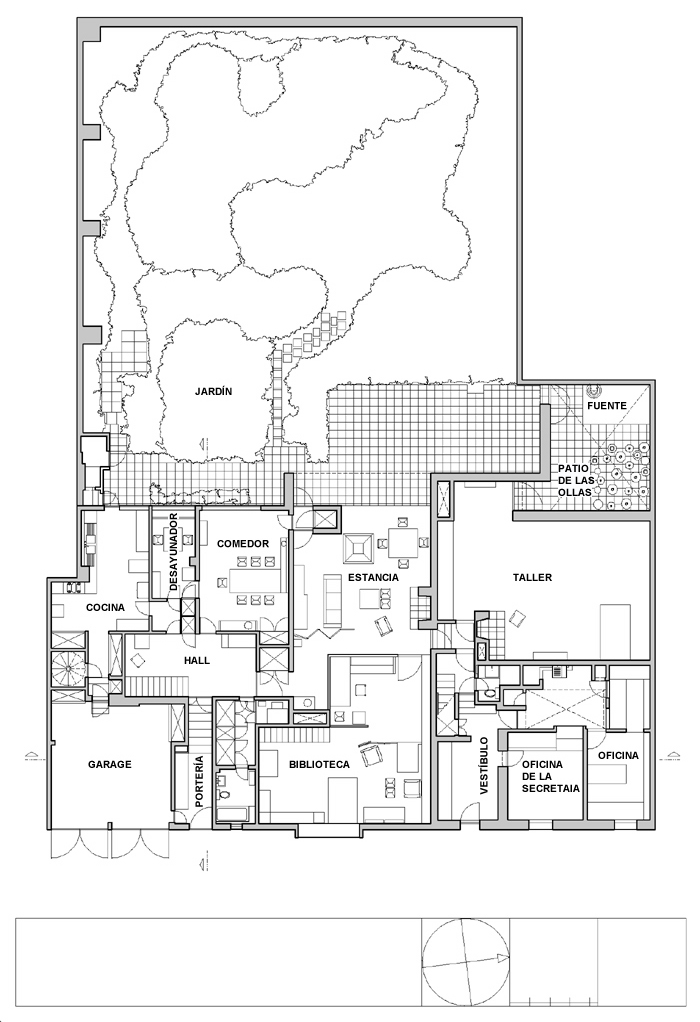
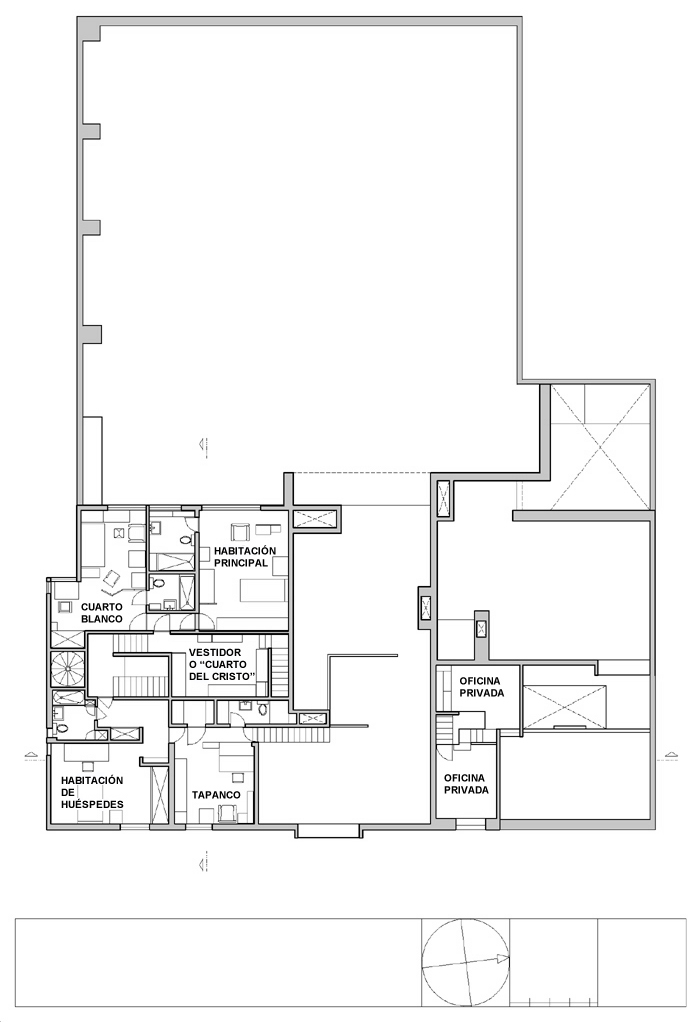
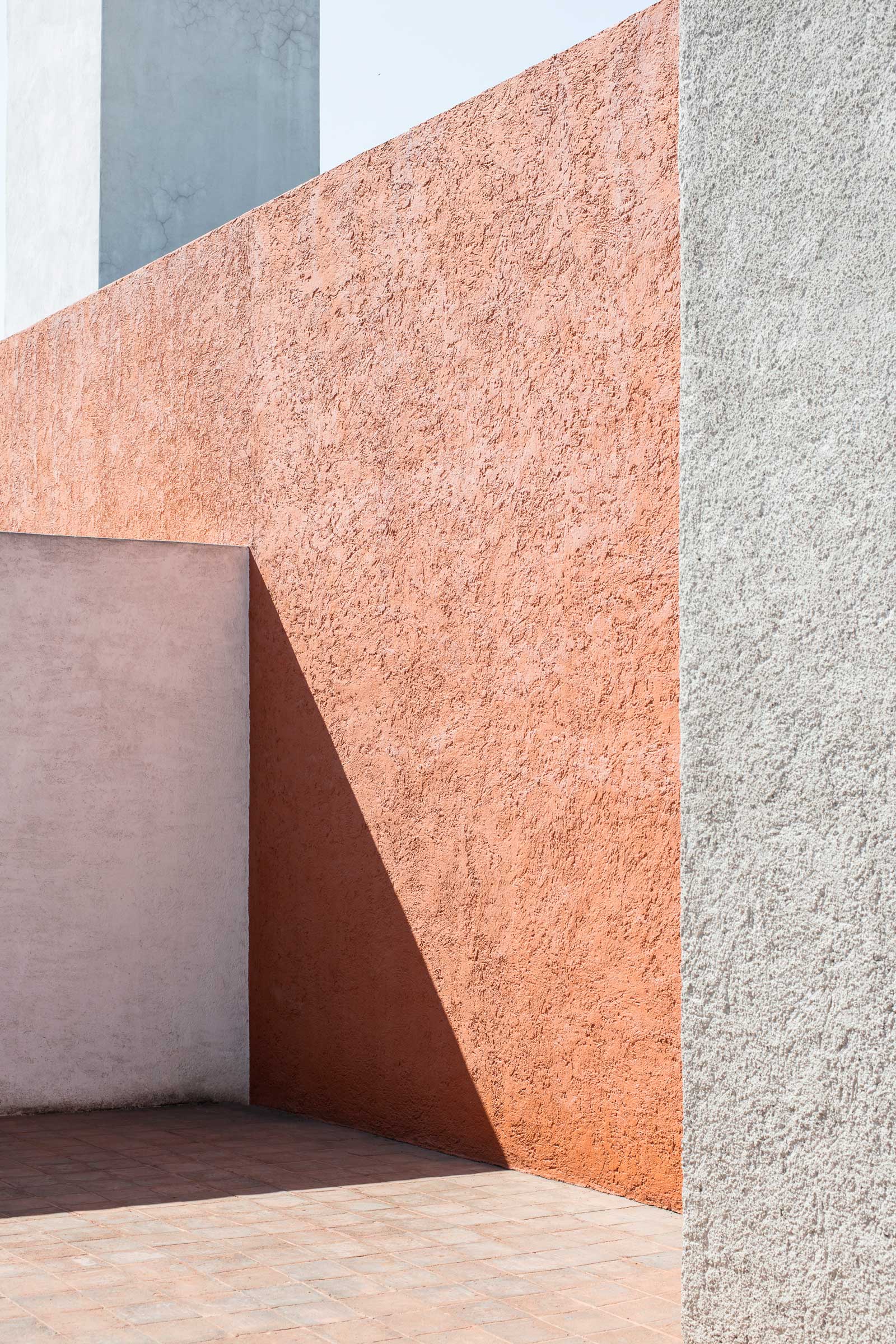
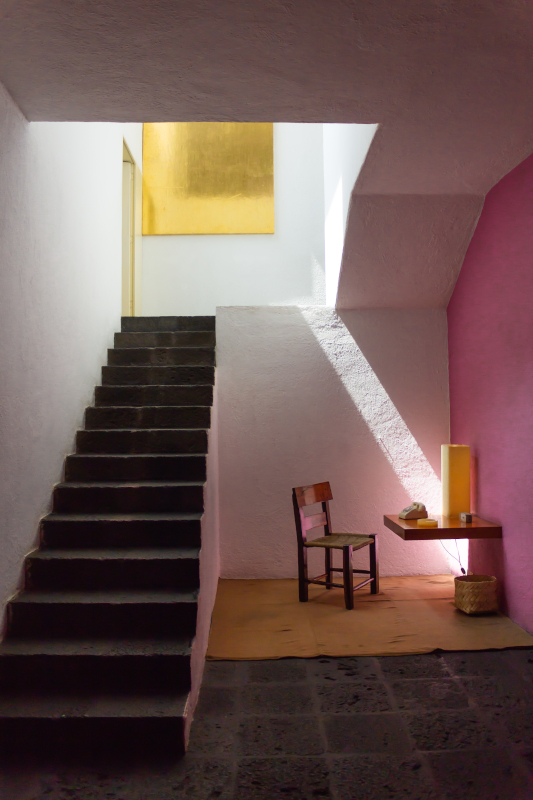
The house was designed and constructed to be Barragan’s private residence and studio, which gives the impression that everything was tailored to his interests, where he could add ideas and concepts that he had seen throughout his travels and what he incorporated into previous designs. One of these concepts incorporated into the house/studio was the dynamic play between light, shadow, and structure made possible by the use of earthen materials, like thick adobe bricks in construction. Some of the colors present in this house, such as the bright oranges and pink, combine with the geometric shapes of the walls, particularly in the use of right angles and cubic shapes which according to some is the representation of an introspective and spiritual symbolism. The use of earth materials, like adobe bricks and rammed earth, in Casa Estudio Luis Barragan showcases a different level of understanding of the natural world, much like traditional architecture did in the past. With the incorporation of these materials, the thick blocks can provide shadow, regulate heat and cold temperatures, and the shapes that these blocks are arranged in, provide a form in which light expands the room.
When receiving the Pulitzer Prize, Luis Barragan said, “It is essential to an architect to know how to see—to see in such a way that vision is not overpowered by rational analysis.” When observing his various works and the philosophy through which he carried out his designs, it’s evident that Barragan focuses on the art of seeing, not just the built environment and the final product, but the emotional connection that one has with the design alongside the dynamic relationship between nature, materiality, and the man-made environment. His works inspire the thinking of the connection between life and death, earth and materiality, and nature and the built world, exemplifying how important it is for one to consider the modern and contemporary with, instead of separate from the traditional earth materials and cultural traditions from various places in the world.
References
Barragan Foundation. (n.d.). Home. Home | Barragan Foundation. https://www.barragan-foundation.org/
Bathurst, M. (2018). Casa Luis Barragán: Architecture of Solitude. Readcereal.com. https://www.readcereal.com/articles/casa-luis-barragan
Fida, H. (n.d.). Luis Barragan: 15 iconic projects everyone must know. Rethinking the Future. https://www.re-thinkingthefuture.com/know-your-architects/a743-luis-barragan-15-iconic-projects/
Fundación de Arquitectura Tapatía Luis Barragán A. C. (n.d.). La Casa Luis Barragán. CASA LUIS BARRAGÁN. https://www.casaluisbarragan.org/
González, C. (2022, September 29). Luis Barragán, Maestro de la Luz y del Color. CasaDecor. https://casadecor.es/blog/personajes/luis-barragan-maestro-de-luz-y-color/
Pritzker Prize. (n.d.). Luis Barragán: The Pritzker Architecture Prize. Luis Barragán | The Pritzker Architecture Prize. https://www.pritzkerprize.com/laureates/1980#laureate-page-362
Sun at Six. (2021, December 1). Casa Pedregal by Luis Barragan. https://www.sunatsix.com/blogs/news/luis-barragan?srsltid=AfmBOoo2-PPUqLb-dNASCS4qQ_AnlE3elW93dc0WLQWy0jOiHYgWJwdS
UNESCO. (2004). Luis Barragán House and Studio. UNESCO World Heritage Convention. https://whc.unesco.org/en/list/1136/