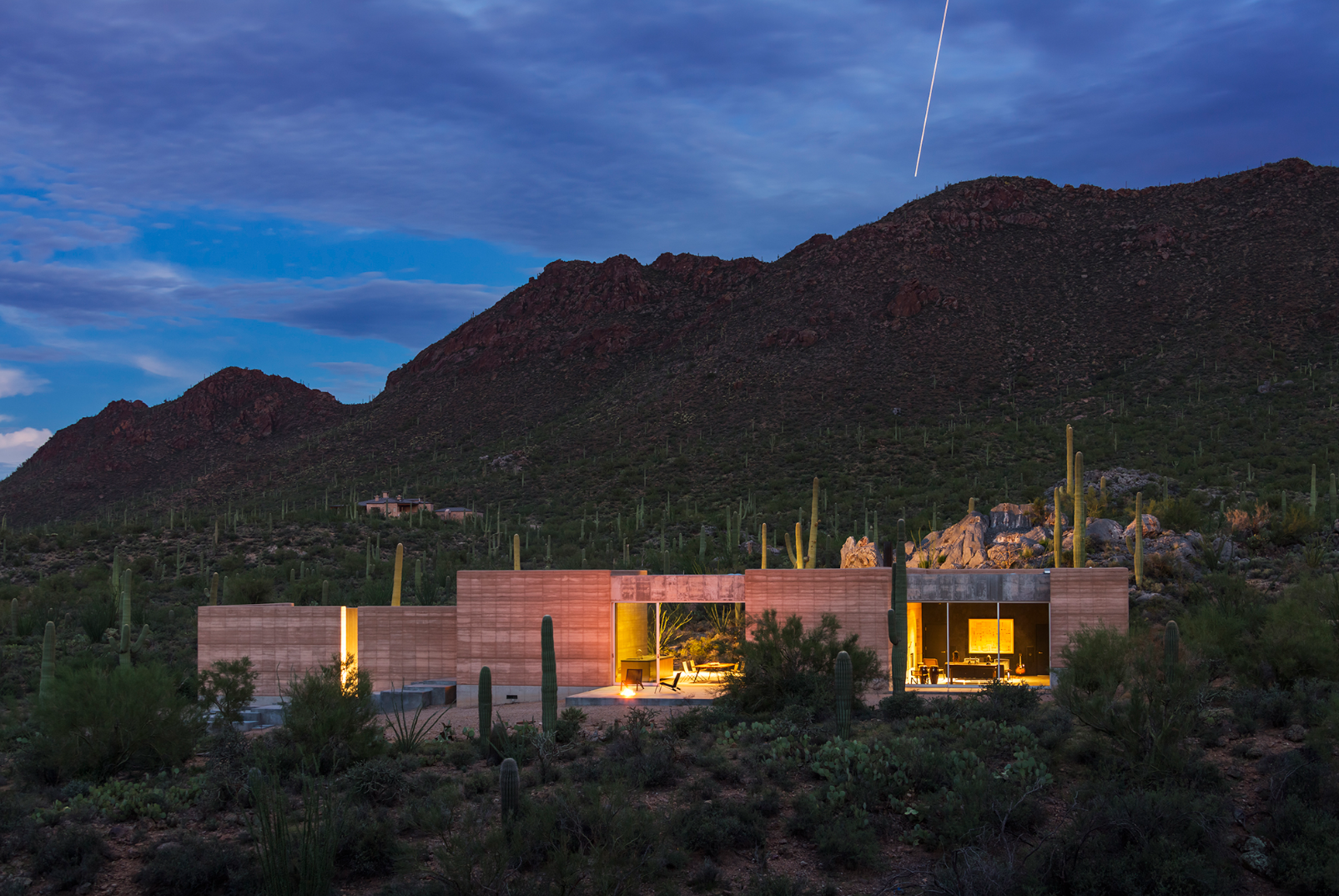
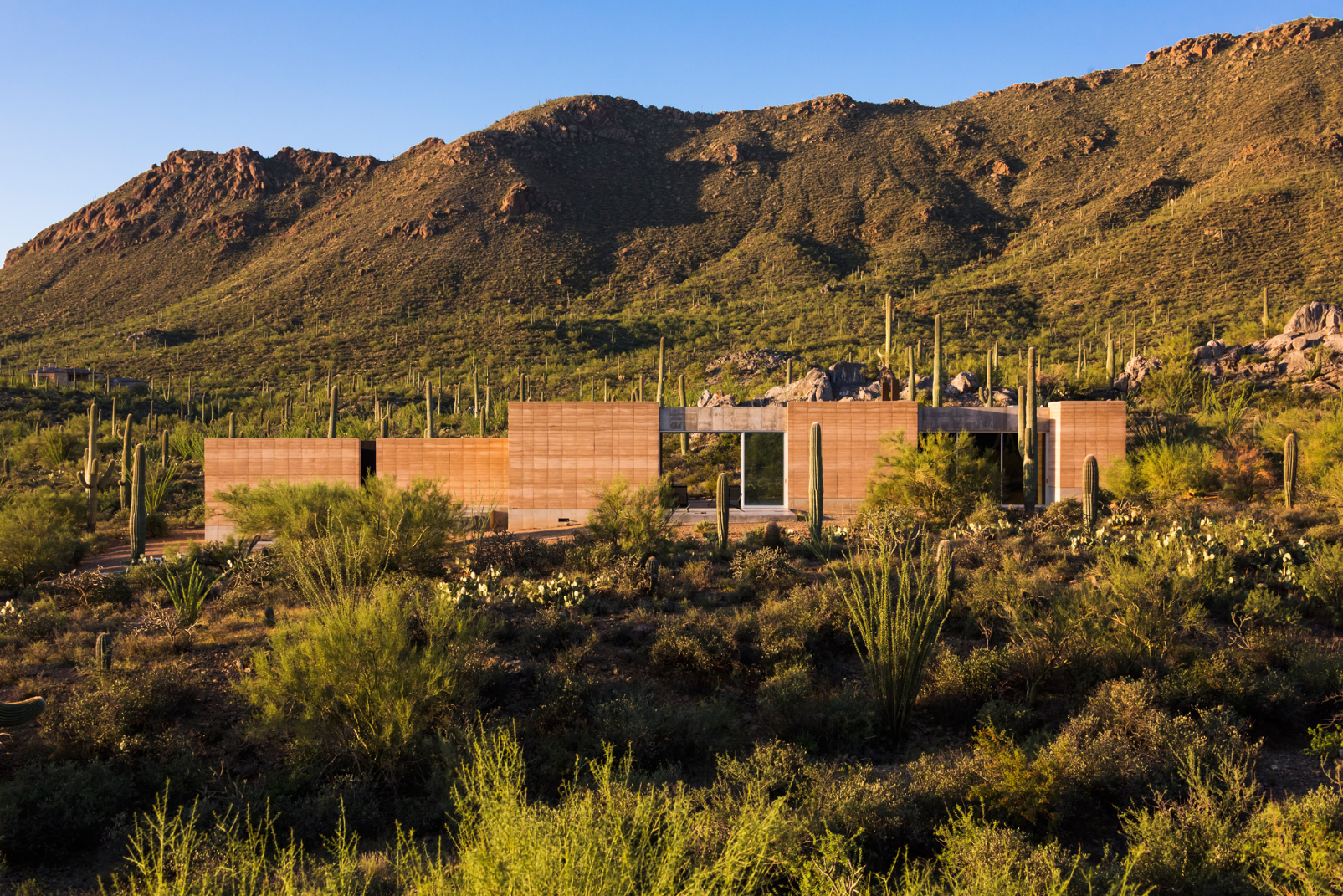
The project was designed by DUST (Design, Undertaking, Space, Territory), led by architects Cade Hayes and Jesús Robles. Completed in 2012 in the Tucson Mountains, Arizona, the approximately 2,300-square-foot residence reflects the studio’s commitment to material authenticity and desert-responsive architecture.
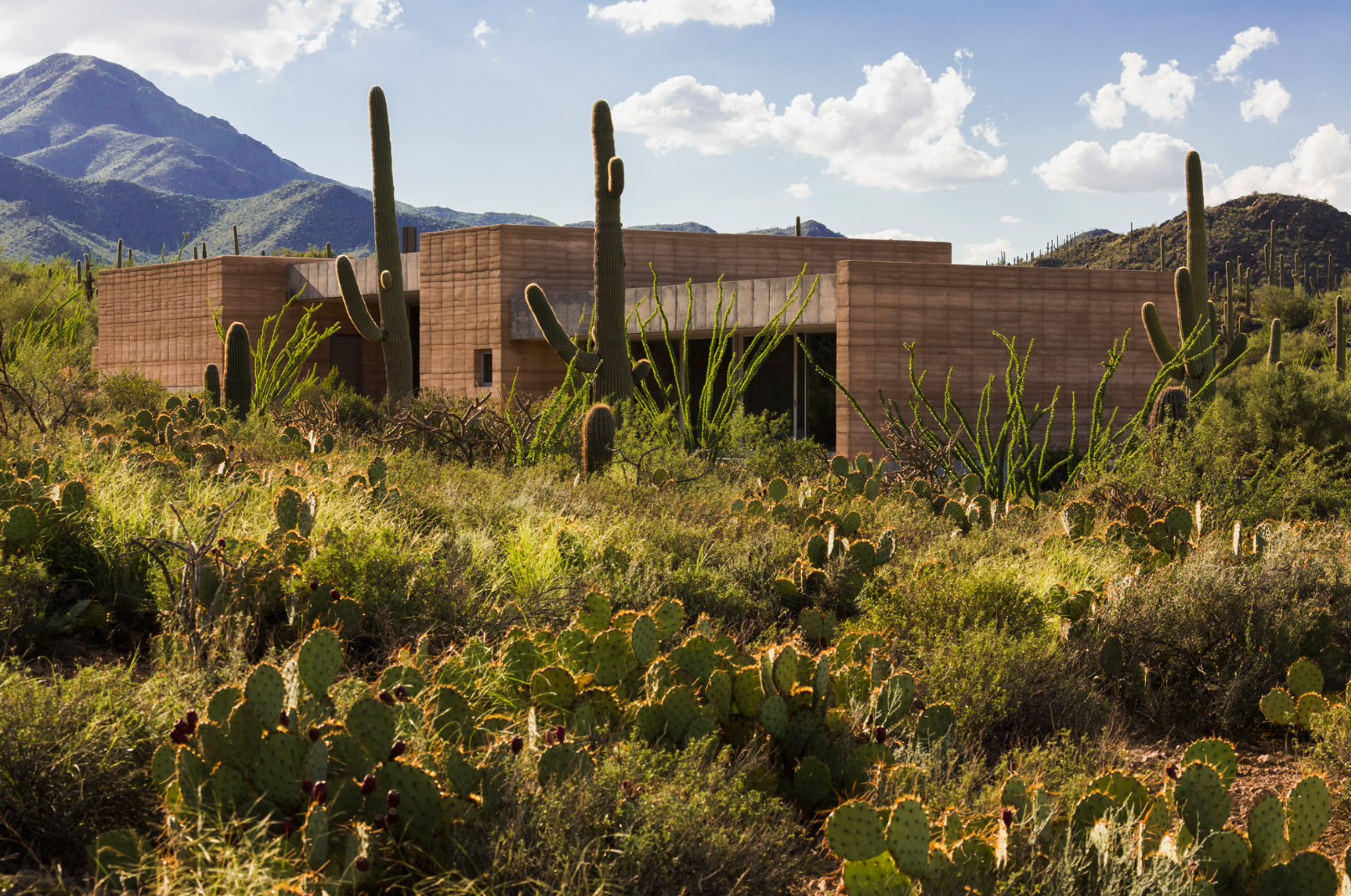
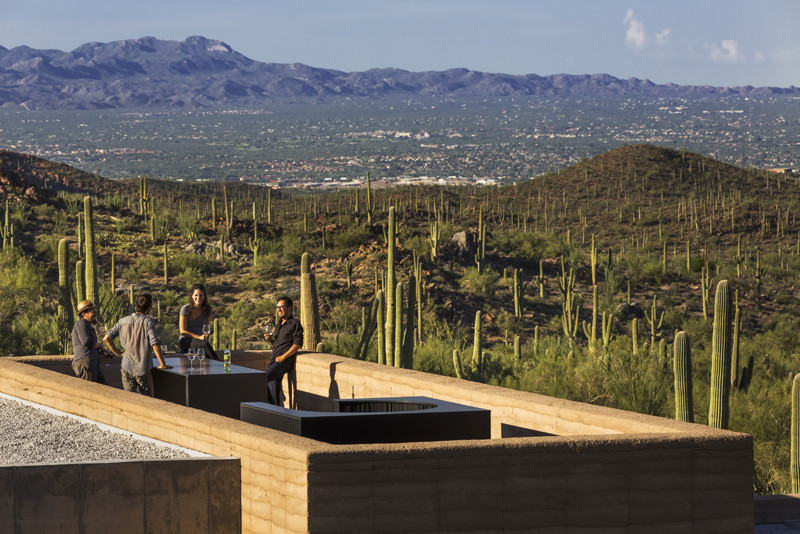
The Tucson Mountain Retreat is located along more than 900 feet of shared boundary with Saguaro National Park, embedded within the rugged and ecologically sensitive Sonoran Desert. Surrounded by dense stands of towering saguaro cacti, the site conveys a profound sense of stillness and geological permanence. The architecture responds not as an object placed upon the land, but as a form shaped by its climate, light, and topography.
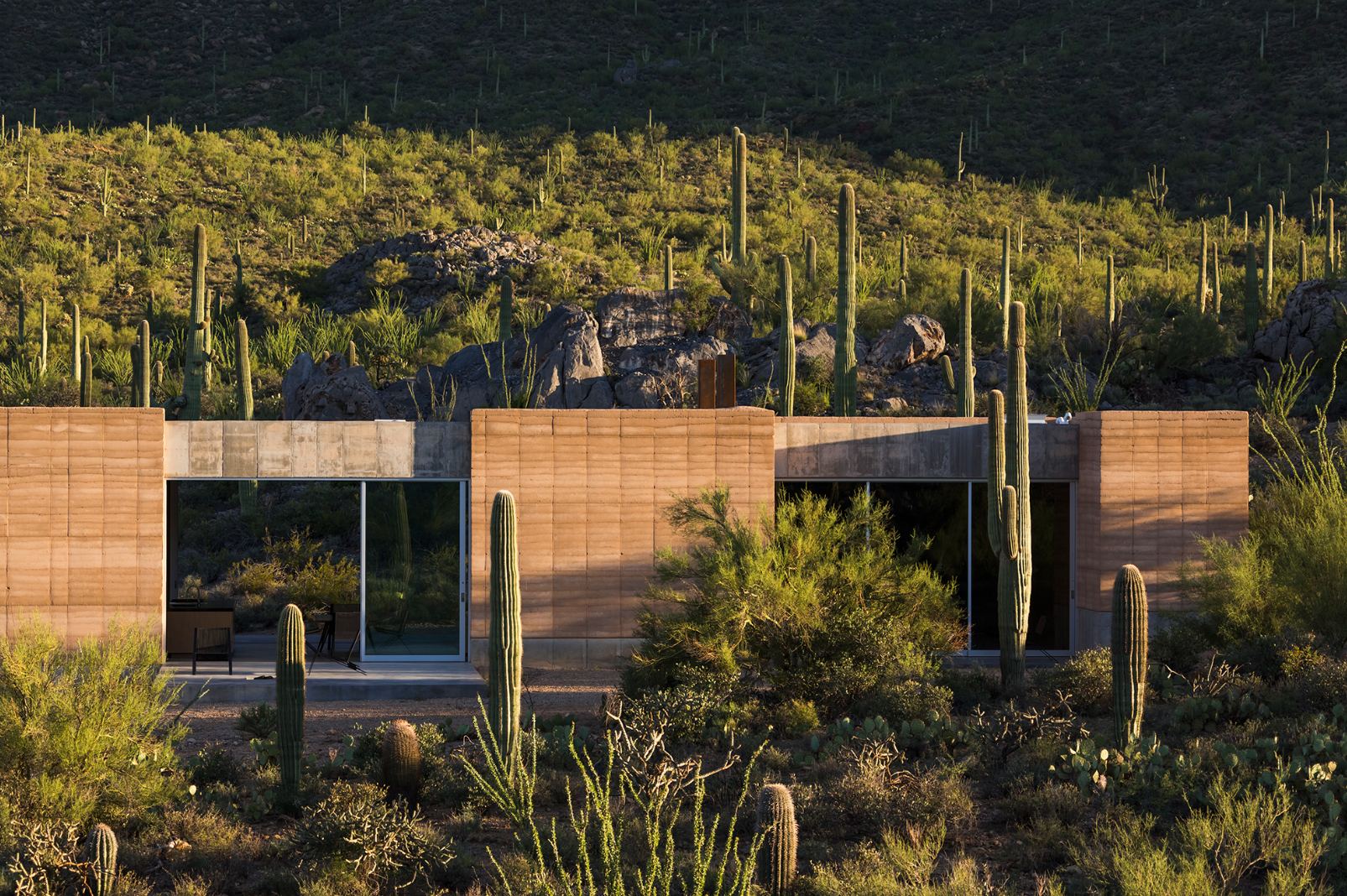
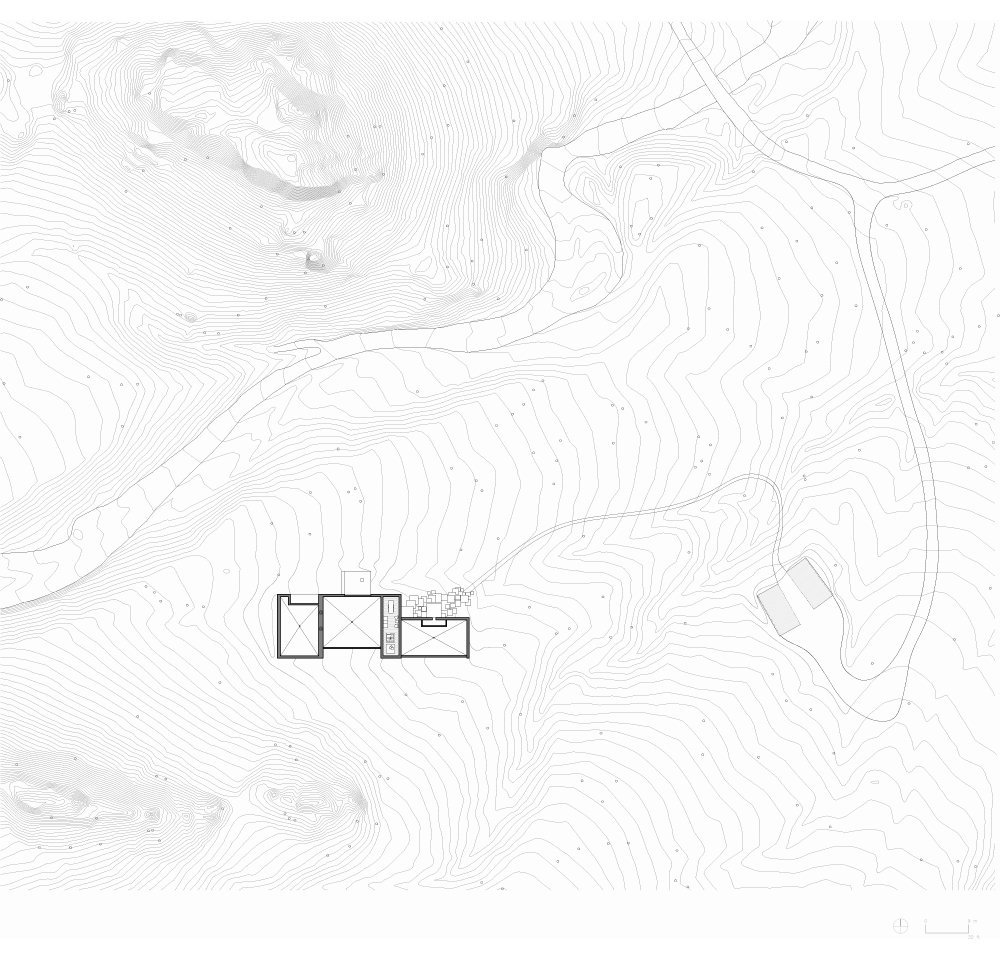
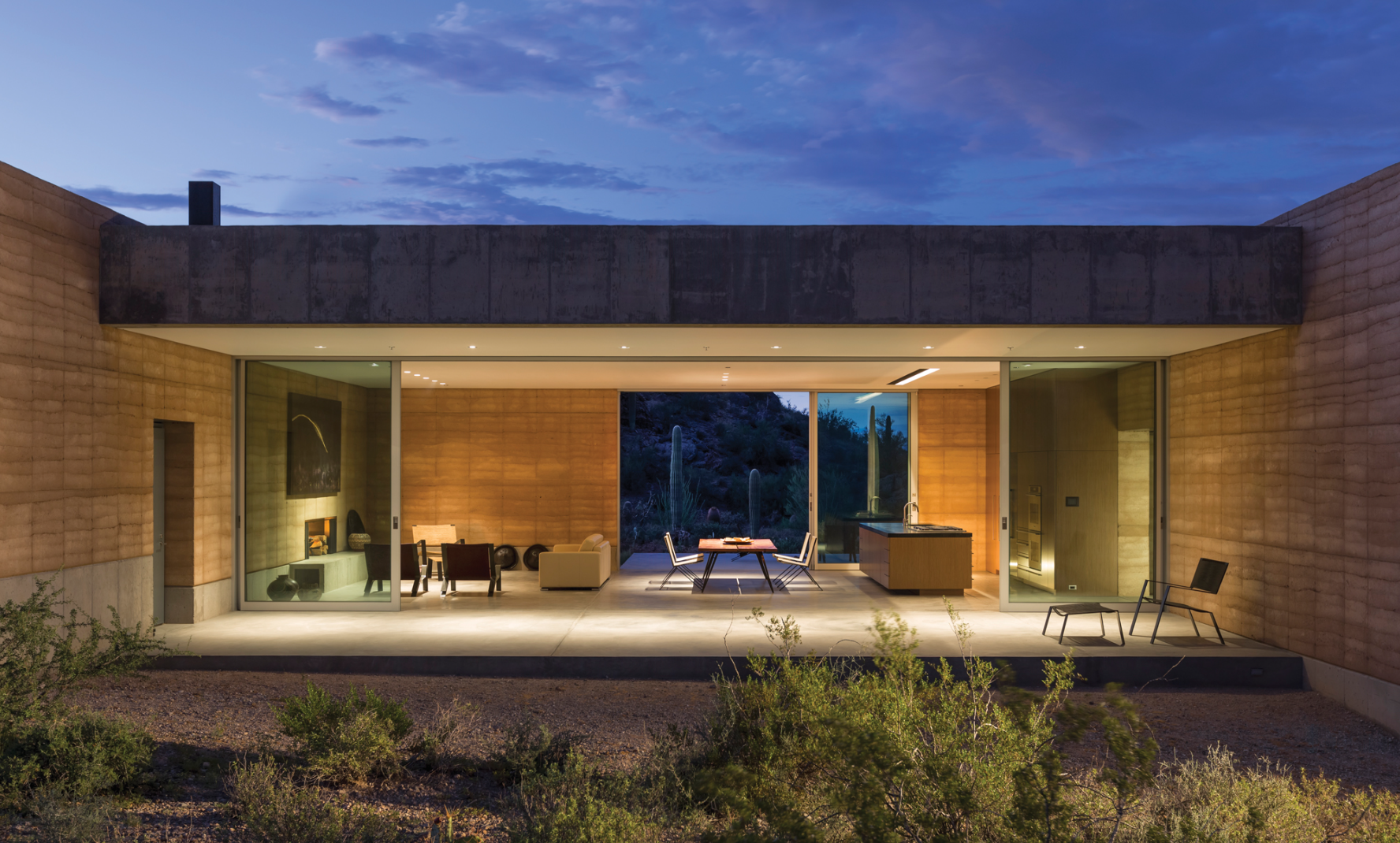
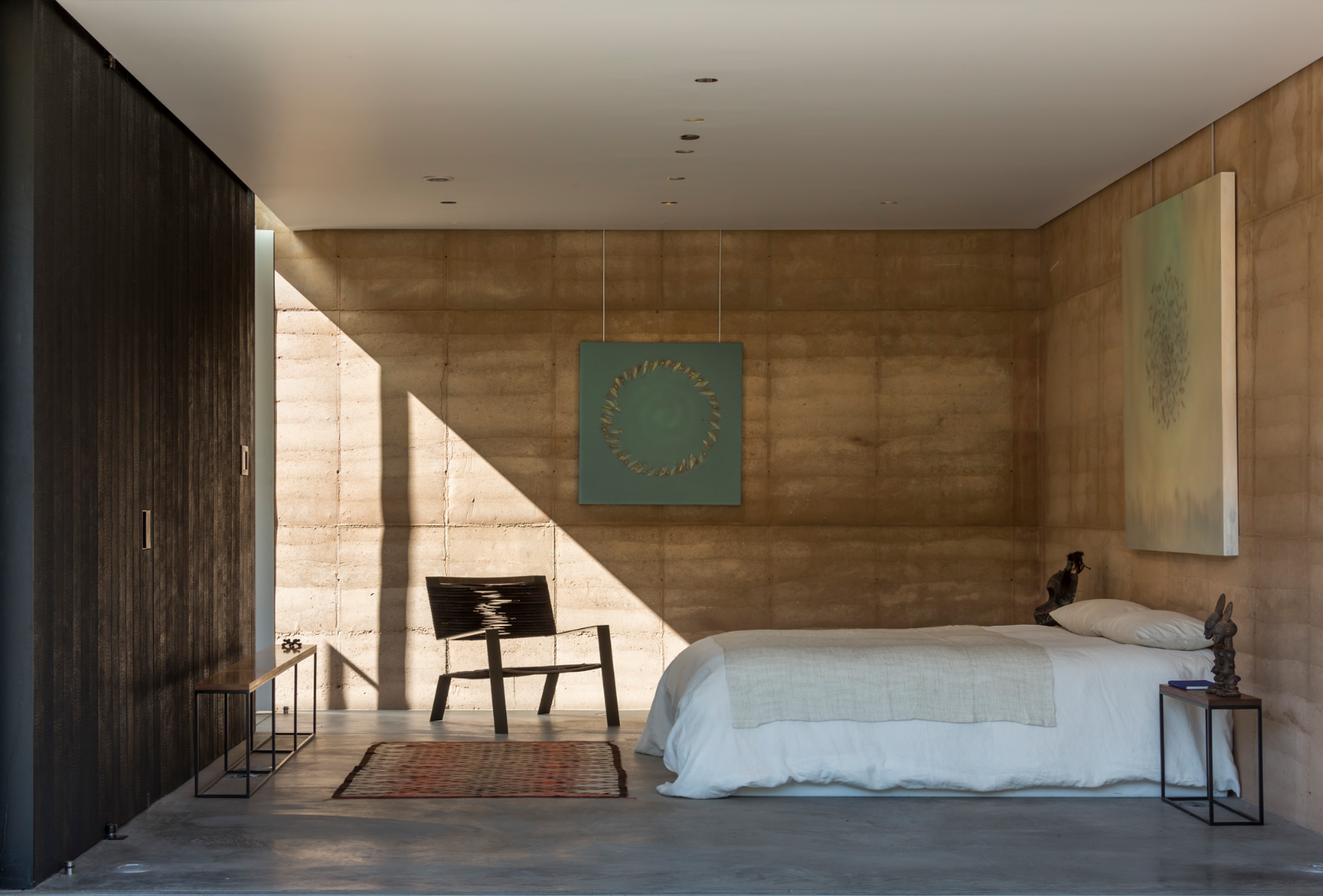
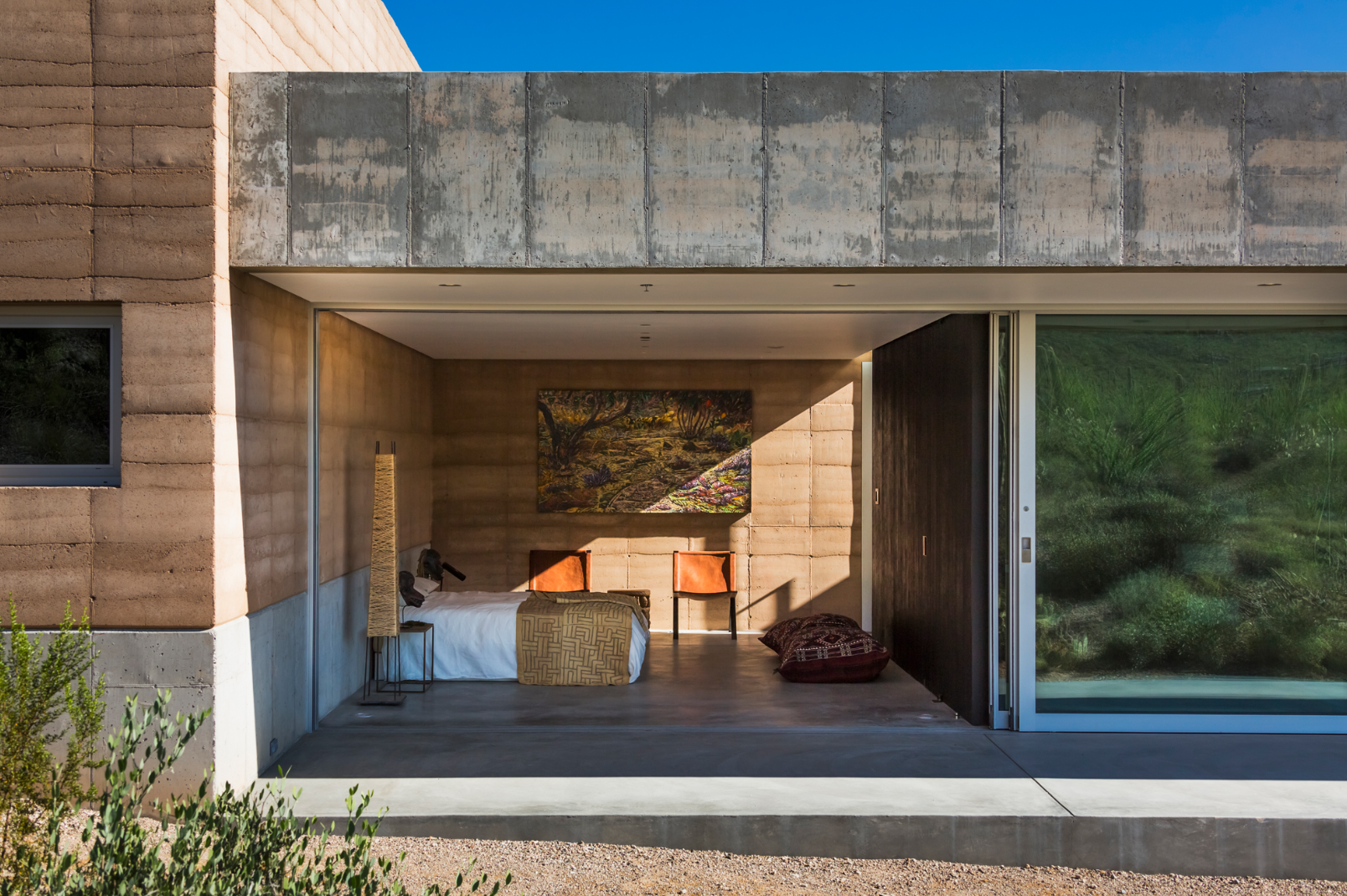
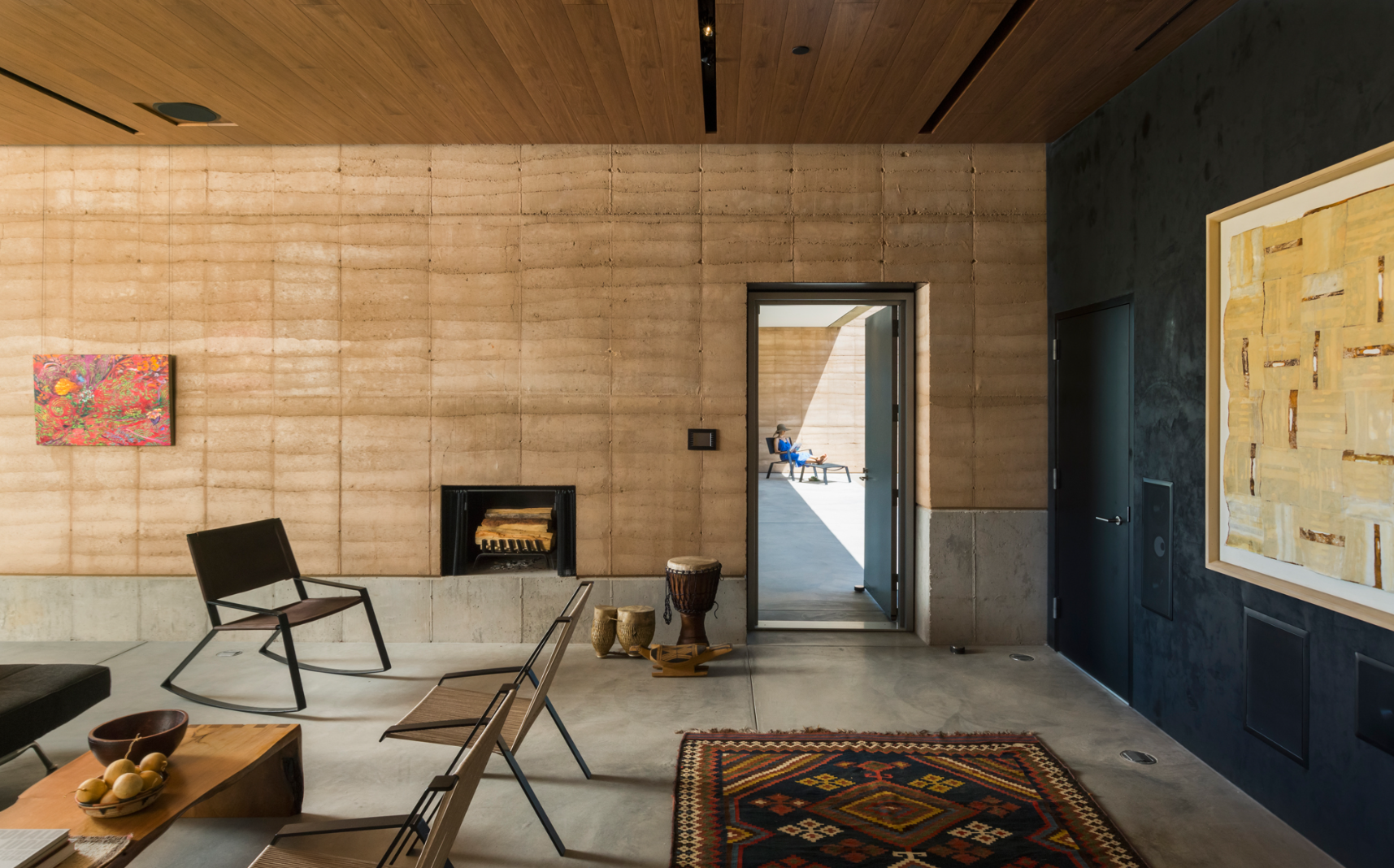
Conceived as an experiential rammed earth residence, the project approaches the desert landscape with restraint and reciprocity. The muted tones and layered texture of rammed earth define a restrained program that opens generously toward the horizon. Circulation sequences deliberately extend outdoors, folding landscape into daily life. Shifting desert light, filtered views, and seasonal changes become active participants in the spatial experience.
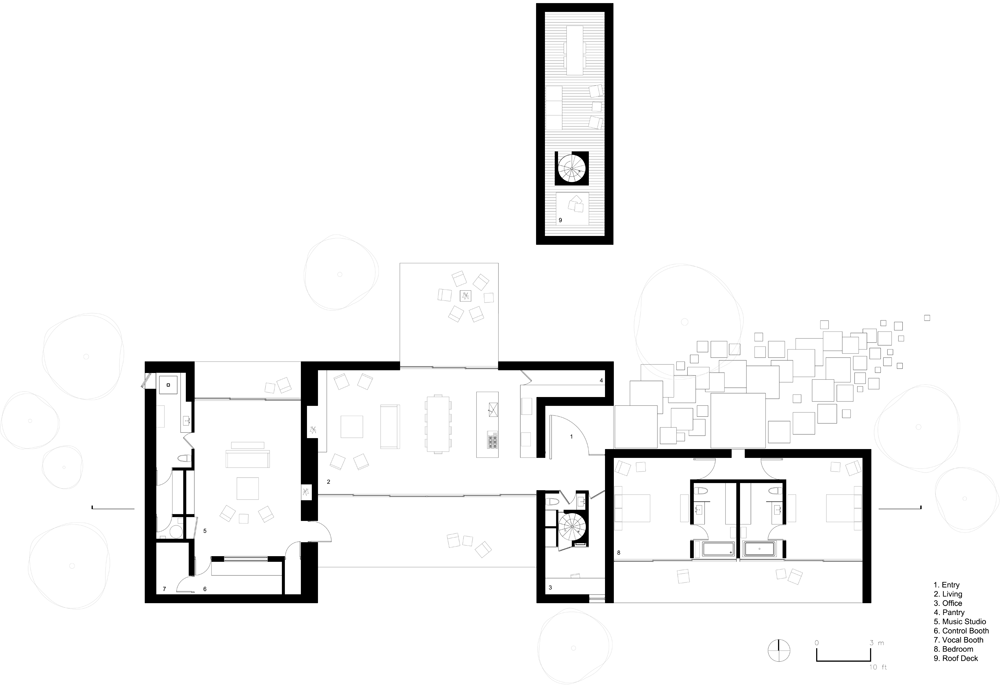
The clients—a physician from San Diego and his wife—sought both reconnection to the desert landscape and a space that supports music as an integral part of daily life. The program includes living spaces, bedrooms, and a dedicated music studio. A clear separation strategy organizes these functions to enhance site integration while ensuring acoustic isolation between the studio and private areas.
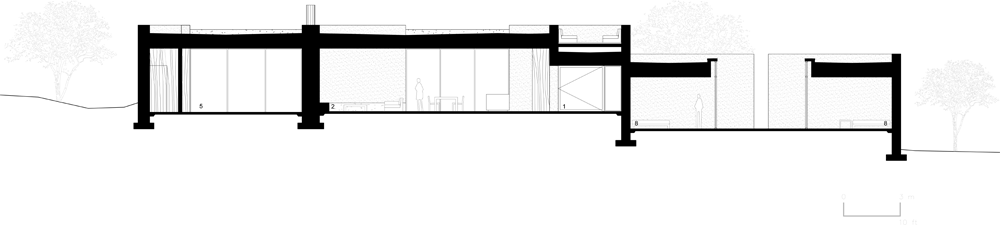
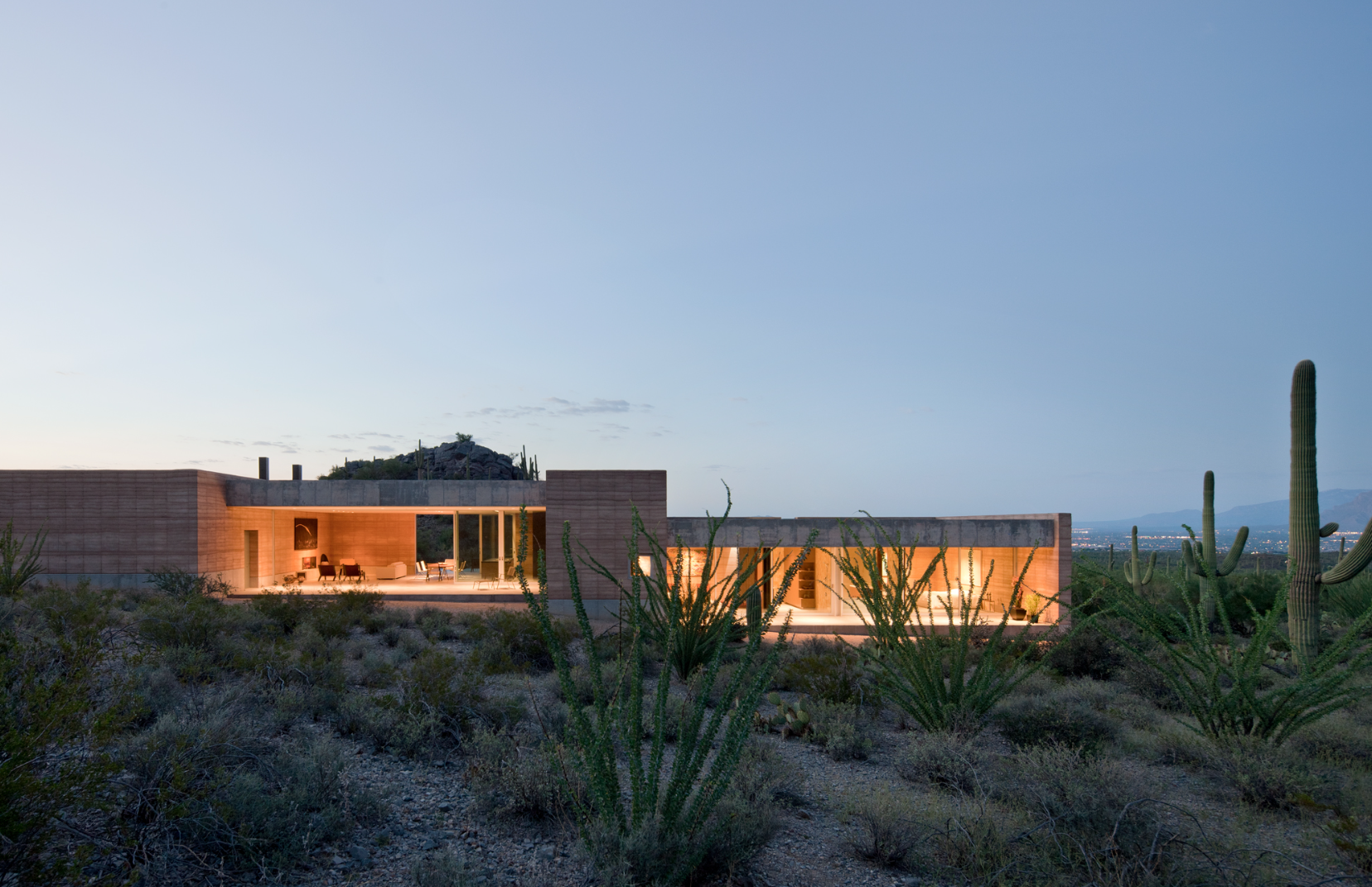
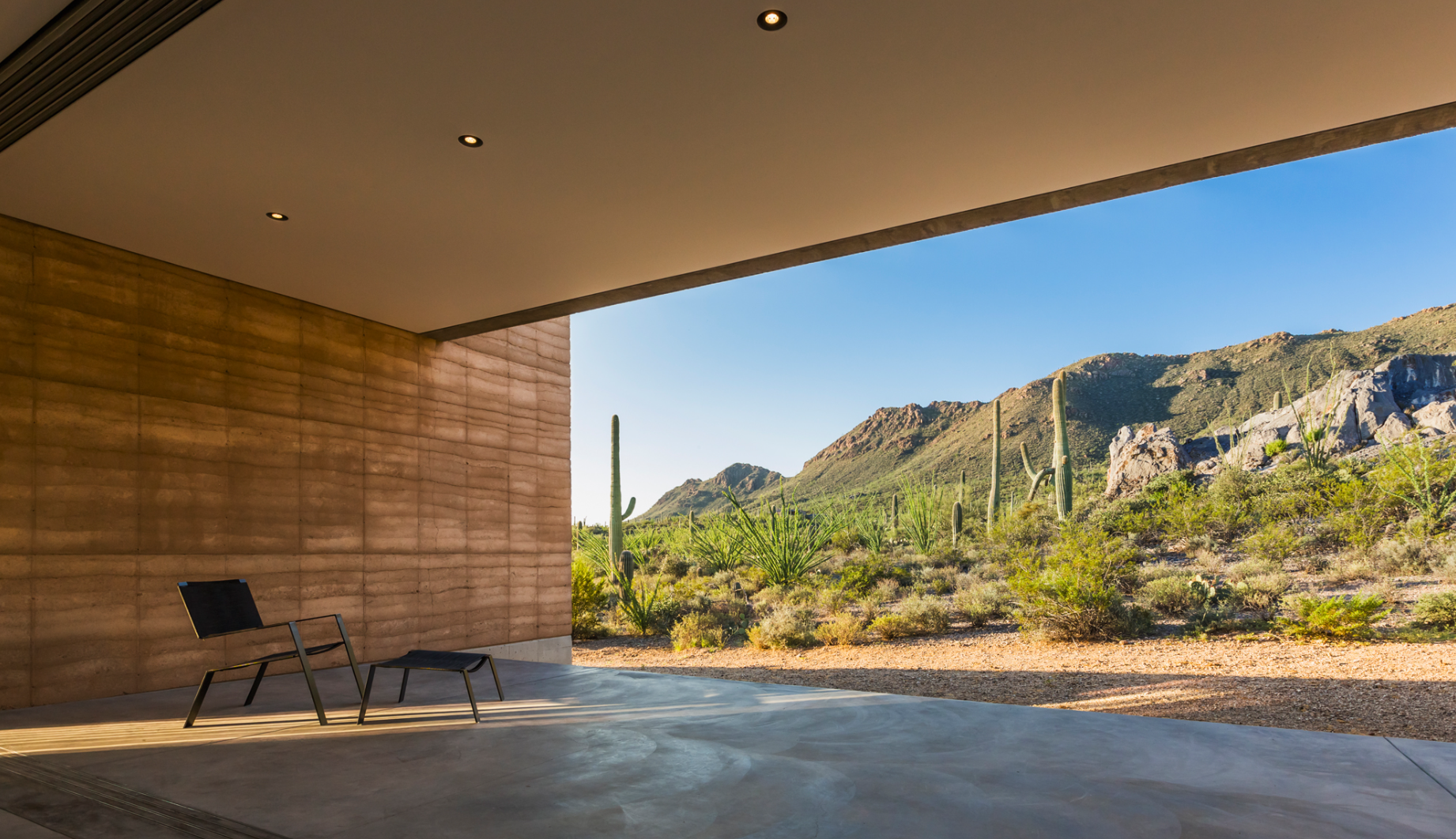
The structural system integrates load-bearing rammed earth walls with concrete and steel elements, while large operable glazing systems frame expansive views of Saguaro National Park and facilitate cross-ventilation.
Arrival is marked by a sequence of fractal concrete cubes that offer an open-ended path toward two separate entries: midway up the ascent, a narrow slit marks the bedroom entry, while a dark square void defines the main entry.
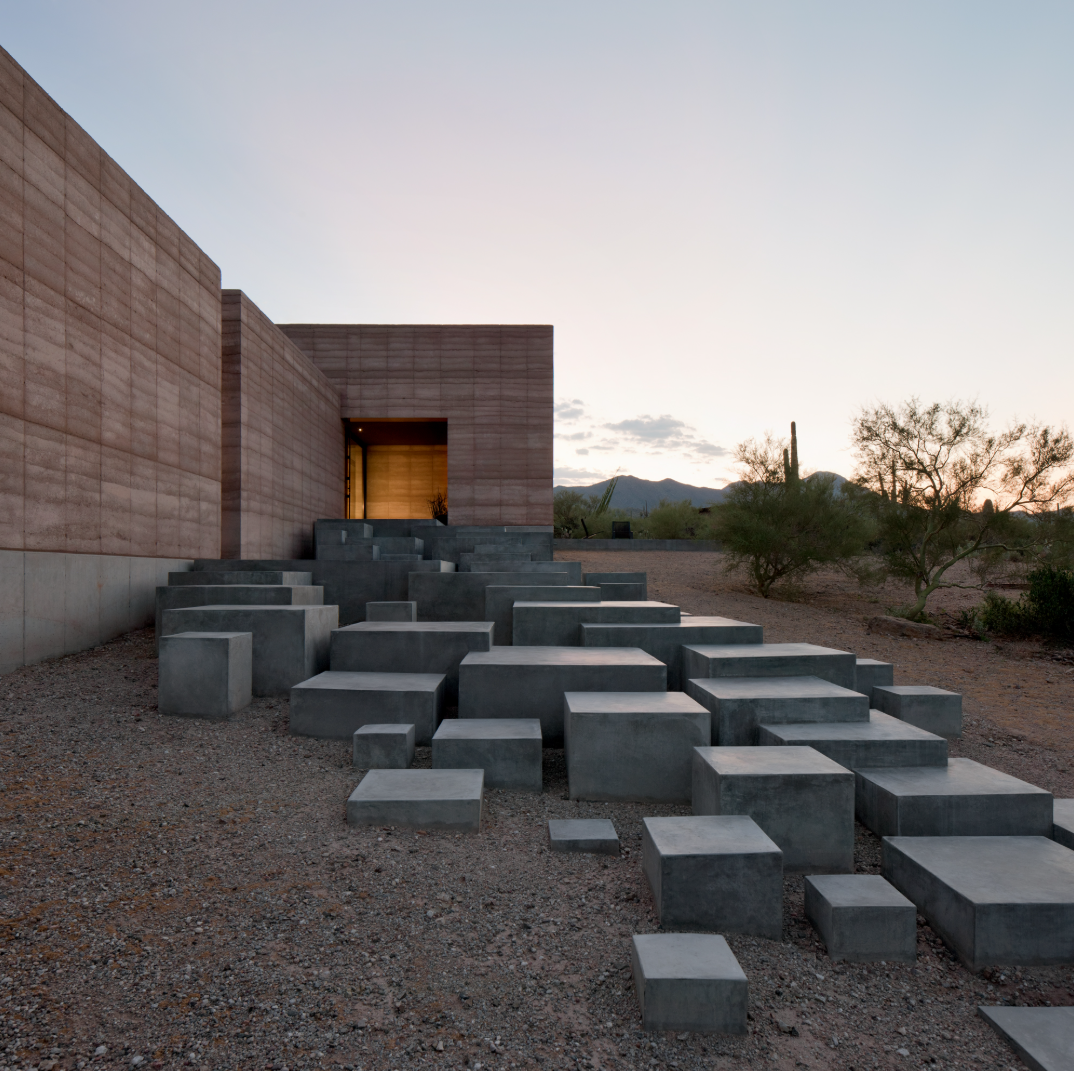
Rammed earth walls traverse the plan, dividing it into three primary zones while providing thermal mass and acoustic buffering. The central living space, open to both north and south, acts as the core of the house and as a transitional buffer between the music studio to the west and the sleeping quarters to the east.
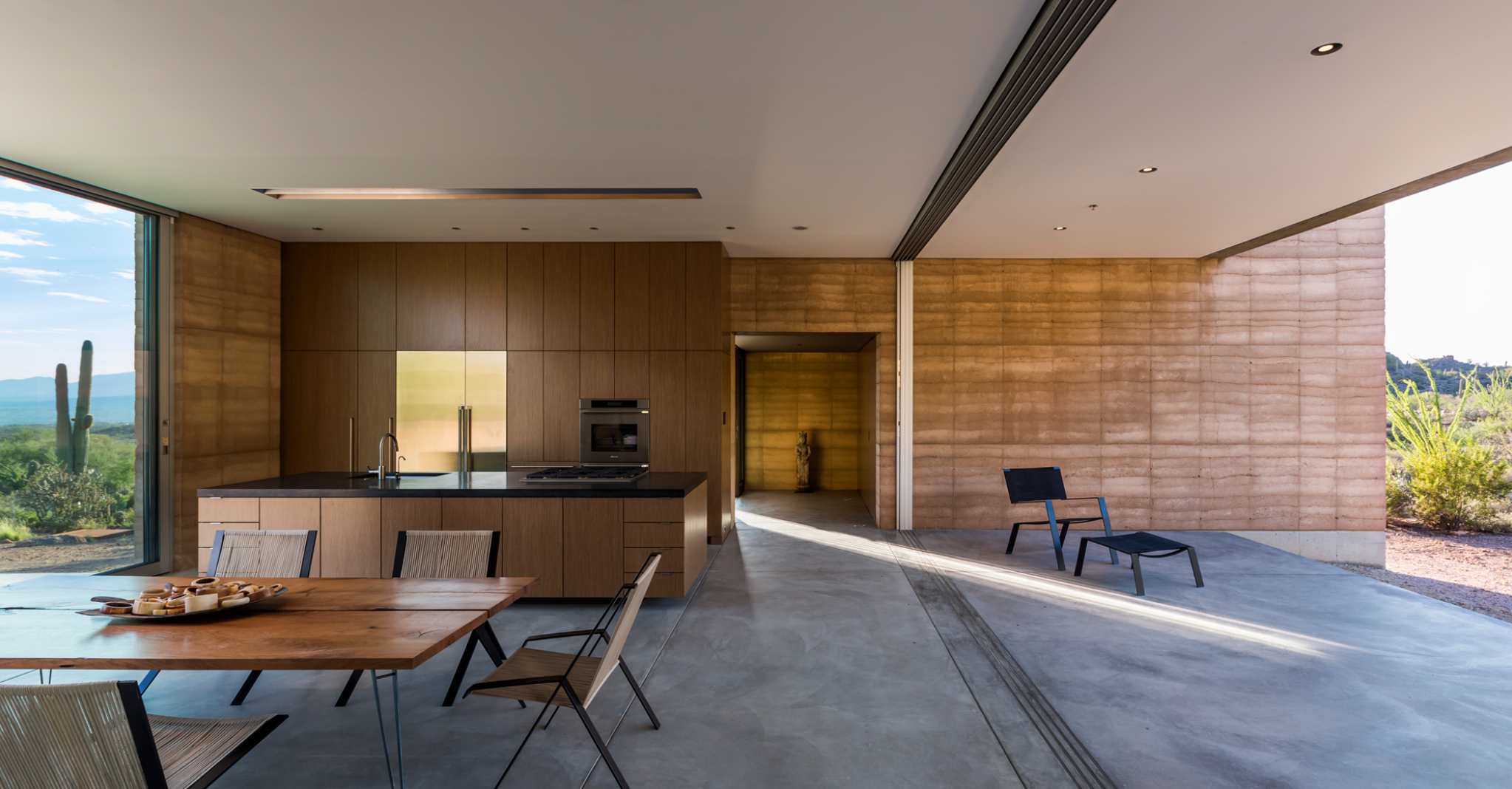
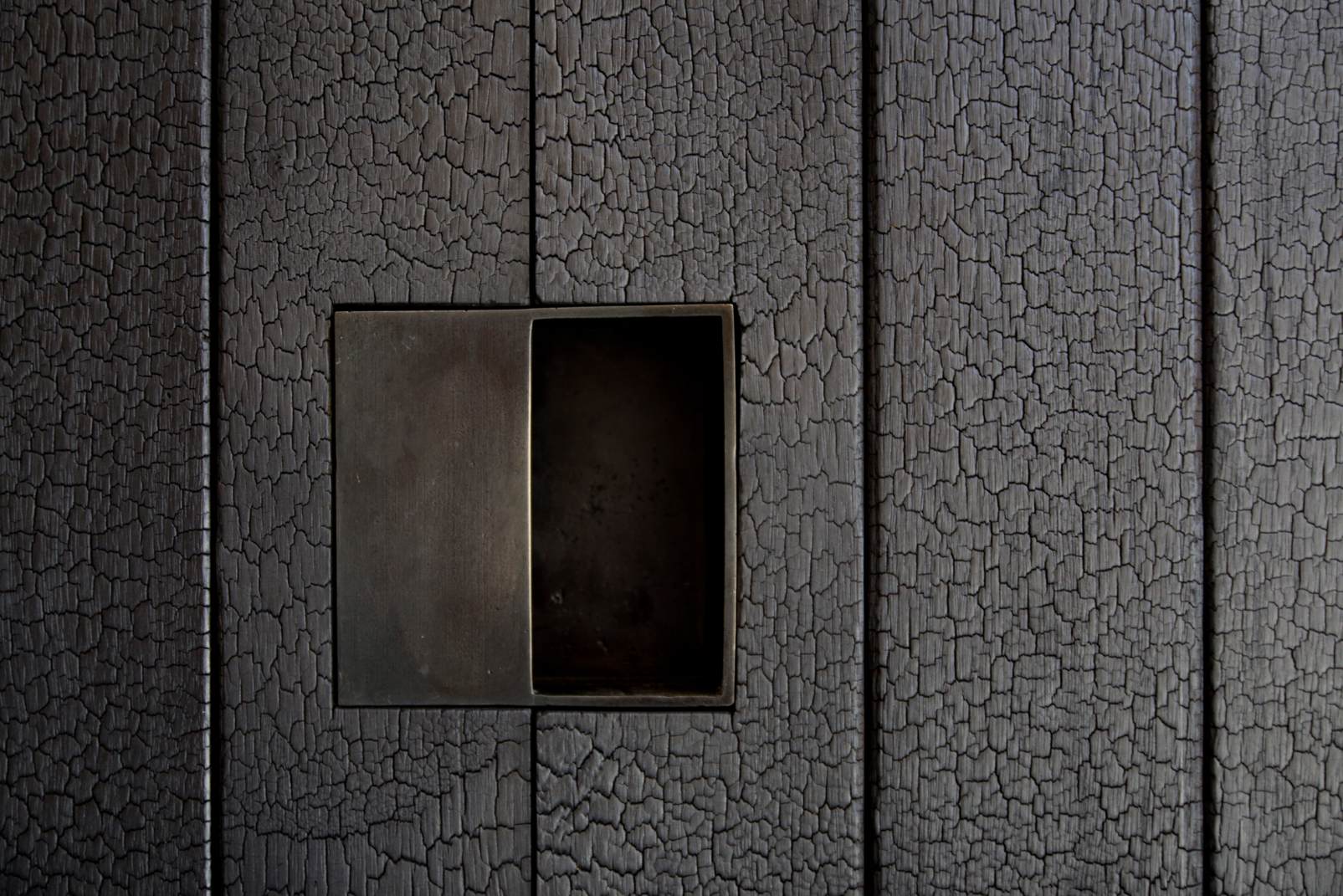
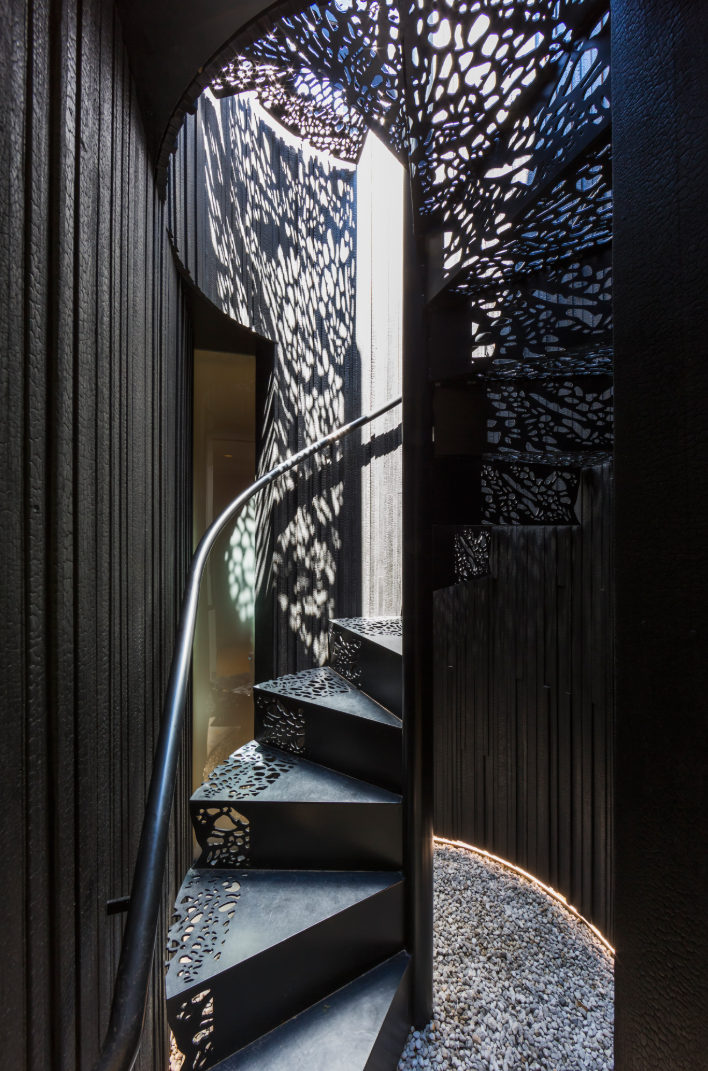
Material and sensory engagement are central to the design. Spanish cedar introduces warmth and scent in the bedrooms, while charred wood surfaces in the bathroom core evoke the cracked textures of a drought-stricken desert floor.
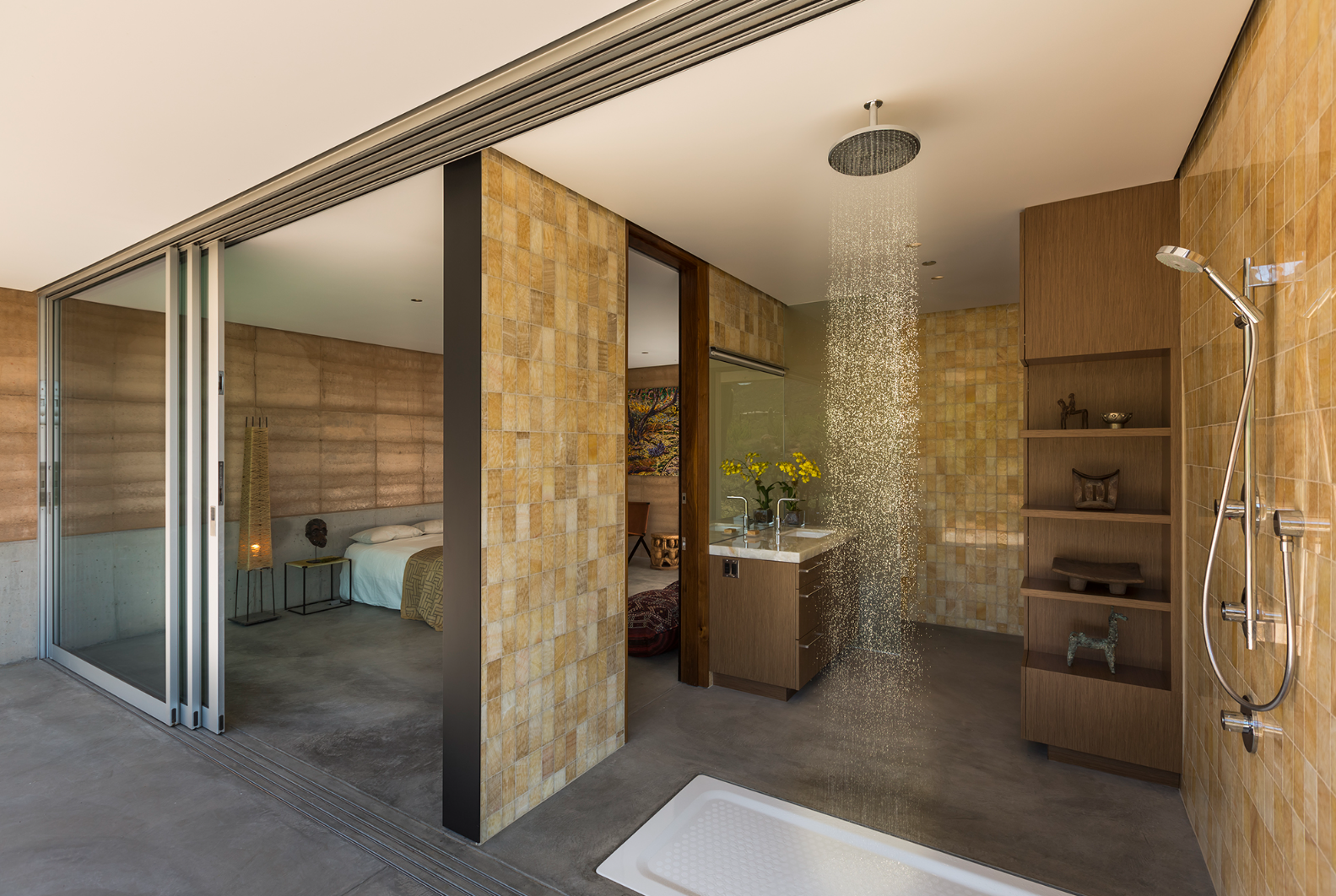
Each programmatic component is accessed via exterior passages, encouraging repeated engagement with the landscape.
Above, a spiral stair leads to a roof deck oriented toward expansive desert views and night skies.
When large sliding glass panels retract, the house dissolves into a shaded, ramada-like pavilion, animated by wind, scent, and the changing desert light.