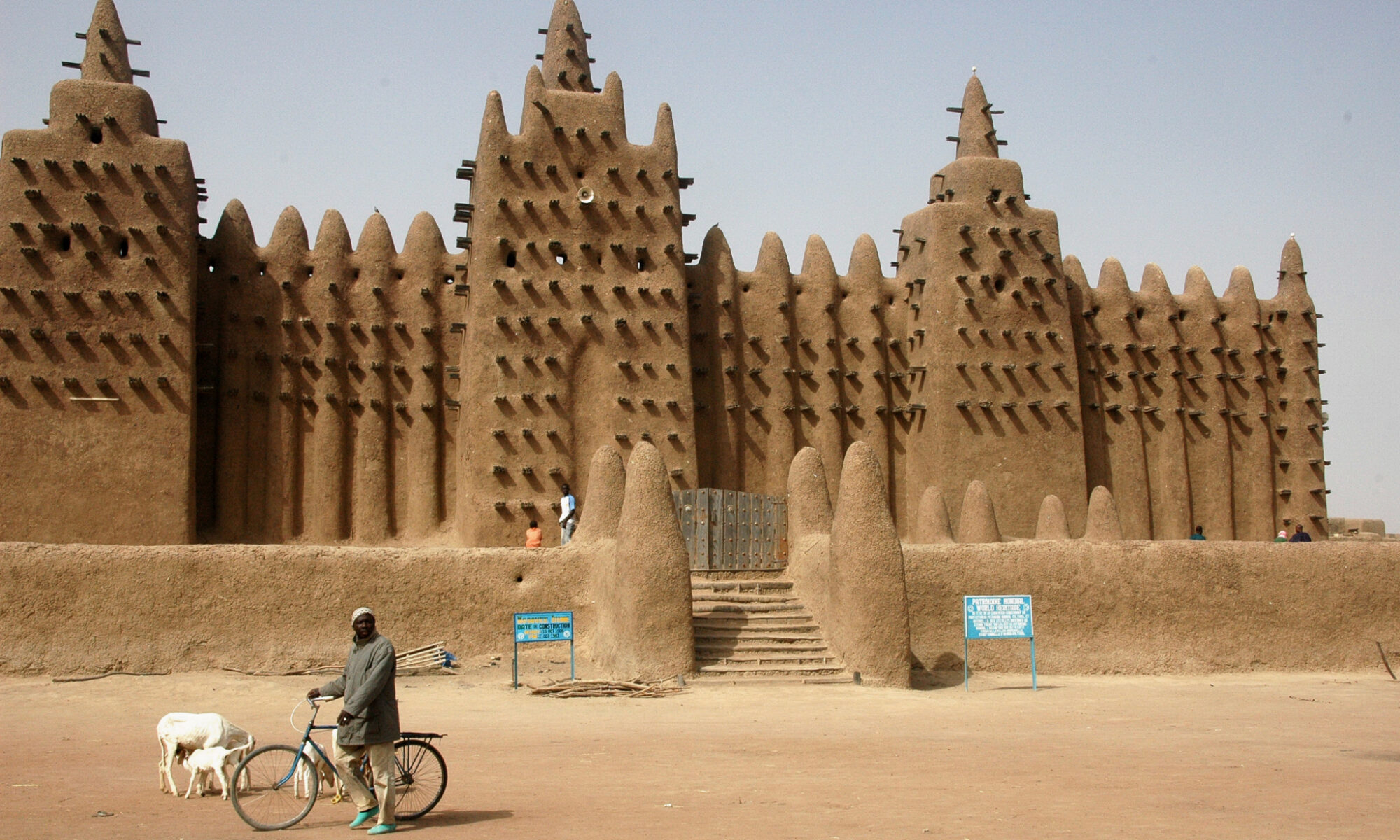
Cob in the UK and Ireland – England and Wales
Historical Context-13th Century-15th Century
In the 13th Century, Cob first established as a basic technique in the UK began to evolve in practice for many years. As the development of homes changed over time cob developing into the framework of a more industrialized society in the 15th Century. This became a normal form of buildings utilizing various material mixes for more solid mass use. Established mainly in certain regions like Devon, Cornwall, Somerset and parts of East England, as well as Wales. Historically, various forms of architecture were also established in the adjacent country of Ireland where sod houses and thatch cottages which were more common practices. Along with the UK cob houses materials were used similarly in tangent and later developed in the same fashion. Location in context worked well with the mild maritime climate, clay rich soil and easily accessible materials.

Cob House in Devon England built in 1536
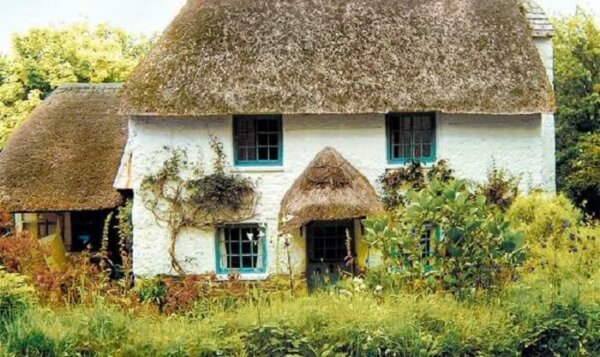
Cob Home in the West Country UK

Penrhos Cottage Wales 200-years-old

Phe’s House in Kilkenny Ireland
Building Techniques and Materials
Material
Historically, cob was more common in England and Wales the sandy clay material of the natural environment was a more viable option considering that stone and wood were less accessible. This allowed various mixtures to form ranging from different percentages of clay, straw and water ration. In order to create a thick more workable mixture.
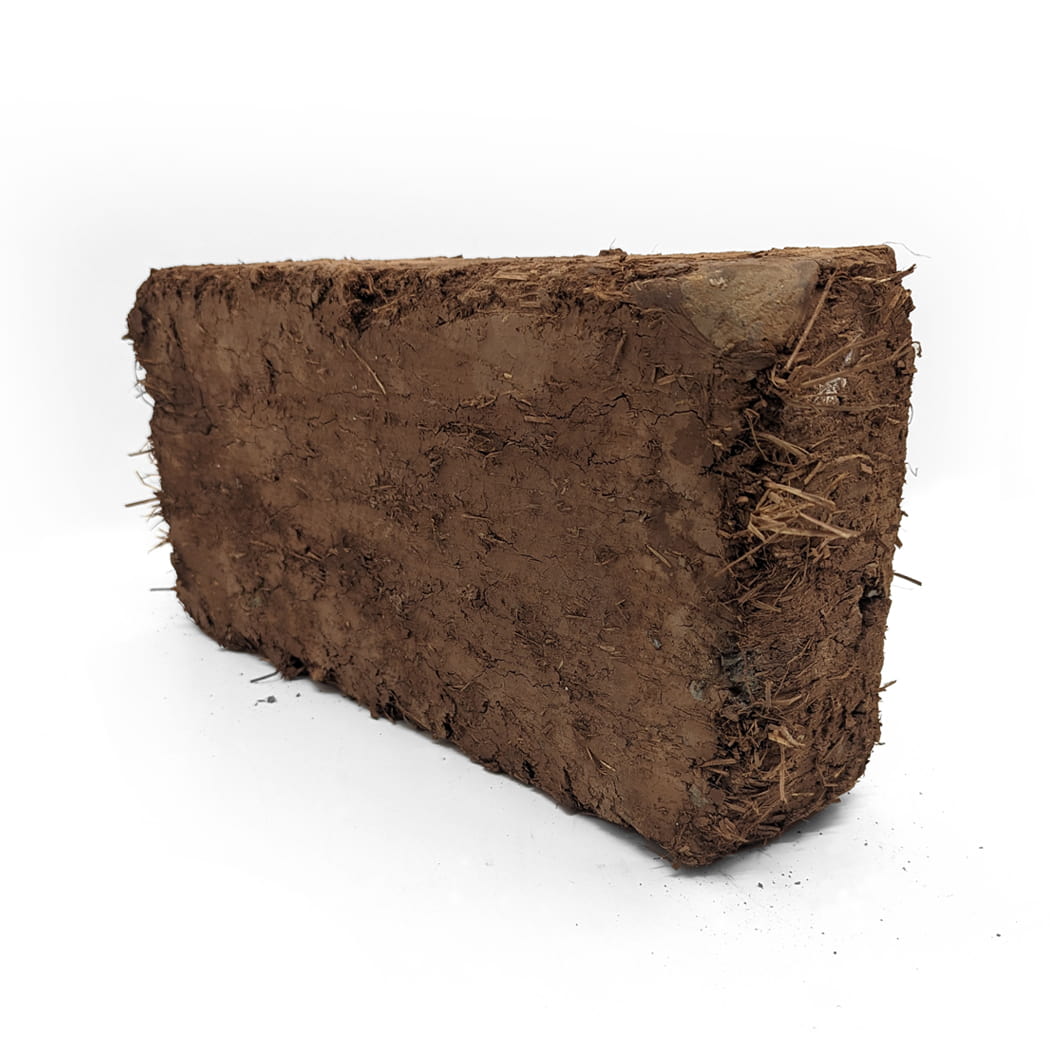
The technique primarily uses a mixture of clay, sand, stone straw and water combined with a lime mortar for durability. The form was then applied molded by hand allow sculptural forms to construct characterized architectural forms.
Cornish lime mortar is an essential material used for maintaining cob structures as it allows a longevity and stability over time. The lime mortar allows for flexibility of the structure while also preventing cracking and breakage. Lime can also be fire proofing, water resistant and durable.
There are certain forms of cob that use a chalk heavy concentrate and are know as chalk cob or wychert. This gives a distinctive natural blend of materials for the walls, consisting of most of the housing in the UK during the vernacular period.
Highly Skilled Labor
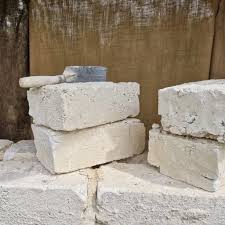
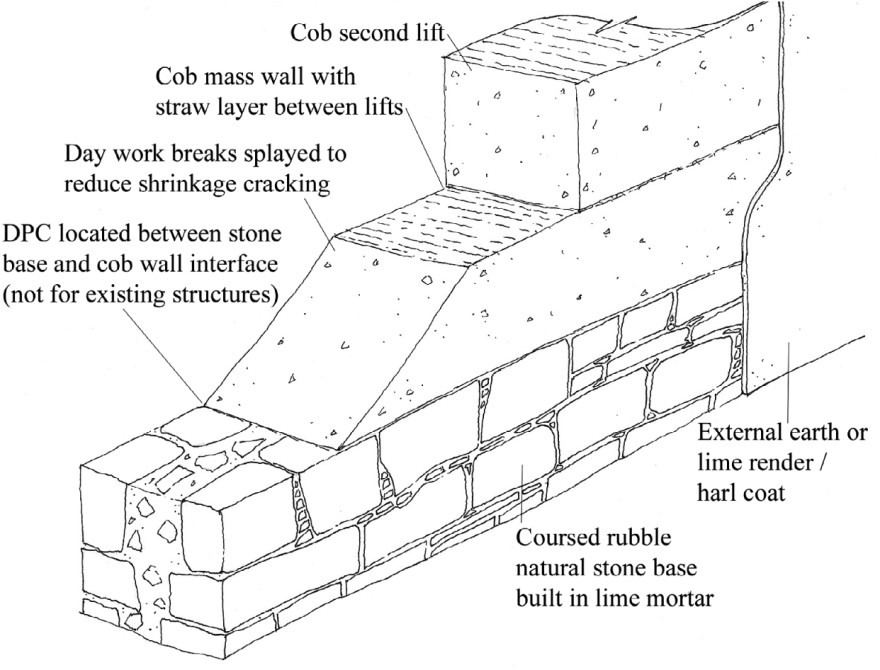
Hand shaped and compressed, highly skilled labor is required for the creation of cob walls and or cob bricks. The mixture is laid onto a stone foundation and does not require formwork or ramming. Construction would consist of building on top of another layer after drying and trimming for the next batch to be laid.
Generally about 24 inches thick, for walls and or brick forms creating spaces for windows inset, the overall thickness of the material allows a natural insulation during the day.
Longevity, Maintenance and Sustainability
Longevity
Still being used in practice today the longevity of the cob wall, offers a deeper understanding of the practice for breathability, prolong building life as well as establishing a lasting sustainable practice.
Considering that the construction of these buildings were created in the 13th to 19th century enough of these buildings mixtures allowed occupation of these houses to this day.
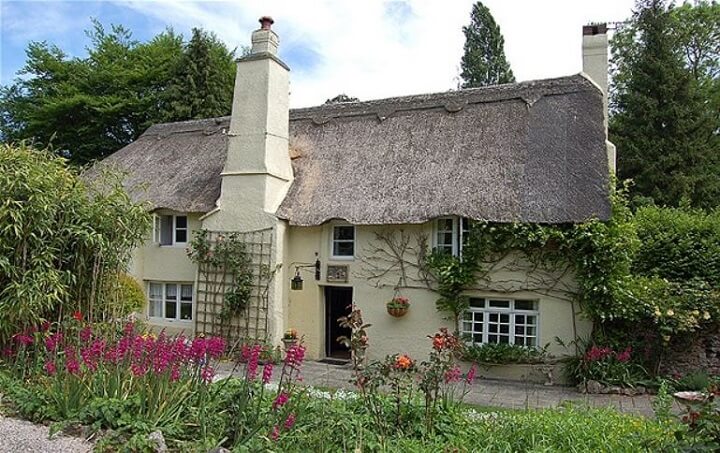
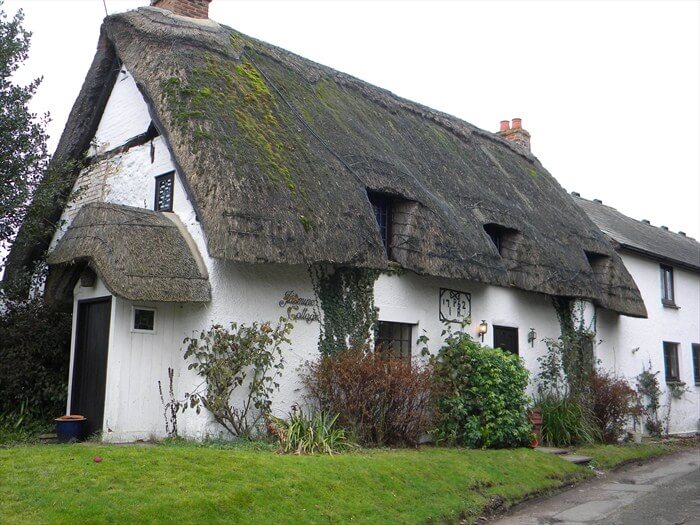
Cob Cottage Westlington lane, Diton UK Built in 1762
Maintenance
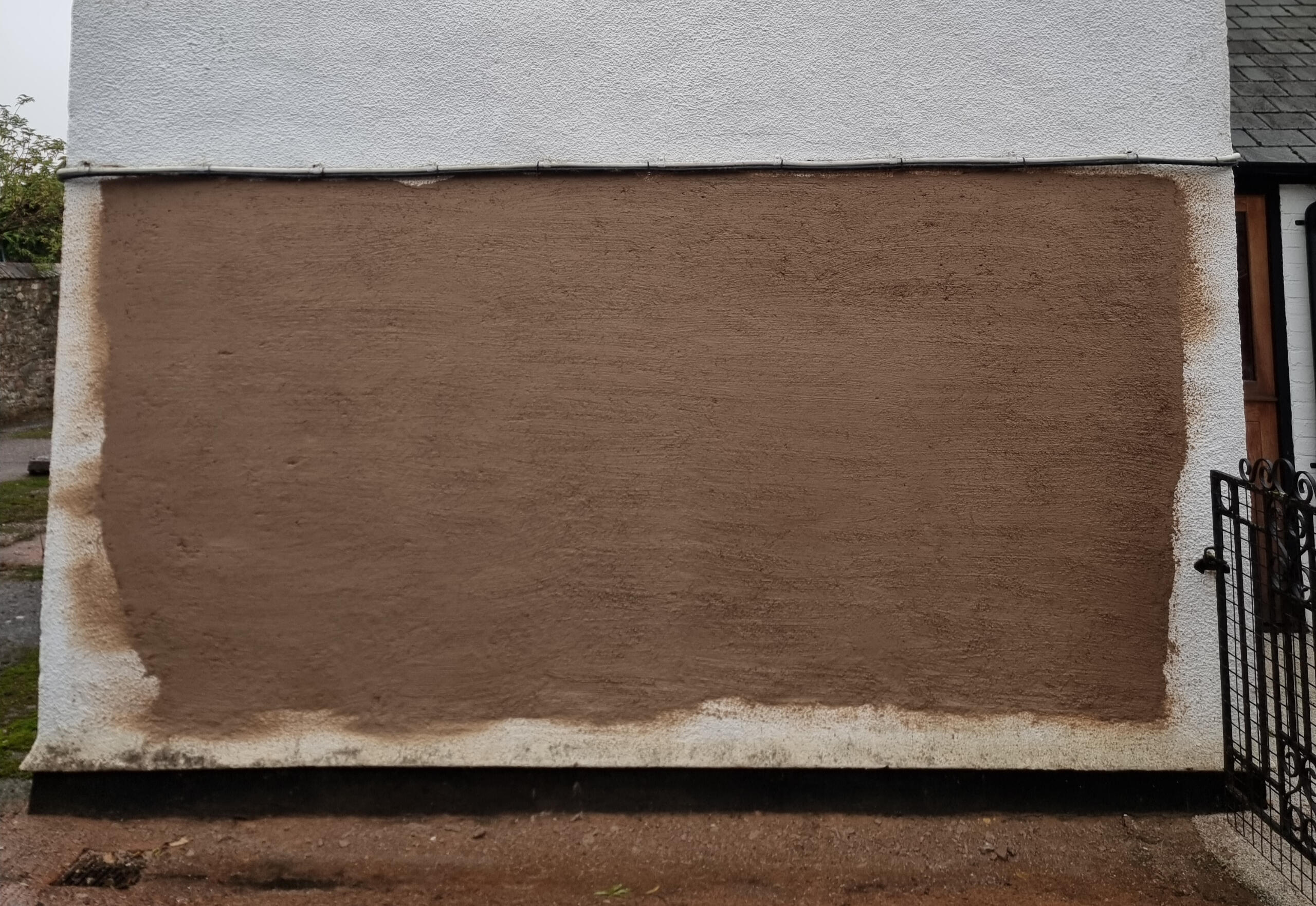
Cob wall repairs are common to not only keep up with the historic longevity but to address minor issues that arise before escalation and cracking. Some methods of maintenance include patching up areas affected by moisture as well as adding new coats of lime mortar for more stability and durability. This also helps keep out any newer moisture to prevent further decay over time. Though maintenance may be subjected to certain craftspeople it still is a viable form of building practice for eco based materials.

Sustainability
Emphasizing a breathable material and establishing the lime coat to prevent moisture, cob allows a breathable structure that can regulate the internal climate and heat within fluctuating weather. The thermal properties as well as the breathability allows faster moving heat as well as more stability of the climate in the interior.
Along with being a thermal based building the durability against various weather events including windy, rainy and moisture rich conditions make the weather resistance a factor in preventing breakage of materials and mold content.
Considering that the materials are natural it works in harmony well with the built environment. Using these materials have minimal impact on the ecosystem as a whole and can also be considered a renewable resource. It can cut back on carbon emissions for building and can also be a viable option for housing in the future.

Future of Cob in the UK
There are some craftspeople that are supporting the movement to look more into cob as a building practice for present day architecture. Bringing a contemporary use of this material there are various forms of cob that has become a more viable option for building
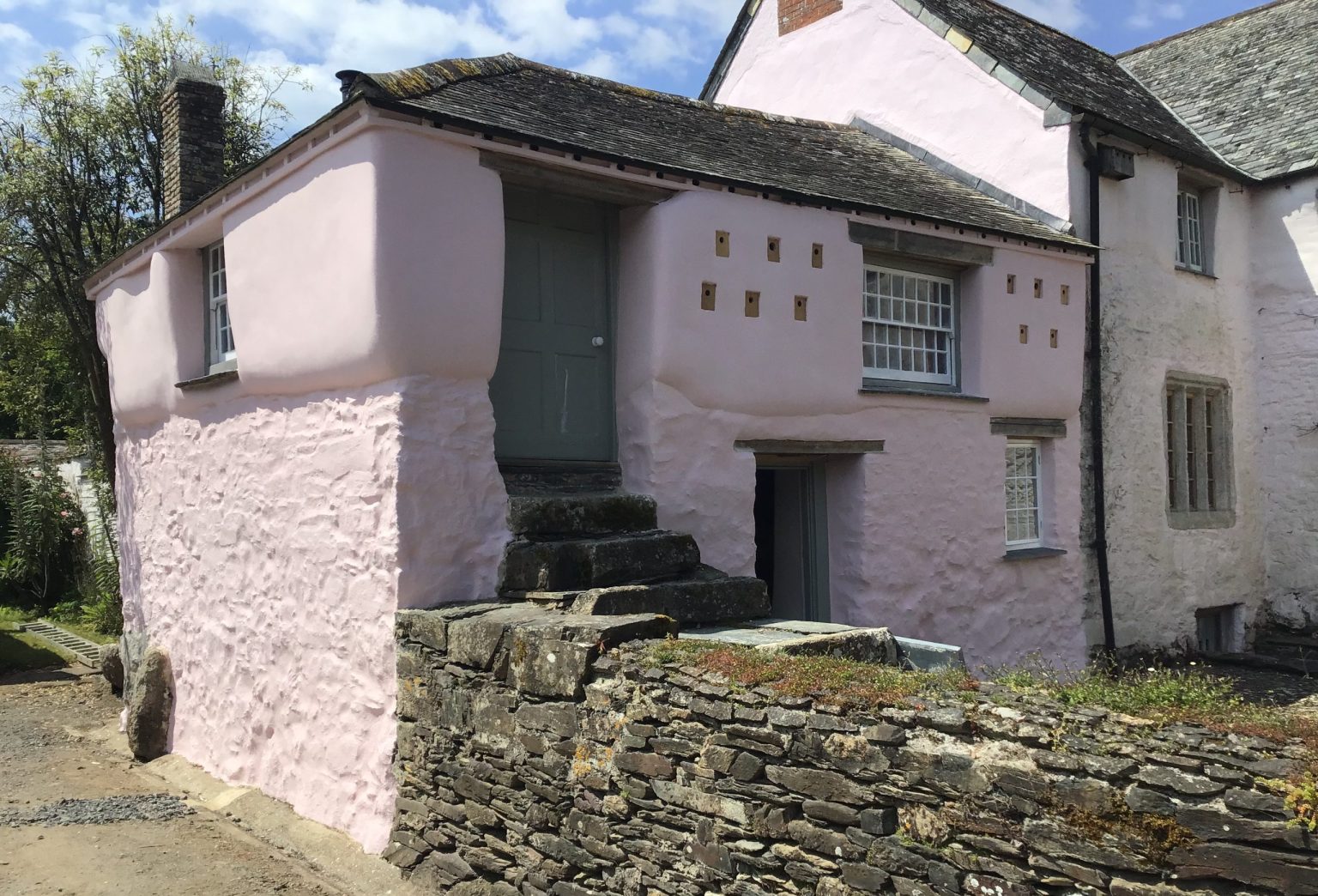

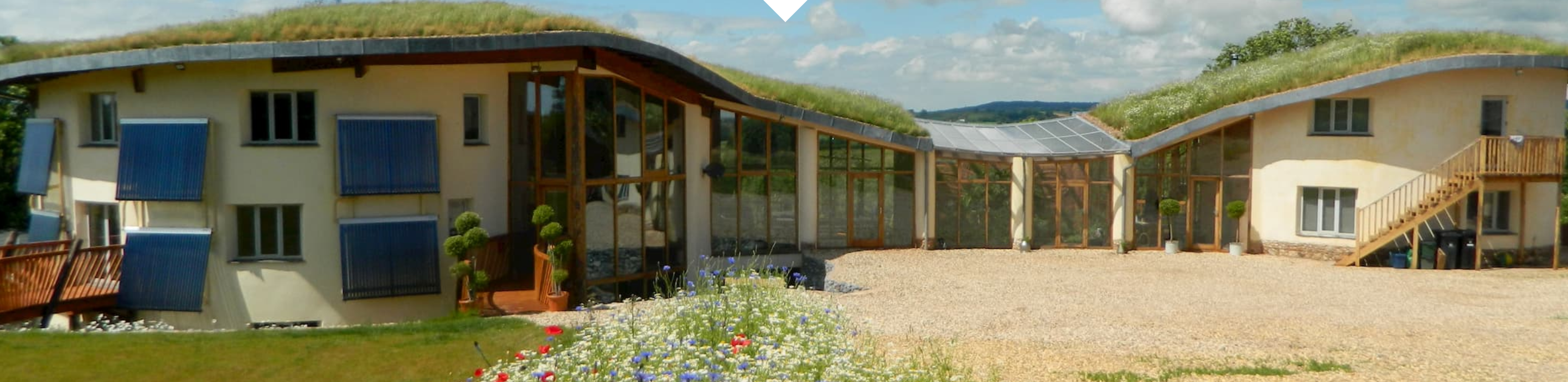
Earth Blocks- focuses on creating cob blocks as a building alternative.
Sources:
“Phe’s House.” 2021. Philbarronshouse.com. 2021. https://www.philbarronshouse.com/.
“Home – Earth Blocks UK.” 2026. Earth Blocks UK. February 8, 2026. https://earthblocks.co.uk/.