Quai To commune in Dien Bien, Vietnam
The project was brought to life by 1+1>2 Architects, a Hanoi-based firm led by the renowned Hoang Thuc Hao.
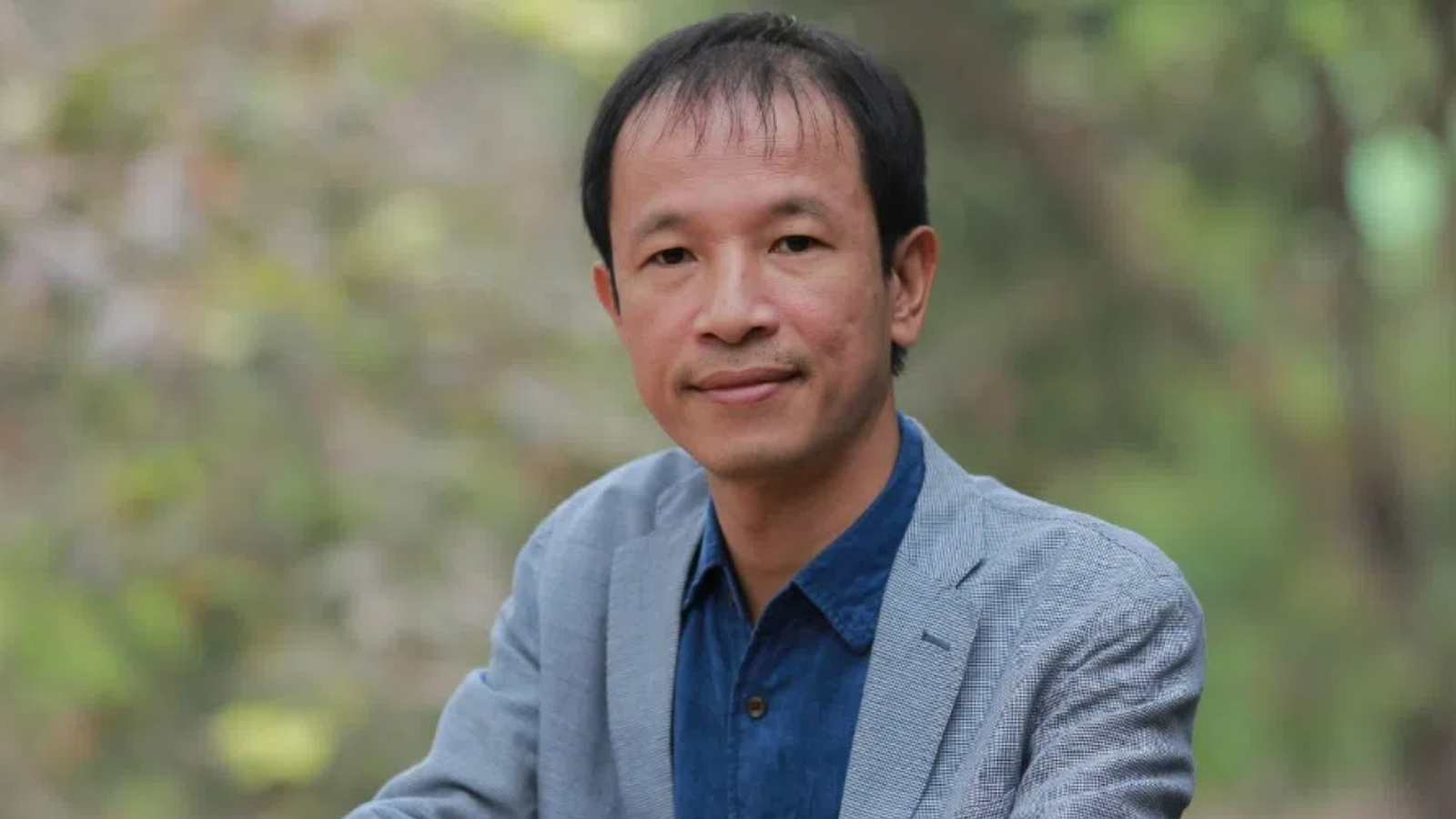
Hao is widely considered a pioneer of “Social Architecture” in Vietnam. His philosophy revolves around the idea that architecture should not just be for the wealthy, but a tool to improve the lives of the marginalized. The firm is famous for combining traditional building techniques (like rammed earth, bamboo, and thatch) with modern structural engineering. They prioritize low-carbon footprints, using materials that are sourced locally. In an effort to harbor their social architecture approach, during the design and construction of the school, 1+1>2 often involved the villagers ensuring the community feels a sense of ownership over the finished school.
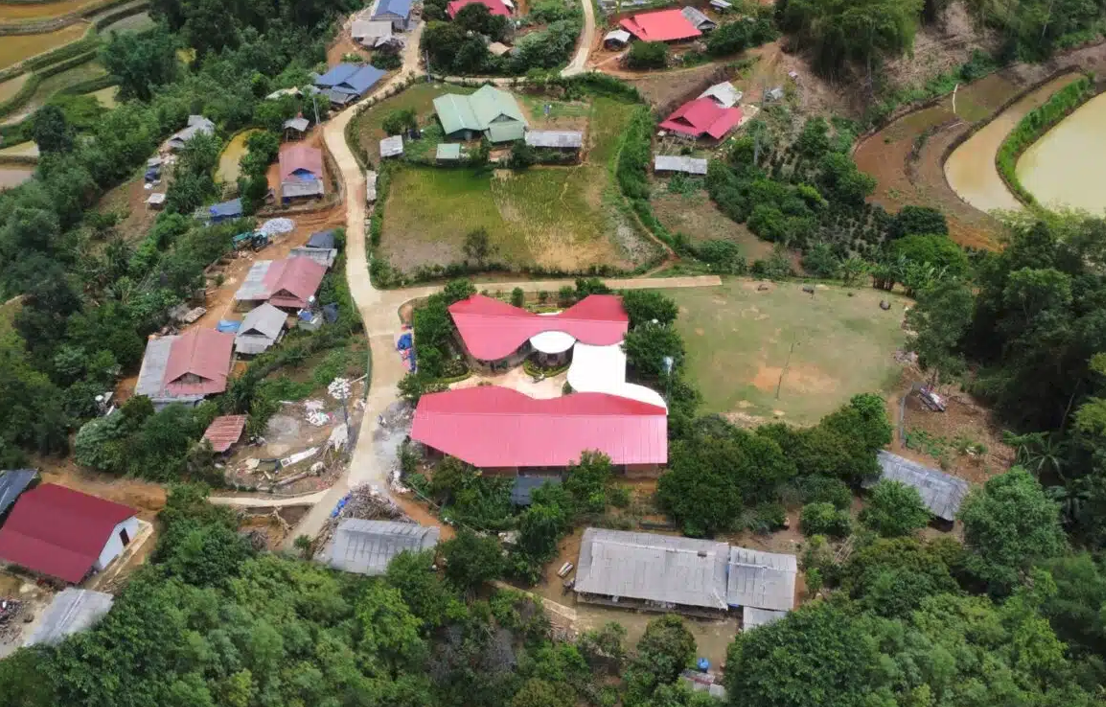
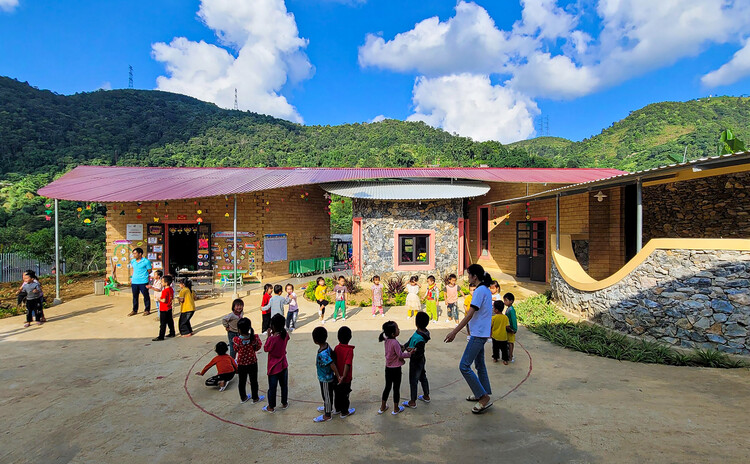
The Hang Tau Kindergarten and Primary School, located in the remote mountains of the Son La province in Vietnam, is a masterclass in how architecture can serve as both a functional shelter and a cultural bridge. Designed to serve the ethnic minority children of the region, the project is a testament to the power of “pro-bono” architecture that doesn’t compromise on beauty or utility.
The school’s design is heavily influenced by the rugged terrain and the traditional architecture of the local H’Mong people. Rather than leveling the land the architects opted for a stilted structure that follows the natural slope of the mountainside. The school is made up of various materials sourced locally and/or made on-site. Foundations are made of local mountain stone with adobe bricks stacked above. Some walls even being fully constructed of stone or adobe. Frames, fences and ceiling treatments are made with bamboo and natural wood to provide breathable interiors and soft boundaries that properly integrate this new building into the village. The roof materials somewhat break from tradition, using corrugated metal to provide proper insulation and ensure the building is watertight.
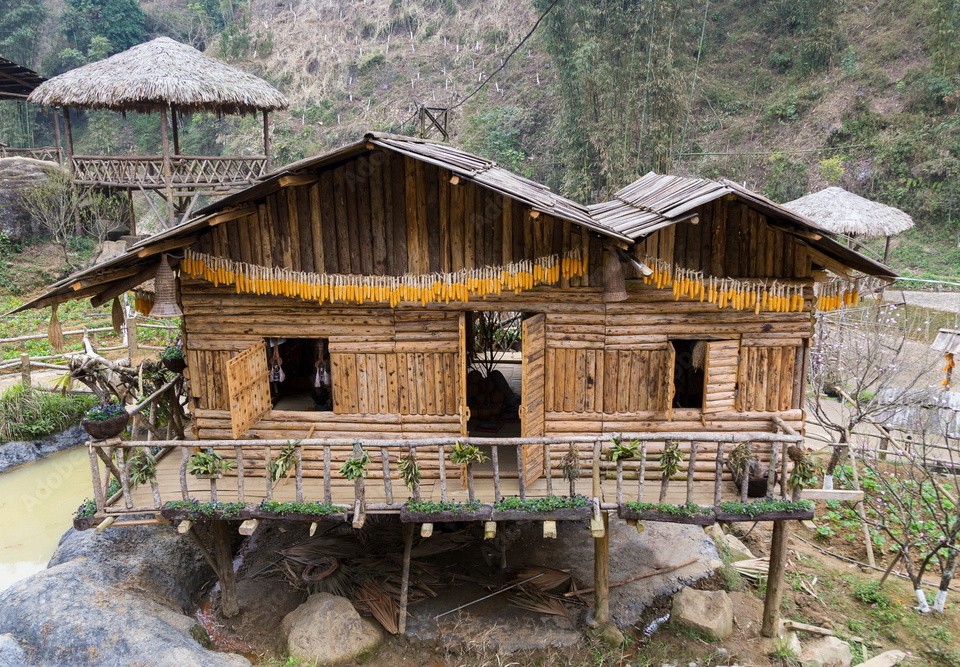
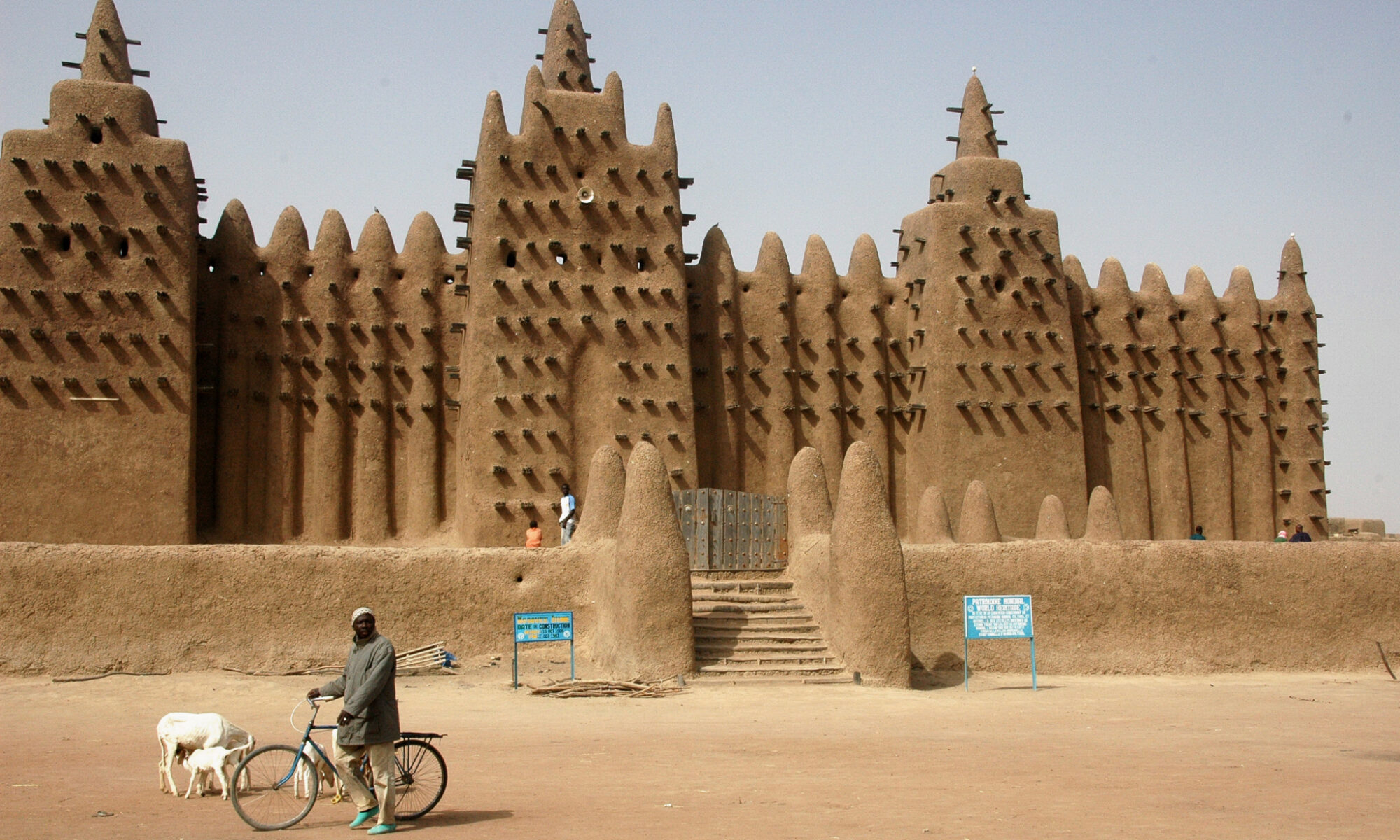
Traditional H’Mong architecture
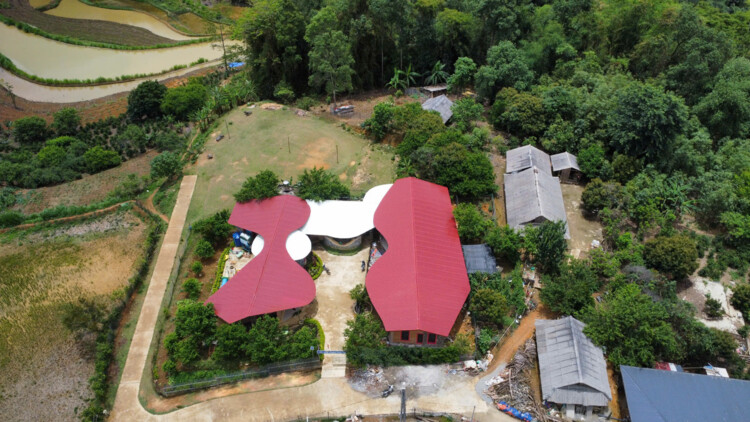
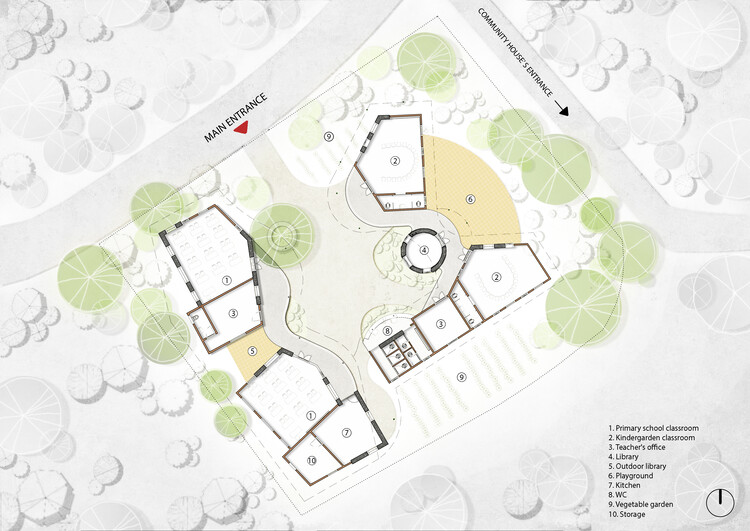
The school’s roofline, the most striking feature, is made to mimic the surrounding mountain peaks, allowing the building to blend seamlessly into the landscape. The school is divided into distinct “blocks” for the kindergarten and primary levels. These blocks are connected by covered walkways and open-air bridges, creating a sense of a small, interconnected village rather than an isolated institution.
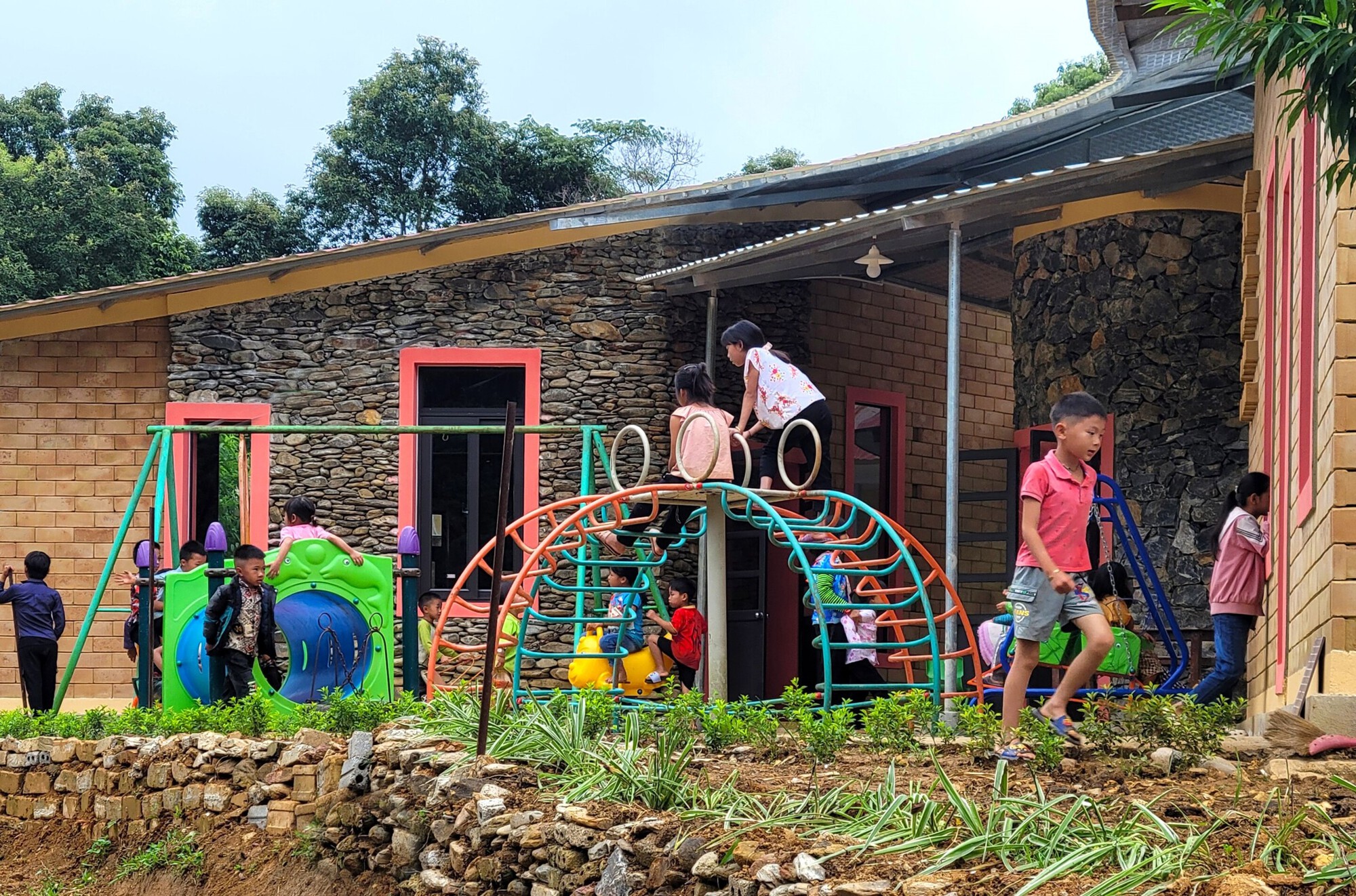
Although the primary purpose of the building is education, the school serves as the beating heart of the village. Often in remote Vietnamese regions, schools also become communal spaces for adults outside of school hours. The Hang Tau school serves to strengthen the sense of community that is heavily embedded in the Vietnamese culture. This is not only embodied by the programming of the school but the architecture itself as it also preserves the culture through the use of “local aesthetics”. Allowing the students to take pride in their culture and value their roots.
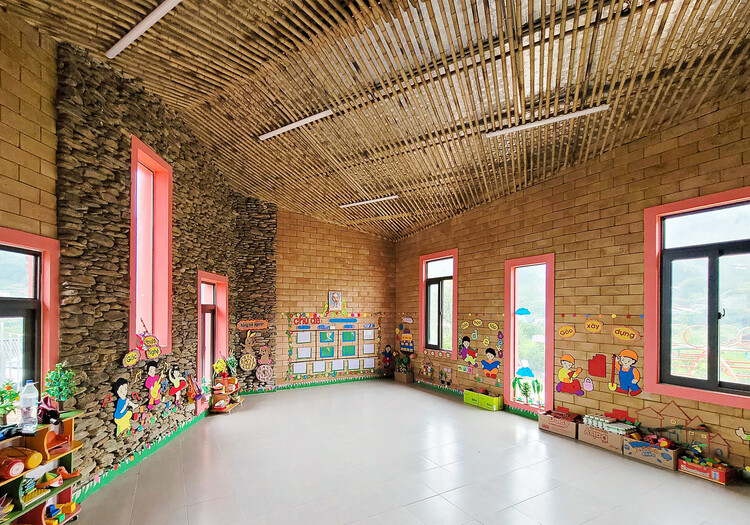
Given the tropical climate, the buildings utilize high ceilings and perforated walls (often made of local wood or brick) to allow cross-breezes, eliminating the need for mechanical cooling. These apertures also increase and incentivize connection the natural landscape which is a core value in Vietnamese culture and architecture. The school provides modern education while instilling the values of traditions of past generations. Giving the students access to successful futures and influential pasts.
Hang Tau Kindergarten and Primary School / 1+1>2 Architects