Location: Meulan-sur-Yvelines, France
Year: 2023 | Built: 940 m²
Architect: Tolila+Gilliland
Client: Fondation l’Élan Retrouvé
Construction: timber structure with raw earth brick infill
Photos: Cyrille Weiner | Drawings: Tolila+Gilliland
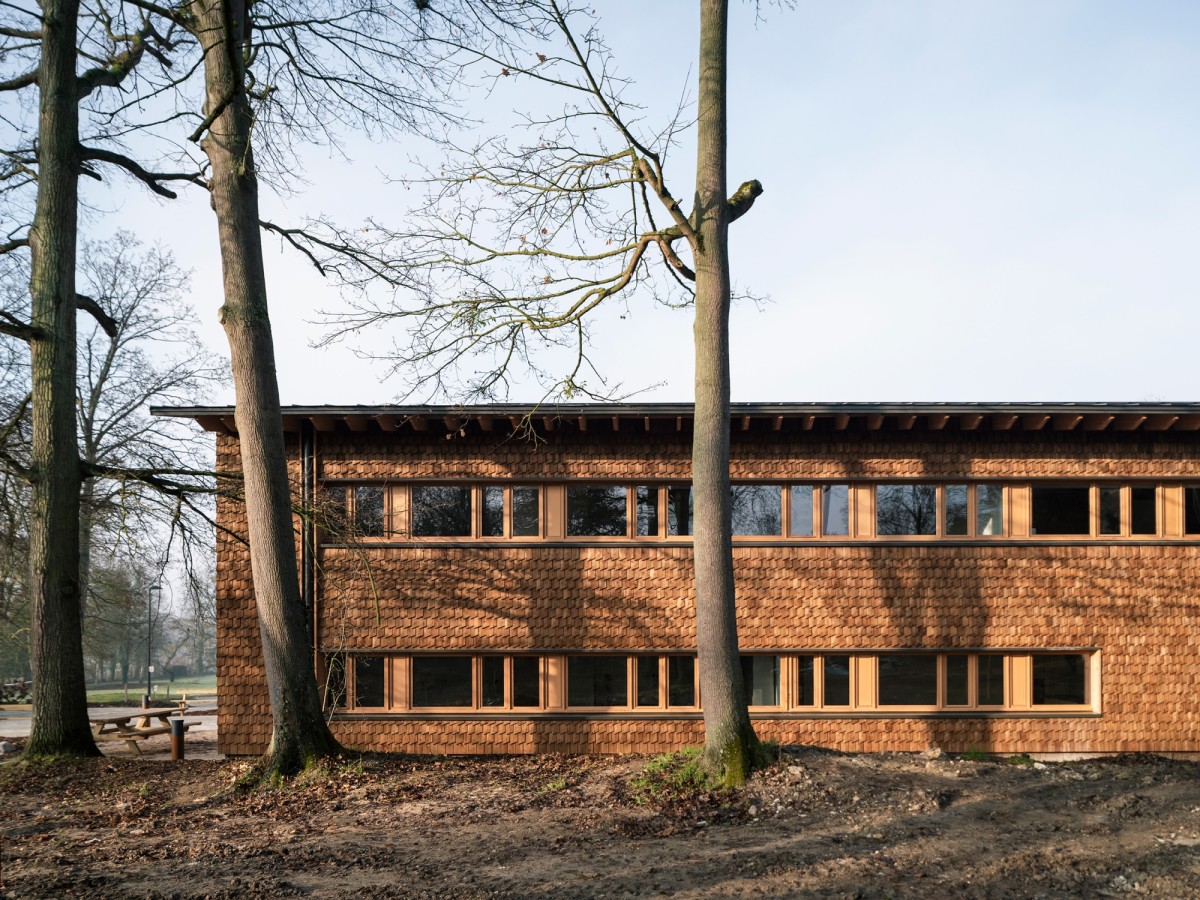
Tolila+Gilliland is a Paris-based practice founded by Gaston Tolila and Nicholas Gilliland. Tolila holds a DPLG Architect Diploma from the Paris-Villemin School of Architecture and an engineering degree in civil engineering and urban planning from INSA Lyon. Gilliland holds a Master of Architecture from Yale University and an undergraduate architecture degree from the University of Kansas. The two met through a humanitarian architecture competition in 2001. They later established their practice, grounded in material logic, environmental response, and construction using bio-based and geo-sourced systems.
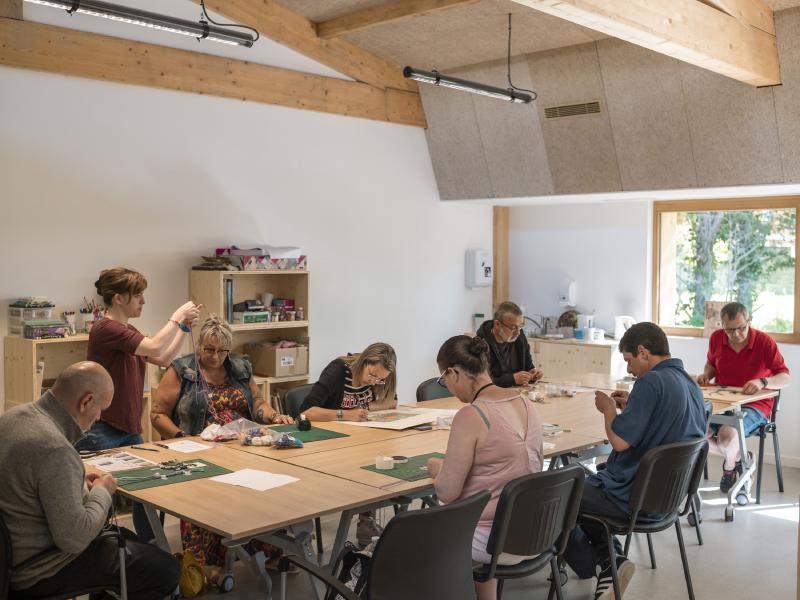
The Gilbert Raby Center sits within a campus of buildings dedicated to addiction medicine and treatment. The client, Fondation l’Élan Retrouvé, needed a building that could bring together adult therapeutic workshops and related support spaces while avoiding the rigidity typical of institutional care environments. The program includes therapeutic workshops, a day hospital, a laundry, a pharmacy, and medical offices, all organized within a new two-story building of 940 square meters.
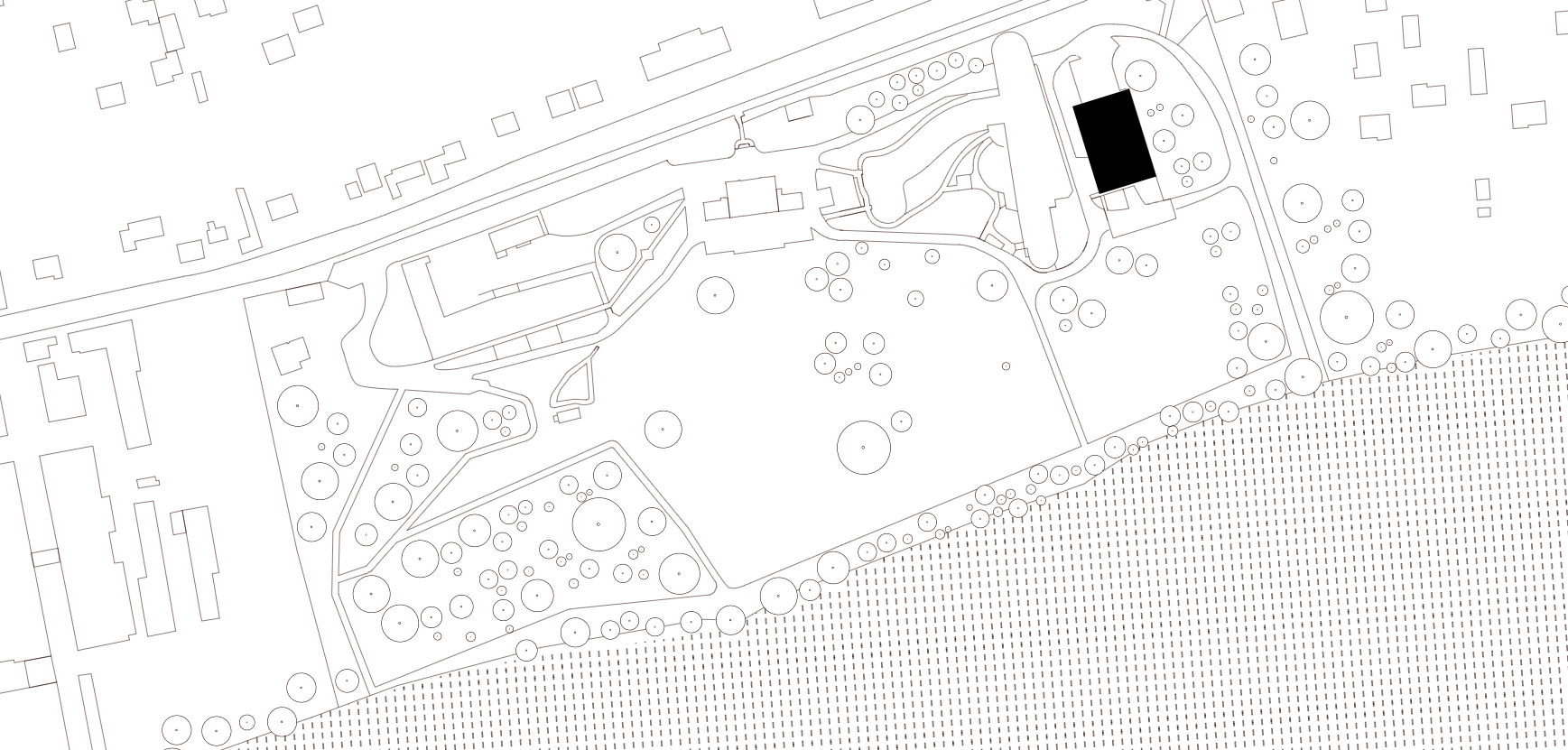
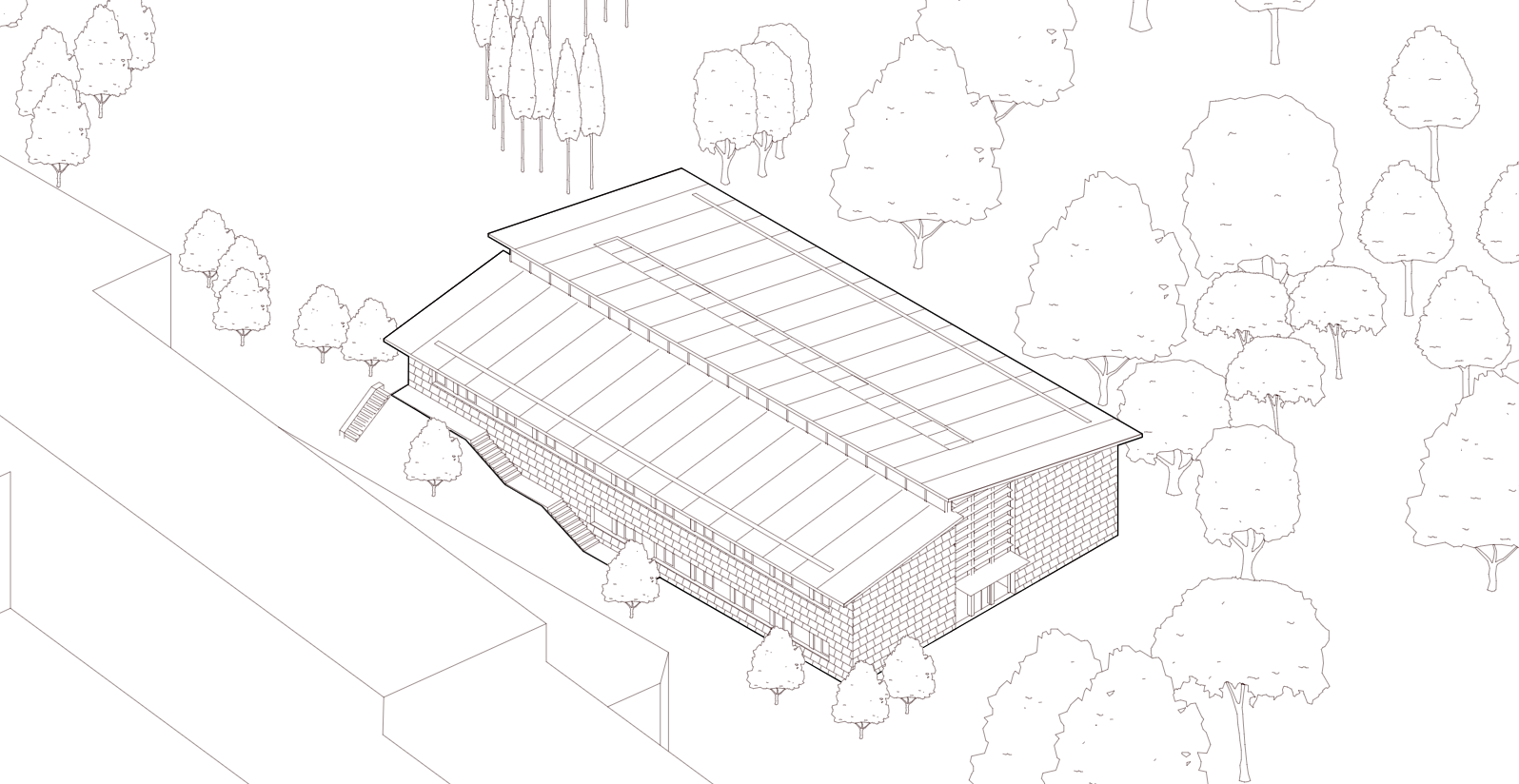
The site is sloped and wooded. Each level meets the ground directly, allowing independent access and reducing reliance on vertical circulation. Movement is horizontal and legible, supporting autonomy within the therapeutic environment.
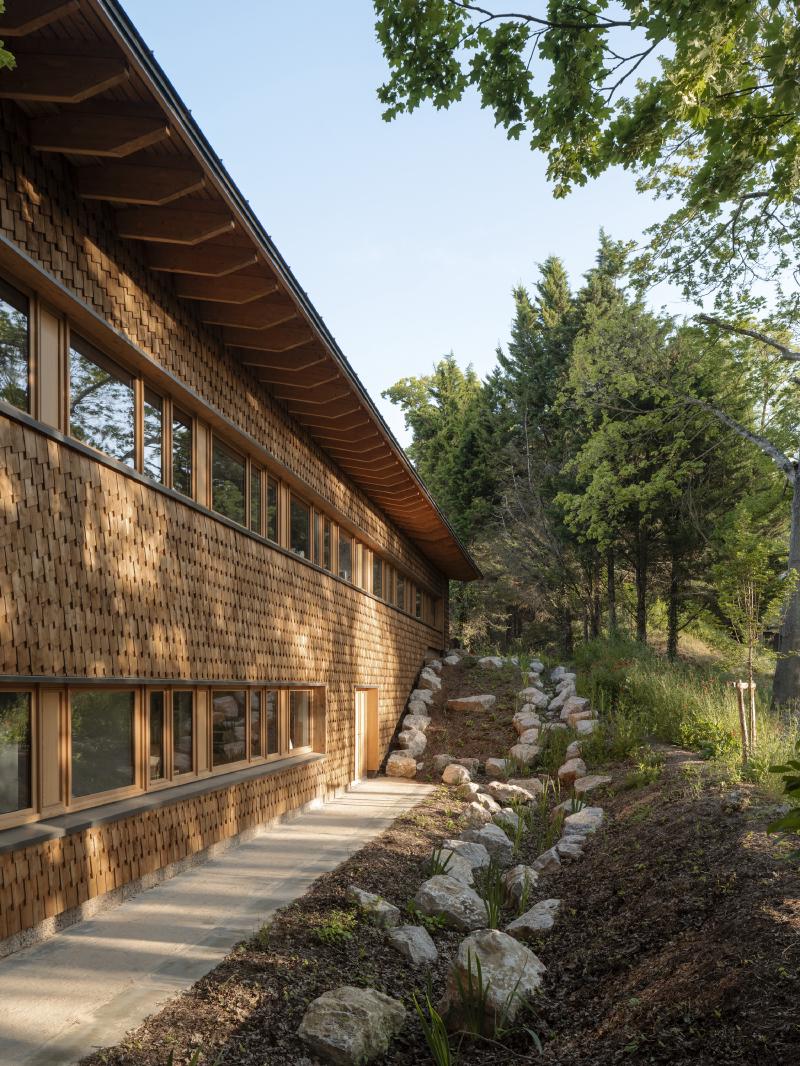
The plan is organized symmetrically around a central interior hall. This space acts as both circulation and environmental core. It is unheated but tempered through solar gain, thermal mass, and controlled ventilation. A linear skylight introduces diffuse zenithal light, moderated by removable shading. Raw earth brick walls stabilize temperature, with night cooling supporting summer performance.
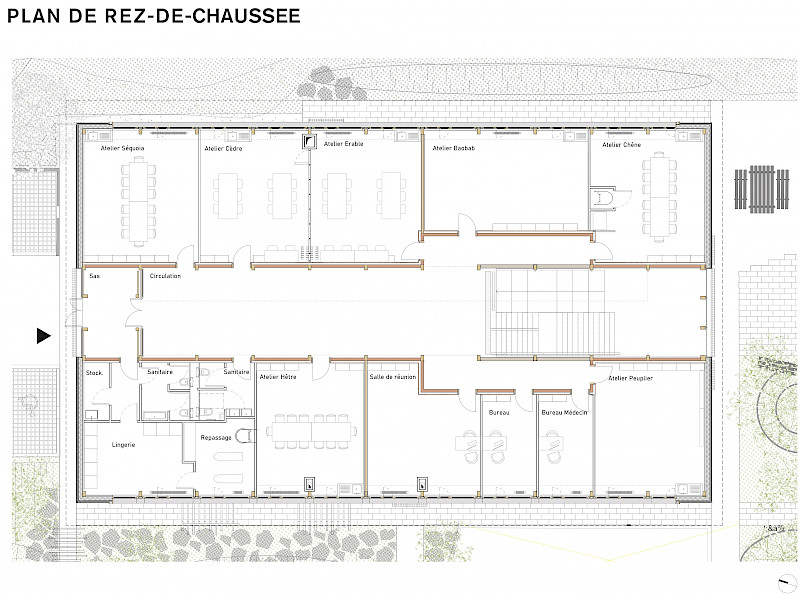
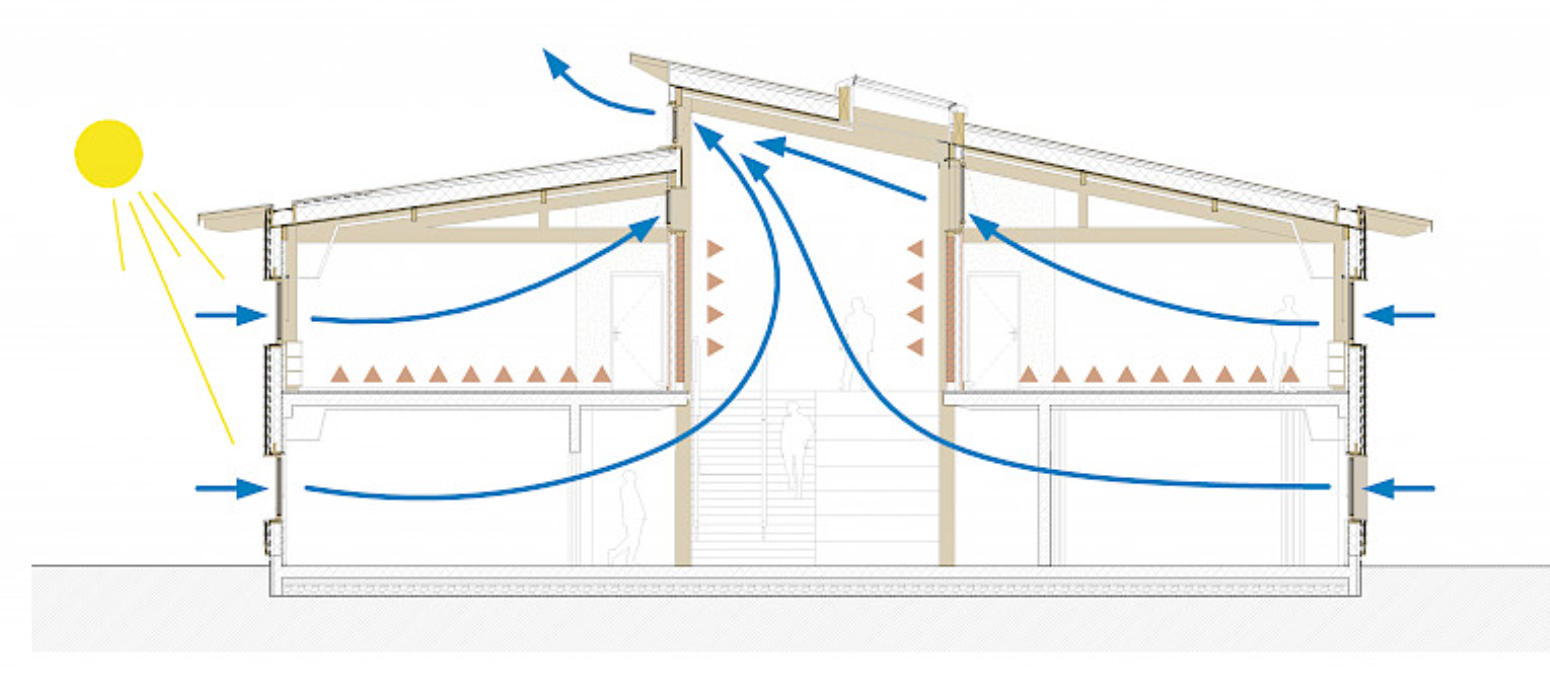
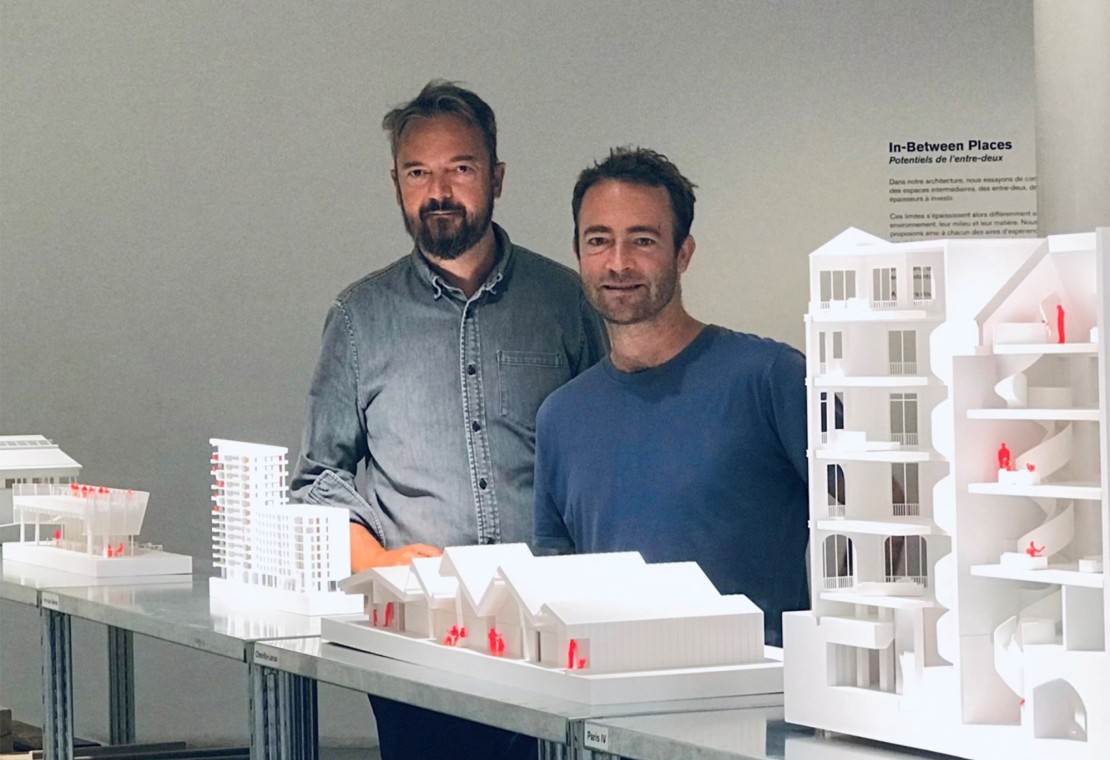
Construction follows a clear material system. A timber structural frame is paired with raw earth brick infill and wood-fiber insulation. Timber provides structure and assembly. Earth provides thermal inertia and regulation. The exterior is clad in pre-greyed larch shingles, with exposed timber elements and wood joinery aligning the building with its wooded context.
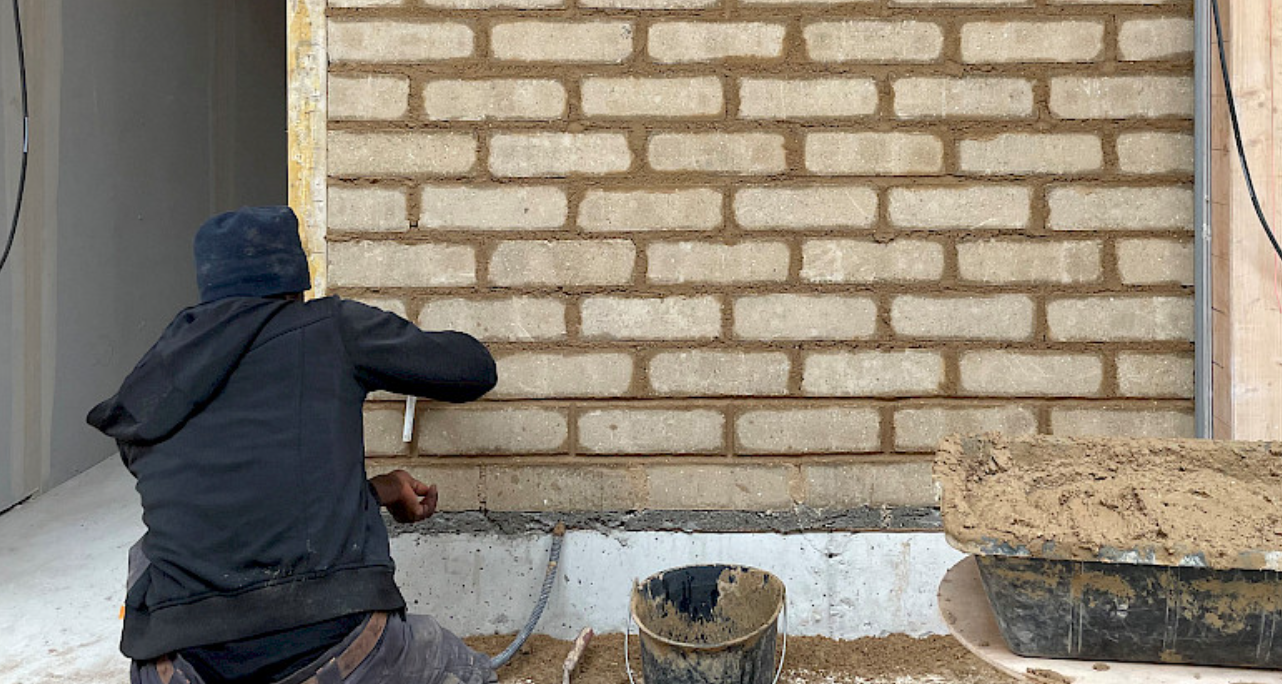
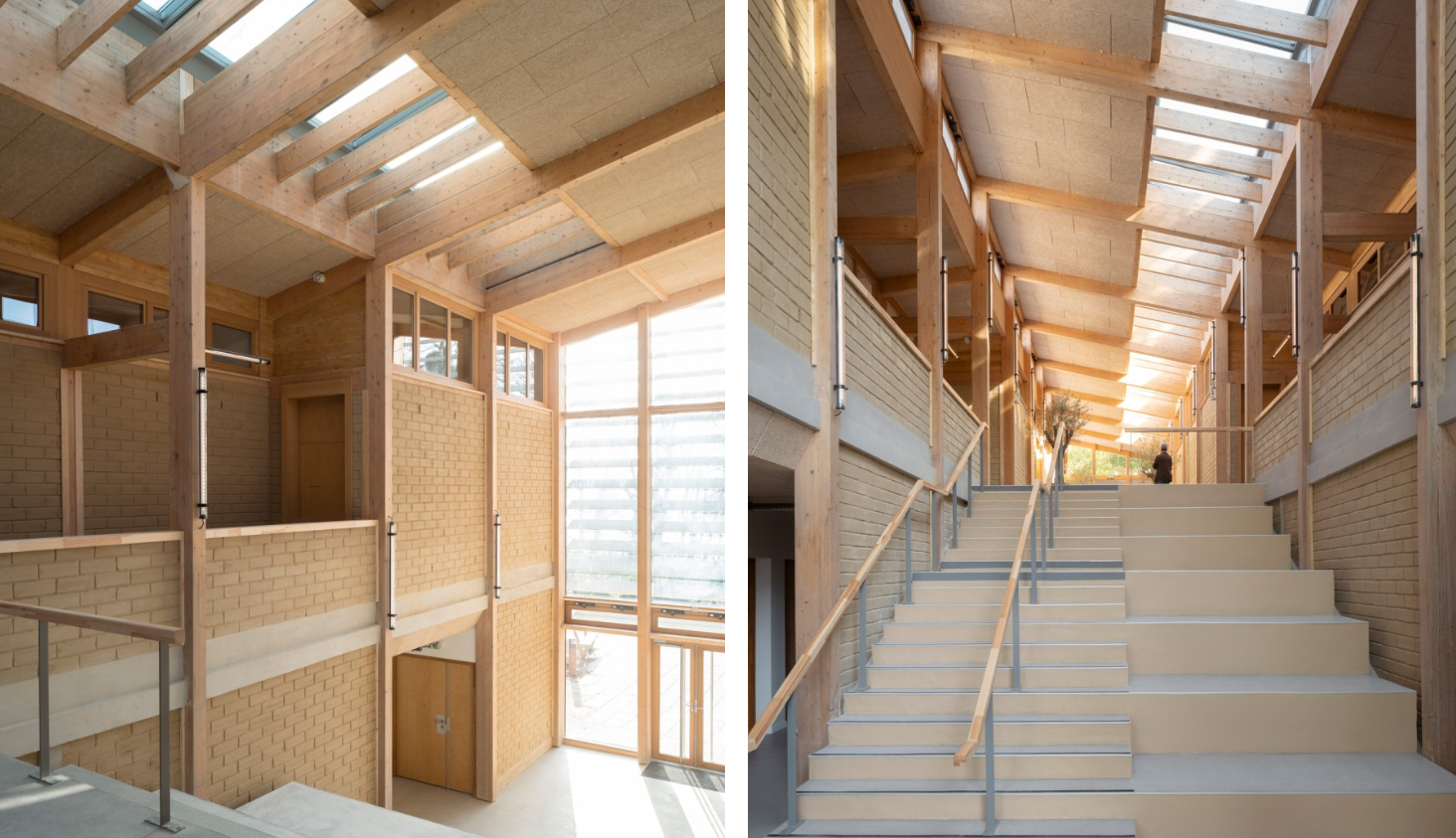
Form is restrained and derived from site and program. The building adapts to slope, organizes around a central void, and maintains a consistent sectional logic. Workshops and medical spaces line the central hall in a clear rhythm. The architecture operates through clarity, proportion, and material presence.
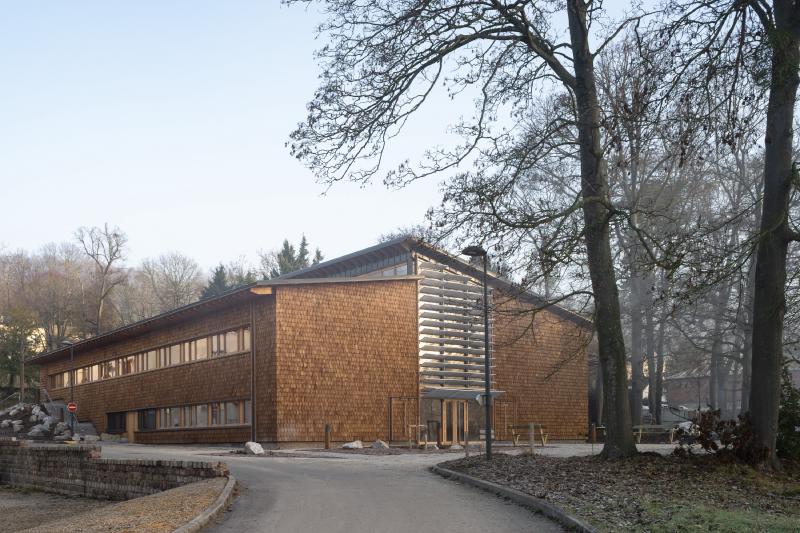
The project demonstrates how therapeutic architecture can be shaped through environmental moderation and spatial legibility rather than institutional form. By aligning structure, climate, and circulation, it supports autonomy and stability. It also advances a model of low-carbon construction where timber and earth define both performance and spatial quality.
Written By: Hitiksha Bansal
Sources:
“Centre Gilbert Raby.” Tolila+Gilliland, tolilagilliland.com/projets/centre-gilbert-raby.
“Gilbert Raby Therapeutic Workshops / Tolila+Gilliland.” Dezeen, 13 Oct. 2023, www.dezeen.com/2023/10/13/gilbert-raby-therapeutic-workshops-tolila-gilliland-france.
“The Gilbert Raby Center.” Divisare, divisare.com/projects/498062-tolila-gilliland-cyrille-weiner-the-gilbert-raby-center.
“Hôpital de jour pour enfants.” Architecture et Précarités, architecture-precarites.fr/interventions/hopital-de-jour-pour-enfants-etablissement-psychiatrique-accueillant-des-enfants-de-4-a-14-ans-presentant-des-troubles.