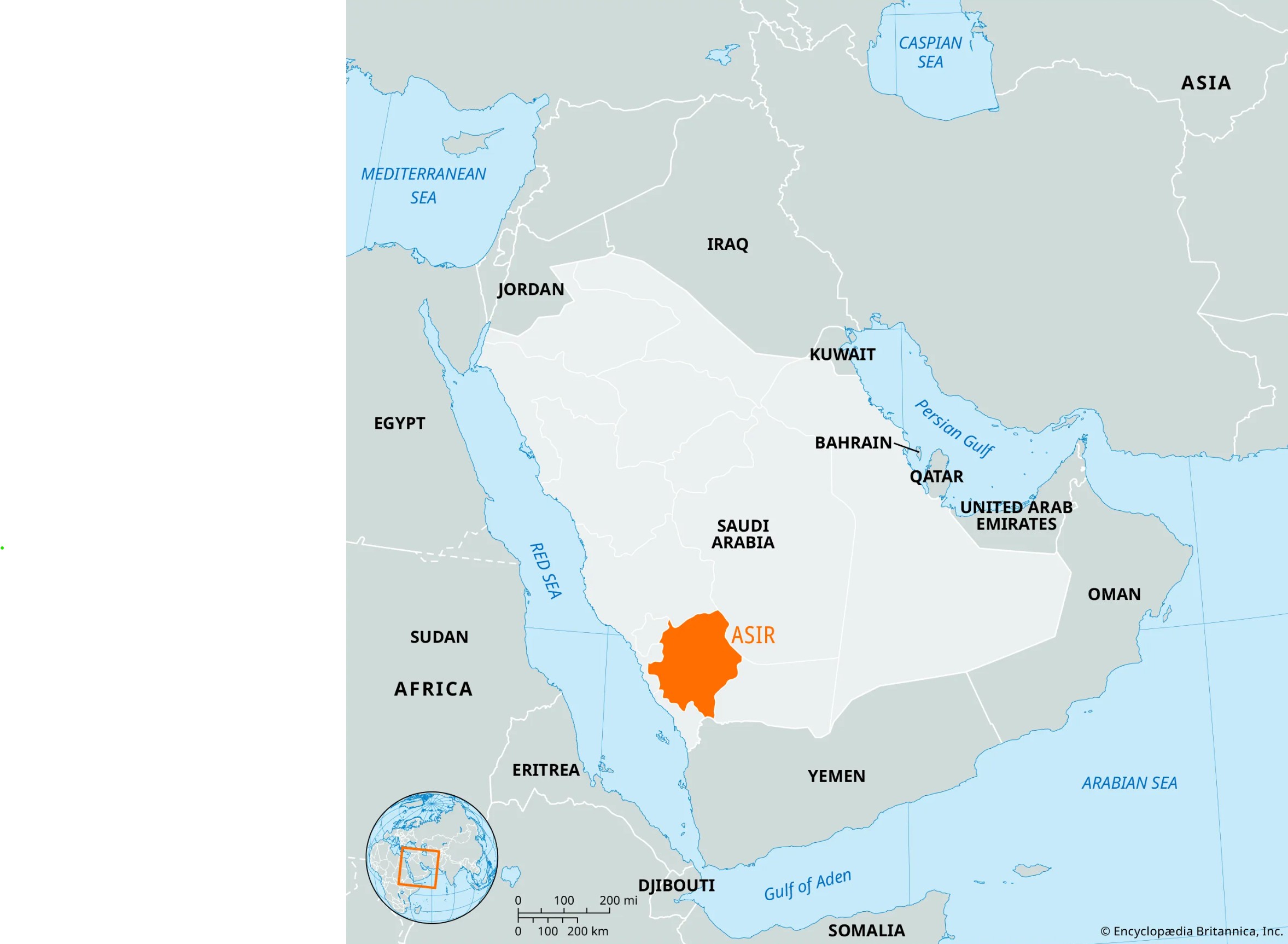
Asir, or officially the Aseer Province in Saudi Arabia, was incorporated into the Kingdom of Saudi Arabia in 1934. has a population of 2.2 million. The province has a long history with artifacts dating to the bronze age. The region is known for its tribal independence, agriculture, and high-altitude culture, situated on a high plateau.
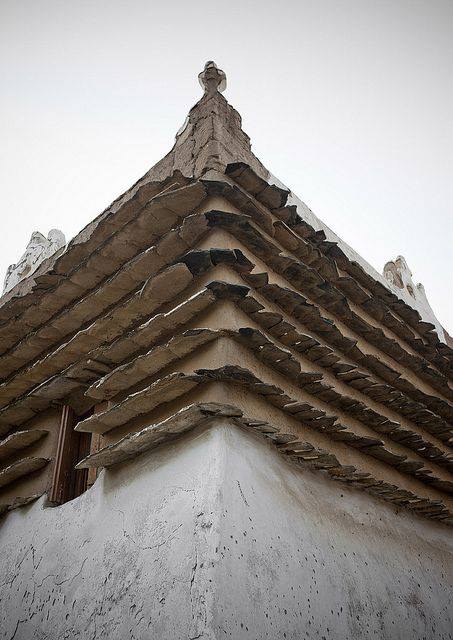
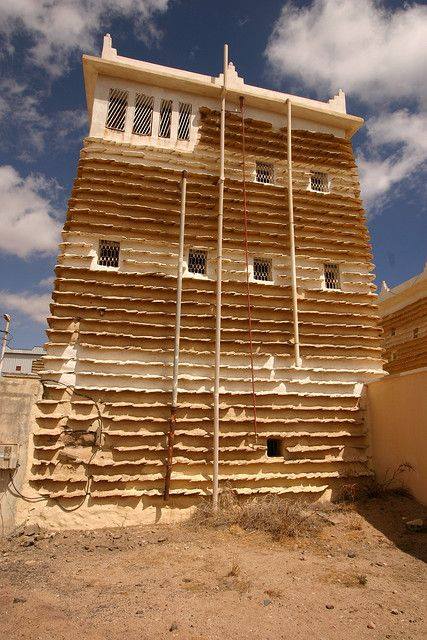
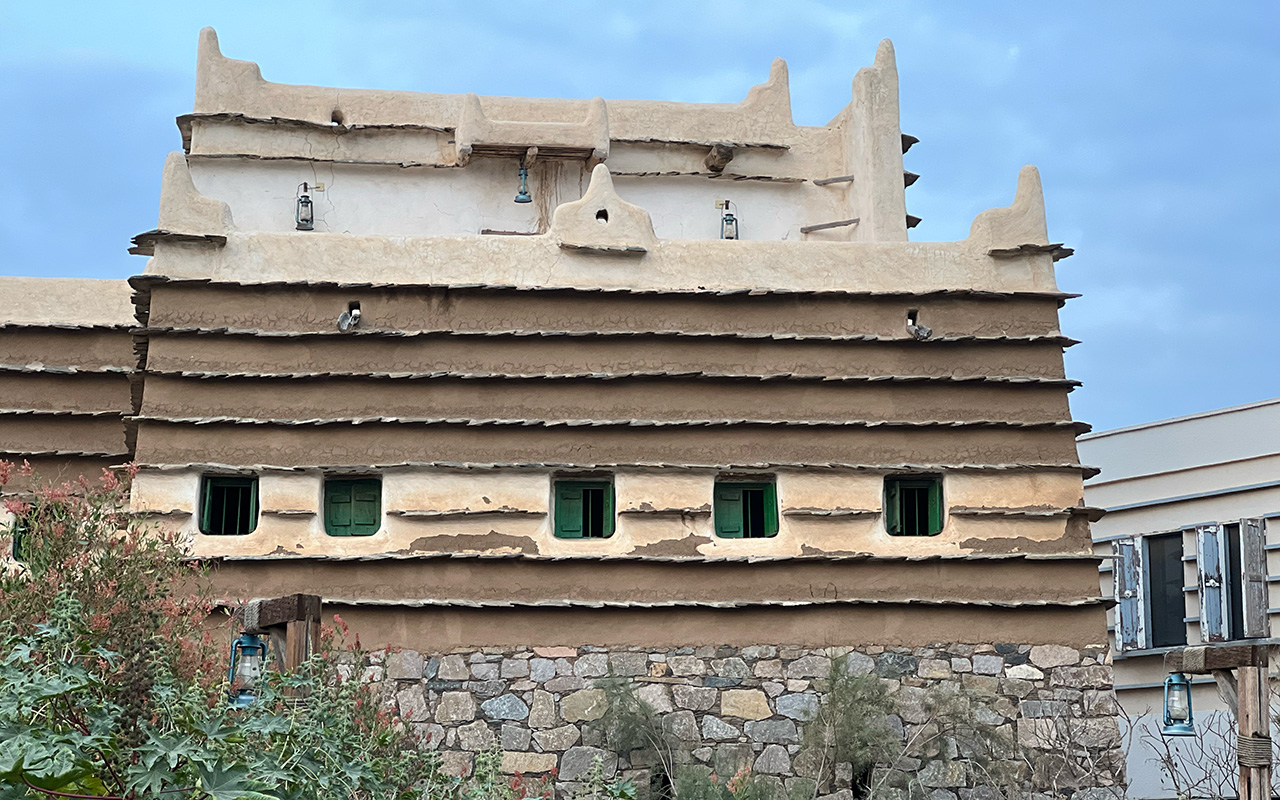
The Aseer region is characterized by a cooler climate with considerable seasonal rain. It has approximately 400 traditional settlements, many located on the high plateau at altitudes greater than 2000 meters. Buildings generally took the form of square, multistory towers. Four principal construction types developed based on the local microclimate and available materials: mud tower houses, stone rubble houses, stone apron houses, and mud and slate tower buildings.
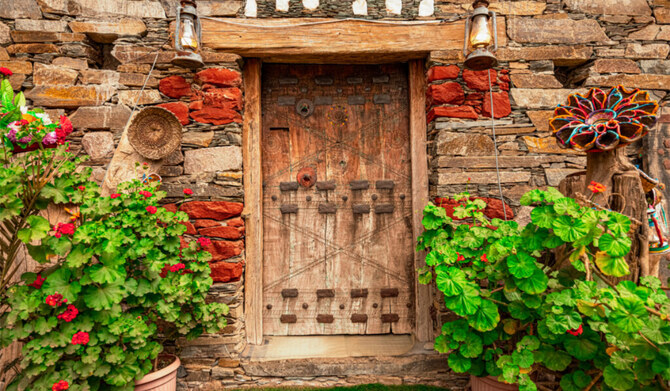
Rijal Almaa is a town that emerged 900 ye ars ago and, given its strategic location on the route to Mecca from Yemen, it became a place of commercial exchange. The buildings are composed of stone, mud, and wood, and are constructed up to six floors. They are detailed with with white window frames, wooden shutterns, and decorative mofits, details that are characteristic of the region.
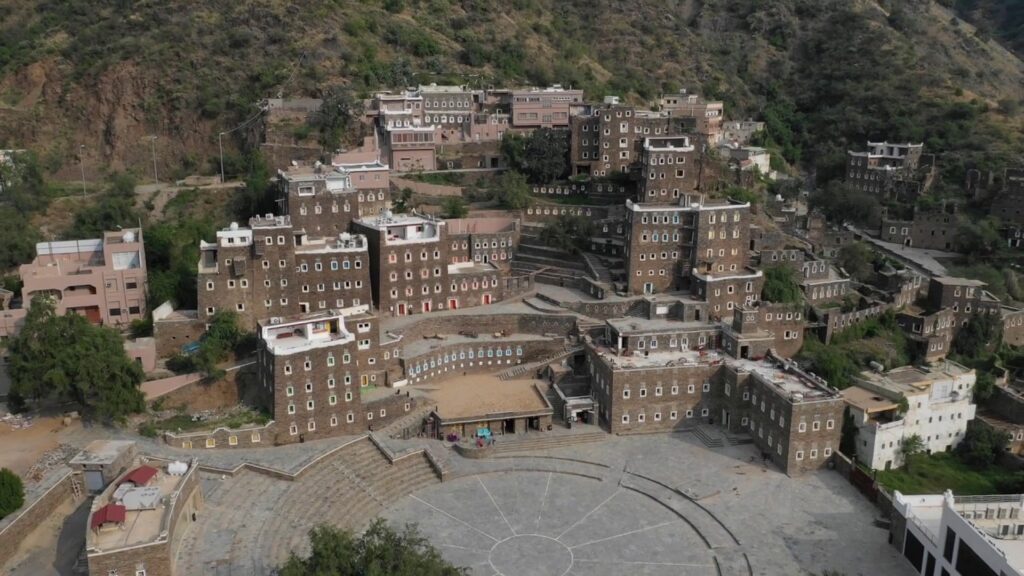
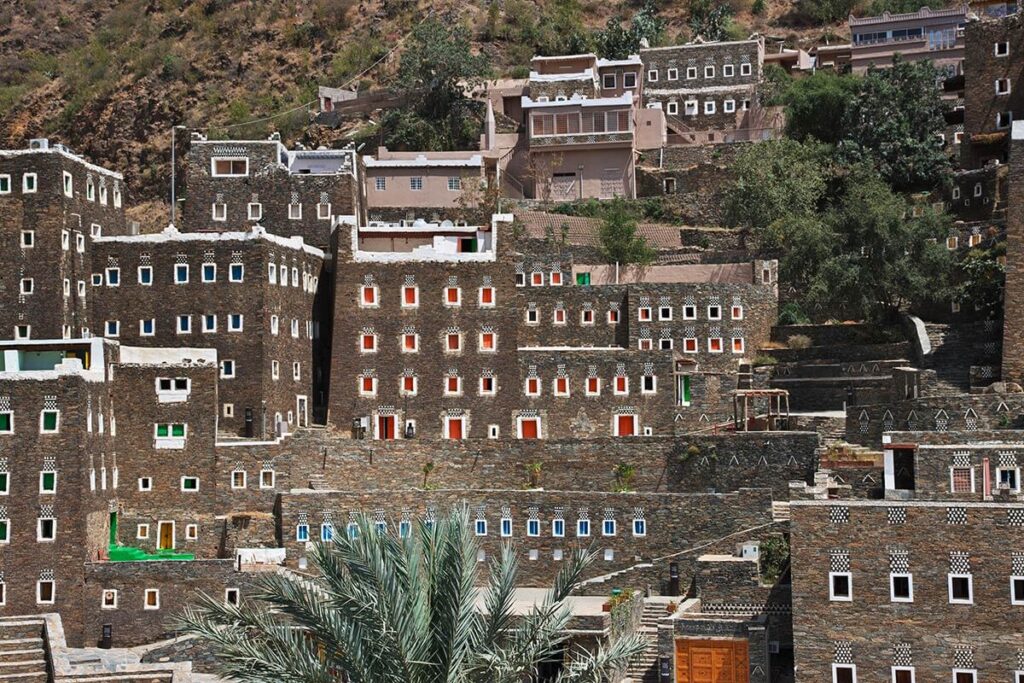
Typical houses in the mountainous Asir province were made of mud reinforced with camel hair. The lower areas of the buildings were made from stone, with smaller flat stones wedged between bigger ones. The upper areas have a local flat stone between the bricks. Plaster was usually applied to the outside of the building to cover the mud bricks.
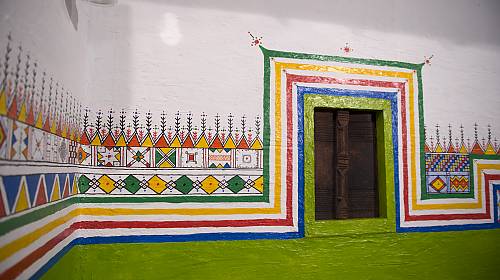
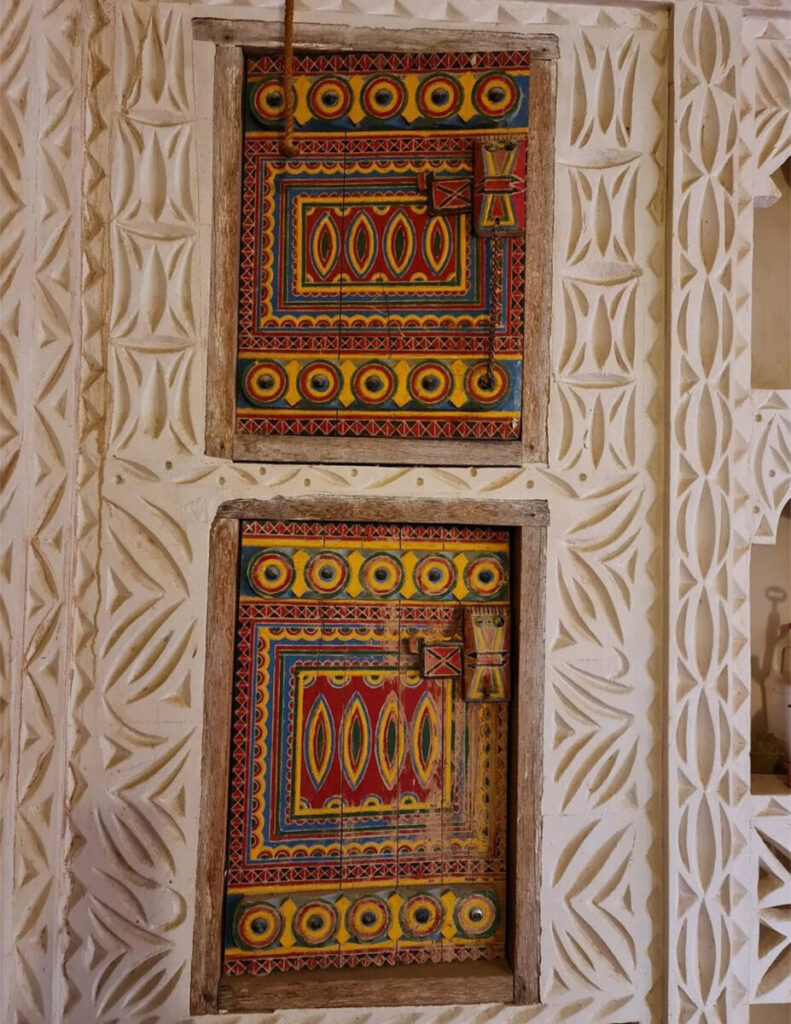
Al-Qatt Al-Asiri is a traditional interior wall decoration of the region. It is a spontaneous art technique carried out largely by women. It is typically practiced on rooms of visiting guests. Women invite female relatives of various age groups to help them in their homes, thereby transmitting this knowledge from generation to generation. The base is usually white gypsum and the patterns consist of icons of geometric shapes and symbols.
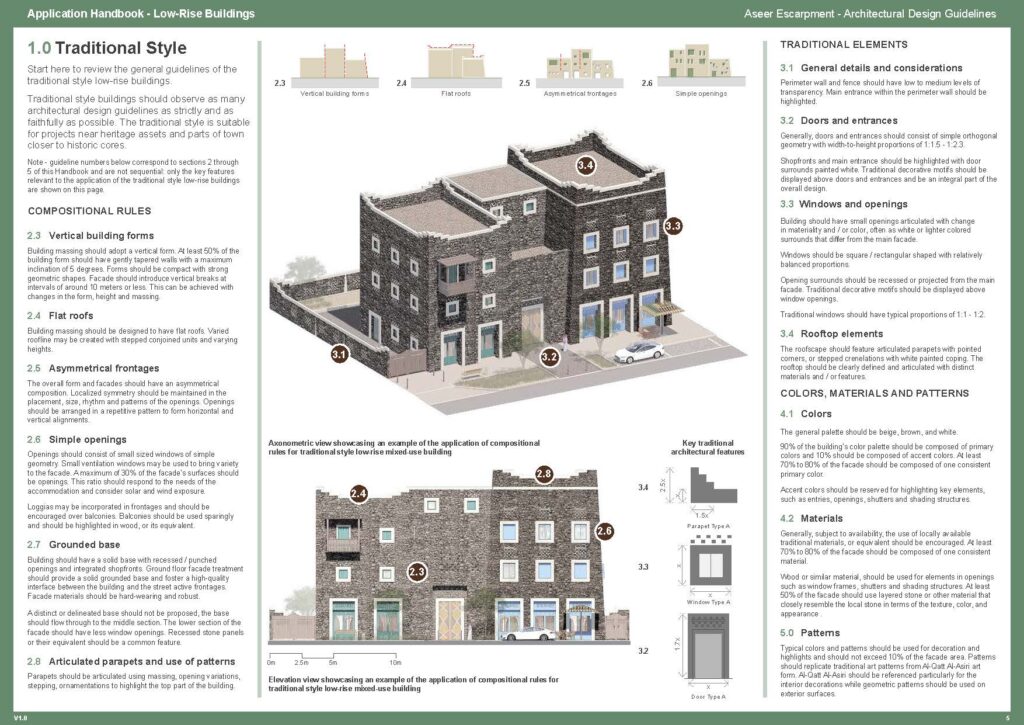
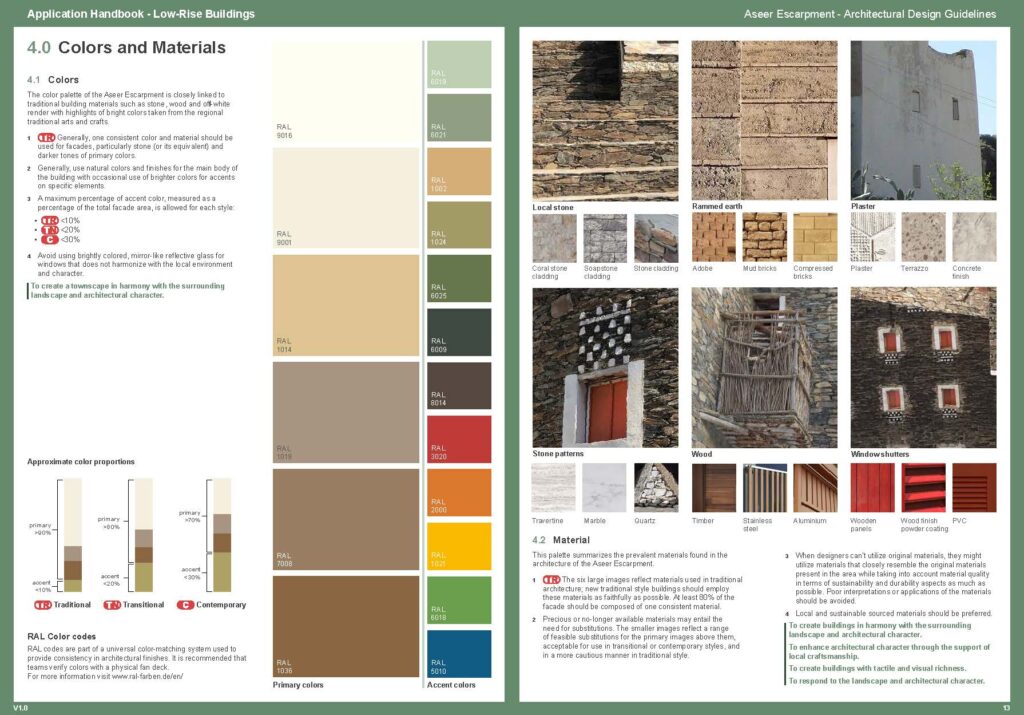
The Saudi government has developed set of architectural and urban guidelines and requirements that help guide the design and urban development process to align with the authentic local architectural style of each geographic area across the Kingdom. Guidelines, maps, and more information can be found here: https://architsaudi.dasc.gov.sa/ar
Aseer Escarpment, Architectural Design Guidelines
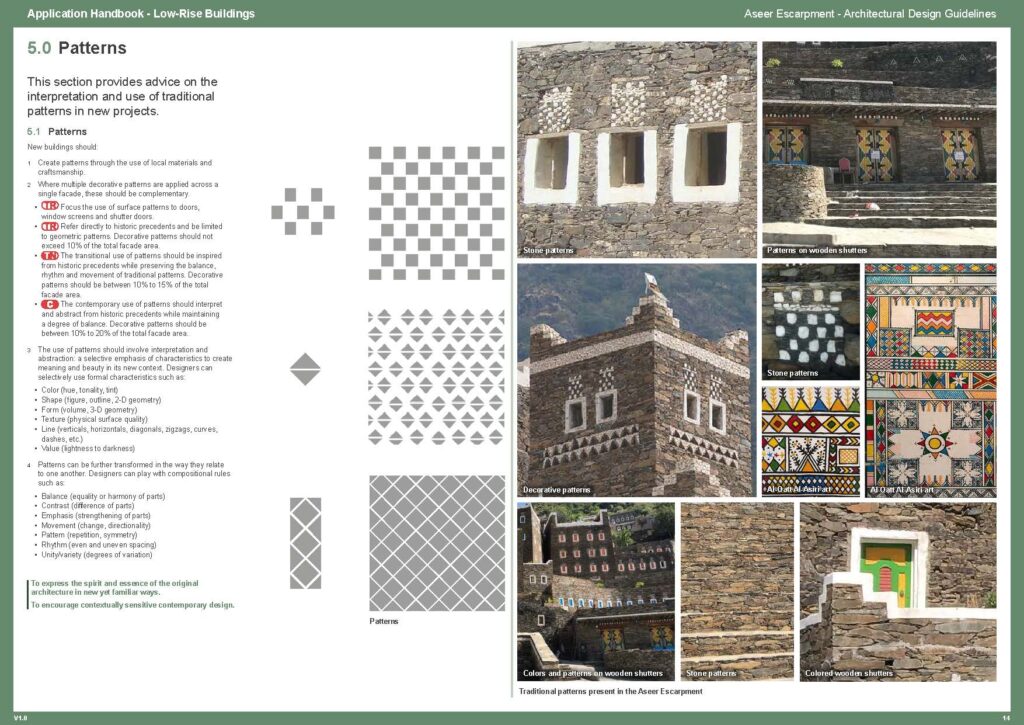
Al-Qatt Al-Asiri, female traditional interior wall decoration in Asir, Saudi Arabia
Craftsmanship of decorated wooden doors reflects Aseer’s artistic heritage