
Trina Michelle Robinson is an artist from Oak Park, Illinois who is currently working in San Francisco. Her art originates from from personal and historical archives, reflecting on her own ancestry to create immersive and deeply personal spatial encounters that materialize the complexity of emotions and layered geographies of Black migration. Her works often begin by tracing the steps of her ancestors, gathering materials from their homes and homelands, using this tactile act as a means to connect with them and gather their fractured and lost memories. In particular, she often collects dirt from these sites of personal significance, transforming that earth into a charged object within her compositions. Her installations are undefinable, hovering somewhere between an altar, a model, or a garden; a collection of objects that become spatial poetry. Trina received her MFA from California College of the Arts in 2022.
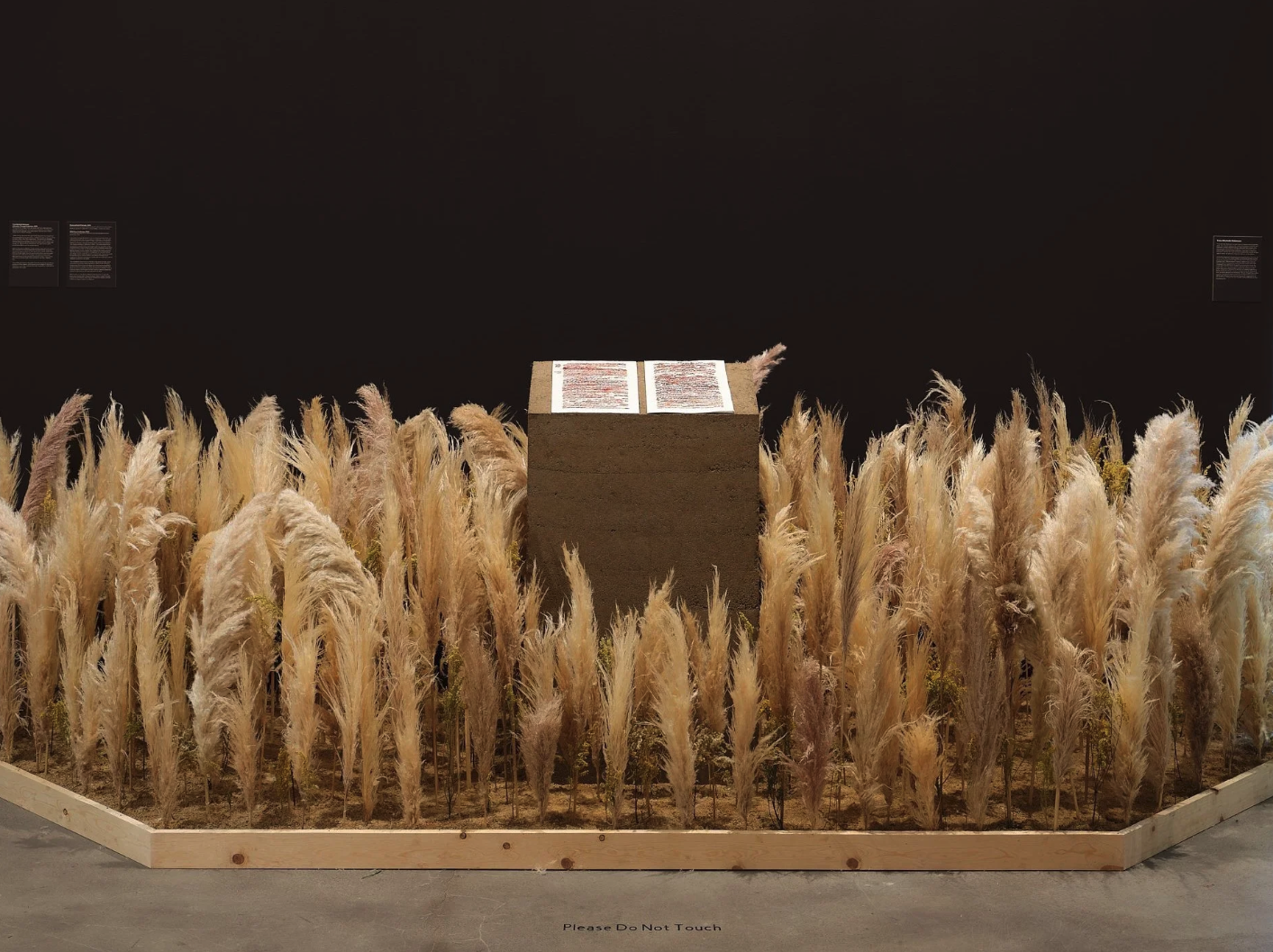
Her work Open Your Eyes to Water was exhibited in San Francisco at the 500 Cap Street Foundation and at Root Division from February-May 2026. The work is an expanded version of her previous installation titled Elegy for Nancy (2022) – a tender tribute to her oldest known ancestor, a woman named Nancy who was born in 1770s Kentucky, then still part of Virginia. Open Your Eyes to Water is a living installation tracing her years-long cross-continental engagement with family lineage and movement from Senegal, to Kentucky, Chicago, and California.
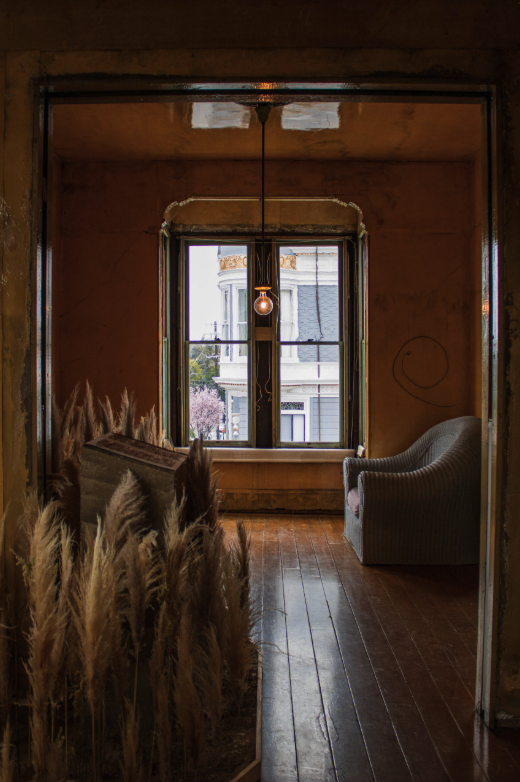
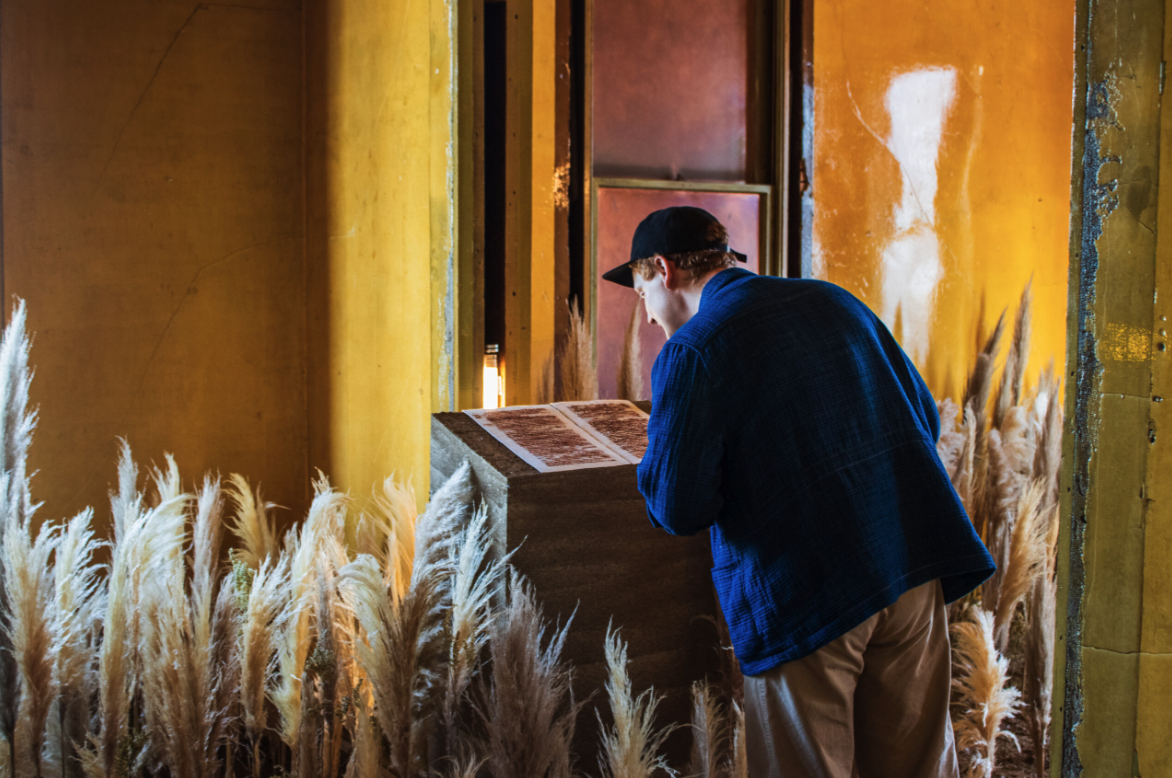
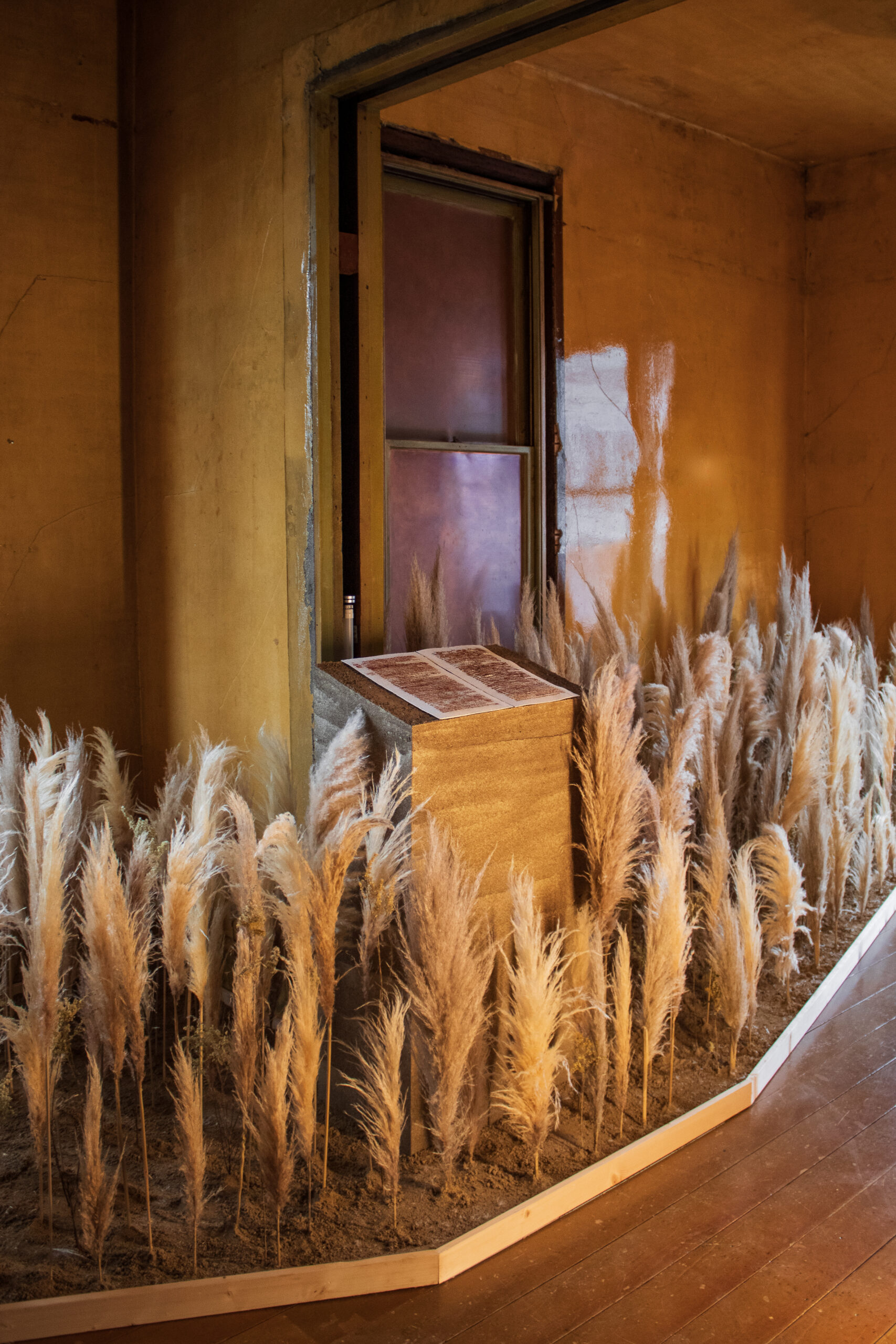
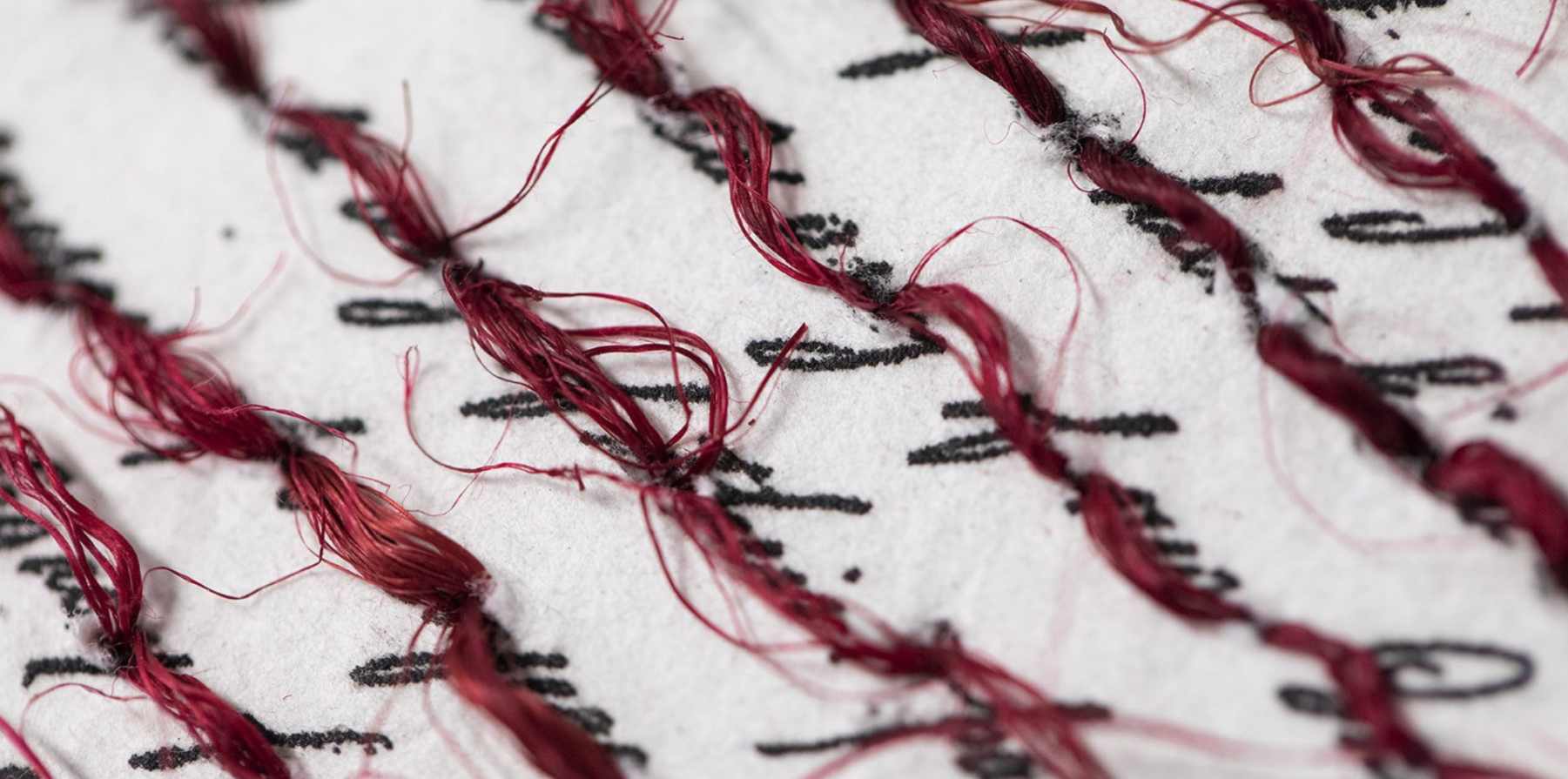
The Installation merges with the atmosphere of the gallery, charging the space with a melancholic yet restorative energy. At the center, a rammed earth block holds the room with a potent presence, atop which sits a reproduction of a will from the previous owner of her enslaved ancestors, written with handmade ink (a mixture of soil collected from Senegal and charred cedar charcoal) on paper she fabricated from cotton picked at a farm her ancestor used to be enslaved at in Oklahoma. Every mention of her ancestor’s enslavement has been redacted with sewn lines of sisal thread from Zimbabwe, reclaiming this history for herself, freeing her ancestors, speaking for them in the present moment.
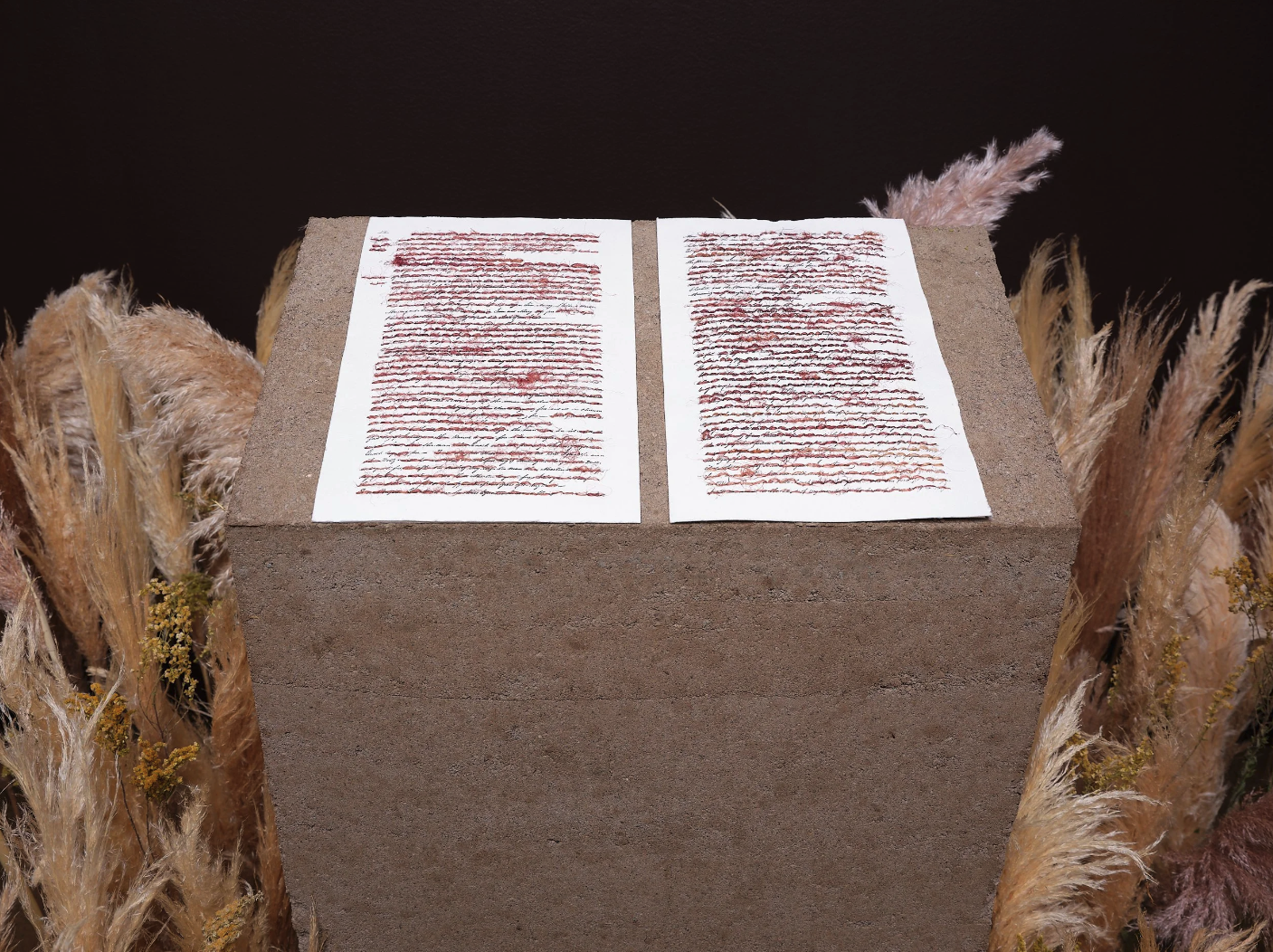
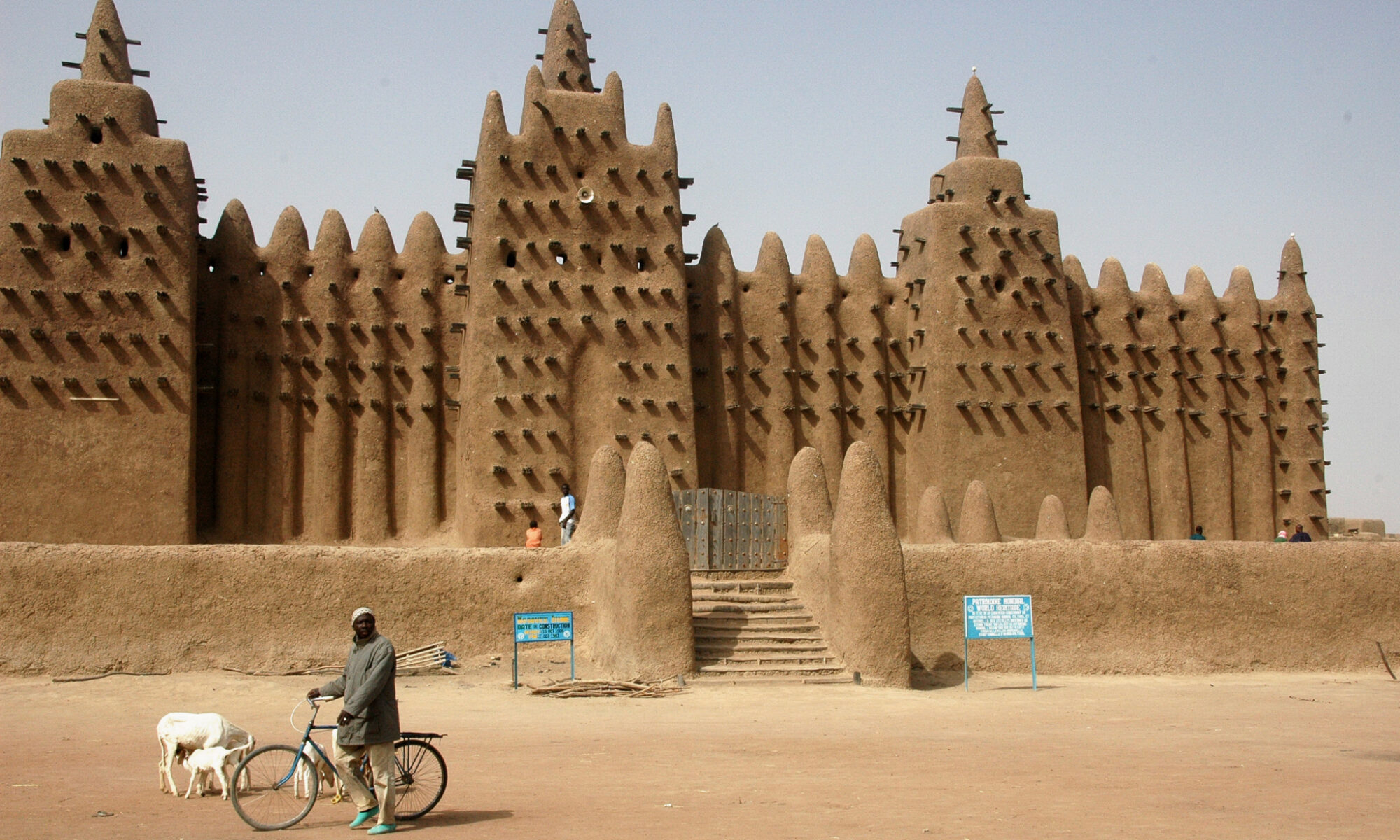
The rammed earth block is composed from various soil samples from significant places tracing her family history through time and space, compressed together into a unified block, supporting a document of their liberation. The block sits in an analogous landscape of dirt and grass plumes, harkening to the various landscapes natural, agricultural, and urban landscapes her ancestors have traversed across the world.