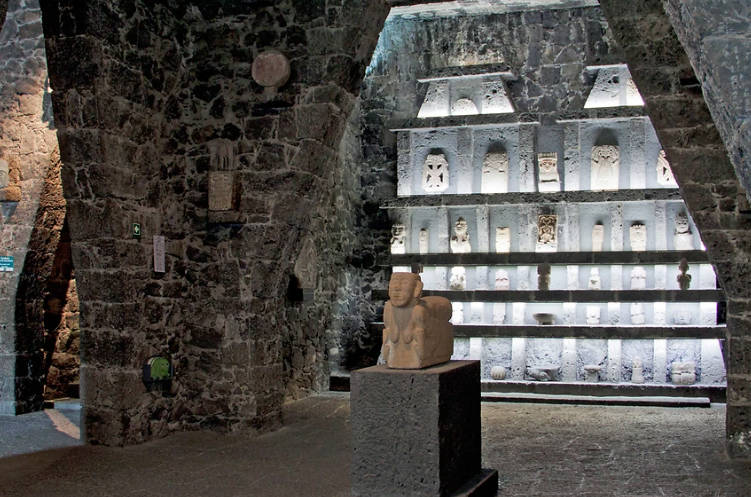
- The rebellion of objects, part of Art Week 2026 in Mexico, brings together Beatriz Cortez (Salvador, artist and scholar in Latin American Literature) and Rafa Esparza (USA, performance artist, work with installations constructed from adobe bricks) in an exhibition conceived from their collaboration and artistic link, developed specifically to dialogue with the architecture, the collection and the territory of the Anahuacalli Museum.

- The practices of Beatriz Cortez and Rafa Esparza share a constant concern with how historical narratives are constructed and how these affect displaced, migrant, or racialized communities. Their works propose imagining futures that are not determined exclusively by dominant discourses, but by alternative forms of knowledge, care, and relationship with the world.
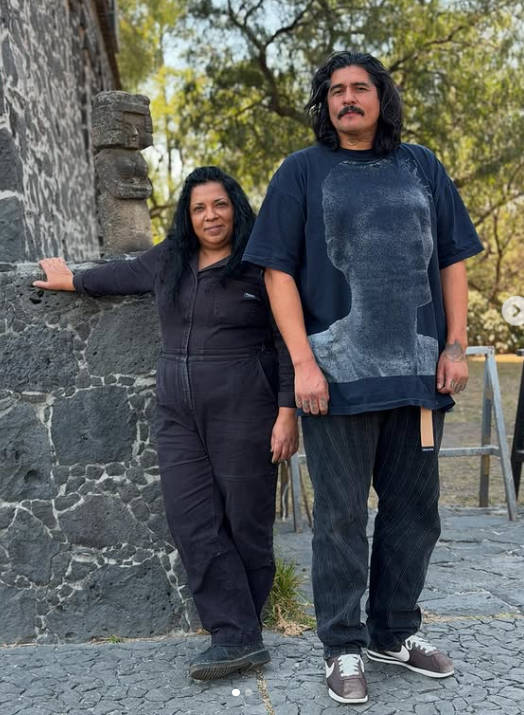
Beatriz Cortez and Rafa Esparza
- The exhibition proposes rethinking the collection from the perspective of memory, community, and spirituality, understanding objects not as static pieces but as carriers of energy and meaning , capable of activating new forms of relationship within the museum.
- Through the serpent and the volcano as symbolic axes, the exhibition addresses the earthly journey, displacement —including the migrant experience— and the possibility of imagining different futures from contemporary art.
-
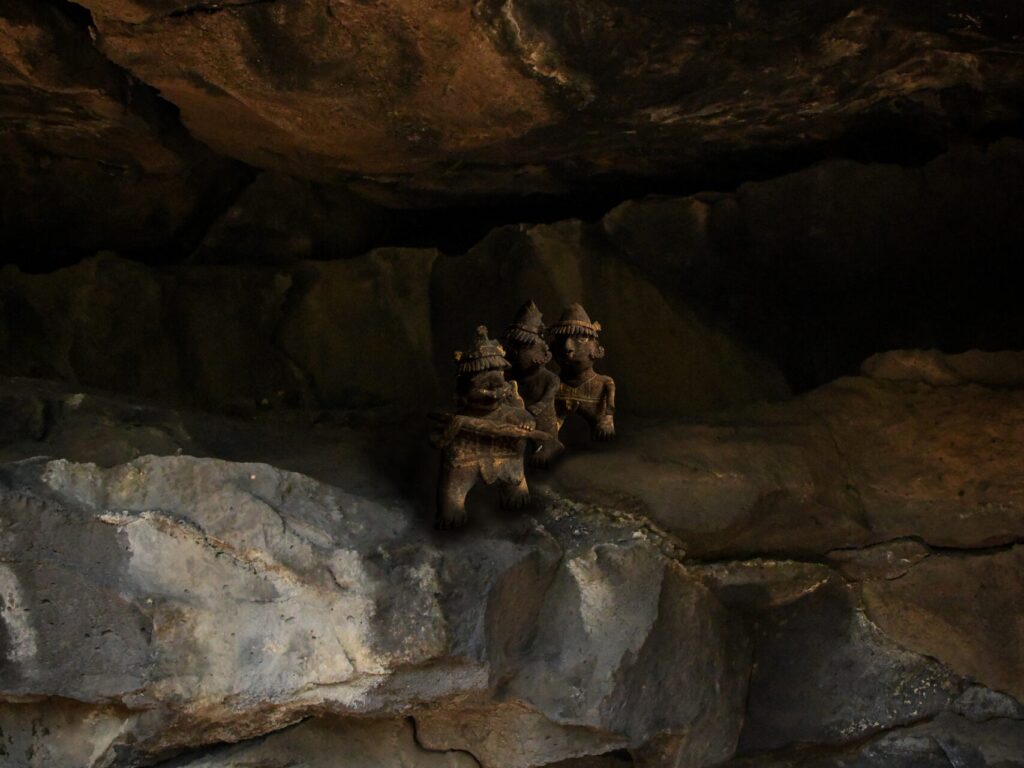
The rebellion of objects at the Anahuacalli Museum The snake as a metaphor for displacement
One of the central themes of the exhibition is the serpent , understood as a symbol of movement, transit, and earthly journeys. In this sense , its presence alludes both to symbolic journeys within the museum and to real displacements of communities and bodies, including the migrant experience to the United States.
-
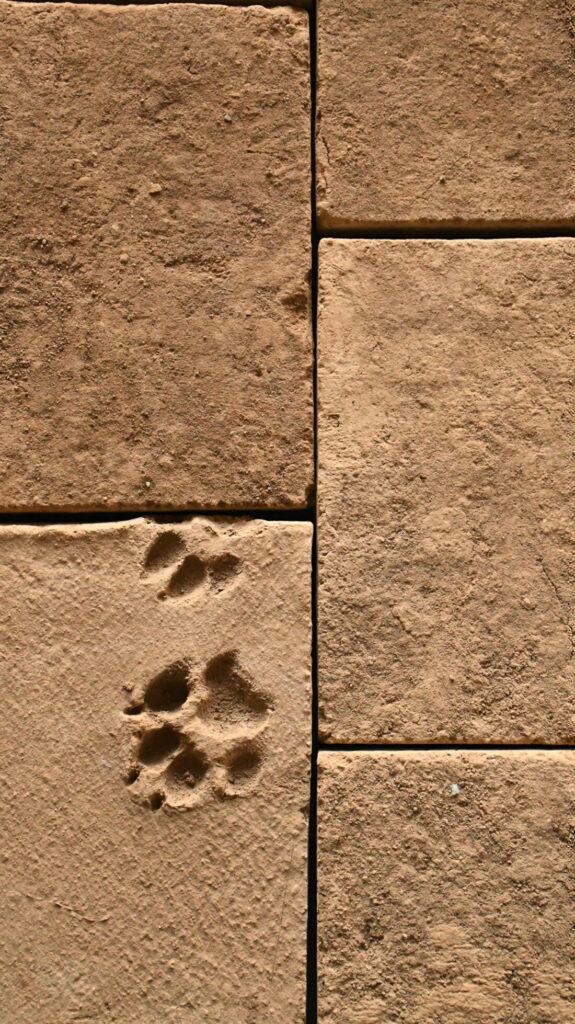
Detail of The Rebellion of Objects exhibition at the Anahuacalli Museum 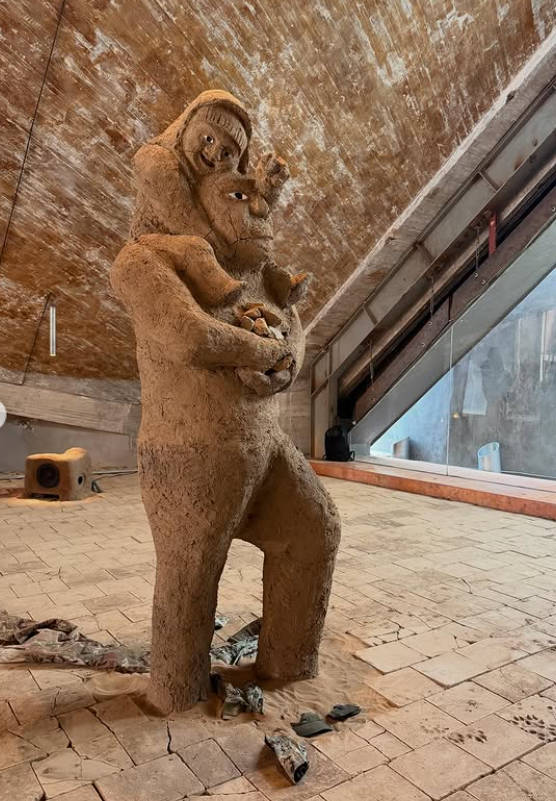
Detail of The Rebellion of Objects exhibition at the Anahuacalli Museum 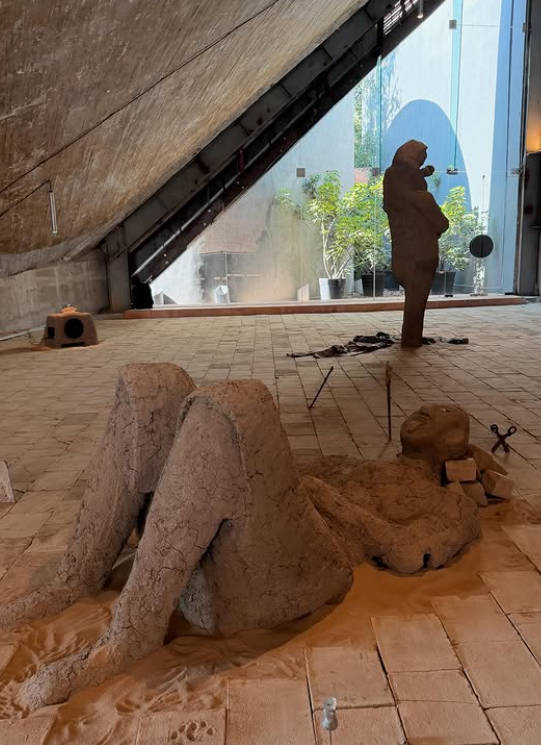
Detail of The Rebellion of Objects exhibition at the Anahuacalli Museum Taken together, the exhibition proposes experiencing the museum from a different perspective. Thus , the space ceases to be merely a place of contemplation and becomes an active territory where the relationships between objects, bodies, and memory remain open.

Anahuacalli Museum in Mexico