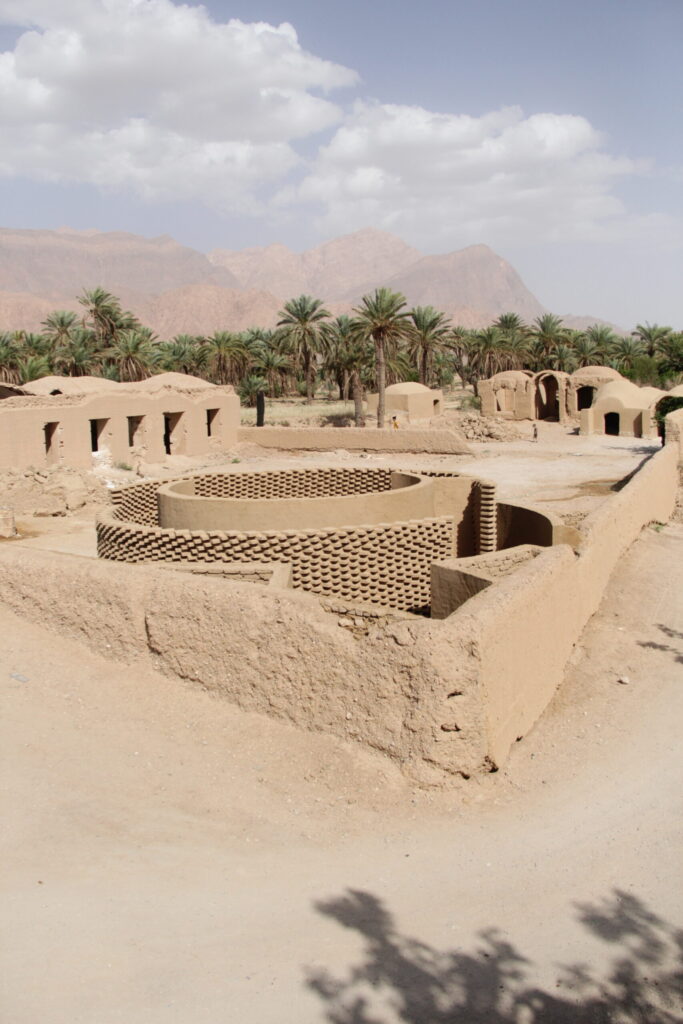
The Esfahk Mud Center is a revival of clay and mud architecture in contemporary practice. Built in 2015 by architect Pouya Khazaeli, the center was established with the aim of reviving traditional clay and mud construction in Esfahk Village, Iran. Khazaeli founded the Esfahk Mud Center to reach beyond utility and conceptual design toward the extension of organic settings, with reverence to the cultural heritage of the region. The structure celebrates traditions that have allowed the local community to thrive in challenging weather conditions for ages.
Khazaeli is an architect from Tehran, Iran, who earned his Master’s degree in architecture from Tehran Azad University in 2000, and went on to found Rai Studio in 2007. He has worked across Iran and internationally on projects rooted in vernacular and earth-based construction. His motivation is clear: to resist the homogenization of contemporary architecture and instead recover the wisdom embedded in traditional building methods, particularly those developed by communities adapting to harsh desert climates over centuries.
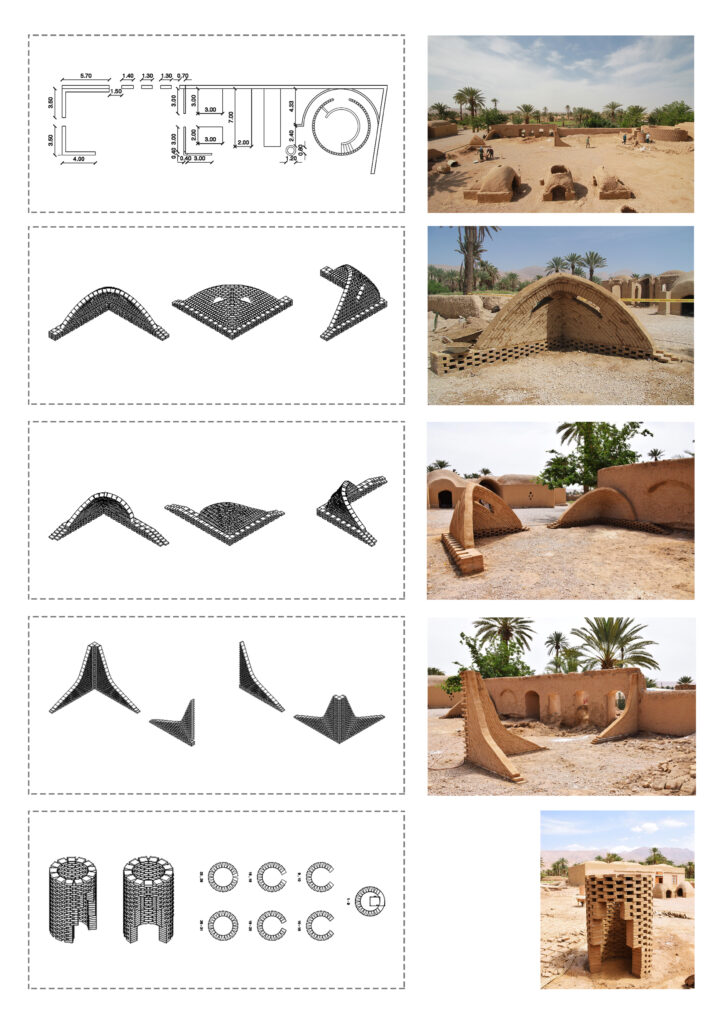
As an educational center, the building offers a range of educational activities like mud brick production, hands-on Iranian vault construction and lime based plastering rooted in vernacular Iranian practices.
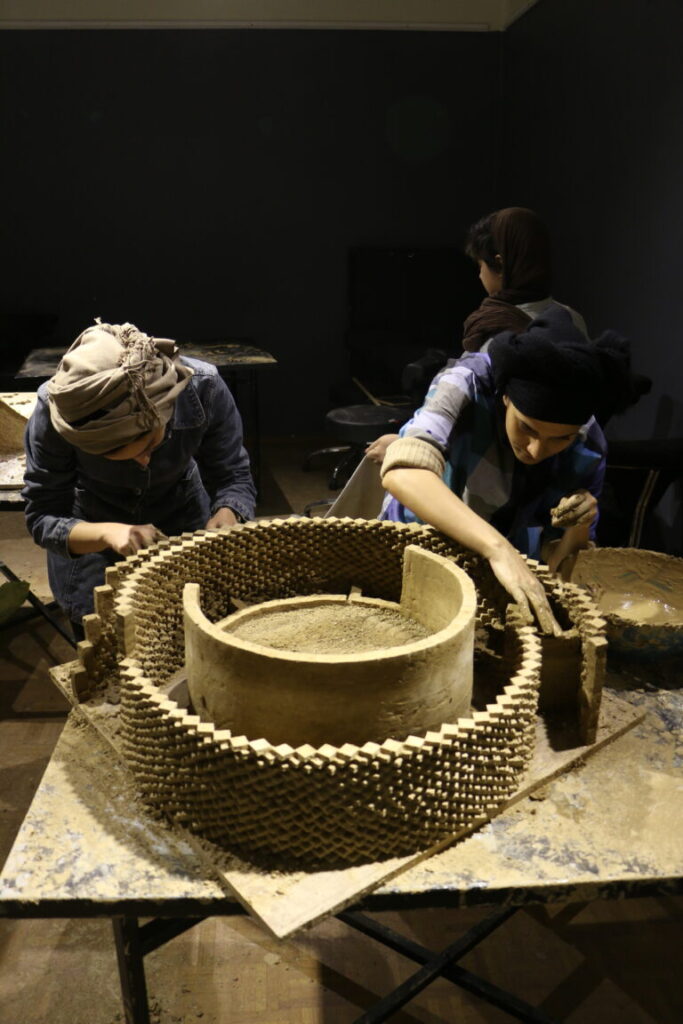
In terms of program, the Esfahk Mud Center functions simultaneously as a school, a research laboratory, and a cultural institution. Its aim extends beyond Esfahk itself; The center aspires to provide guidance wherever communities need sustainable ways to live with nature, positioning earth architecture as a globally relevant practice rather than a regional curiosity. Esfahk Village is a historically significant desert settlement in the South Khorasan region of Iran that suffered severe damage from the 1978 earthquake, causing much of the historic fabric to be abandoned over time. The center’s placement within this vulnerable context gives the project an urgency that goes beyond aesthetics: it is an act of cultural repair.
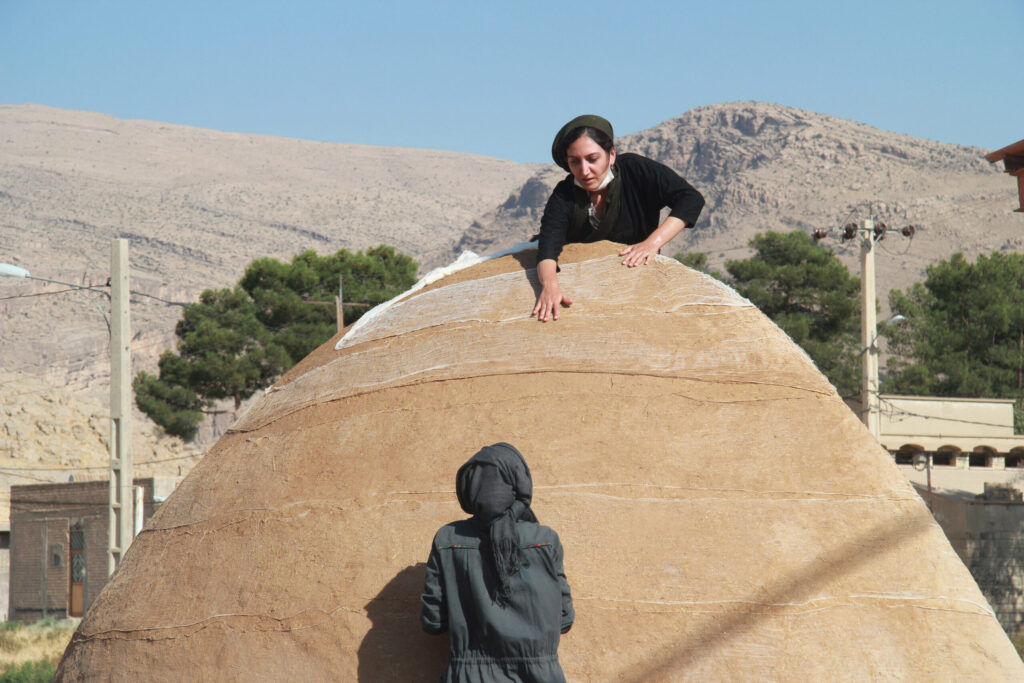
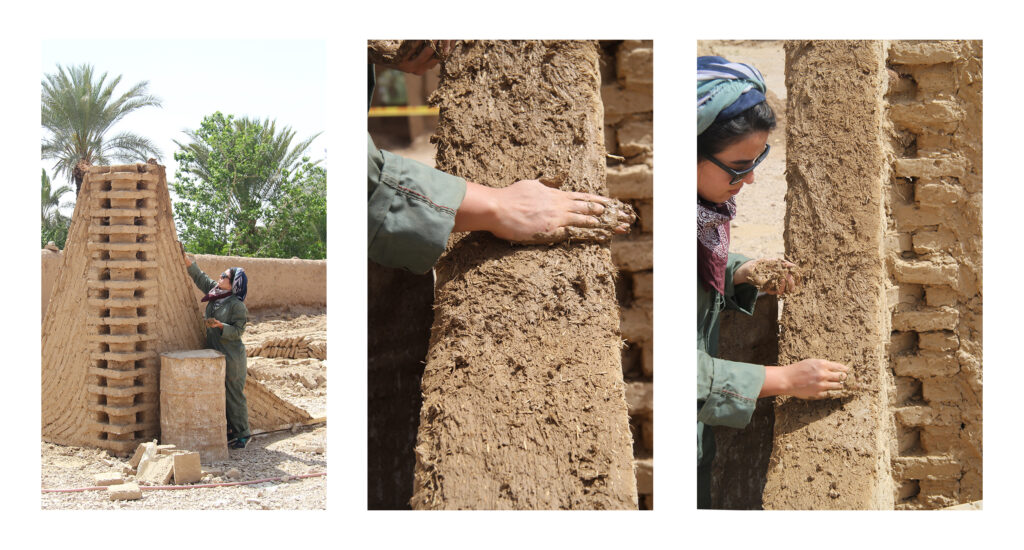
The building is constructed primarily from adobe combined with lime-based plasters and earth mortars, all sourced locally and processed on-site by participants themselves. The design begins from the smallest unit, the adobe brick, and scales upward, using hands as the primary construction tool and traditional Iranian techniques as the guiding logic.
What the Esfahk Mud Center ultimately inspires is a rethinking of what a building can be asked to do. It is not simply shelter, nor merely an aesthetic statement — it is a living argument for the intelligence embedded in pre-industrial building cultures. The center raises the question of whether contemporary architecture, in its relentless pursuit of novelty and technological sophistication, has abandoned forms of knowledge that took centuries to develop and that address, with remarkable precision, the real conditions of place, climate, and community. Khazaeli’s work suggests that sustainability is not a feature to be added to a building but a logic that must be recovered from the ground up.
Works Cited:
Khazaeli, Pouya. Esfahk Mud Center. Esfahk Mud Center, 2015. esfahkmudcenter.org
Esfahk Mud Center: Earth Architecture in South Khorasan. Terra — Hypotheses, CRAterre. Accessed March 2026. terra.hypotheses.org/3748
CAOI Architecture. Esfahak Historic Village Restoration Project. Archinect. Accessed March 2026. archinect.com/caoi/project/esfahak-historic-village-restoration-project
Khaloian, Nareh. Living Structures. Nareh Khaloian, 2023. Accessed March 2026. narehkhaloian.com/living-structures