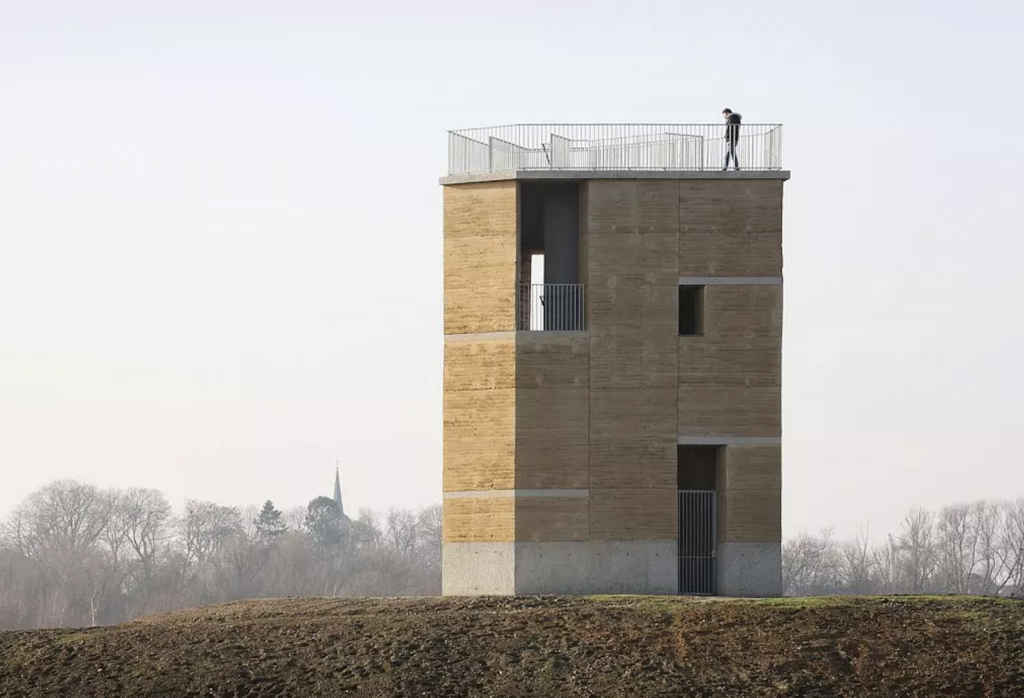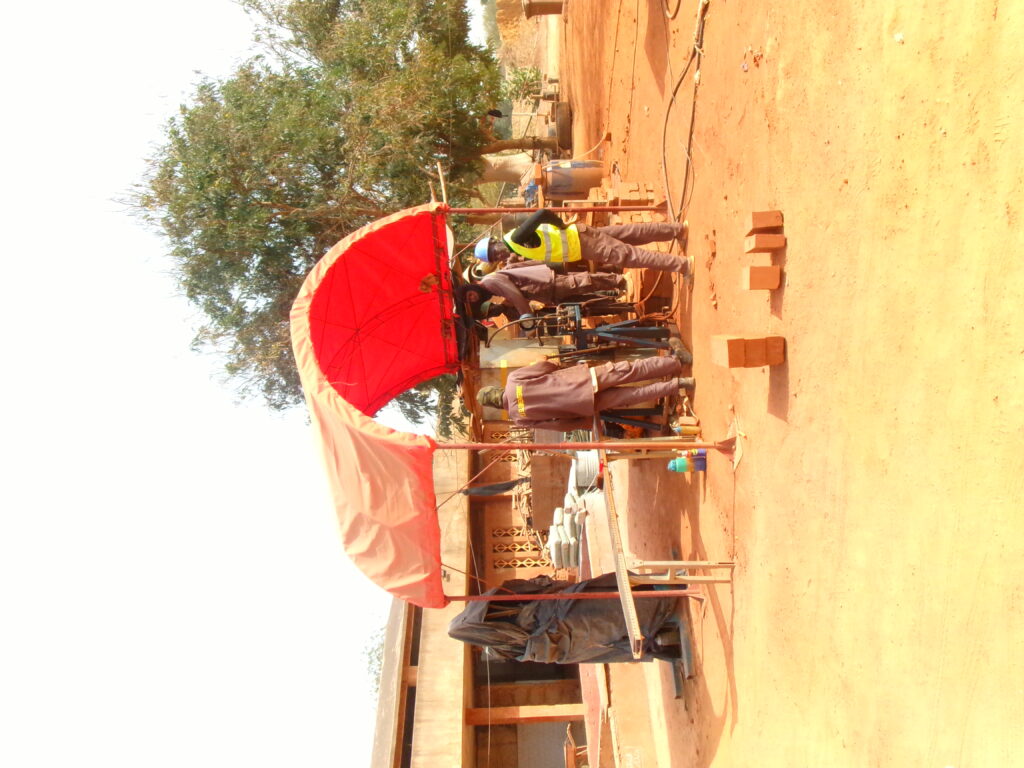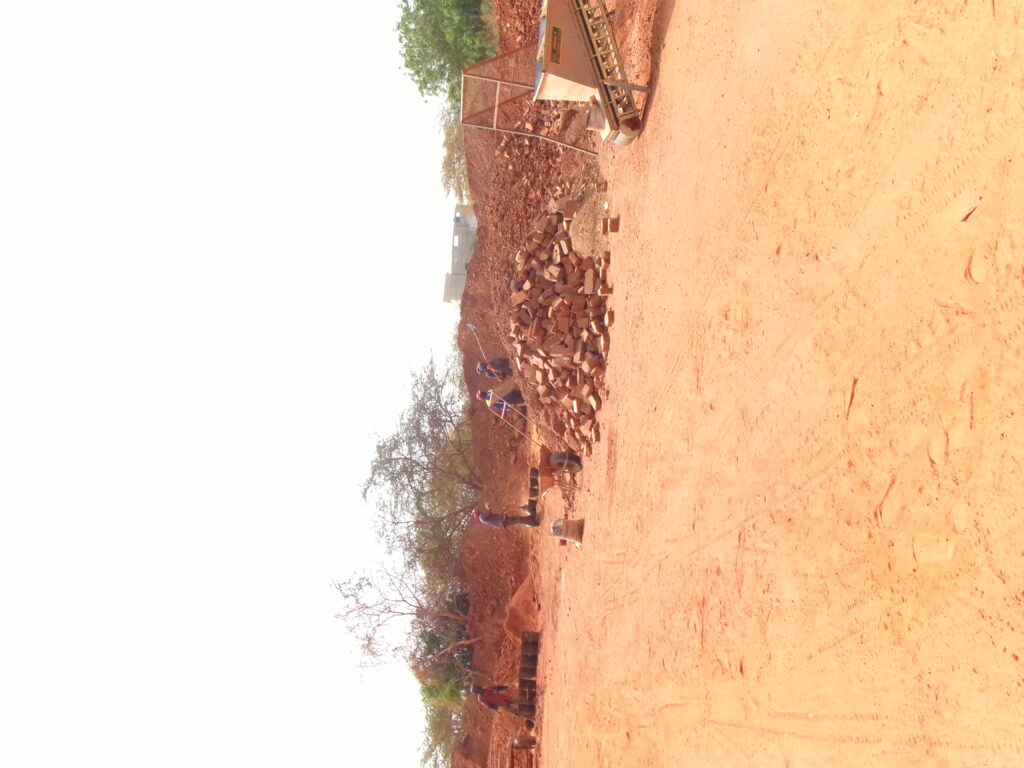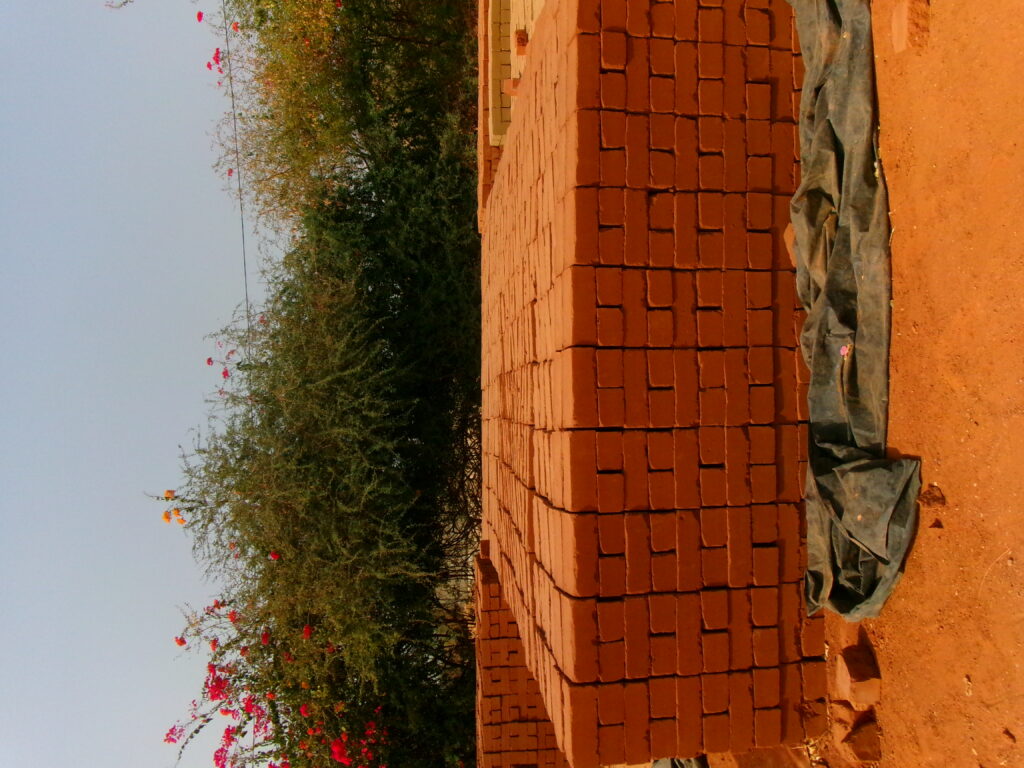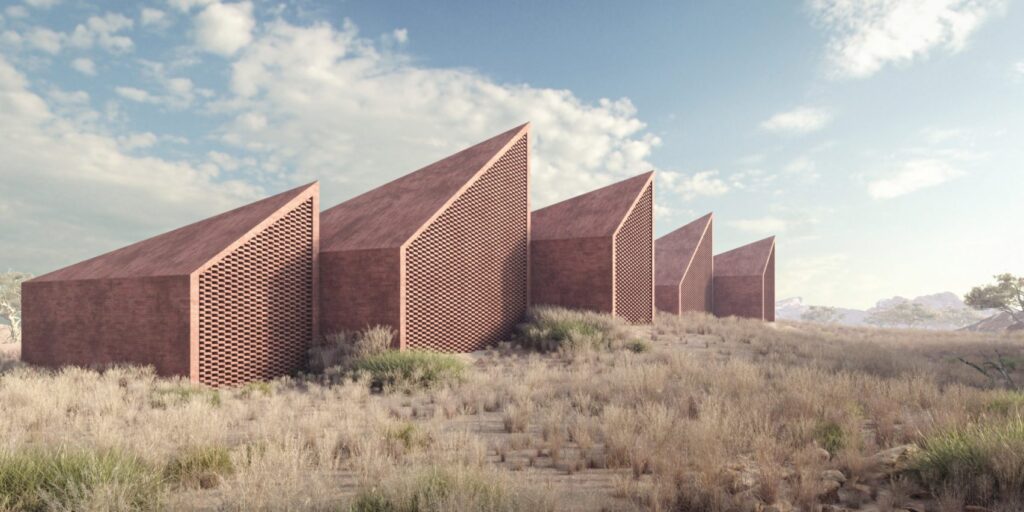
TERRA

The Master

The European Master in Earthen Architecture and Construction (TERRA) is a unique programme dedicated to advancing knowledge and professional practice in earthen architecture and construction. Its first edition will take place in the 2026/2027 academic year as a funded Erasmus Mundus Joint Master.

TERRA is a one-year, full-time programme (60 ECTS) awarding a double Master’s degree, jointly delivered by the University of Minho (Portugal), the Technical University of Valencia (Spain), the Graduate School of Civil, Environmental and Urban Engineering from the National School of Public Works (France), and the University of Florence (Italy). The programme is held on a rotating basis among partners. Students complete their coursework at one university and develop their dissertation at another. The language of instruction and examination is English. The curriculum is structured around five core areas:

  • Earthen Architecture and Building Culture
  • Earthen Materials
  • Functional Design and Sustainability
  • Structural Analysis and Design
  • Conservation of Earthen Buildings

Through an excellence-driven academic and research environment, students will develop a comprehensive and interdisciplinary skill set to address the complex challenges of earthen architecture and construction. Graduates will be equipped to stand out in a construction sector increasingly focused on sustainable solutions and in a rehabilitation market that demands specialised technical expertise.
Objectives

The TERRA is a highly specialised Master programme designed to educate a new generation of professionals capable of leading the transition towards sustainable construction practices. Graduates will be prepared to develop innovative earthen construction solutions, analyse the structural and environmental performance of earthen buildings, and implement conservation strategies for the rehabilitation of earthen architectural heritage.

The programme fosters a truly integrated approach between Architecture and Civil Engineering, grounded in a robust scientific foundation and aligned with the current global challenges in the construction sector. In addition to professional practice, graduates will be well prepared to pursue advanced research or doctoral studies in the field of Earthen Architecture and Construction.

Partners

Full Partners

The TERRA consortium brings together four leading higher education institutions of excellence, jointly awarding a double Master’s degree to its students.

Uminho logo

University of Minho Guimarães, Portugal (Coordinator)

Upv logo

Technical University of Valencia Valencia, Spain

Entpe logo

Graduate School of Civil, Environmental and Urban Engineering Lyon, France

Udf logo

University of Florence Florence, Italy

Associated Partners

The TERRA Master’s programme is supported by a broad network of Associated Partners worldwide (up to 39 until now), including higher education institutions, research and development institutes, industry partners, associations and non-governmental organizations. The Associated Partners play a relevant role in Master’s activities by:

  • Delivering lectures and seminars
  • Co-supervising dissertations and hosting students during the dissertation period
  • Contributing to the development of course materials
  • Supporting graduates’ employability prospects

Programme Structure

The TERRA Master integrates the expertise of four leading European Higher Education Institutions in areas related to Earthen Architecture and Construction: the University of Minho (Portugal), the Technical University of Valencia (Spain), the Graduate School of Civil, Environmental and Urban Engineering at the National School of Public Works (France), and the University of Florence (Italy). Together, these partners deliver a high-level education programme founded on academic excellence and strong interdisciplinary collaboration.

Students engage with specialists from the complementary fields of Architecture and Civil Engineering through six coursework units (1st semester), hosted by two partner universities per edition on a rotating basis. The Master’s dissertation is completed during the 2nd semester and may be hosted at any of the four partner institutions. Students are required to complete their coursework and dissertation at different locations.

The mobility track is based on students’ preferences while ensuring an adequate balance among partner institutions and observing specific eligibility criteria. The curriculum remains identical across all mobility tracks, ensuring academic consistency and equivalence of learning outcomes

The programme also includes an Integration Week where all students will meet together at a partner institution not hosting coursework in that edition. Furthermore, a TERRA workshop series will be launched following the first edition to promote networking and collaboration among students, alumni, lecturers, researchers and professionals in the field.

The TERRA mobility scheme follows a two-edition cycle, with the full rotation (including the Integration Week), achieved after four editions, enabling students to visit up to three partner institutions during their studies. The table below summarises the full mobility cycle, including coursework, dissertation, Integration Week and TERRA Workshop.
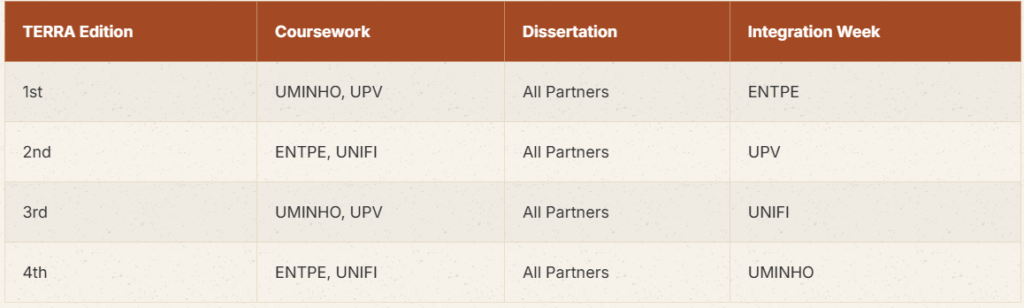
TERRA is a one-year, full-time programme. The study plan comprises seven course units:

  • five sequential units and one project-based learning unit delivered during the 1st semester (September to February), each worth 5 ECTS (i.e. 45 hours of lectures and 95 hours of independent student work)
  • one dissertation conducted during the 2nd semester (March to July), worth 30 ECTS (i.e. 15 hours of supervision and 825 hours of independent research work).

The curriculum is identical for all students, regardless of their mobility track. Attendance in all seven course units is mandatory, requiring students’ physical presence in the classroom.

Unit 1 (5 ECTS): Earthen Architecture and Building Culture

Unit 2 (5 ECTS): Earthen Materials

Unit 3 (5 ECTS): Functional Design and Sustainability

Unit 4 (5 ECTS): Structural Analysis and Design

Unit 5 (5 ECTS): Conservation of Earthen Buildings

Unit 6 (5 ECTS): Integrated Project on Earthen Construction

Unit 7 (30 ECTS): Dissertation

Professional Perspectives

TERRA graduates will emerge as highly skilled professionals equipped to address the growing global demand for sustainable, resilient and culturally grounded construction solutions. The programme offers a comprehensive and interdisciplinary education, combining engineering, architecture, materials science, conservation and sustainability. This broad foundation enables graduates to work across the full spectrum of the construction sector, from designing new earthen buildings to conserving architectural heritage and developing sustainable materials and technologies.


For Application details, check the website.
BC Materials

BC Materials is a Belgian company that develops, produces, demonstrates, and sells earthen building materials. Founded as a workers co-operative and spin-off of BC Architects (Brussels Corporation) in 2018, BC Materials’ goal is to facilitate the replacement of contemporary, standard building materials with earth-based alternatives in European construction. The firm was the “brainchild” of Ken De Cooman, Nicolas Coechelberghs, Laurens Bekemans, and Wes Degreef. 

Roughly 60% of earth excavated in construction is wasted due to storage and transportation challenges. To combat this, BC Materials has pioneered a “circular” method of construction with earthen materials that uses urban mineral waste from construction sites and repurposes the excavated earth to make rammed earth structures, compressed earth blocks, and earth plasters/paints. The process of making these products using recycled earth is carbon-neutral, meaning BC Materials’ products are much better for the environment than the aforementioned contemporary alternative building materials.  

Rammed earth building, BC Materials was consulted during construction. Image by BC Materials

According to their website, BC Materials is involved in 5 primary activities: 

  1. Developing materials and consulting construction partners on their use.
  2. Making bespoke materials.
  3. Designing and prefabricating objects and constructive systems.  
  4. Training contractors and craftsmen.
  5. Producing and commercializing a brand of standard circular materials called Léém. 

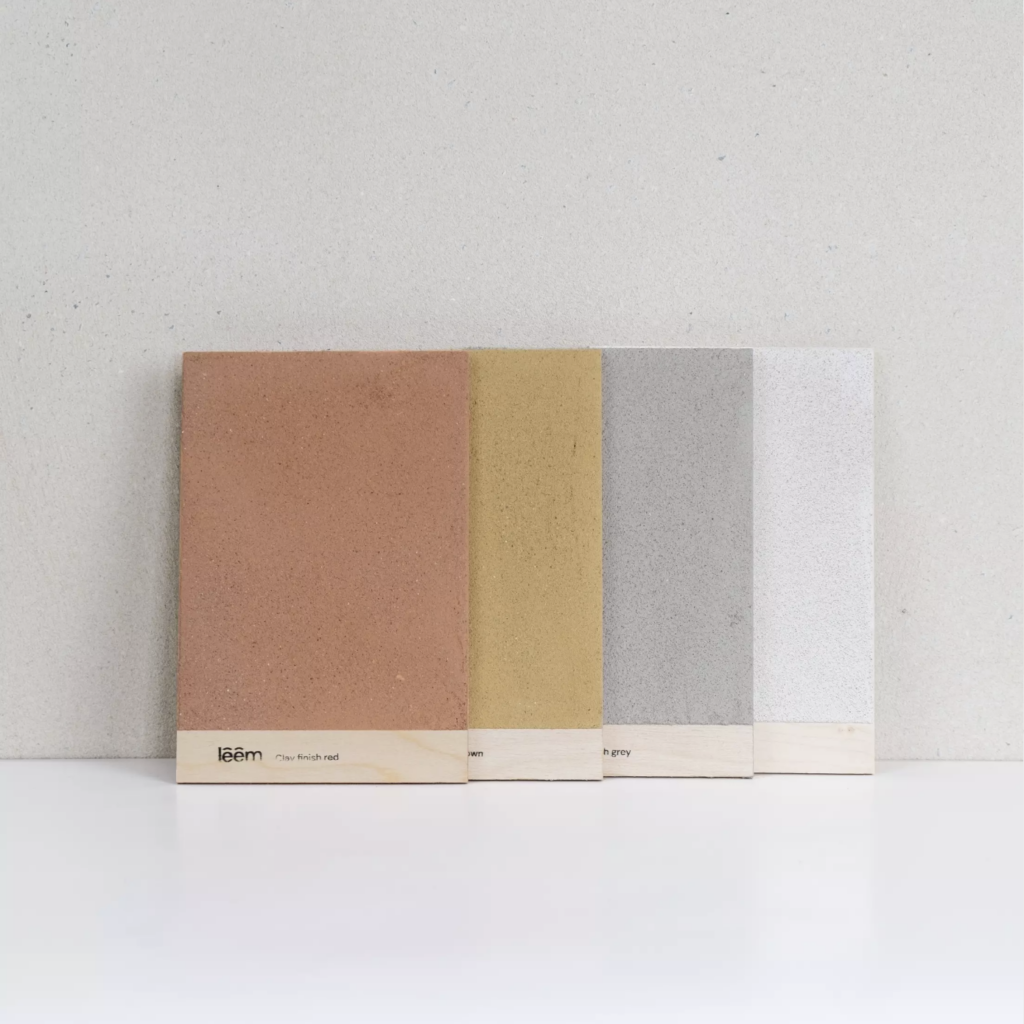
Léém is BC Materials premier product line that attempts to make earthen materials more accessible to both architects and builders. Offering Léém clay plasters and paints, Léém earth block masonry, and Léém rammed earth mixes and tools, BC Materials are working to transform the availability and convenience of circular earthen building materials for use in every-day construction.  


Leem Clay Paints, picture by BC Materials


Sources: 

BC Materials. BC Materials, https://bcmaterials.org/.

Building with Earth – BC Materials and the Revival of Clay in Construction.” Natura Mater, 10 Dec. 2024, https://www.naturamater.eu/en/post/building-with-earth-bc-materials-and-the-revival-of-clay-in-construction.

“BC Materials.” Regenerative Design World, https://regenerativedesign.world/bc-materials-2/.

Kangina

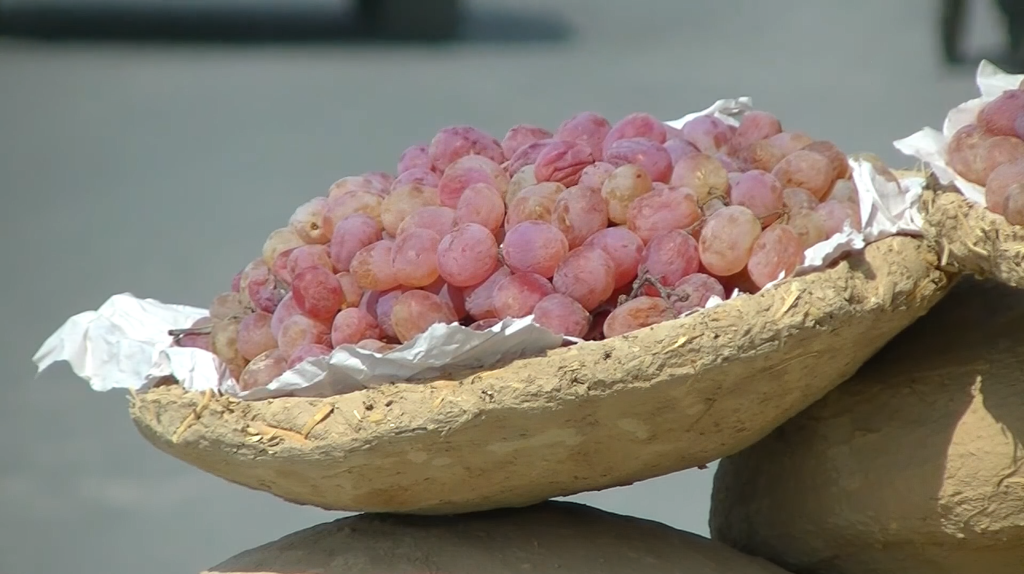
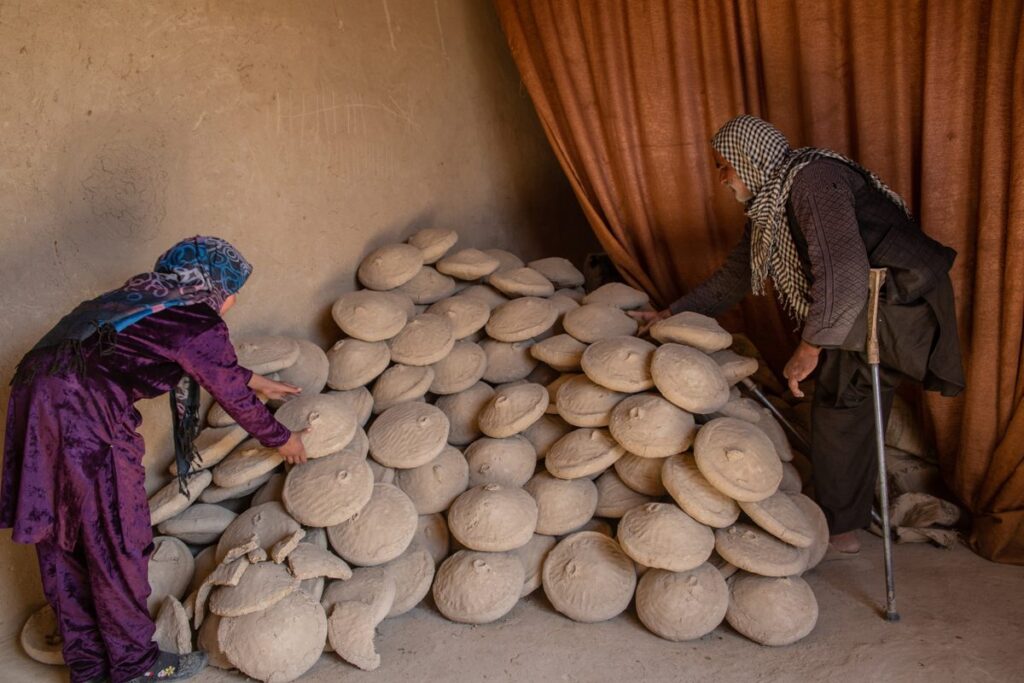
A paper-lined kangina, opened to access the grapes stored inside. Credit: Voice of America

Kangina (Dariکنگینهlit.treasure),  is the traditional Afghan technique of preserving fresh fruit, particularly grapes, in airtight discs formed from mud and straw.

This technique has been practiced for centuries, particularly in rural regions of central and northern Afghanistan, where access to imported fresh produce is limited during winter months. Grapes stored in kangina can remain fresh for up to six months, allowing communities to extend seasonal harvests and enabling merchants to transport fruit over long distances without spoilage.

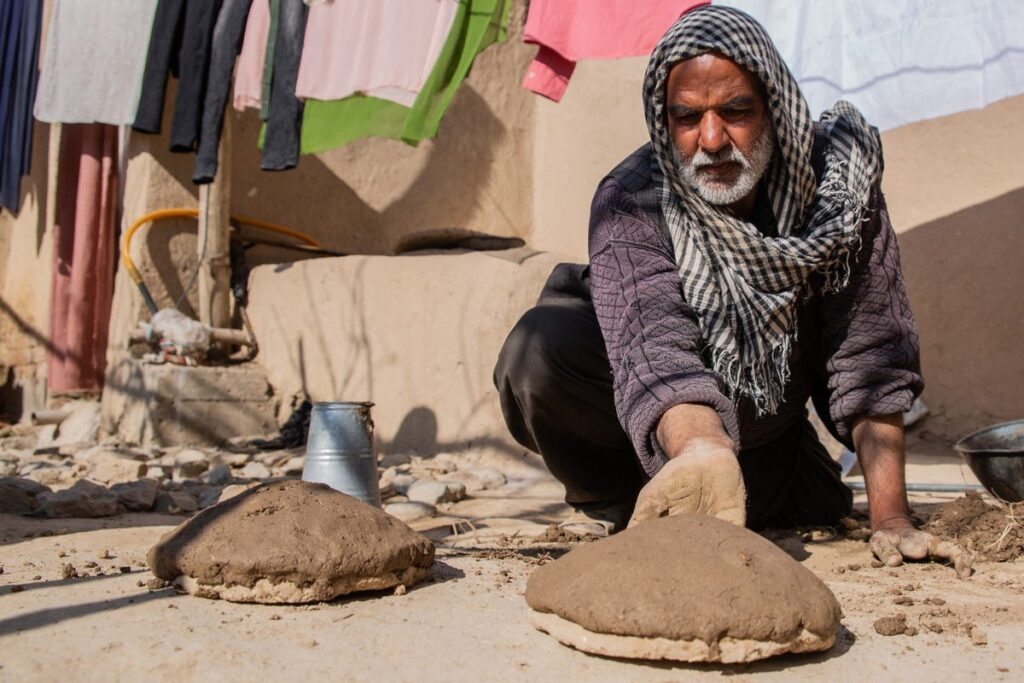
Ziaulhaq Ahmadi makes bowls of mud and straw for fresh grapes. Credit: Atlas Obscura

The container is formed by shaping two shallow, bowl-like shells from a mixture of clay-rich mud and straw, which are then dried in the sun. Fresh, undamaged grapes—typically thick-skinned varieties such as Taifi or Kishmishi—are placed inside before the two halves are sealed together with additional mud, creating an enclosed volume. The finished vessel is stored in a cool, dry environment, protected from direct sunlight.

Sabsina shows where the family stores the kangina: in a dry, cold space, away from direct sunlight. Credit: Atlas Obscura

Kangina functions as a passive controlled-atmosphere system. Although the mud shell appears sealed, it remains microscopically porous, allowing a slow and continuous exchange of gases between the interior and exterior. Oxygen gradually diffuses into the container, enabling the grapes to remain alive, while carbon dioxide produced through respiration accumulates inside. This elevated concentration of carbon dioxide slows metabolic activity and inhibits the growth of fungi and bacteria, effectively delaying spoilage without the need for mechanical refrigeration.

At the same time, the material properties of the mud contribute to humidity regulation. The earthen shell absorbs excess moisture released by the fruit, preventing condensation and reducing conditions favorable to microbial growth. This balance of gas exchange and moisture control creates a stable internal microclimate that preserves the grapes’ freshness, texture, and nutritional quality over an extended period.

Historically, similar techniques have been documented as early as the twelfth century. In his Book of Agriculture, the Andalusian agronomist Ibn al-‘Awwam described methods of storing grapes in mud-sealed containers layered with straw, indicating a long-standing tradition of using earthen materials to regulate environmental conditions for food preservation.

Kangina remains an inexpensive, environmentally sustainable, and effective method of storage. It requires no external energy input and relies entirely on the intrinsic properties of natural materials. However, the containers are relatively heavy, fragile, and susceptible to absorbing external moisture, which can affect their durability and performance in certain conditions.

“Kangina.” Wikipedia. Last modified 2023.  https://en.wikipedia.org/wiki/Kangina

Glinski, Stefanie. “The Ancient Method That Keeps Afghanistan’s Grapes Fresh All Winter”. 2021. Atlas Obscura.

Esfahk Mud Center

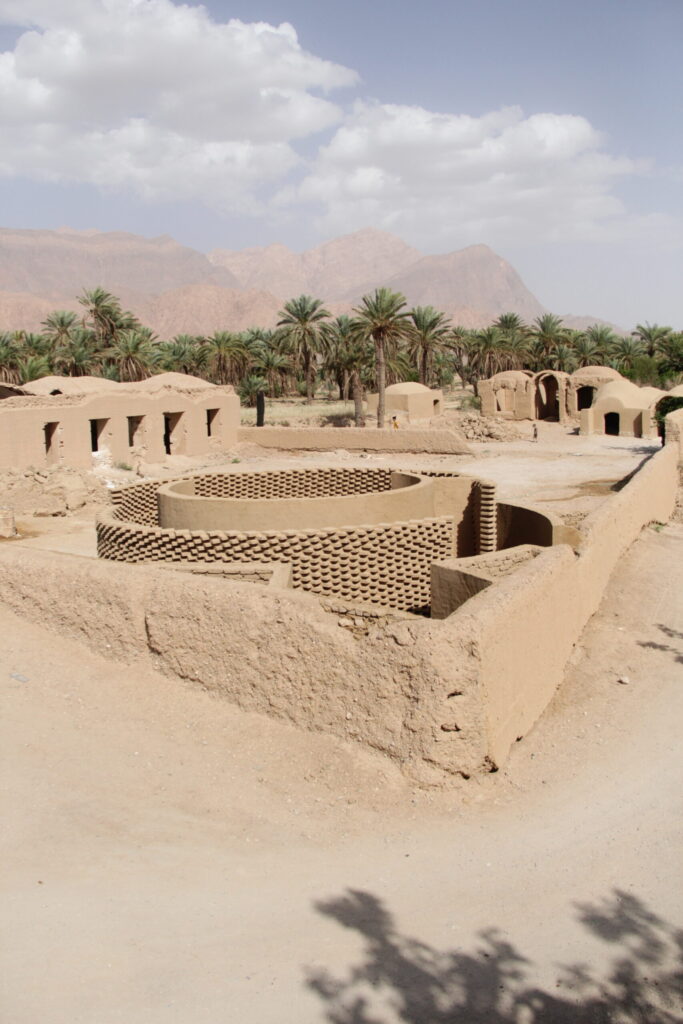
The Esfahk Mud Center, Iran.

The Esfahk Mud Center is a revival of clay and mud architecture in contemporary practice. Built in 2015 by architect Pouya Khazaeli, the center was established with the aim of reviving traditional clay and mud construction in Esfahk Village, Iran. Khazaeli founded the Esfahk Mud Center to reach beyond utility and conceptual design toward the extension of organic settings, with reverence to the cultural heritage of the region. The structure celebrates traditions that have allowed the local community to thrive in challenging weather conditions for ages.

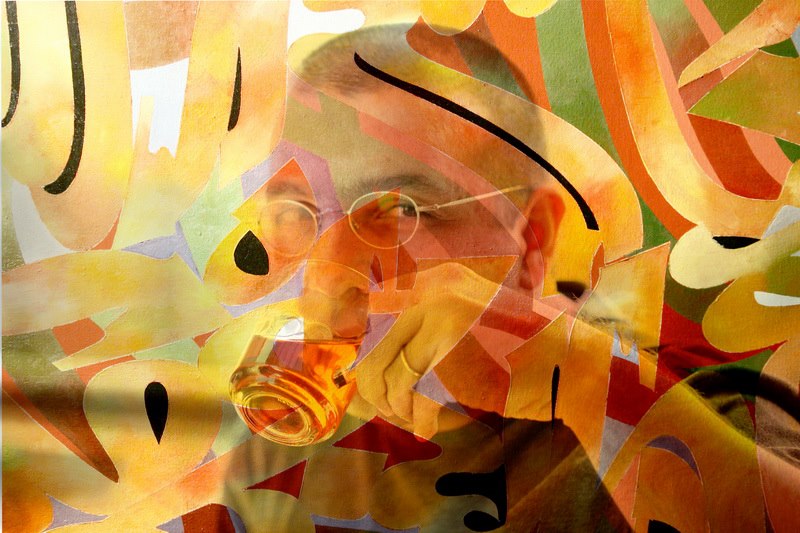
Pouya Khazaeli, Founding Architect of Esfahk Mud Center.

Khazaeli is an architect from Tehran, Iran, who earned his Master’s degree in architecture from Tehran Azad University in 2000, and went on to found Rai Studio in 2007. He has worked across Iran and internationally on projects rooted in vernacular and earth-based construction. His motivation is clear: to resist the homogenization of contemporary architecture and instead recover the wisdom embedded in traditional building methods, particularly those developed by communities adapting to harsh desert climates over centuries.

Series of traditional structures found at Esfahk Mud Center.

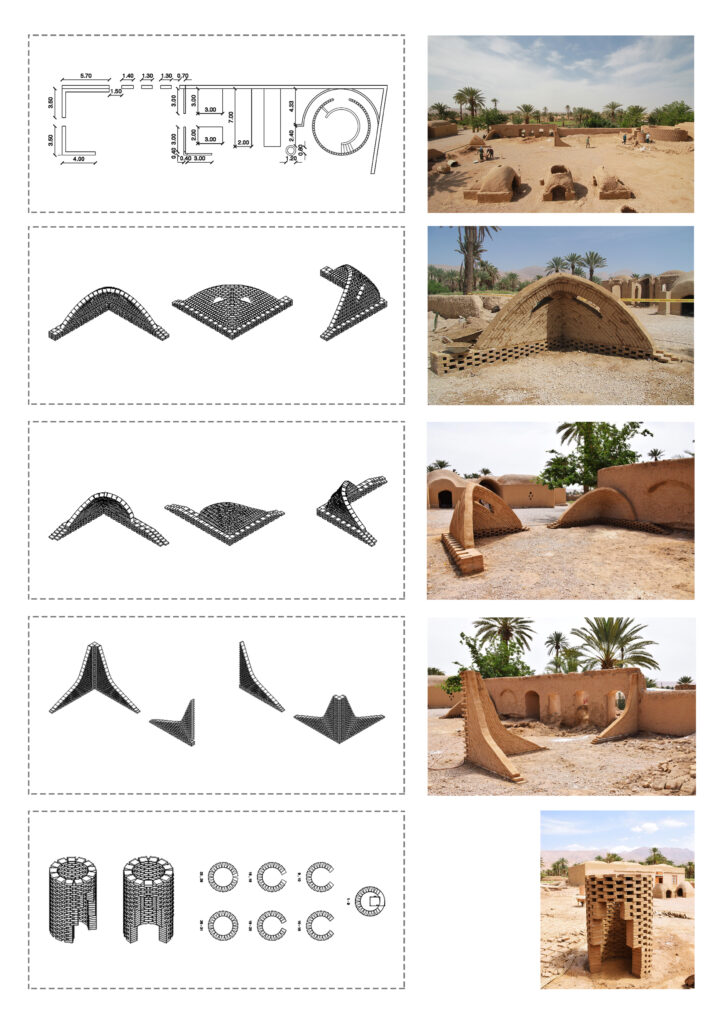
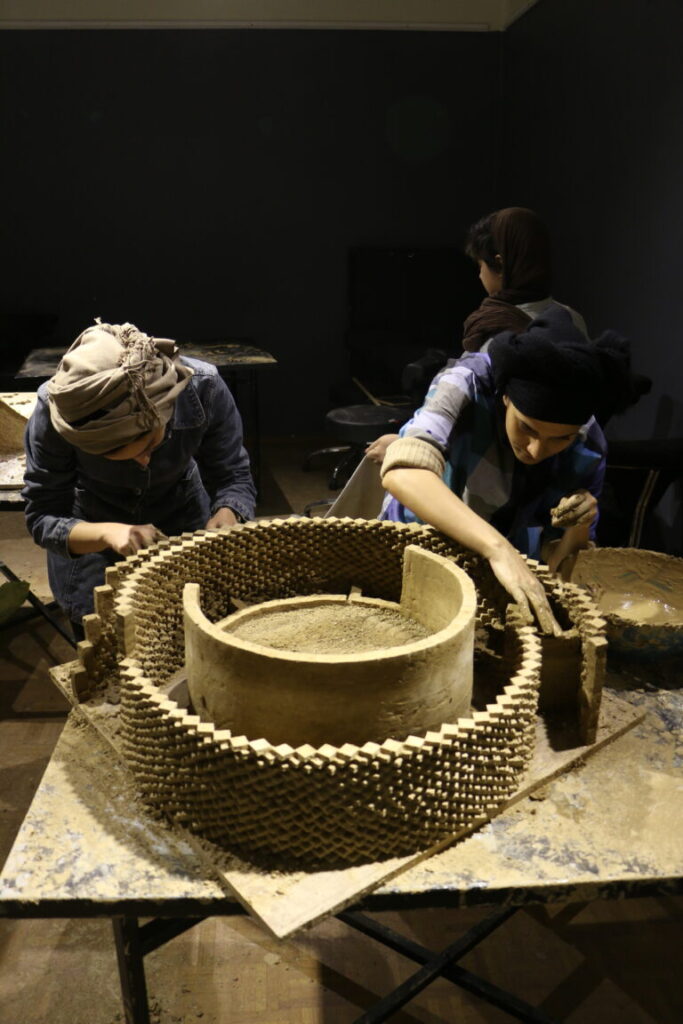
As an educational center, the building offers a range of educational activities like mud brick production, hands-on Iranian vault construction and lime based plastering rooted in vernacular Iranian practices. 

Women carefully construct an Adobe brick model in a class offered at Esfahak Mud Center.

In terms of program, the Esfahk Mud Center functions simultaneously as a school, a research laboratory, and a cultural institution. Its aim extends beyond Esfahk itself; The center aspires to provide guidance wherever communities need sustainable ways to live with nature, positioning earth architecture as a globally relevant practice rather than a regional curiosity. Esfahk Village is a historically significant desert settlement in the South Khorasan region of Iran that suffered severe damage from the 1978 earthquake, causing much of the historic fabric to be abandoned over time. The center’s placement within this vulnerable context gives the project an urgency that goes beyond aesthetics: it is an act of cultural repair.  

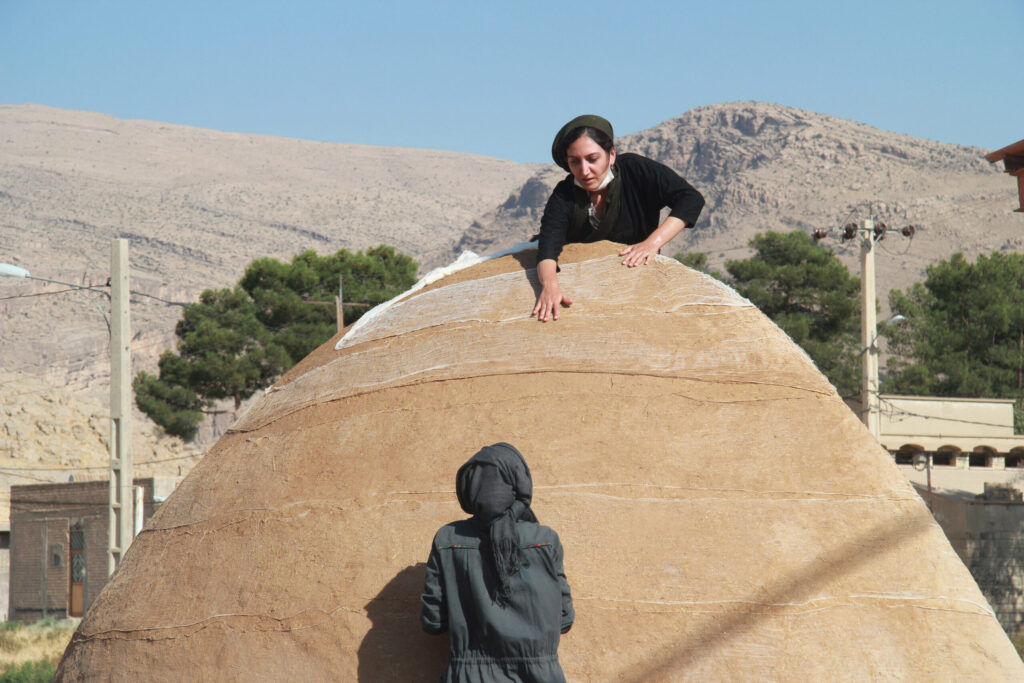
Two women work together using fabric to reinforce and protect an adobe structure at Esfahk Mud Center.

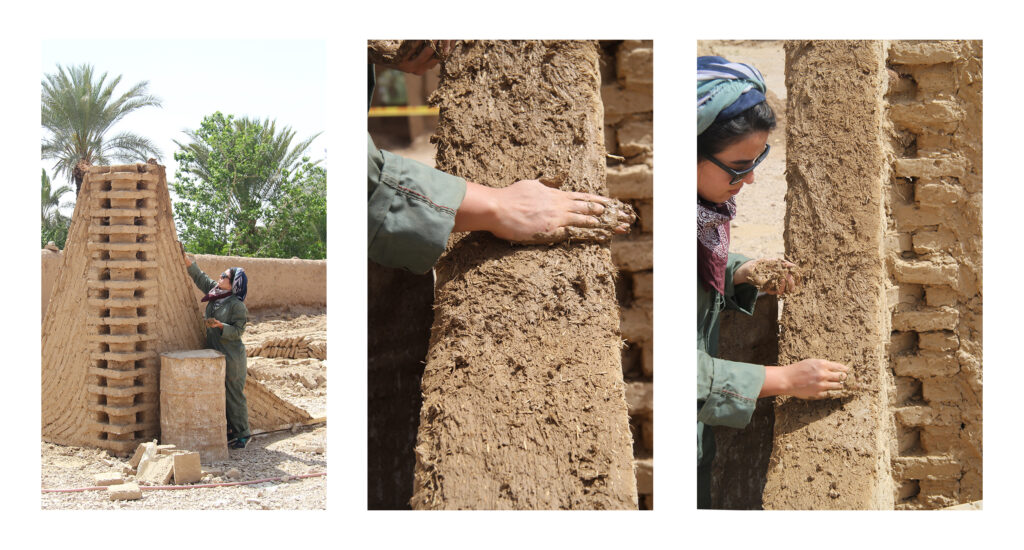
The building is constructed primarily from adobe combined with lime-based plasters and earth mortars, all sourced locally and processed on-site by participants themselves. The design begins from the smallest unit, the adobe brick, and scales upward, using hands as the primary construction tool and traditional Iranian techniques as the guiding logic

Hand plastering a mud structure.

What the Esfahk Mud Center ultimately inspires is a rethinking of what a building can be asked to do. It is not simply shelter, nor merely an aesthetic statement — it is a living argument for the intelligence embedded in pre-industrial building cultures. The center raises the question of whether contemporary architecture, in its relentless pursuit of novelty and technological sophistication, has abandoned forms of knowledge that took centuries to develop and that address, with remarkable precision, the real conditions of place, climate, and community. Khazaeli’s work suggests that sustainability is not a feature to be added to a building but a logic that must be recovered from the ground up. 

Works Cited:

Khazaeli, Pouya. Esfahk Mud Center. Esfahk Mud Center, 2015. esfahkmudcenter.org

Esfahk Mud Center: Earth Architecture in South Khorasan. Terra — Hypotheses, CRAterre. Accessed March 2026. terra.hypotheses.org/3748

CAOI Architecture. Esfahak Historic Village Restoration Project. Archinect. Accessed March 2026. archinect.com/caoi/project/esfahak-historic-village-restoration-project

Khaloian, Nareh. Living Structures. Nareh Khaloian, 2023. Accessed March 2026. narehkhaloian.com/living-structures

Beijing Teahouse by Kooo Architects

Project Overview ©Keishin Horikoshi

Project name: thé ATRE SHANJUCHAJING Concept Store

Design: Kooo architects

Completion Year: 2023

Leader designer & Team: Shinya Kojima, Ayaka Kojima, Kotaro Kitakami, Kangxin Wu, Yikxin Lai, Zheming Tian

Project location: 1F E103, Global Financial Center, Sanyuan Bridge, Chaoyang, Beijing, China

Gross built area: 175㎡

Clients: thé ATRE

Materials: Tea-earth Brick, Tea-diatum Mud, solid wood panels, recycled ceramic tile

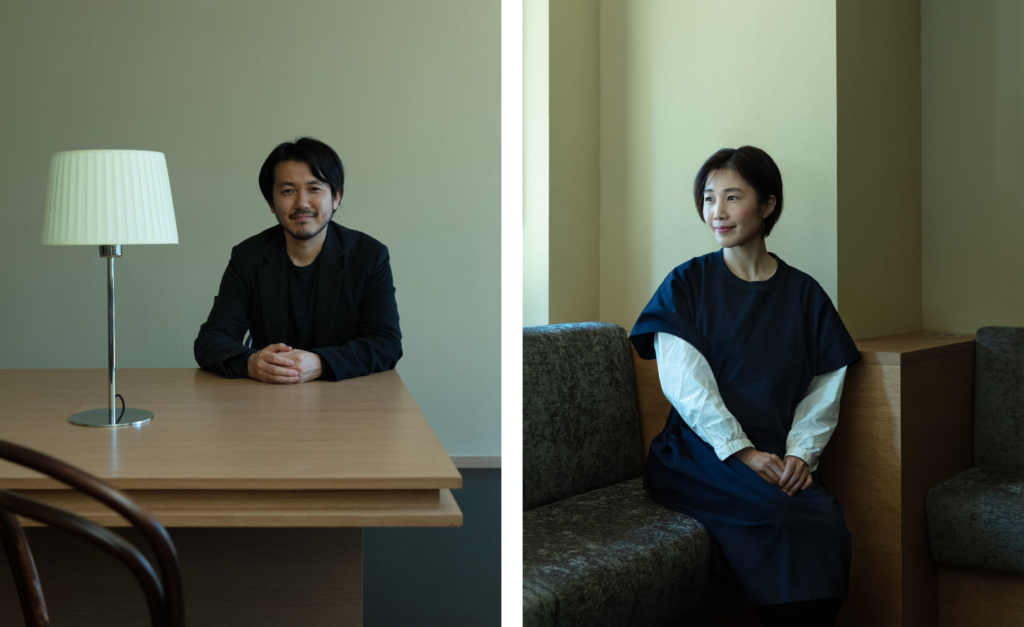
Kooo Architects was founded in 2015 by Ayaka and Shinya Kojima and has offices in Tokyo and Beijing. They questioned the homogenized materiality and uniform streets as a result of mass production, they aim to carry on and express the beauty and craftsmanship that is particular to that region through incorporating materials and details that can inherit its local climate and cultural background.

Shinya Kojima & Ayaka Kojima ©koooarchitects

In this project, they used custom-made bricks that combine compressed earth with waste tea leaves to create a natural feel inside the Théatre teashop.

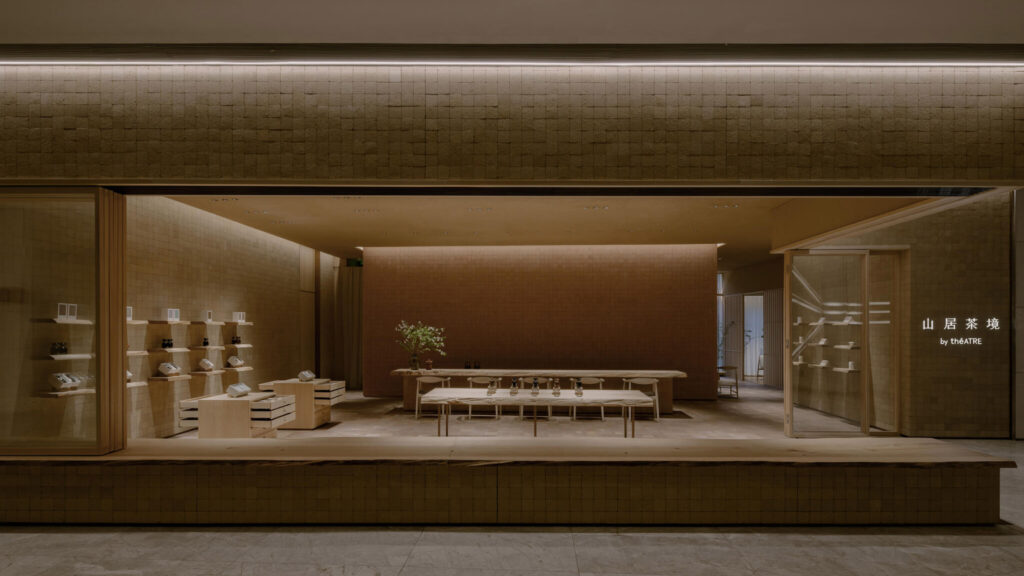
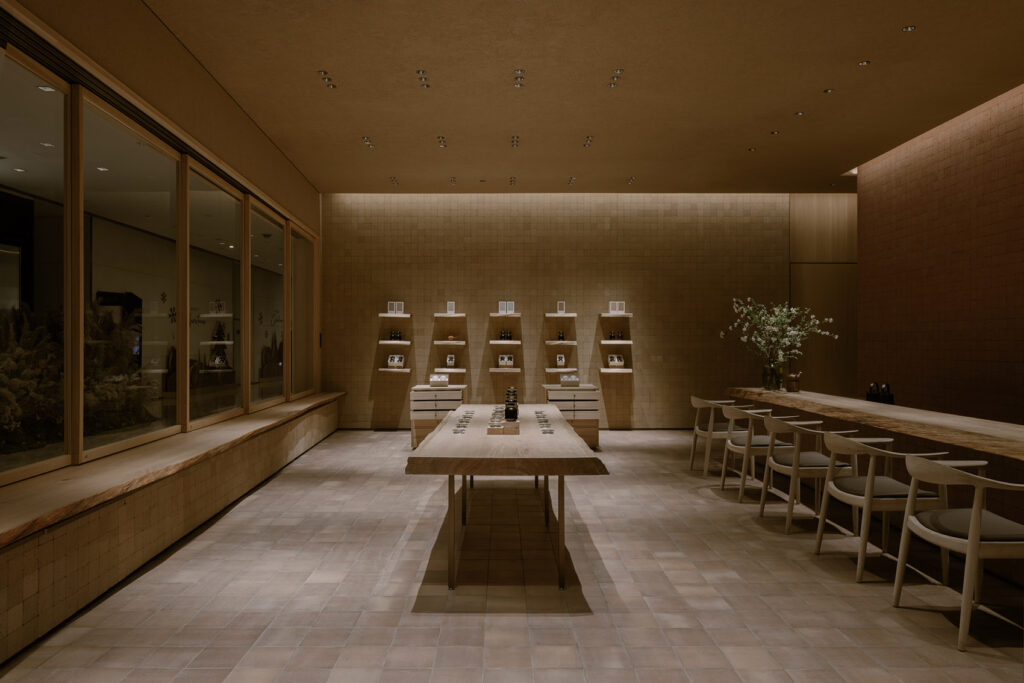
The store located in Beijing’s CBD belongs to Chinese brand Théatre, which wanted to immerse guests in the tea-drinking experience. So they created a multi-sensory space featuring tactile, natural materials that contribute to the store’s calming atmosphere.

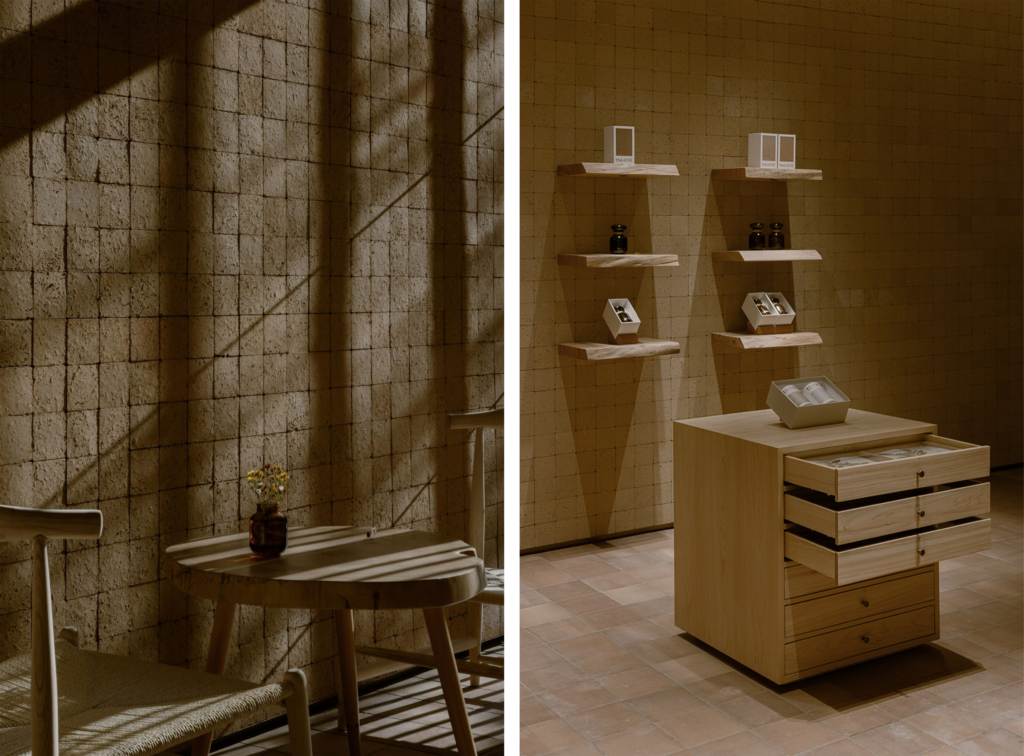
Interior space ©Keishin Horikoshi

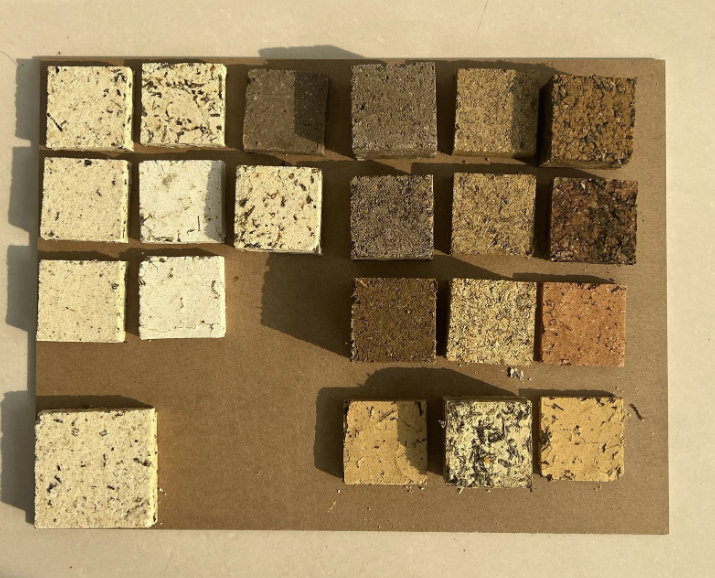
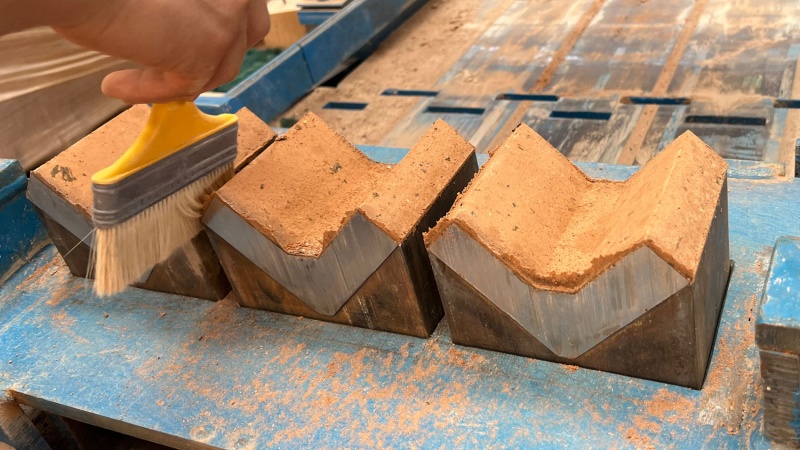
In an effort to incorporate tea itself into the interior design, Kooo Architects worked with Beijing-based Onearthstudio to develop a “tea-earth brick” that is used to clad 80 per cent of the store’s walls.

The interior ©Keishin Horikoshi

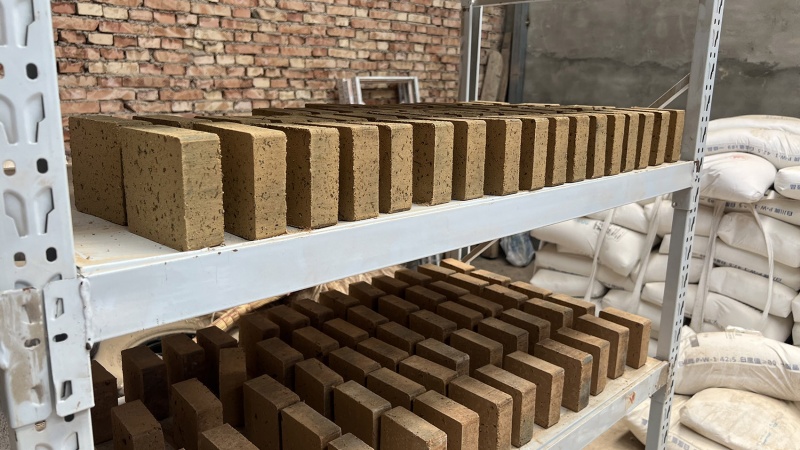
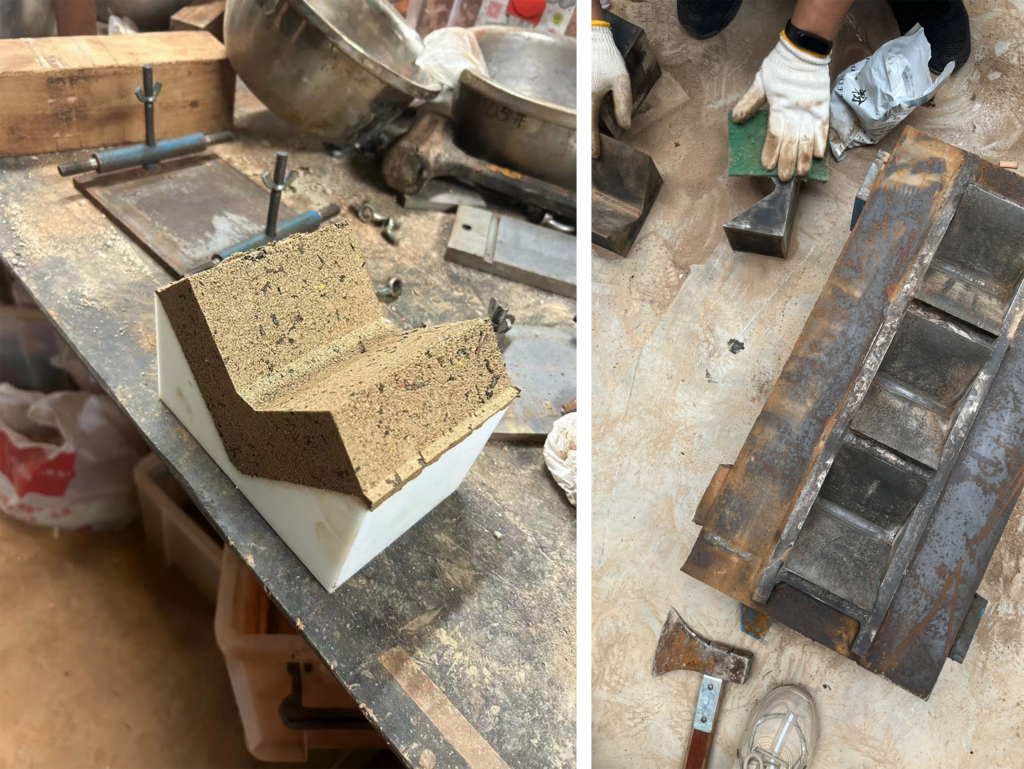
The bricks are moulded in a factory using a similar process to the way rammed earth buildings are constructed. This low-carbon process results in an environmentally friendly and non-toxic material with a wide range of natural colours.

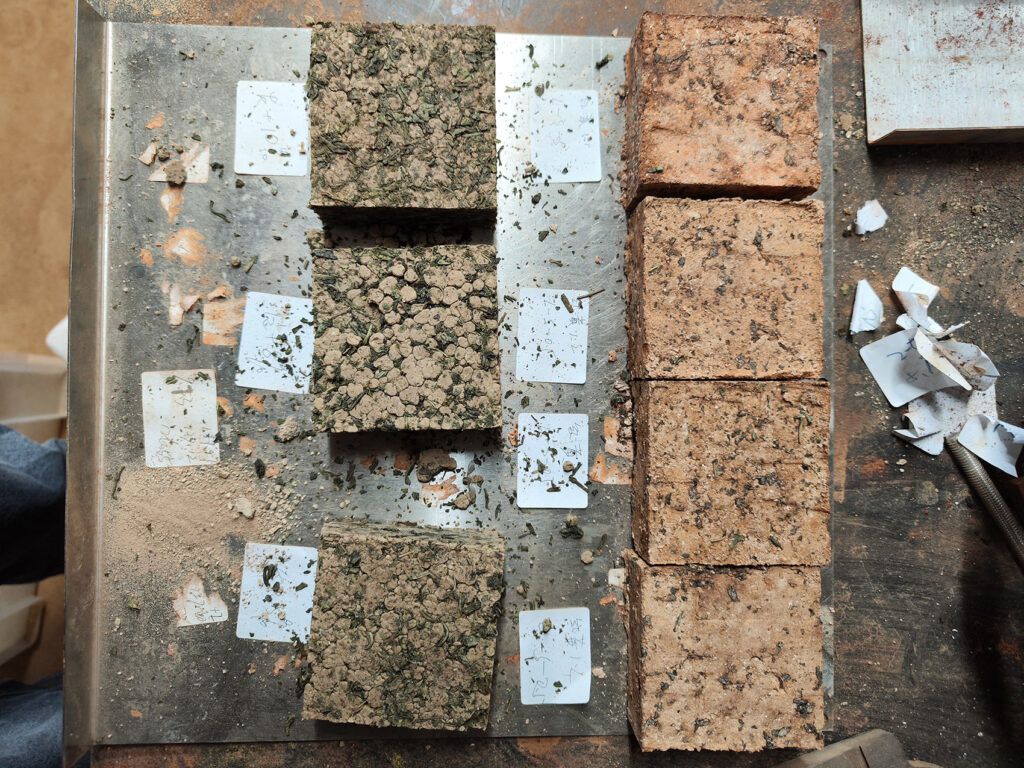
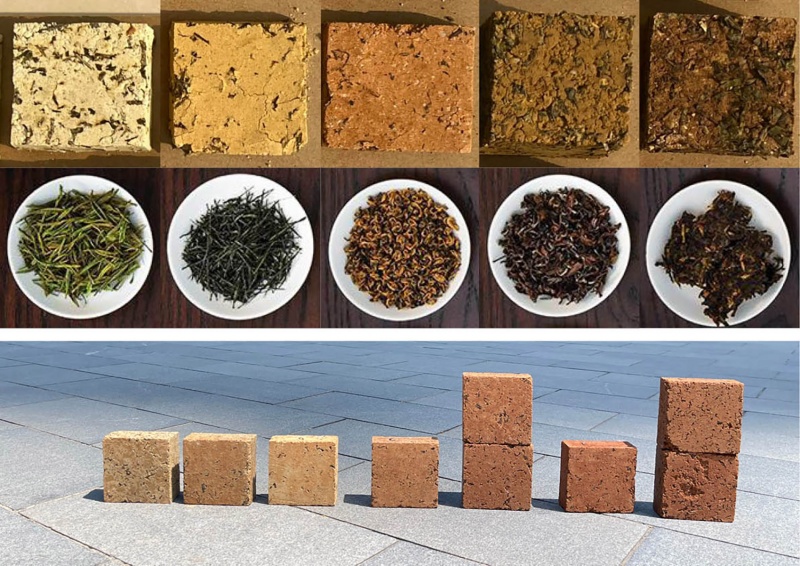
Kooo Architects tested different soil types and tea varieties to achieve a range of tones and textures for the bricks whilst maintaining the required strength in the material.

Experimental process of tea soil bricks ©koooarchitects
Tea-earth brick ©koooarchitects

The leaves used are leftovers from tea production that would otherwise be discarded as waste. The crumbled tea leaves create a textured surface that can be seen from up close, while the assembled bricks display natural tonal variations when viewed from a distance. The bricks for this project were produced with compact dimensions of 10 by 10 by 3 centimeters, making them suitable for cladding walls, doors and furnishings.
Application of the tea-earth brick ©Keishin Horikoshi

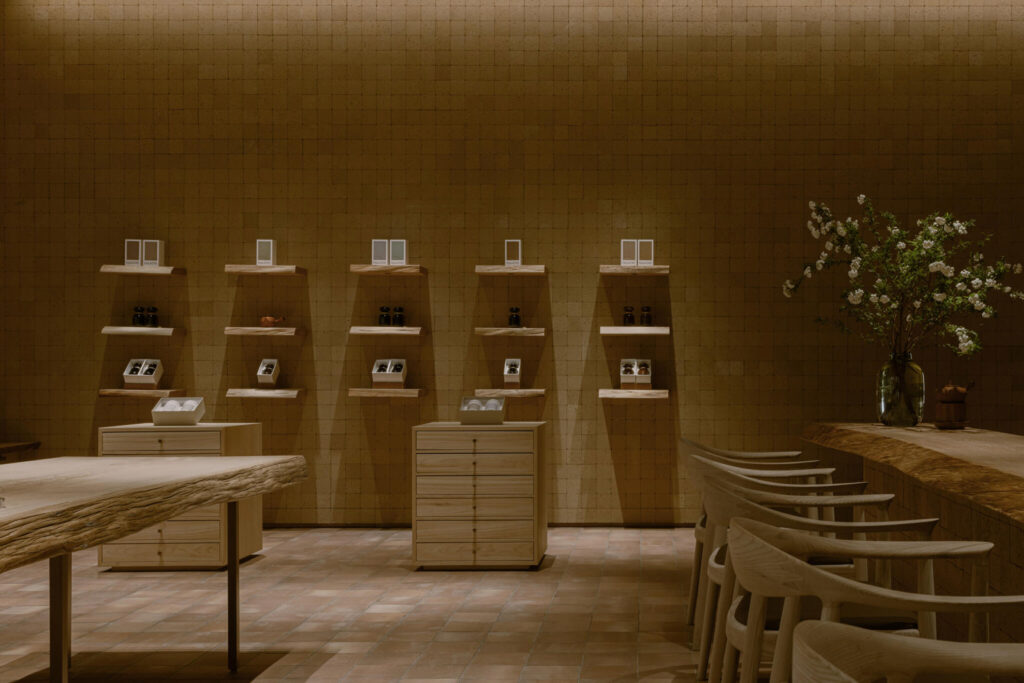
The brick becomes the basic module for space layout and furniture sizes, so everything is regulated clean and peaceful to the eye. They also made a special L-shape module for the corners so it wraps around smoothly.

Fabrication of tea-earth brick ©koooarchitects
Special L-shape module ©koooarchitects

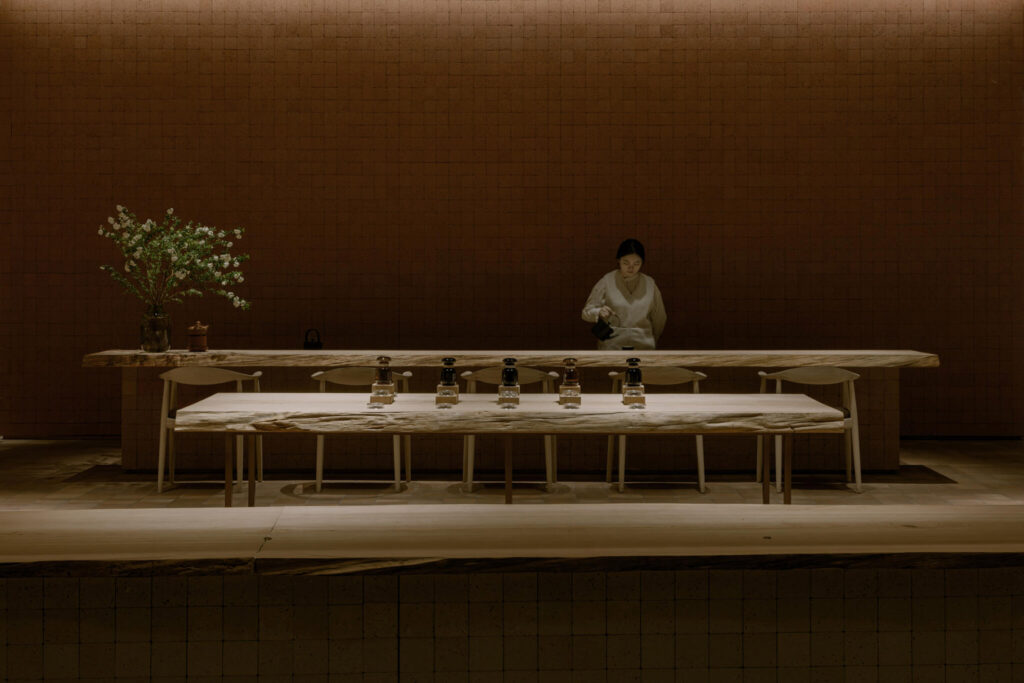
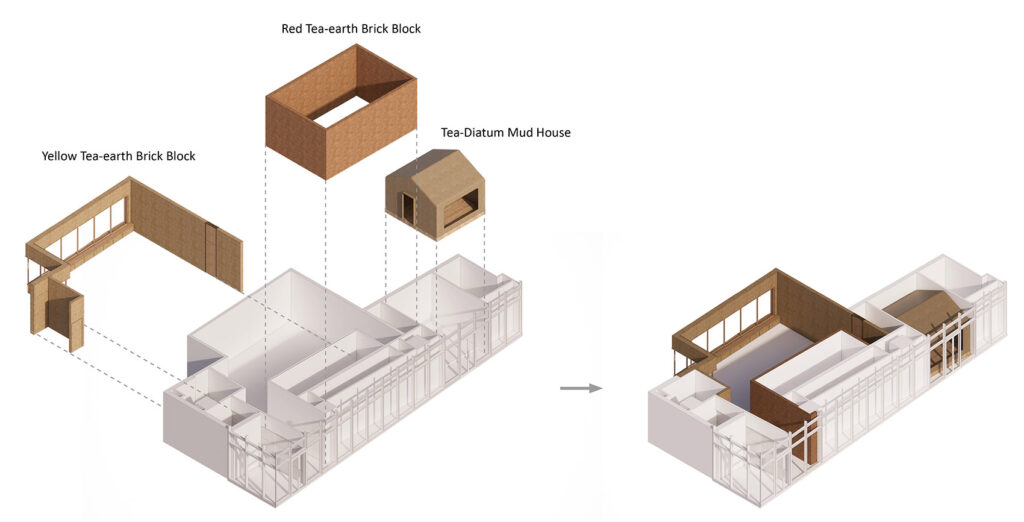
A red version of the bricks was chosen for a large volume that forms a focal point within the space, while the surrounding walls feature a more muted yellow tone that contributes to the relaxing feel.

Tea bar ©Keishin Horikoshi

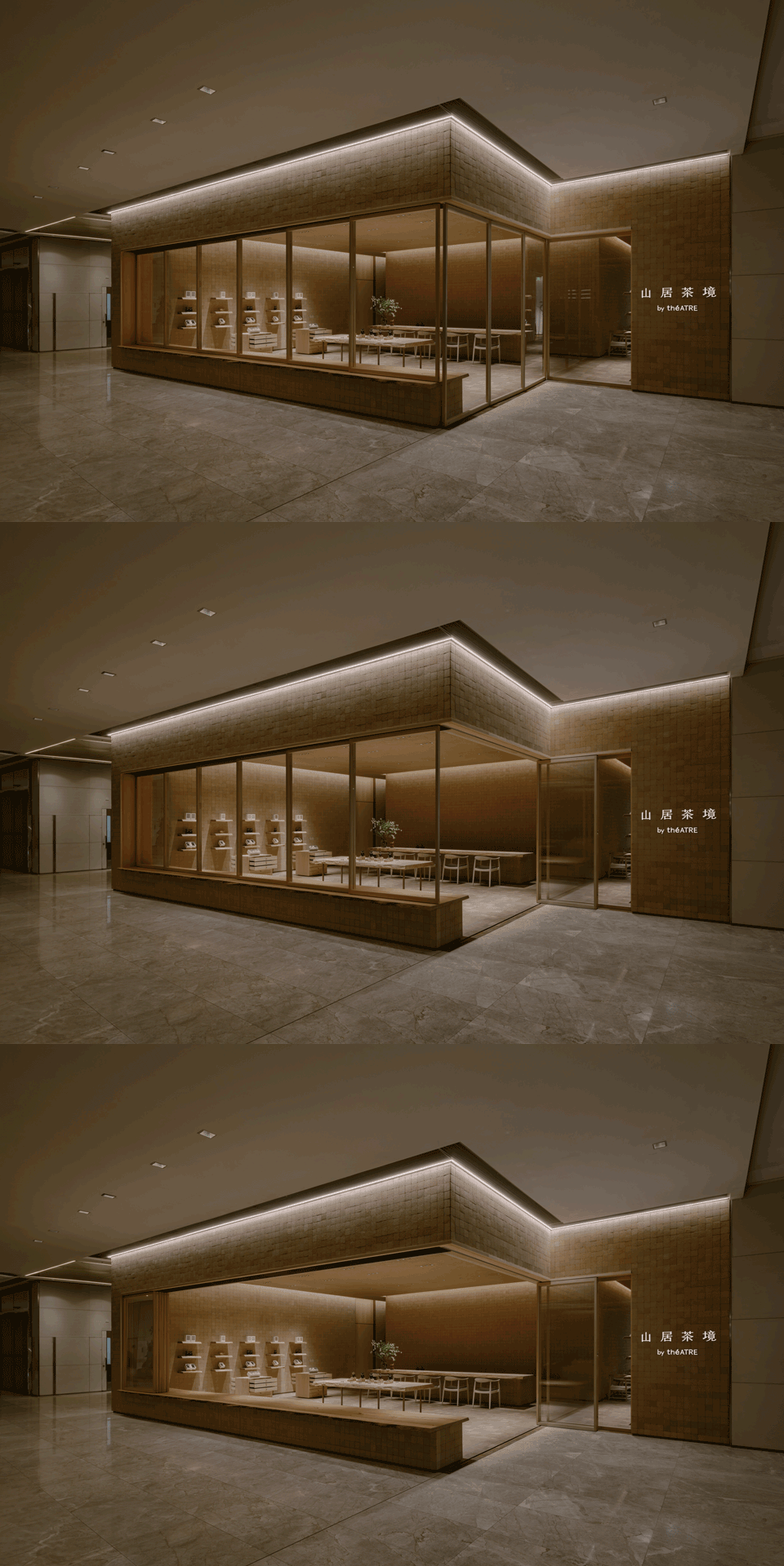
The bricks were also used to create a lintel for the main facade, with folding windows and doors allowing the store to be opened up completely to the outside.

Various status of the entrance ©Keishin Horikoshi

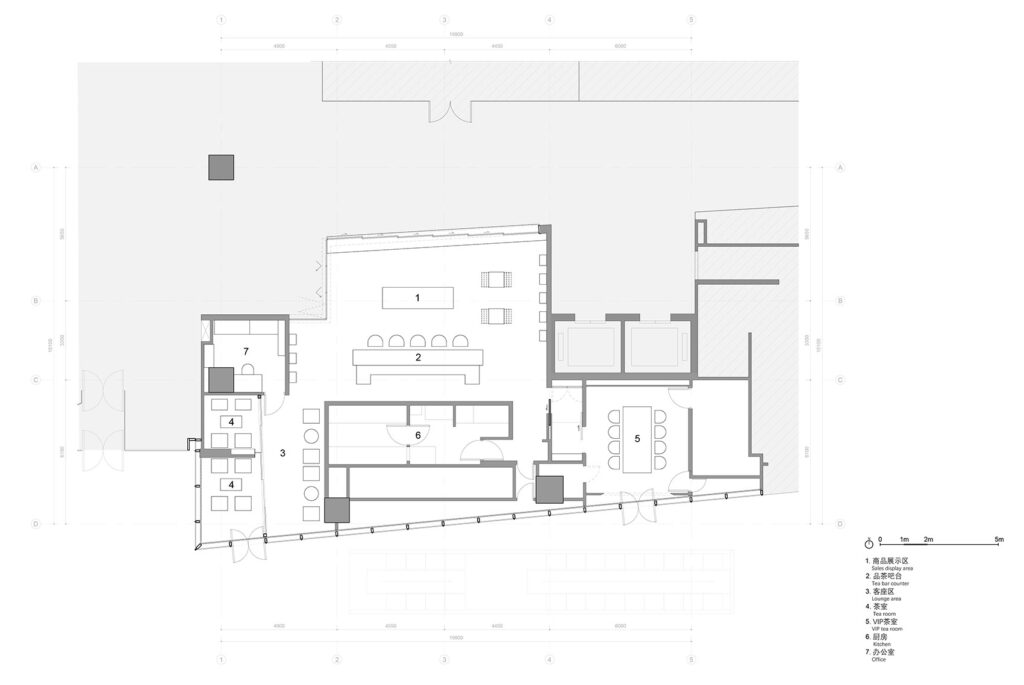
Internally, the space is organized into different functional zones, with a large sales display area and serving counter positioned inside the entrance.

Massing axonometric ©koooarchitects
Store plan ©koooarchitects

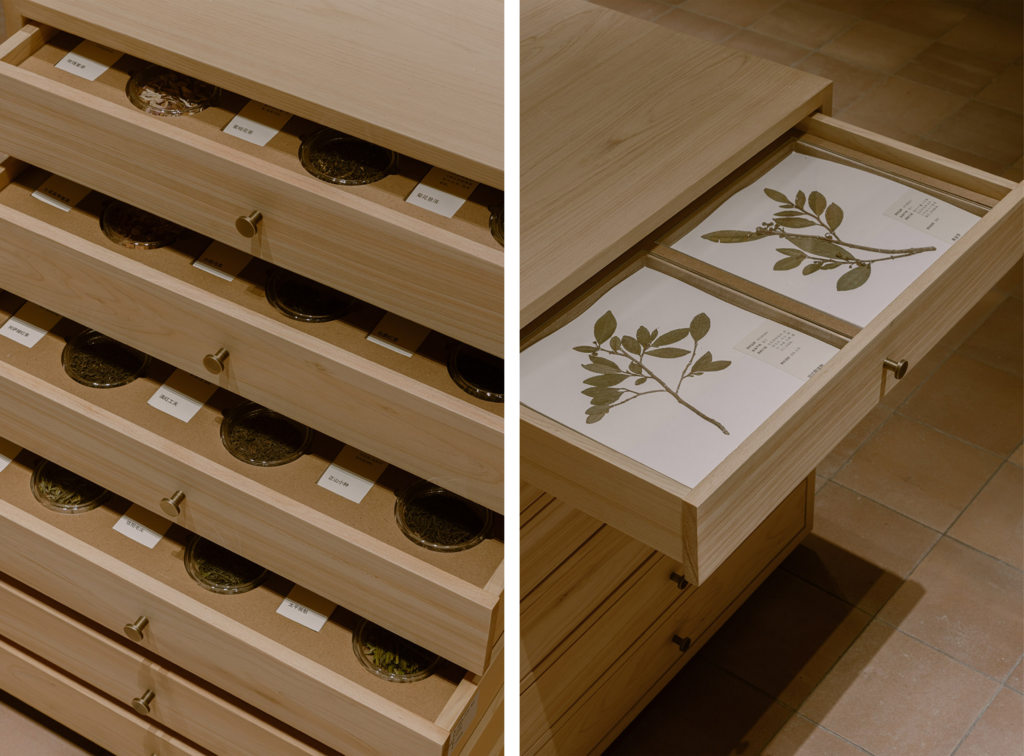
Shelves and counters arranged at different heights are used to display the various products while drawers containing samples allow customers to learn about different types of tea.

Wall and counter displays ©Keishin Horikoshi

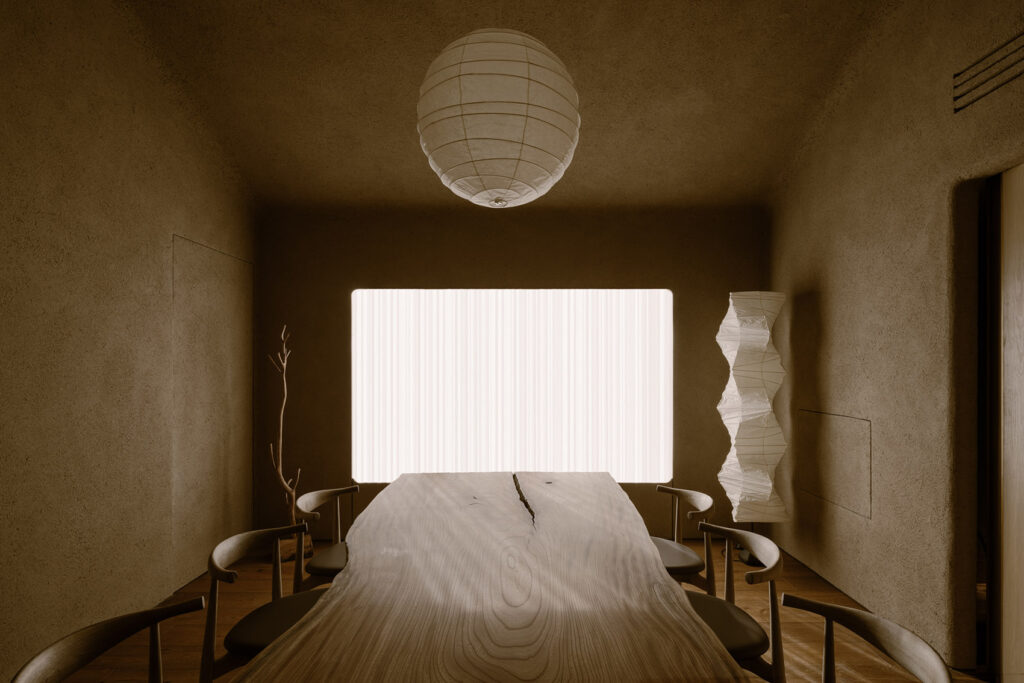
To the rear of the store is a private lounge area and a VIP tea room shaped like a traditional tea house with an exposed pitched ceiling. Accessed through a darker preparation area, the naturally lit space is softened by the application of a textured render on the walls and ceiling.

VIP tea room ©Keishin Horikoshi
Sloping roof space ©Keishin Horikoshi

When the shop is eventually overhauled – as retail interiors only last for around three to five years – the bricks can be taken down and reprocessed for use in future stores or go back to nature.

The tea-earth bricks have been shortlisted in the sustainable building product category at the 2024 Dezeen Awards.


References:

Gooood Articles: https://www.gooood.cn/theatre-shanjuchajing-concept-store-by-kooo-architects.htm?lang=en

Dezeen Articles: https://www.dezeen.com/2024/11/04/kooo-architects-theatre-teashop/

TECTURE Articles: https://mag.tecture.jp/project/20250108-theatre-shanjuchajing/

HOUSE COLLECTION: https://hcollection-living.com/storyblog/65b5b723-cbd6-49d3-8bdc-b16a1eaf1f5a/

Cultural Hub: Toshiko Mori

Photographs © Iwan Baan

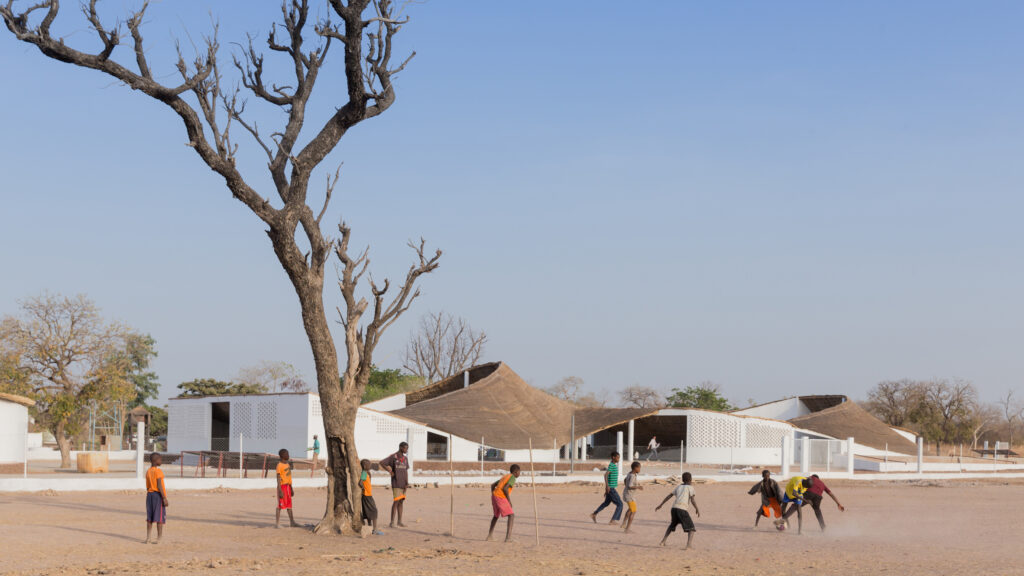
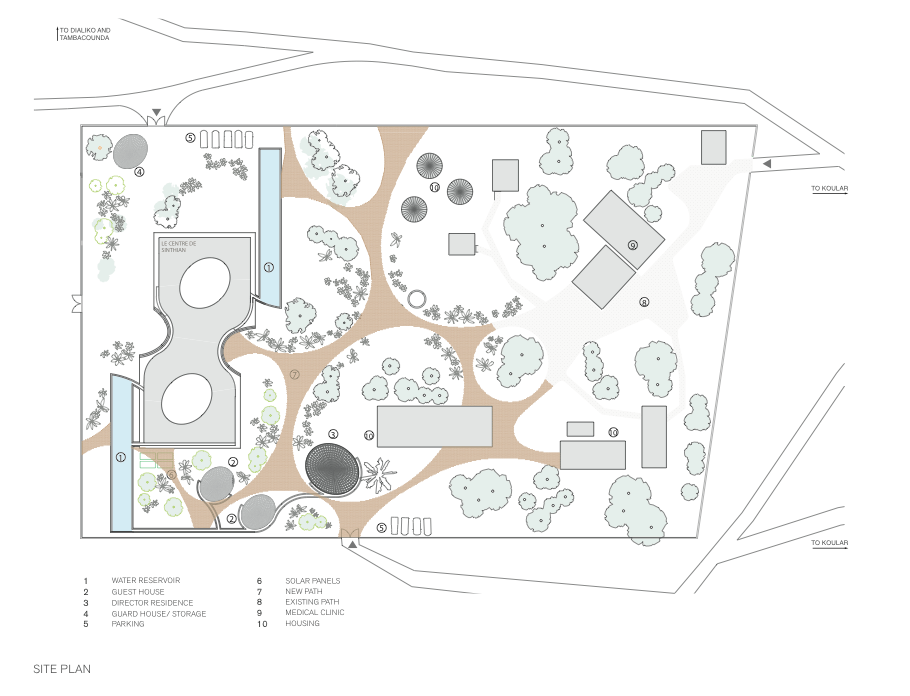
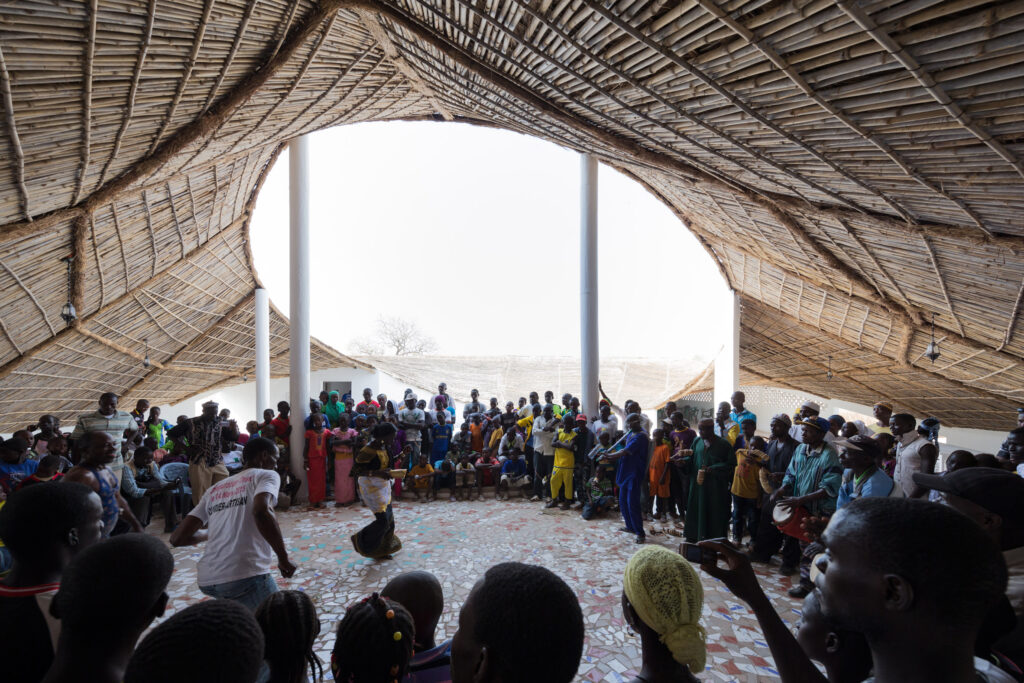
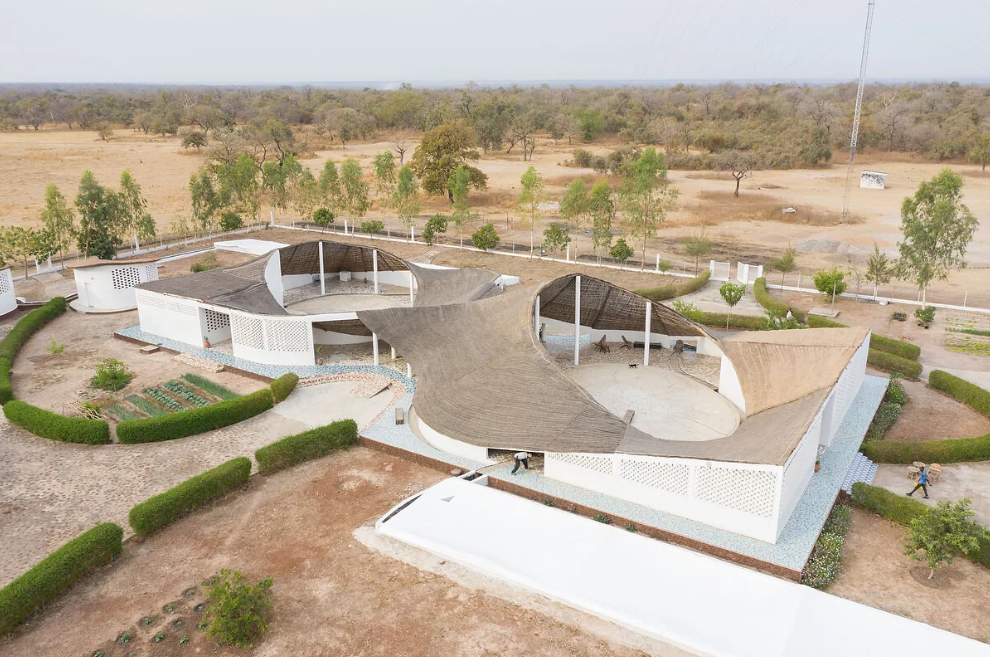
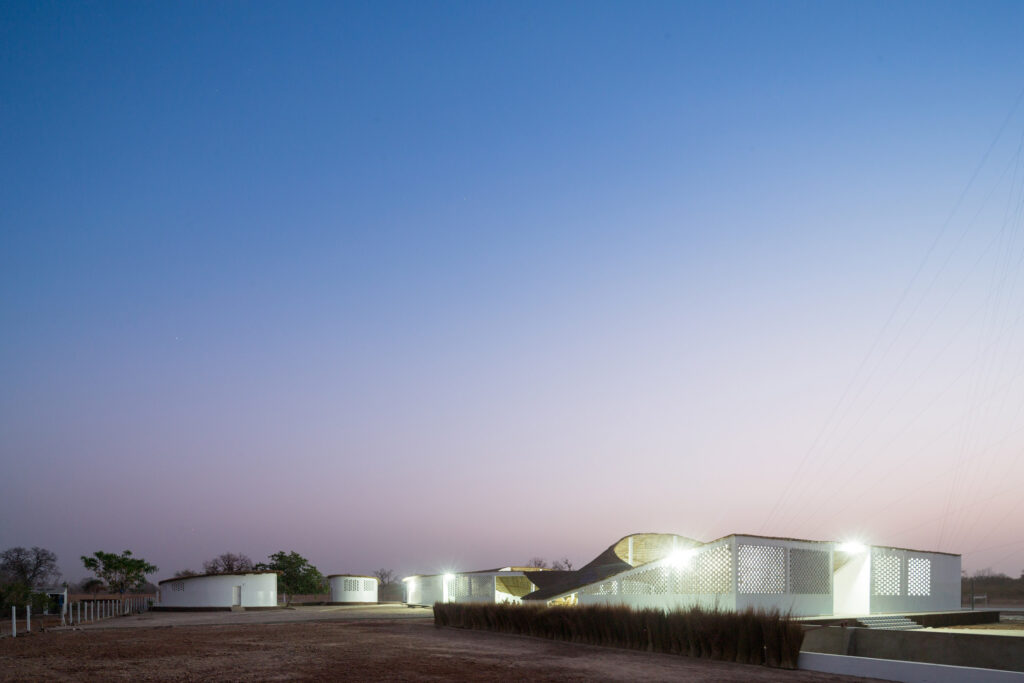
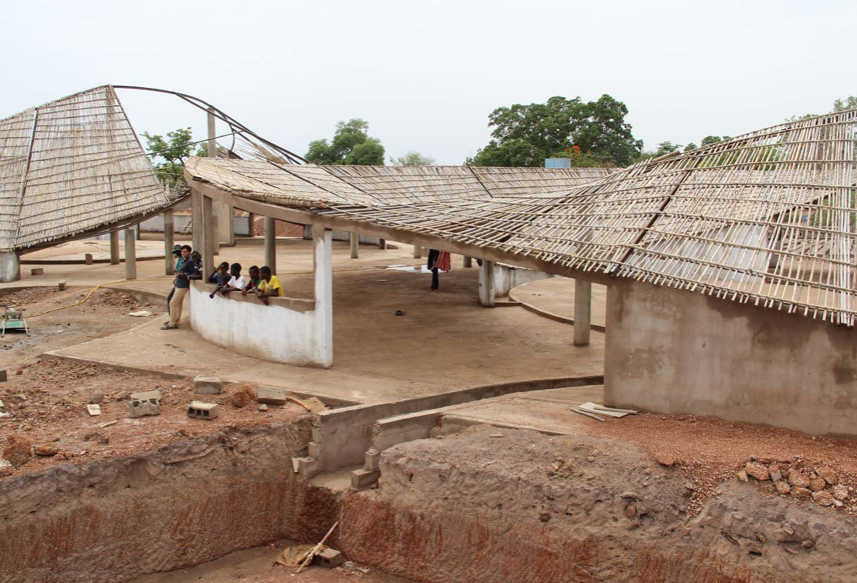
The cultural hub designed by Toshiko Mori was completed in 2015 in the rural village of Sinthian, Senegal. The project was developed with the Josef and Anni Albers Foundation and the nonprofit American Friends of Le Korsa. The goal of the project was to create a space where art, culture, and community activities could come together in a remote region.

Drawings © Toshiko Mori

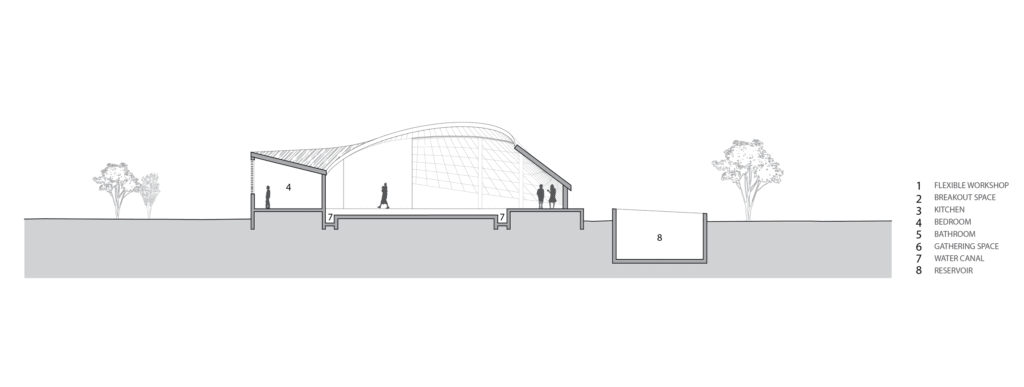
The cultural hub serves many roles for the village and surrounding communities. In addition to housing artists in residence, the building functions as a gathering space, performance venue, workshop space, and community center for cultural exchange and education. The building also supports programs such as agricultural training, public meetings, and local events, helping strengthen connections between villages in the region.

Photographs © Iwan Baan

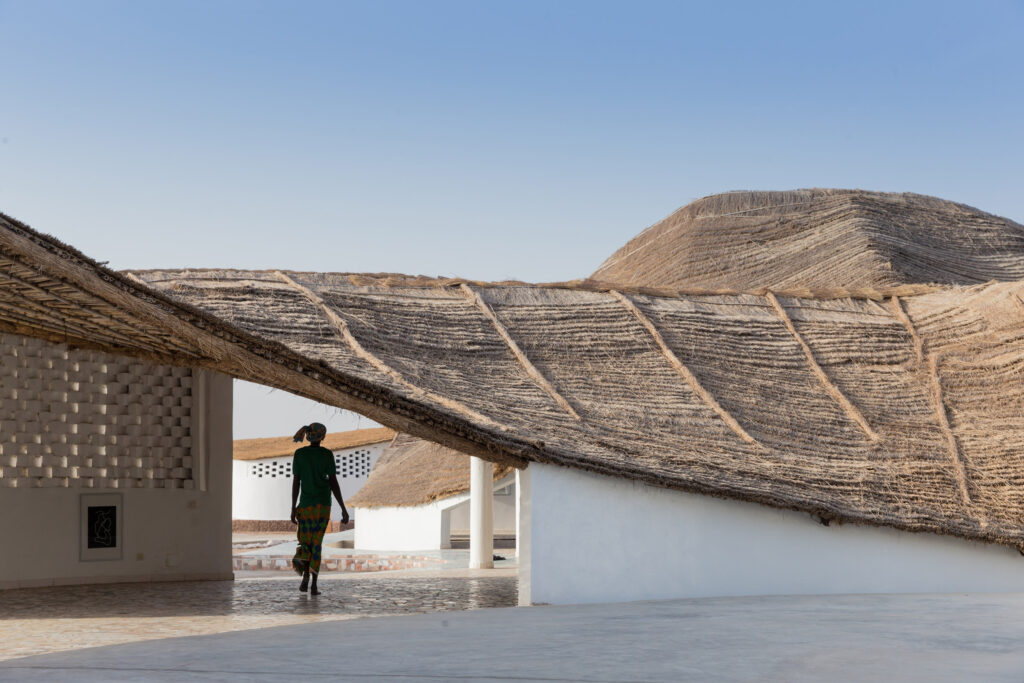
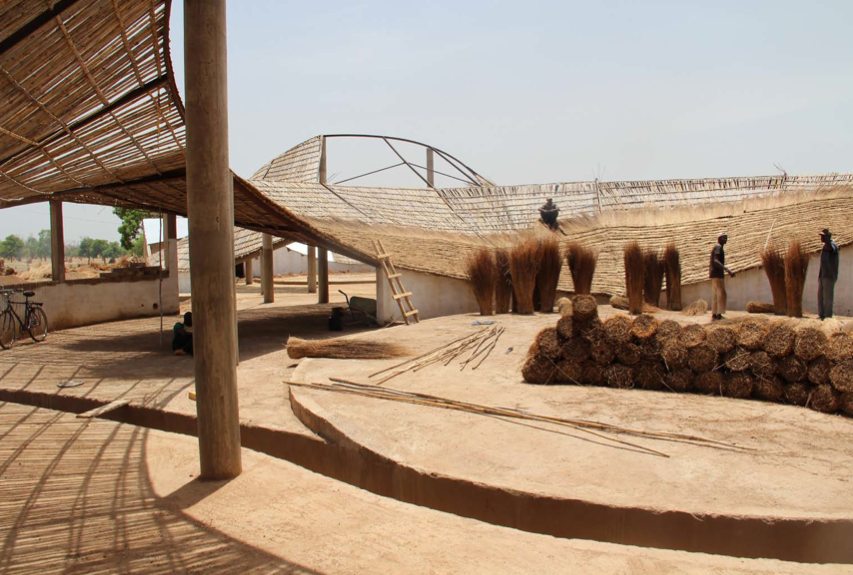
The architecture responds directly to the climate and local building traditions. The building is constructed mainly from locally sourced materials such as compressed earth blocks, bamboo, and thatch. These materials were chosen because they are sustainable and reflect the construction techniques already used in the region. Local workers and builders were also involved in the construction process, which helped transfer building knowledge and create a stronger sense of community ownership.

Photographs © Iwan Baan

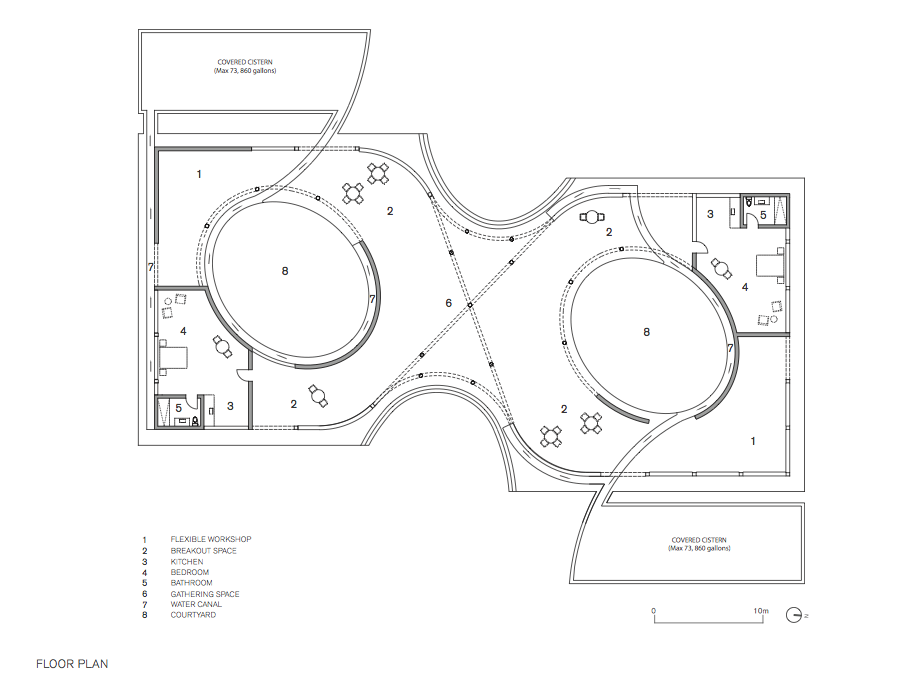
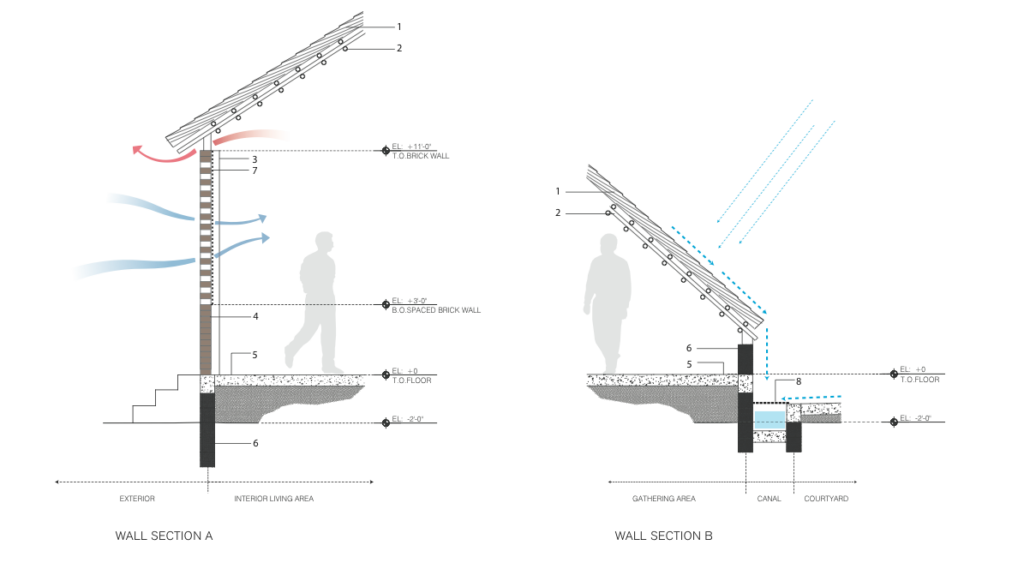
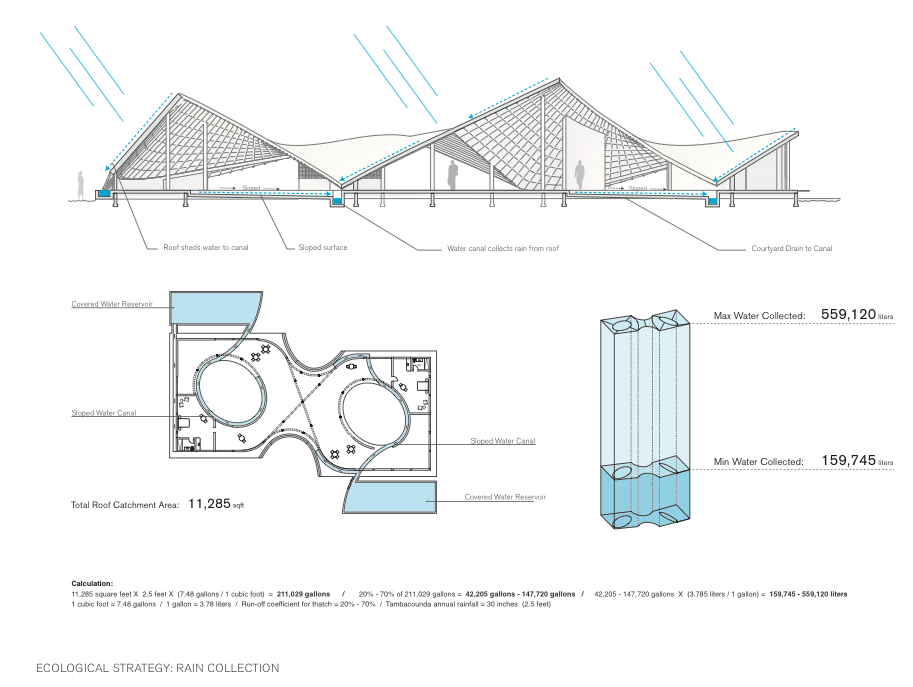
One of the most distinctive features of the project is its large curved roof. The design reinterprets the traditional pitched roof used in local architecture by inverting it, creating shaded spaces and courtyards around the building. The roof also plays an important environmental role by collecting rainwater and storing it in cisterns. This water can then be used during the long dry season, which is an important resource for the village.

Drawings © Toshiko Mori

Passive climate strategies are also central to the design. Deep overhangs, open courtyards, and permeable earth brick walls help create natural ventilation and shaded outdoor spaces, keeping the building cool in the hot climate. Because of this passive design approach, the building can remain comfortable without relying heavily on mechanical systems.

Drawings © Toshiko Mori

What makes this cultural hub especially meaningful is how it connects architecture with social impact. The project supports art and creativity while also addressing practical needs such as water collection, education, and community gathering spaces. By combining local materials, climate-responsive design, and cultural programming, the project shows how architecture can support rural communities in meaningful ways.

Photographs © Iwan Baan

Overall, the cultural hub demonstrates how architecture can go beyond simply creating buildings. It becomes a platform for collaboration, cultural exchange, and sustainable development, connecting a small rural village to a wider global network through art and design.

Sources

Toshiko Mori Architect — Project page: https://tmarch.com/thread

Dezeen article: https://www.dezeen.com/2017/01/25/toshiko-mori-compressed-earth-bamboo-thatch-cultural-centre-senegal-africa-architecture/

ArchDaily project: https://www.archdaily.com/608096/new-artist-residency-in-senegal-toshiko-mori

Dovetail Magazine feature: https://dovetailmag.com/2023/01/destination-thread/


Dakar Houses for Moroso Furniture Makers in Senegal

Dakar Houses    I   ArchDaily

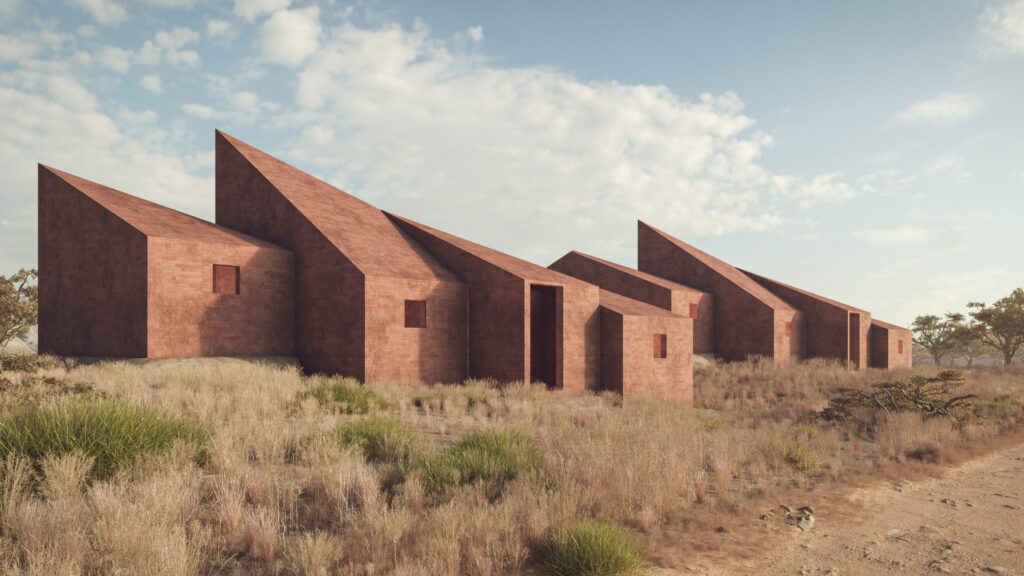
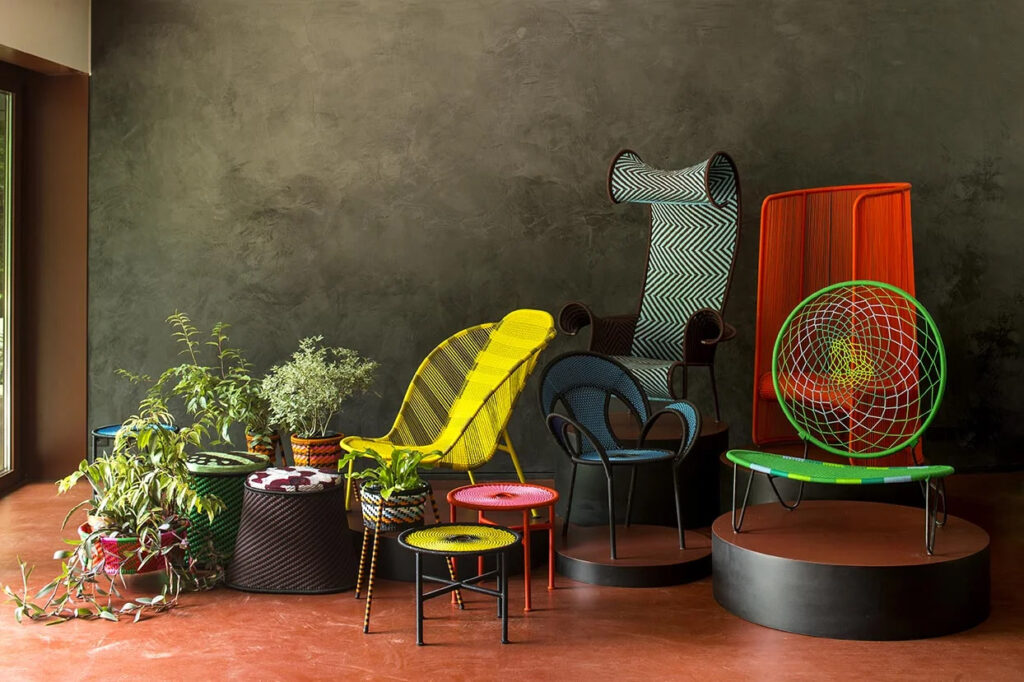
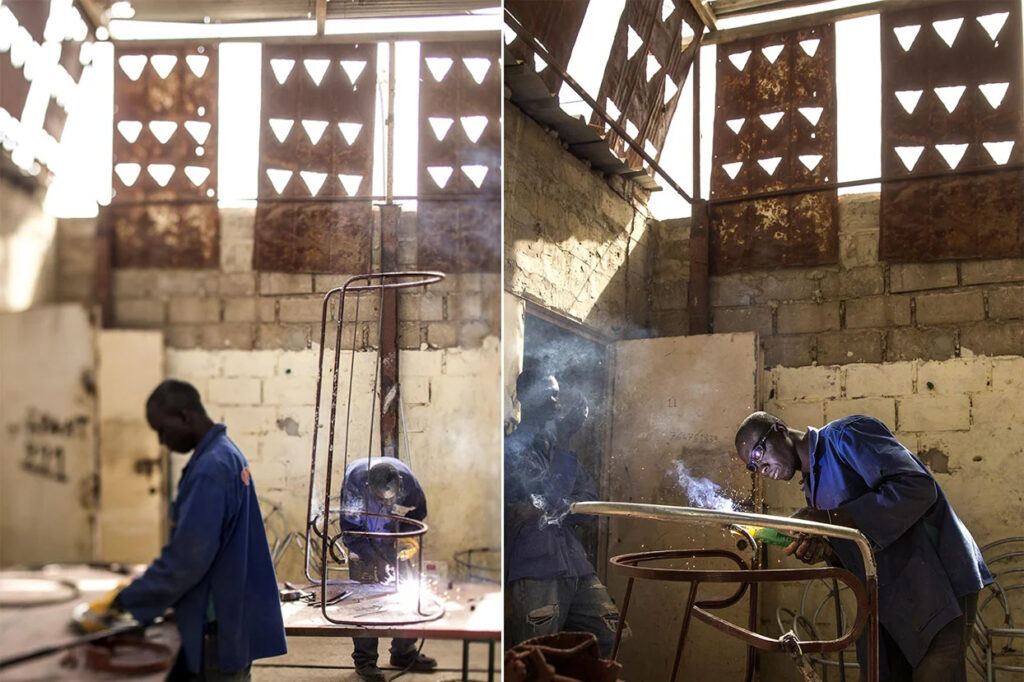
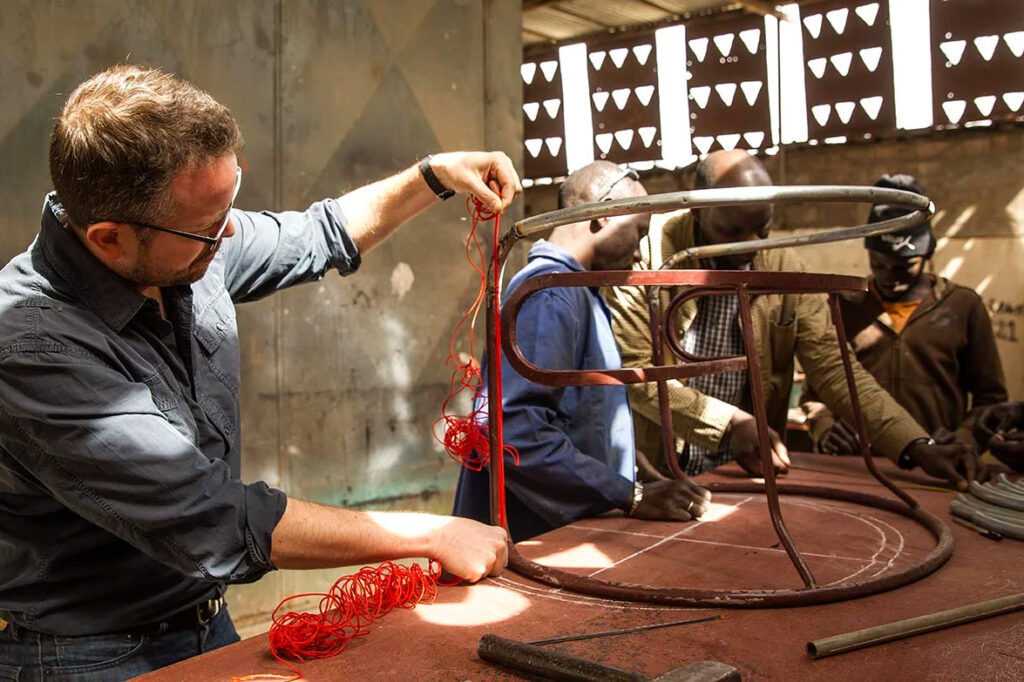
On the outskirts of Dakar, the Dakar Houses project proposes a new prototype of living and working for Moroso furniture craftsmen in Senegal. The units are conceived as hybrid live-work environments that house artisans and their families alongside integrated workshops, making visible the full spectrum of production, from welding to the intricate hand-weaving of pieces for Moroso’s M’Afrique Collection. Designed by Marc Thorpe, the project responds to both environmental conditions and social structures by grounding itself in local material practices and systems of community-based production, positioning architecture as both a spatial and economic framework.

Morso’s M’Afrique Collection    I   Marc Thorpe
Senegalese Craftsmen    I   Marc Thorpe

Founded in Italy in 1952, Moroso is internationally recognized for its collaborations with designers and its emphasis on experimental, high-quality furniture. For more than a decade, through its M’Afrique collection, the company has worked to actively promote and celebrate Senegalese artisans, foregrounding local handcraft within the global furniture industry. This connection to Senegal is further reinforced through Patrizia Moroso’s husband, Abdou Salam Gaye, whose cultural and artistic ties to the region have played a key role in shaping the company’s engagement there. The Dakar Houses project was commissioned by Abdou Salam Gaye, extending this long-standing relationship into architecture and proposing a spatial framework that supports both production and daily life.

Marc Thorpe with Senegalese Craftsmen in Dakar    I   Marc Thorpe

Marc Thorpe’s is a global architectural practice based out of New York, operating across furniture and product design exploring how material systems and cultural contexts can intersect. This multidisciplinary approach is evident in the Dakar Houses, where architecture is conceived as an evolving system tied to labor, community, and environment.  In addition, the project planned for both Thorpe and Gaye’s furniture to be featured across the complexes. The project reflects his broader interest in bridging craft and industry while engaging local economies in meaningful ways.

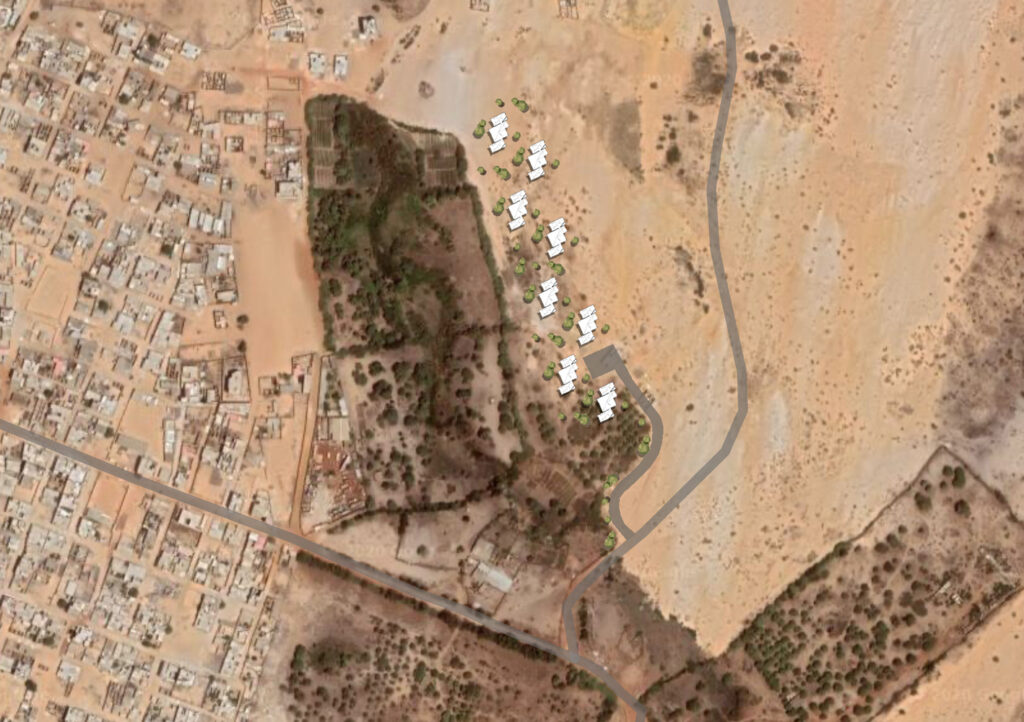
Site Plan    I   ArchDaily
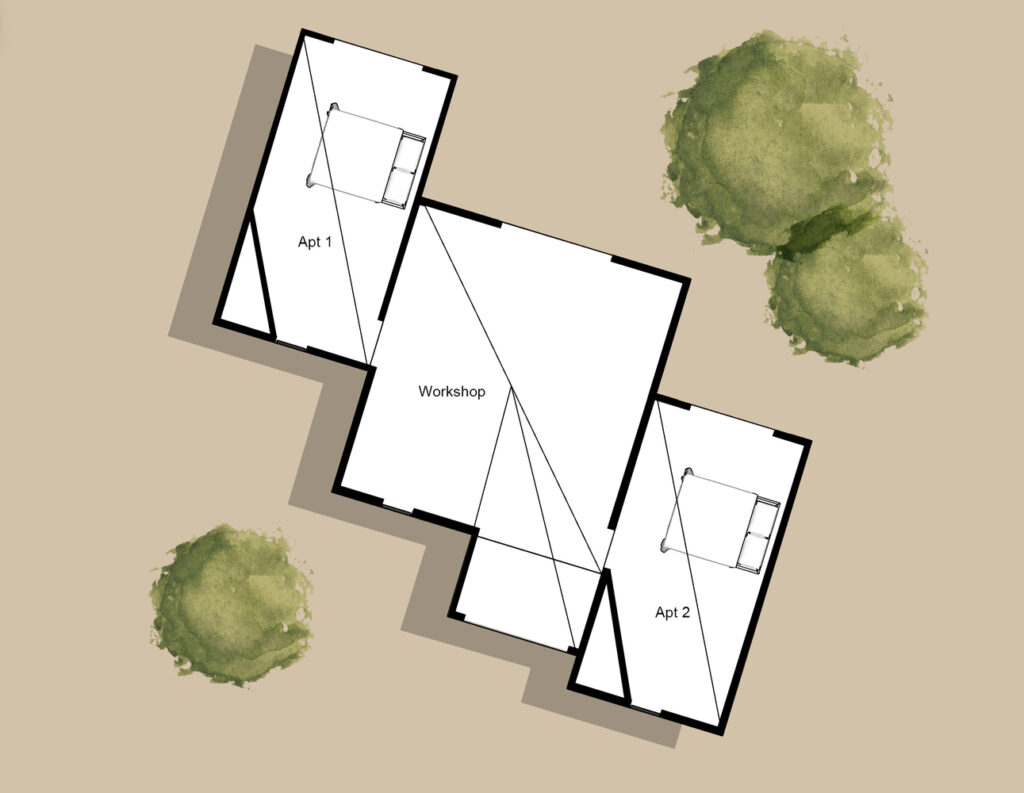
Building Plan   I   ArchDaily

The project aims to create a work-based community in which living and production are fully integrated. The village is constructed of eight structures, each organized around a central workshop flanked by residential spaces, allowing artisans and their families to inhabit the same environment in which they work. This spatial arrangement redefines domestic architecture as an infrastructure for livelihood, enabling a collective system where economic activity and social life are intertwined. The aggregation of these units suggests a larger village model, one that can expand organically as production grows and new participants join the network.

Workers at Elemental in Dakar, Senegal   I   Photo by Fernanda Loyola Cardoso
Digging Earth in Dakar, Senegal   I   Photo by Fernanda Loyola Cardoso
Compressed Earth Blocks    I   Photo by Fernanda Loyola Cardoso

A defining aspect of the Dakar Houses is the use of compressed earth bricks, which ground the project in both environmental and cultural specificity. The material is sourced locally, significantly reducing the energy and cost associated with transportation, and it is produced through a low-impact process in which soil is compacted, shaped, and cured in the sun rather than fired. This method aligns with long-standing construction traditions in Senegal while also addressing contemporary concerns around sustainability. The thermal mass of the earth walls allows them to absorb heat during the day and release it gradually at night, stabilizing interior temperatures and minimizing the need for mechanical cooling.

Brick Screens for Dakar Houses    I   ArchDaily

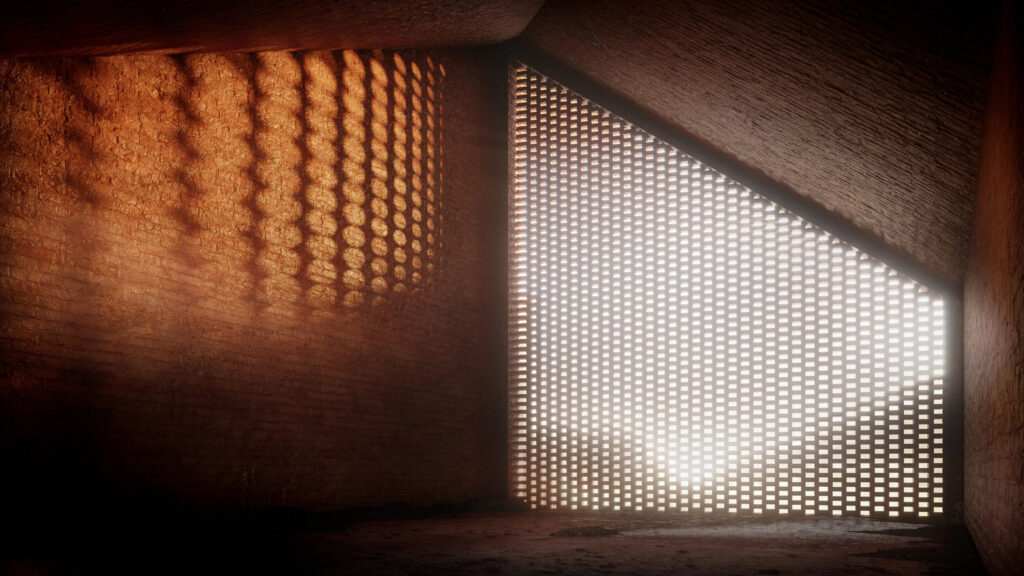
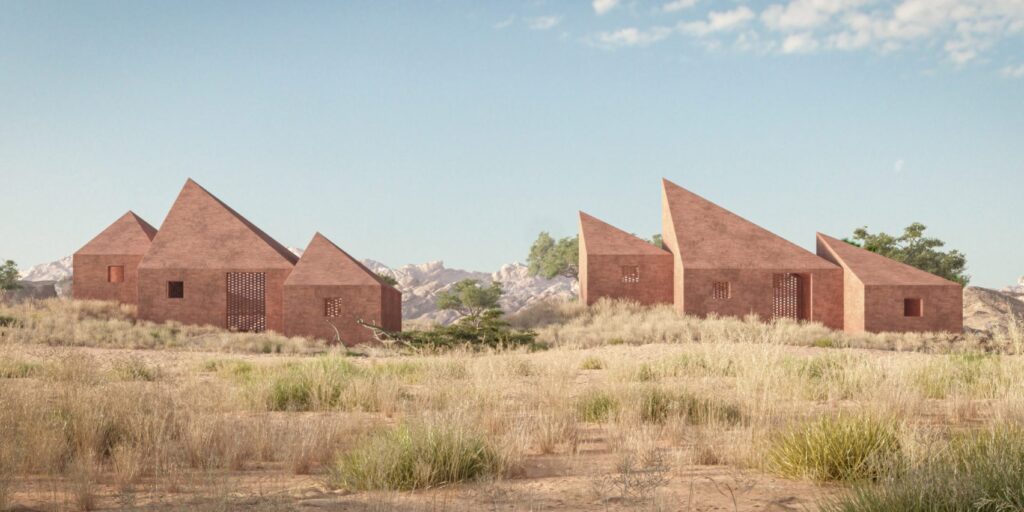
The architectural form further reinforces this environmental responsiveness. The buildings are composed of angular, pitched volumes that reference traditional African patterns while also shaping microclimates through shadow and airflow. Thick earthen walls, perforated surfaces, and carefully staggered masses work together to promote ventilation and reduce solar gain. These passive strategies transform the buildings into climate-regulating systems, demonstrating how material and form can operate together to produce comfort without reliance on technology.

Interior Brick Pattern    I   ArchDaily

The Dakar Houses operate simultaneously at multiple scales, linking material experimentation with broader social and economic frameworks. The use of earth construction highlights the viability of locally sourced, low-energy materials, while the integration of living and working spaces proposes a new architectural typology rooted in collective production. At an urban level, the project imagines a decentralized settlement organized around craft economies, and at a cultural level, it connects global design networks with local knowledge and labor.

Dakar Houses in Site    I   ArchDaily

Ultimately, the project presents architecture as a mediating force between environment, economy, and community. By embedding production within the domestic sphere and building, Marc Thorpe proposes a model in which design supports not only shelter, but also sustained ways of living and working.

Written by Fernanda Loyola Cardoso

Sources:

“Abdou Salam Gaye.” Say Who.  https://saywho.co.uk/people/abdou-salam-gaye/.

Frearson, Amy. “Marc Thorpe Designs Dakar Houses for Moroso’s M’Afrique Artisans in Senegal.” Dezeen. March 17, 2020. https://www.marcthorpedesign.com/morosomafrique

Harrouk, Christele. “Marc Thorpe Proposes Houses for the Workers of Moroso on the Outskirts of Dakar, Senegal.” ArchDaily. April 7, 2020. https://www.archdaily.com/937014/marc-thorpe-proposes-houses-for-the-workers-of-moroso-on-the-outskirts-of-dakar-senegal.

Marc Thorpe Design. “Dakar House.”  https://www.marcthorpedesign.com/dakar-house.

Marc Thorpe Design. “Moroso M’Afrique.” https://www.marcthorpedesign.com/morosomafrique.


CINVA RAM

CINVA-Ram


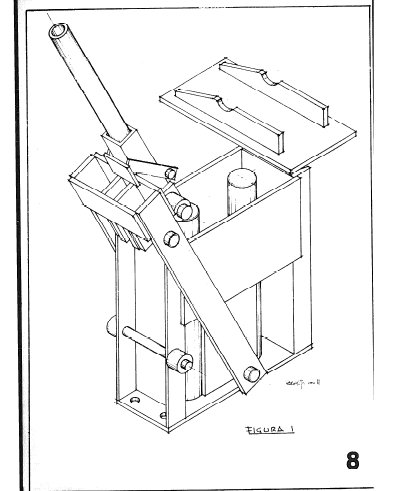
The CINVA Ram is a manually operated machine used to produce compressed earth blocks (CEBs)—solid building units made by pressing soil into a mold.

Instead of using industrial materials like concrete or fired bricks, the CINVA Ram uses local soil, mixed with water and sometimes small amounts of stabilizers such as cement or lime. The machine applies pressure to compress this mixture into dense, uniform blocks.

Unlike traditional bricks, which must be baked at very high temperatures in special ovens (called kilns) to become strong, CINVA Ram blocks are simply left to dry and harden in air. This makes the process more energy-efficient and accessible.

The CINVA Ram was developed in the 1956 at Centro Interamericano de Vivienda (CINVA) in Bogotá. It was developed by engineers at the institute, and is often associated with the work of Colombian engineer Raul Ramirez. It was created in response to growing housing shortages in Latin America. Many regions lacked access to industrial construction materials, creating a need for affordable and locally adaptable building methods. The device was later disseminated through international development programs and has since been used across Latin America, Africa, and Asia.

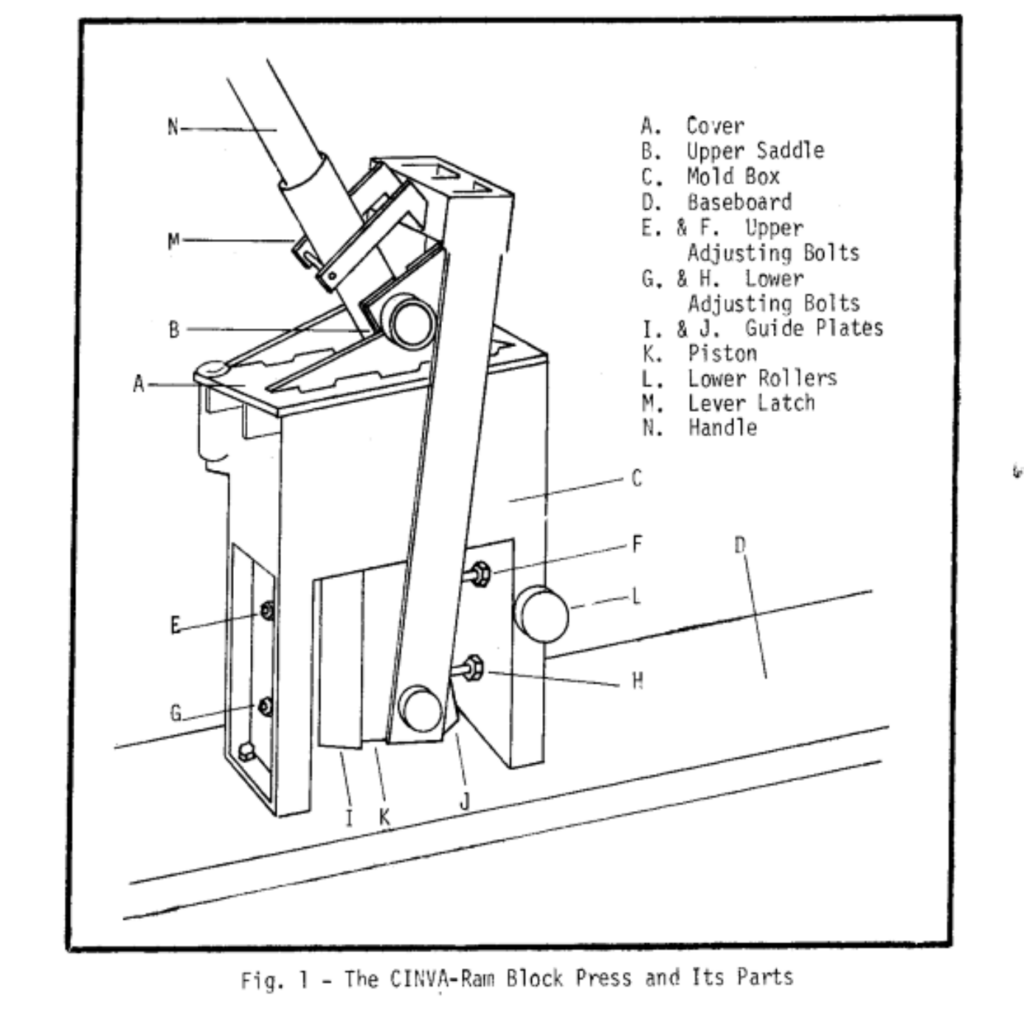
CINVA-Ram Block Press and Its Parts

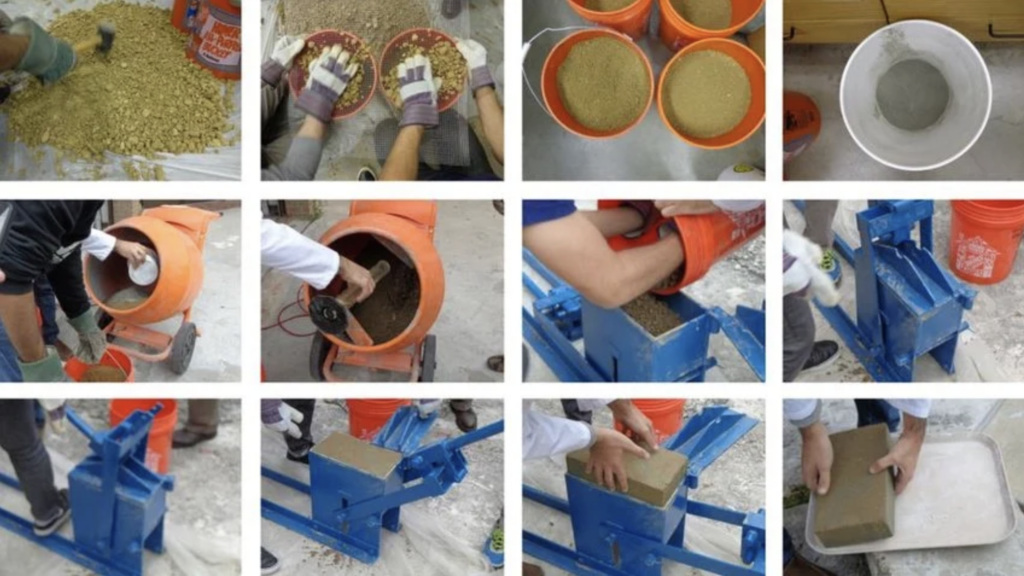
The process is simple and repeatable:

_ Prepare the soil
Soil is collected locally, sieved to remove large particles, and mixed with water. In some cases, a small amount of cement is added for stabilization.

_ Fill the mold
The mixture is placed into a metal mold within the press.

_ Apply pressure
A hand-operated lever compresses the soil into a dense block.

_ Remove and dry
The block is removed and left to air-dry until it hardens.

Process of making CEBs

Through this process, raw earth is transformed into a standardized building unit that can be used similarly to conventional bricks.

The CINVA Ram is significant not only as a tool, but as a system of construction. It enables the use of local materials, allowing buildings to be made from soil found directly on-site, while also reducing energy consumption since no high-temperature heating is required. This makes the process both more sustainable and more accessible.

In addition, it supports affordable construction by minimizing reliance on industrial materials, and its manual operation allows individuals and communities to actively participate in the building process. However, the system also has limitations: it is labor-intensive, requires knowledge of soil composition, and is generally more suitable for small-scale or incremental construction rather than large urban developments.

The CINVA Ram is more than a machine—it is a method of building that begins with the ground itself. By transforming soil into durable construction units through a simple mechanical process, it offers an alternative to industrial building systems. As interest in sustainable and low-carbon architecture continues to grow, the CINVA Ram remains a relevant example of how construction can be local, accessible, and resource-efficient.

A demonstration of the compressed earth block production process using a CINVA Ram can be viewed here:

References

Casarama. “CINVA Ram.”

Engineering for Change. “CINVA Ram.”

Engineering for Change. “Compressed Earth Blocks Production.”

Houben, Hugo, and Hubert Guillaud. Earth Construction Handbook. Intermediate Technology Publications, 1994.

Minke, Gernot. Building with Earth: Design and Technology of a Sustainable Architecture. Birkhäuser, 2006.

Open Source Ecology. “Compressed Earth Block Press (CEB Press).”

YouTube. “CINVA Ram / Compressed Earth Block Demonstration.”


Armando Guadalupe Cortés: ¿Y LA GENTE?

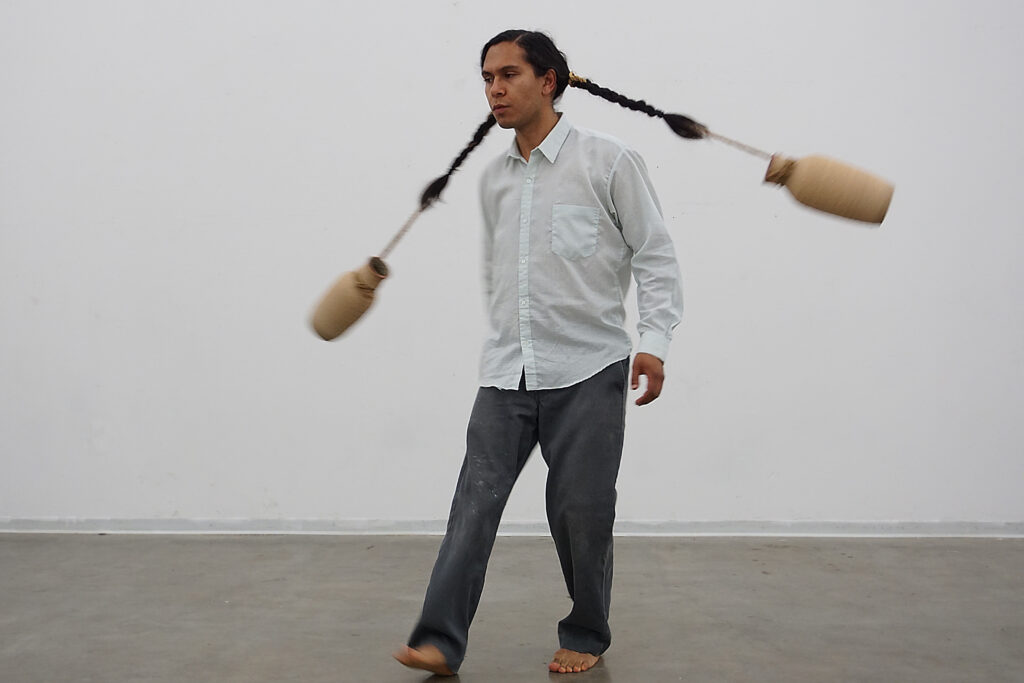
Cortez performing El Descanso En La Gloria, (Rest when I am Dead), 2017

Armando Guadalupe Cortés was born in Urequío, Michoacán, México and raised in Wilmington, California. He graduated with an MFA from Yale School of Art 2021 and a BA from UCLA in 2012 .  ¿Y LA GENTE? from 2020, blends sculpture and performance to explore themes of memory, myth, history, geography, experience and materiality. 

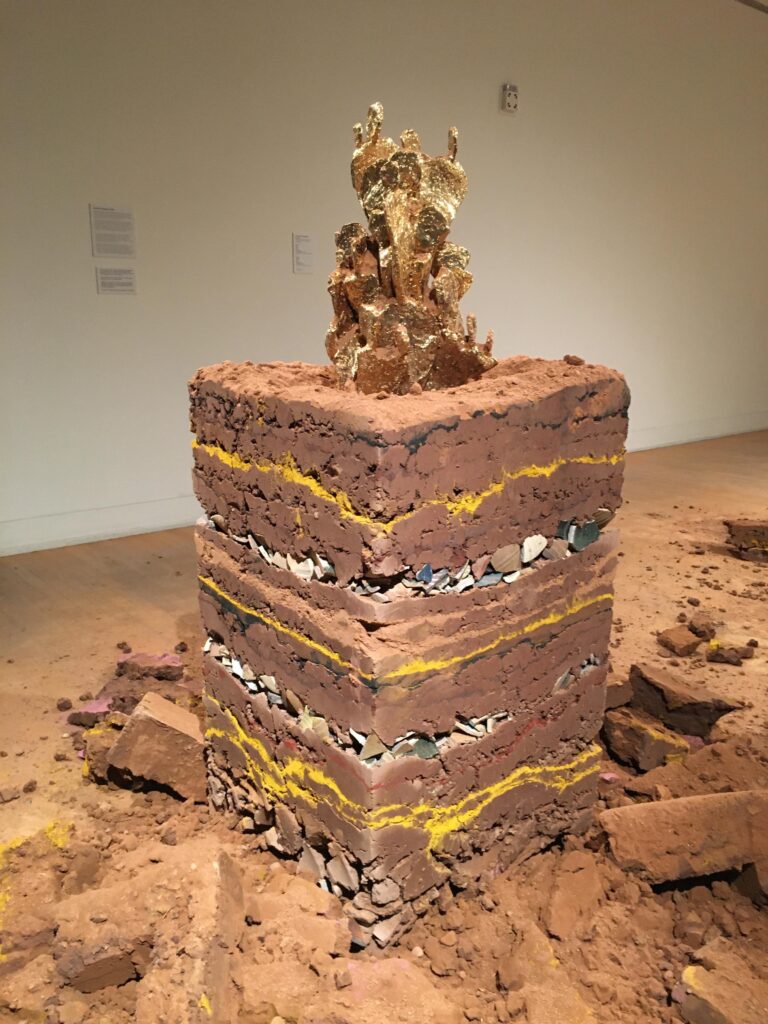
Rammed Earth Columns before the performance

¿Y LA GENTE? (And the People?)
2020
Installation and performance
Clay, earth, iron oxides, stoneware
Each pillar 64” x 24” x 24”

Film still of the performance at ASU Art Museum, 2020

During the performance of ¿Y LA GENTE? Cortes excavates the rammed earth columns surrounded by musicians and dancers of his native Mexican heritage. Once revealing a gold ceramic sculpture within each column, one resembling a nopal cactus and the other a milling stone, Cortes exits the gallery leaving the deconstructed pillars to remain for the rest of the exhibition.  

Revealed Nopal Cactus
Revealed milling stone

Through blending performance and sculpture, he is able to question the dichotomy between myth and fiction as an antonym to history. Growing up in two worlds has lead Cortés to a fantastical take on the ordinary. He incorporates the multitude of symbols and identities from his family of farmers, migrants, manufacturers, office professionals, and professors in his material palette and choice of dress. In contrasting the mythical or in this case the colorful and culturally rich materiality with his business casual clothing, he illustrates the parallelism and tension within his life and work. This re-assembling of materials and cultural symbolism is crucial to how Cortes seeks to challenging notions of spectacle and viewership.

Sources:

Artist Website: https://armandogcortes.com/Y-LA-GENTE-2020

Vimeo: https://vimeo.com/402306364?fl=pl&fe=cm

Bemis Center: https://www.bemiscenter.org/residents/armando_guadalupe_cort%C3%A9s

Australian Exhibition at Venice Biennale

Australia‘s first all-Indigenous curatorial team at the Venice Architecture Biennale brought a distinctly Aboriginal design approach to its pavilion, a calming and inclusive space focused on the theme of Home. The three main creative directors are Michael Mossman, Emily McDaniel, and Jack Gillmer-Lilley.

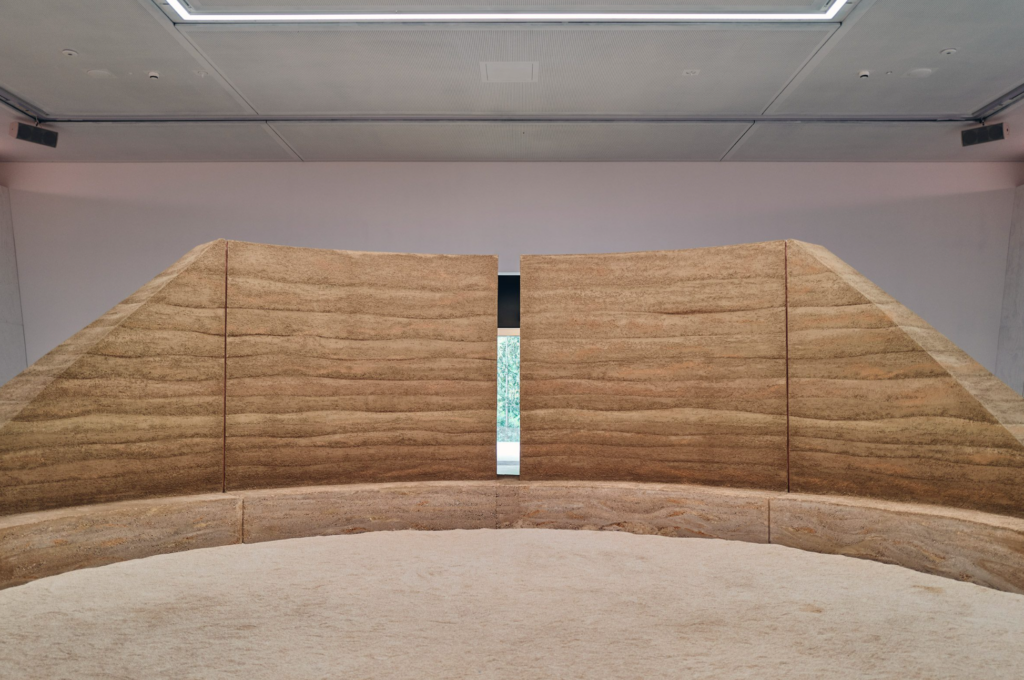
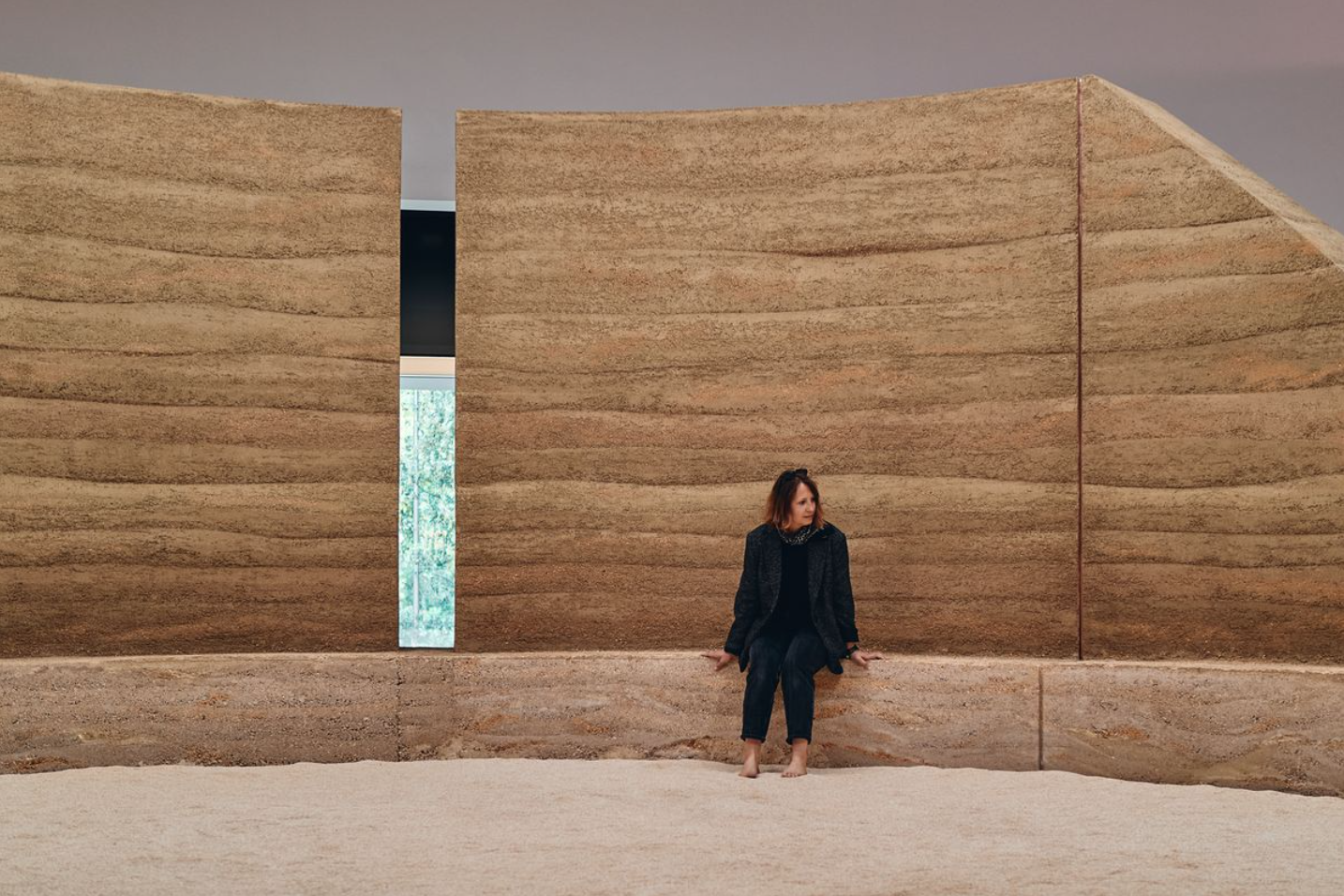
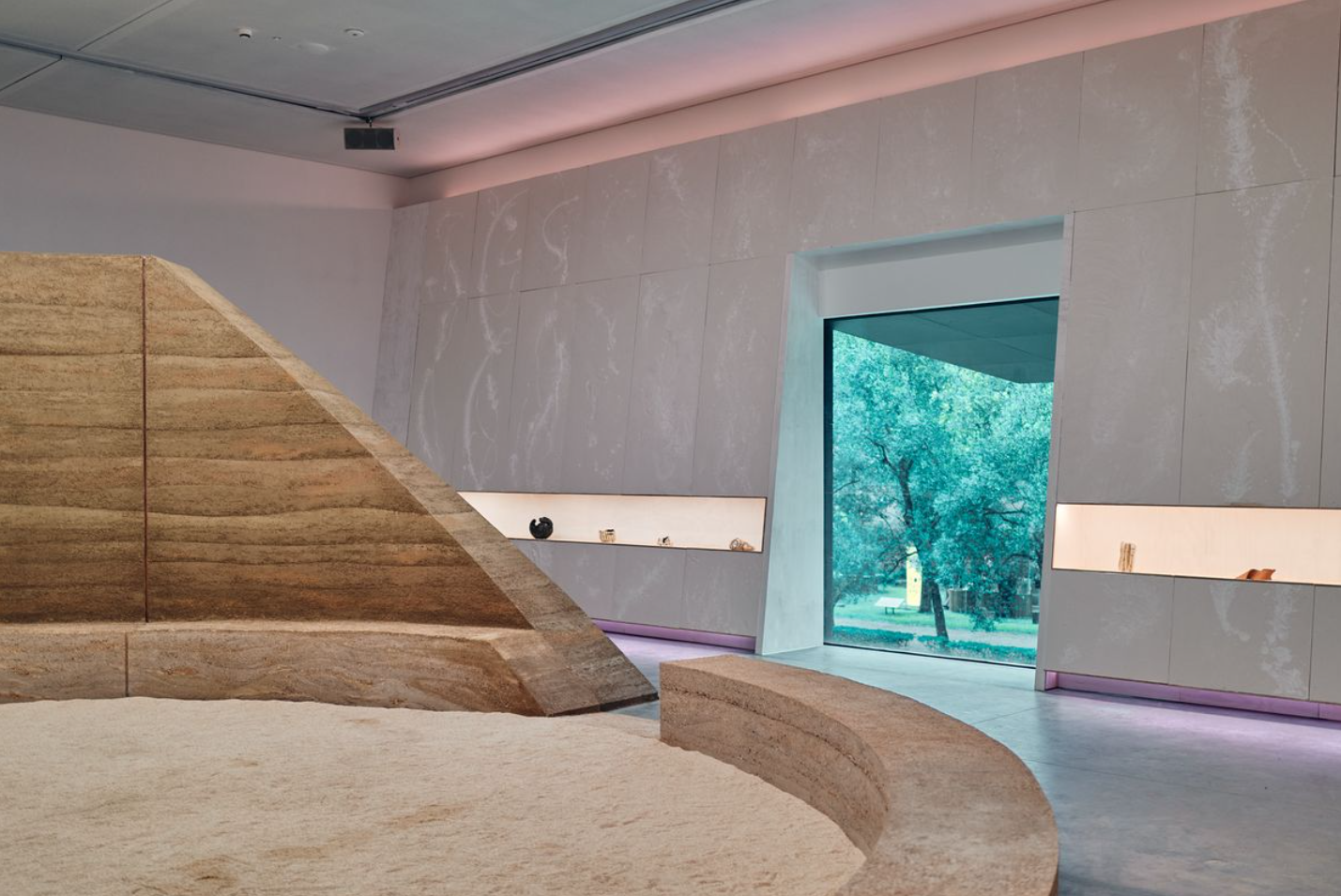
The Home pavilion is centred on a circular rammed-earth structure that serves as a gathering area and is surrounded by a display of small, sculptural objects.

Visitors to the pavilion are invited to engage in reflection while touching and holding the objects, which were created by architecture and design students from across the country in response to the idea of home.

The installation features a curved rammed earth wall and bench seat that wrap a circular, sand-filled ceremonial space at the centre of the pavilion.

The pavilion came together through the application of the Australian First Nations practice of “yarning” – a purposeful way of relating to others and sharing knowledge that often happens in a yarning circle.

The Australian pavilion centred on a circular rammed-earth structure

The student workshops began with two days of yarning, while the pavilion’s creative directors – Michael Mossman, Emily Mcdaniel and Jack Gillmer-Lilley – also took a similar approach over nine months to connect with a wider “creative sphere” of four First Nations architects and practitioners, all of whom came together to build the work in Venice with their own hands over many weeks.

They used materials entirely from Venice – mainly sand, soil and plaster – as they wanted to show respect for the land that they are visiting, rather than importing materials from Australia.


Around the structure was a display of objects made in response to reflections about home

In the student workshops, the yarning approach meant not just sharing First Nations knowledge but inviting students to reflect on their own culture and how it related to their idea of home.

The 125 students involved were asked to find artists and artworks that they connected with, to converse, journal and draw, and to consider the acts of asking for permission before using materials and taking only as much as required.

Their works – dubbed “living objects” – show a multiplicity of ways of thinking about home. A black gypsum cement orb, titled Shanshui (Prophecy), is a meditation on geology and cultural tension, while the delicate teabag sculpture, sewn together with teabag threads, honours the forgotten and quotidian.

With both the student workshops and the pavilion itself, the curators have sought to expand understanding of Australian First Nations cultural practices to something based on values and approaches rather than a set aesthetic.

“We didn’t want to bring a false sense of Australiana to the pavilion,” Kerr said. “We wanted people to be able to find their own sense of place, their own sense of belonging, their own memories and their own identity. We didn’t want to impose an emotion.”

The pavilion was Australia’s first to be curated by an all-Indigenous team

https://www.dezeen.com/2025/05/16/australia-pavilion-home-venice-architecture-biennale-2025/

https://www.unsw.edu.au/canberra/about-us/equity-diversity-inclusion/unsw-canberra-community-circle